

In The Sailor’s Dream, walking, or drifting, is a mechanic that challenges conventional game assumptions about pacing and reward. Designed by SIMOGO AB, this walking simulator game targets a contemplative audience that prioritize artistic atmosphere and narrative. As discussed in the Salon article on this genre of games, walking sims must “motivate a player using a non-standard set of tools,” often encouraging reflection rather than constant forward progression. The Sailor’s Dream takes this principle further by setting its central mechanic not just in walking around, but in time as well, as it requires players to return day after day to unlock its full narrative. Through its formal elements and the MDA framework, the game reveals how limited interaction, time gating, and the soundtrack can produce a contemplative and emotional experience.
Mechanically, the game offers limited inputs. You can tap, swipe, and listen. Movement is also limited as you can only swipe through the cardinal directions to explore a seascape composed of islands, lighthouses, and submerged rooms, interacting with objects like music boxes and letters. Lastly, the content is time-gated through items like messages in a bottle. These mechanics create unique dynamics around patience and attention. Because of the time gate, you cannot brute force your way through the narrative. Instead, you have to space your game play across days. This creates the dynamic of anticipation as each time you open the game, there’s a possibility of discovering something new. So the mechanic encourages players to approach the game with curiosity rather than urgency. As the Salon article said, walking simulators often shift focus away from mastery and toward reflection; here, you are not just encouraged to slow down but required to.

These dynamics generate a distinct aesthetic experience that is intimate and introspective. The game tells itself like a bedtime story where the narrative continues on over time. Each day of play gives the aesthetic of discovery. This aesthetic is also reinforced by the game’s sound design. The music overlaps and changes depending on how the player moves between spaces; the interaction between the mechanics of movement and music also creates another layer of musical navigation and musical story telling as dynamics. When I first played the game, I just rushed through the rooms and missed the musical cues that connect the parts of the narrative. Over time, I learned that the game progressed not from my speed but from my attention. Walking thus became less about reaching new locations and more about contemplating the space between them. This shift produces an aesthetic of mindfulness as the game encourages players to listen carefully and revisit familiar spaces at a deliberate pace.

Ultimately, The Sailor’s Dream demonstrates how the core principles of the walking simulator genre can be deepened through innovative mechanics. By integrating time-gated progression and musical exploration, the game creates dynamics that encourage the players to have patience and be reflective. In doing so, the game exemplifies the genre’s potential to offer experiences that are introspective and transformative, making players walk through the world differently after playing them.
Ethics:
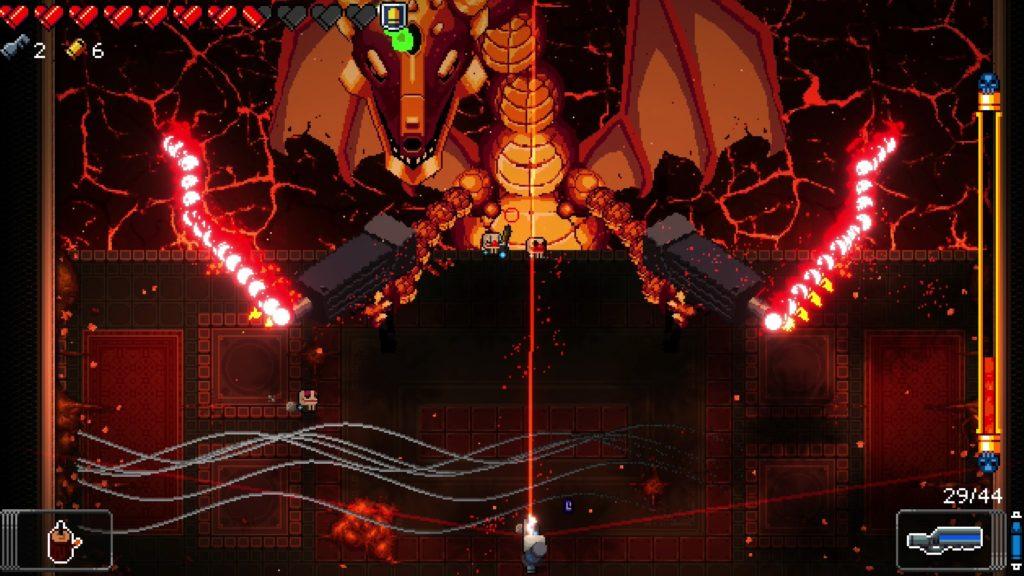
In violent games, like the first person shooter we played in studio, the core mechanics typically revolve around the combat systems. These mechanics produce dynamics of mastery and optimization as players learn enemy patterns and refine their reflexes. The aesthetic experience that emerges often includes challenge and empowerment. Violence in violent games is not just some optional mechanic, but it is part of the procedure to progress in the game. By doing violence, the game rewards that behavior through points and upgrades.
Walking simulators like The Sailor’s Dream remove violence as a mechanic completely. The mechanics of tapping, swiping, listening generate dynamics of attention and patience rather than performing a skill. The absence of violence also has an impact on pacing. There are no enemies and, thus, no progression systems based on defeating obstacles. This forces a redesign of the progression loop from fighting leading to reward to observing leading to interpretations. In The Sailor’s Dream, certain narratives only become available after time has passed. This design introduces a slower rhythm of anticipation and fundamentally alters the aesthetic outcome to be one of calm and introspection, instead of excitement from fighting.