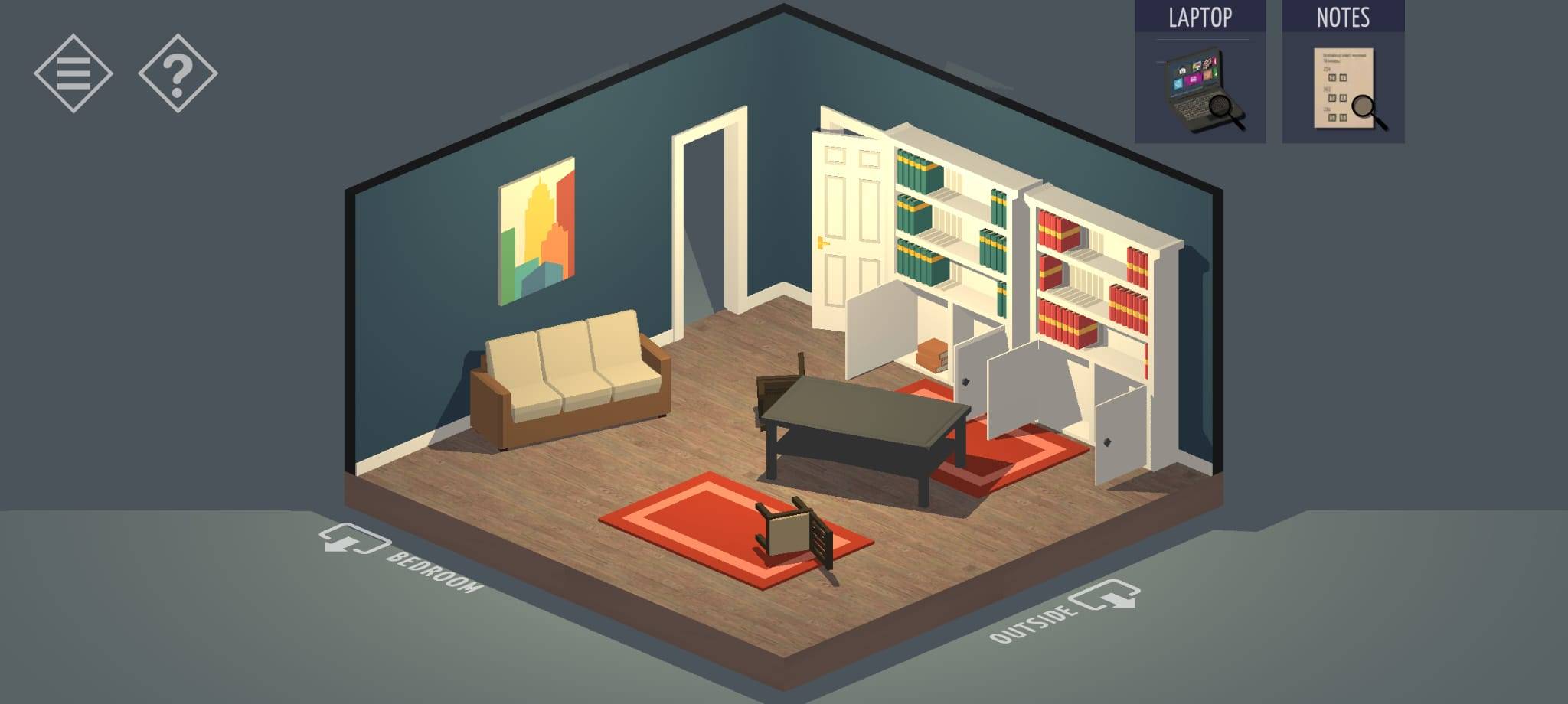
Tiny Room Story: Town Mystery is a free mobile app that according to its creators, Kiary Games LTD, it is designed for people at least 4 years old but I think 8 years old would be a much more reasonable suggestion. While it is available on Switch, PC (Windows and Mac), and mobile (Apple and Android) devices, I played on Android.
As I played Tiny Rooms, a free mobile game, I was struck with just how much having a freemium or a pay to play system creates perverse incentives for game designers. I enjoy traditional escape rooms and was looking forward to a video game based escape room as I thought it might provide easier access to the fun and joy with significantly less expense. However I’ve reached the conclusion that if I want to engage with digital escape rooms then it is important that I select an escape room that has a relatively significant upfront cost but no in-game payment options.
The required structure of an escape room is such that it includes embedded narratives. These narratives are what allows the user to identify what information is important and how that information can move them forward towards their goal. These embedded narratives have pieces of the puzzle embedded into the world that can be discovered in any order. For example, while playing tiny homes I discovered a screwdriver, which led me to a light panel that I could unscrew, which allowed me to unscrew a light bulb, plunging the room into darkness and revealing glow in the dark markings on drawers. Only after discovering this did I come across a note that said “illumination is important” but it was okay because I had reached this conclusion through an alternative path.
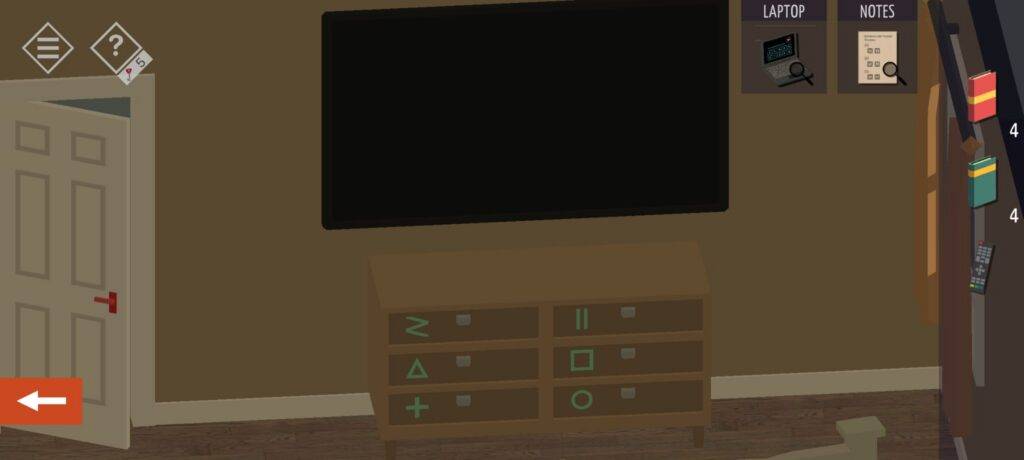
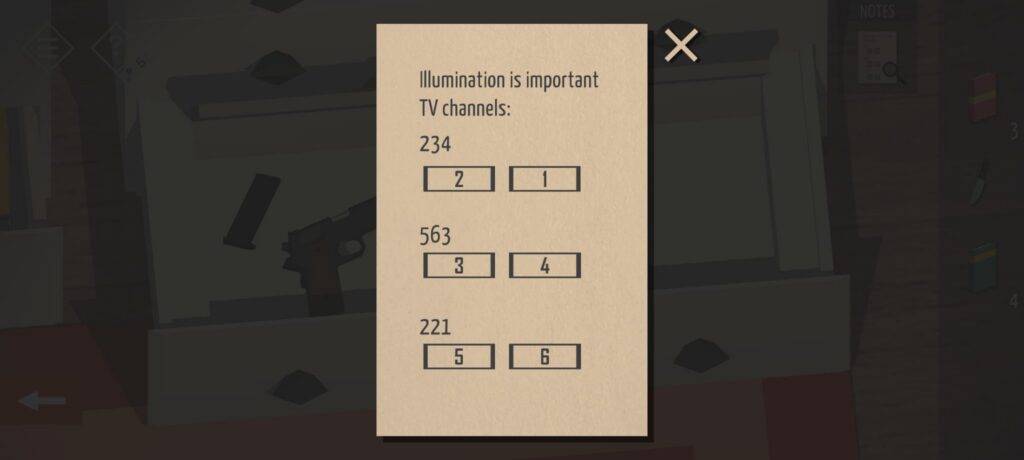
This collection of clues in an unpredictable order is one reason why level design is so important. If users had access to all of the clues all at once for a large game they would be overwhelmed by many clues and it would be much more difficult to determine a linear path forward. These levels require users to “consume” their clues incrementally.
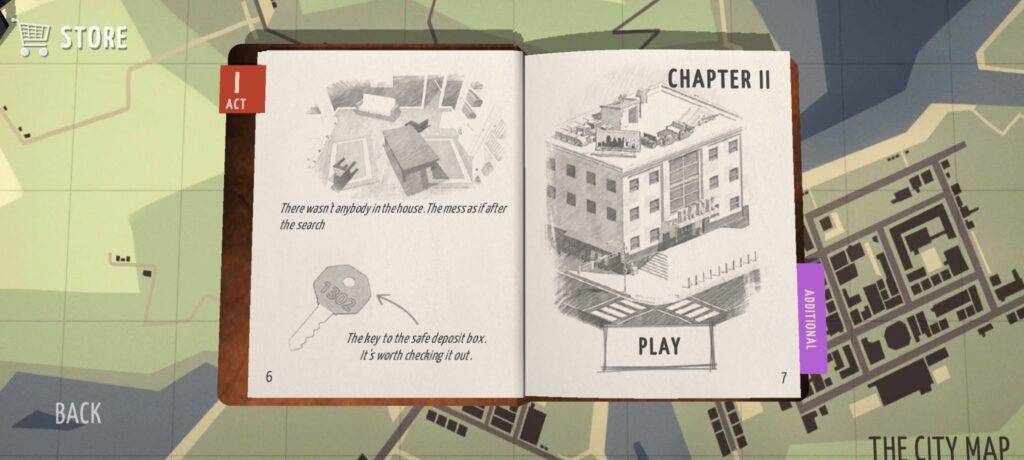
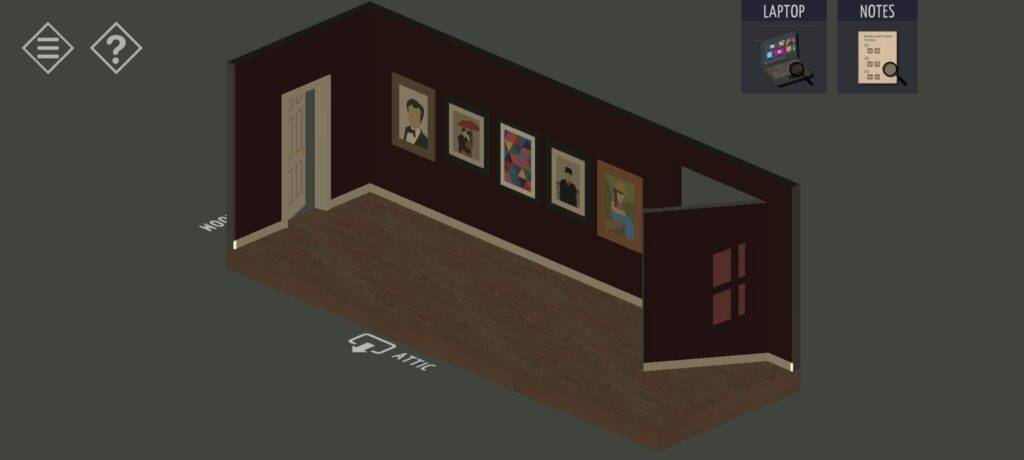
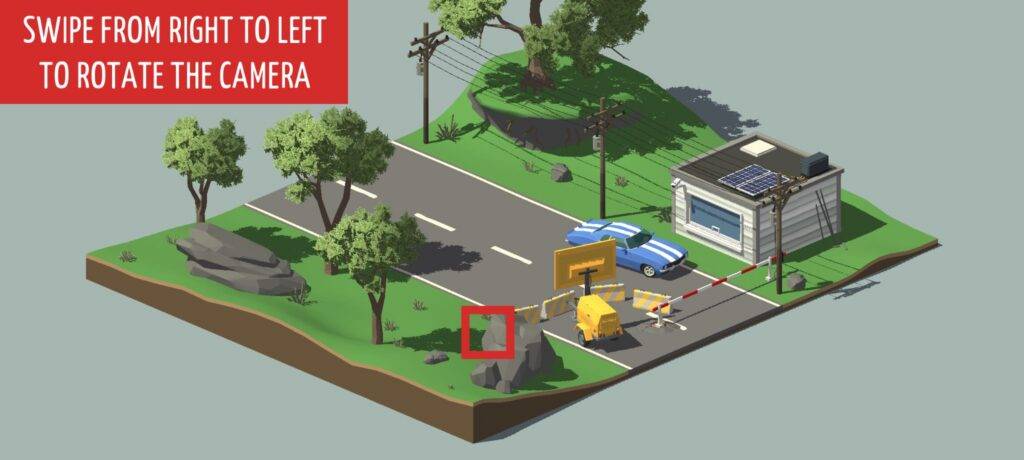
For example in tiny homes, architecture is used to create checkpoints. Elements of architecture from a parking arm to a hidden door provide constraint in the game. Users must first conquer concealment to find a lock box in a drawer. Then they must pass through an obstacle turning dials in to match the dials on the stove to access a crowbar. Then they must engage in exploration to discover that the crowbar can work on the exterior window to gain access to the attic. This pattern continues as they decipher a new puzzle using all their current clues to receive access to a corridor where they must find new clues to solve another puzzle to gain access to the basement.
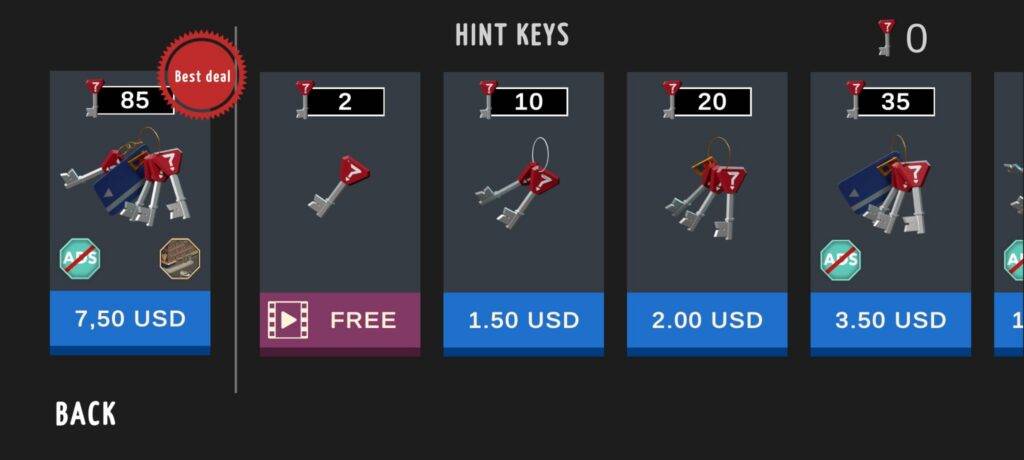
The problem with these mini checkpoints however is that they are seen as opportunities for payment. For each step within the escape room, you have the option to buy “keys” that provide hints. This wouldn’t be a problem if incentives were aligned such that the virtual escape room followed similar patterns to a real life escape room where architecture is used to provide clues such that the player can identify all necessary information without payment.
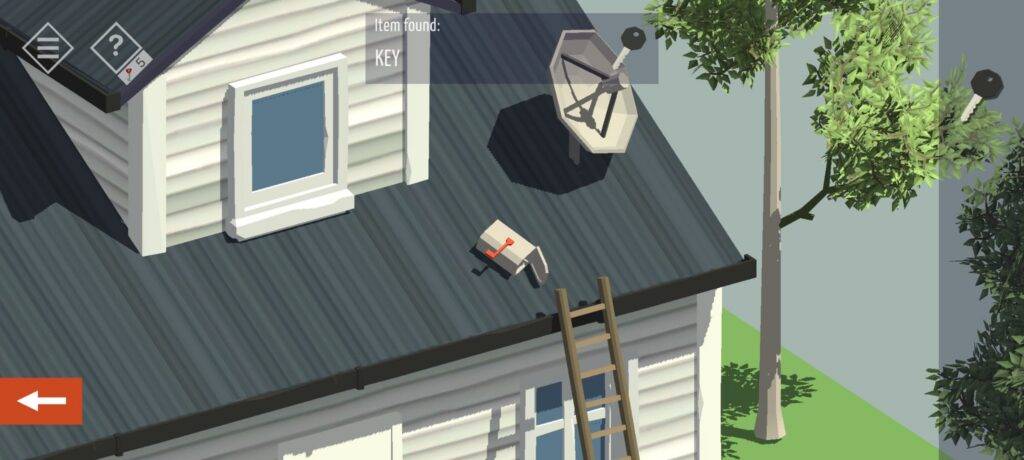
At times Tiny Room does a good job using elements like familiarity so that players look under the keyboard for a password or surrealism such that people know the mailbox on the roof is important. However given the incentive to extract money from players some clues are not provided such that players must rely on purchased hints or luck.

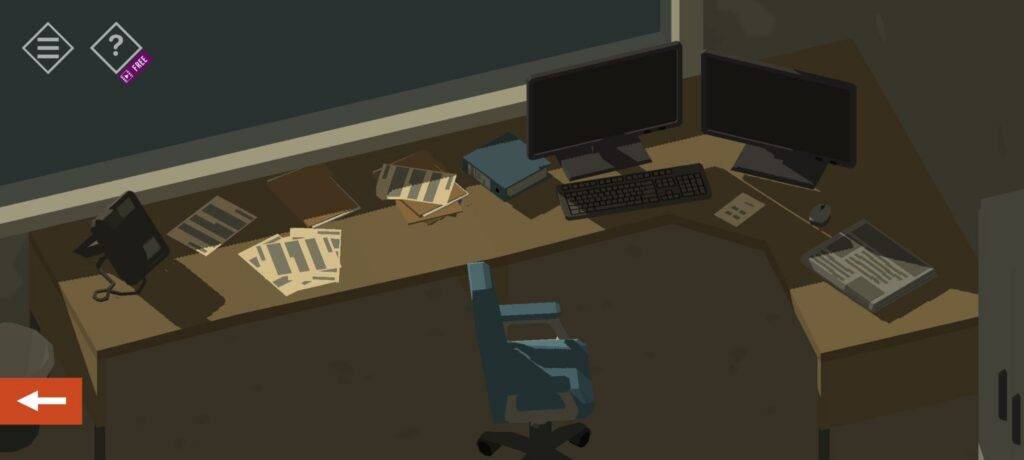
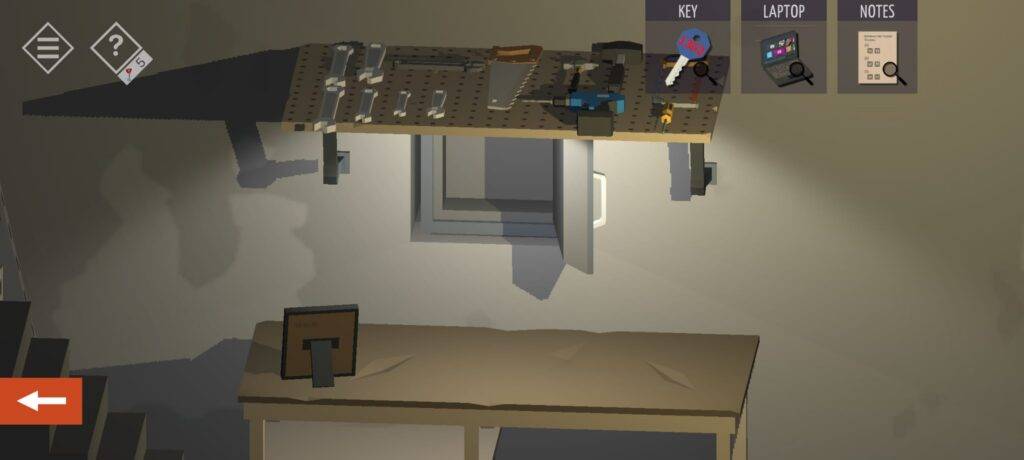
Given the lack of sufficient design to lead to all information, the player is left to touch all the objects in the world to determine if they are of value. For example in order to access the panel behind the workbench a player has to rotate one specific tool among many without any clues. In this example if there was one tool on the workbench that had to be placed on its hook to open the wall, that would be a sufficient clue. This pushes the player to choose between paying to play and relying on a first-order tactic of touching all objects.
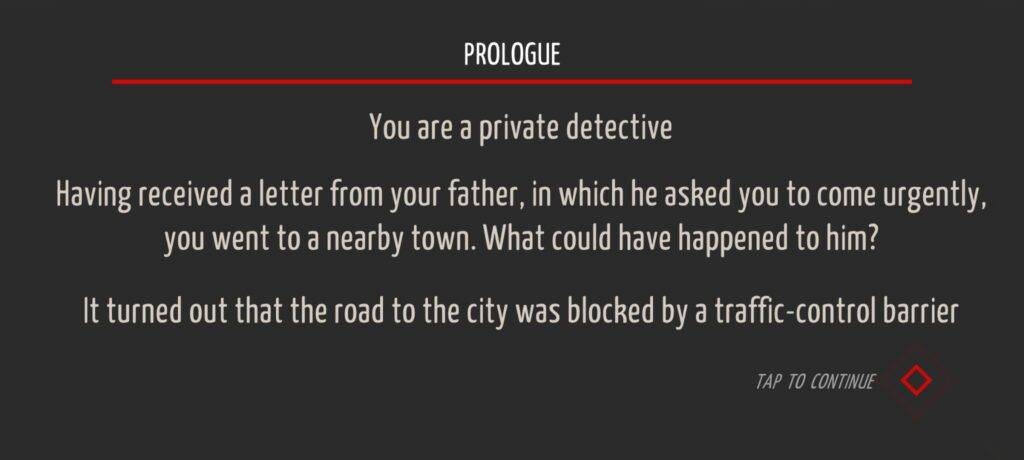
An additional but not strictly necessary element of an escape room is an enacted story. I find escape rooms with engaging plots where you progress from one room to another participating in a larger narrative the most fun. For example, in my favorite escape room experience we escaped from a jail cell before searching for proof of our innocence. Video games have even better affordances to allow this continued action in a variety of places. Sadly, Tiny Room’s story elements felt short and not engaging. I hypothesize that this is in part due to the cost structure where there is no incentive for complex narratives, especially as players are not incentivized to pay for hints while consuming narratives. Instead of providing a page of text, a short real crime like video would be much more engaging and not require more time from the player.
Tiny Rooms provides a more accessible escape room in some ways and a less accessible escape rooms in other ways. The free nature of the game allows more people access it. The virtual nature can also provide great access for wheelchair users or people with other physical disabilities. I personally struggle with standing for prolonged times and physical escape rooms rarely provide chairs for participants. Tiny Rooms was nice in these ways.
However, Tiny Rooms is not accessible to people who rely on screen readers or other assistive technology. In a game that primarily relies on point and click interaction with a virtual world, it would be particularly difficult for the designers to create something accessible to low-vision individuals. The game however, does not rely on sound so it is accessible to deaf or hard of hearing individuals.

While not specific to this game, I discovered what felt like a system wide problem with accessibility that allows developers to submit to app stores without even acknowledging accessibility. I believe that accessibility acknowledgements or descriptions should be a non-optional part of posting to the app publicly.