“One night, hot springs” is an interactive fiction game designed for PC by npckc. The gameplay follows the story of a young transgender woman named Haru as she navigates friendships, identity, and insensitivity in one night at the hot springs. Even as the game’s message focuses on deconstructing normative ideas around gender, its medium reinforces stereotypes about games and aesthetics and, in its detachedness, ultimately undermines its important message.
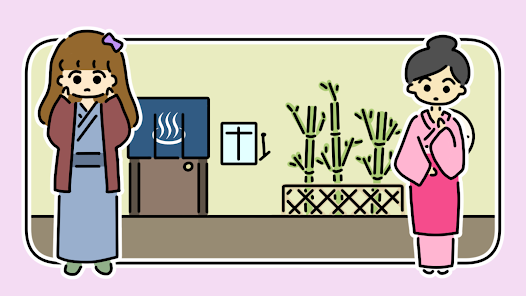
The game presents the experiences, both positive and negative, of a transgender woman in order to provide a relatable and affirming fantasy to transgender people and develop empathy in cisgender people. Critical theories, including feminist theory, encourage us to consider the target audience and the intention behind creative production. I could imagine two intentions behind “one night, hot springs.” For a trans audience, the game could reflect lived experience and act as either a form of exposure therapy to the covert transphobia and triggers that pervade the game and the real world (e.g. the frustration of legal erasure like with Haru’s legal documents as in the first picture below) or a sort of escape from exclusion or fantasy of acceptance (like with the hotel staff who treats Haru respectfully, pictured above). Alternatively, for a cisgender audience the game feels more like a learning experience, aimed at teaching about how to be a good ally (e.g. not using “dead names” as in the second screenshot below) and at inspiring empathy for trans people’s experiences.


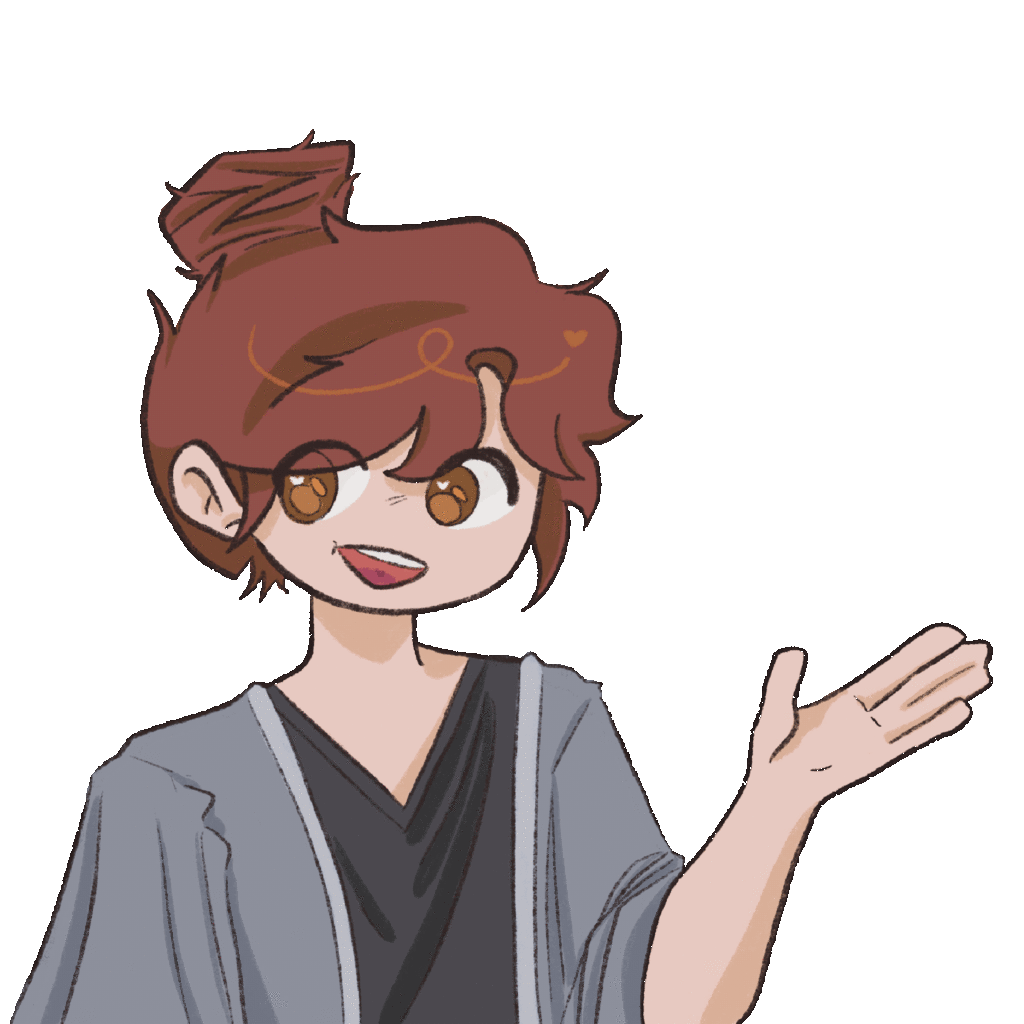
There is a concept in media theory that says “the medium is the message” — that is, the mode of communication fundamentally influences the information that is communicated. In light of both of this game’s previously discussed messages, or intentions, it is interesting that the design of the game feels gender normative; the message of gender expansiveness and inclusivity is misaligned with the gender normative medium. First, the visual design of the game embodies the “lush” aesthetic discussed in lecture with its pink, round visuals as seen in the included pictures, which is very much based on stereotypical associations with femininity and womanhood. Second, insofar as having agency is a defining characteristic of a game, the genre of this game, which I would call interactive fiction, is about the last game-like you can make a game. Because games and gaming are often associated with boys, this choice of genre for a game about three girls strikes me as gendered. These design choices structure the game’s content — that is, they act as the medium for the message and, in my opinion, contradict it.
The genre of interactive fiction also does not promote the game’s goals of fantasy and immersion. The game’s goal to sow empathy or create a fantasy relies on it feeling immersive and personal. Making trivial decisions once every five minutes is neither particularly immersive nor personal. It felt like the characters existed just as a conduit to speak to me, the player, more so than each other (for example, in the comment about “dead names” shown above); however, I think it would have been more effective if the game gave me more agency and immersion in playing through trans experiences and then let my empathy draw out the lessons rather than spelling them out for me. Other genres — AR/VR or anything first person, for instance — would be better suited to this goal. Instead, the interactive fiction felt like one of those anti-bullying courses you take in high school in which they ask you “What should Richard do?” in various situations.
Ultimately, I think the idea of “one night, hot spring” is really cool — games present a really cool opportunity to “experience” (in some capacity) things that we otherwise would not. This is a powerful tool to develop empathy or community or cooperation. But, I think “one night, hot spring” undermines its goal with its genre and design.