Thoughts On The Game
I do not find the game particularly enjoyable as the style and genre of design is not my cup of tea. I did appreciate things about it. The storytelling is thoughtful. But I also found the experience frequently interrupted in ways that felt like design choices working against the player.
The Critical Play
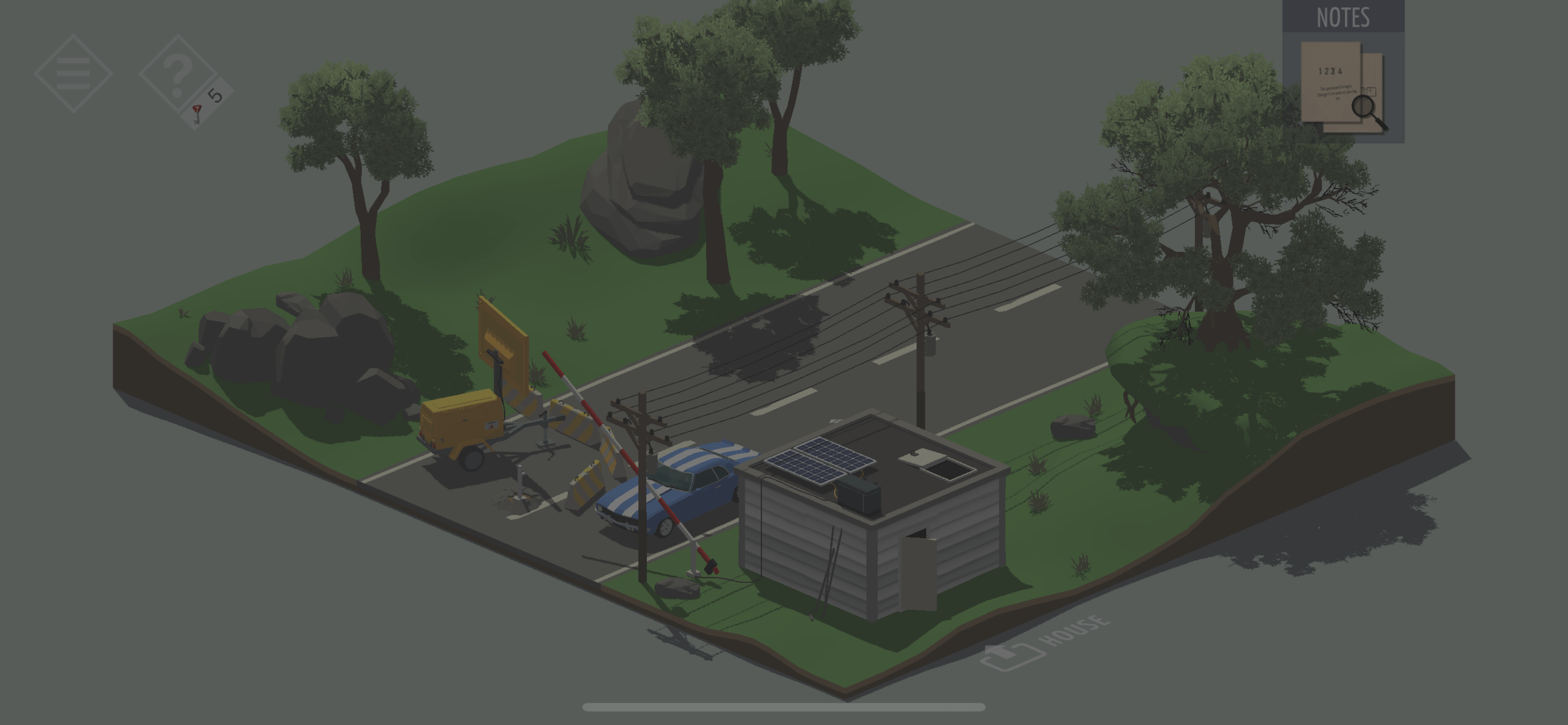
Tiny Room Story: Town Mystery by Kiary Games is a mostly click mystery game in which you return to your father’s small town after he goes missing, moving through different settings ranging from houses, local shops, in order to find answers. You move with the story, and there is no dialogue of cutscenes compared to other games.
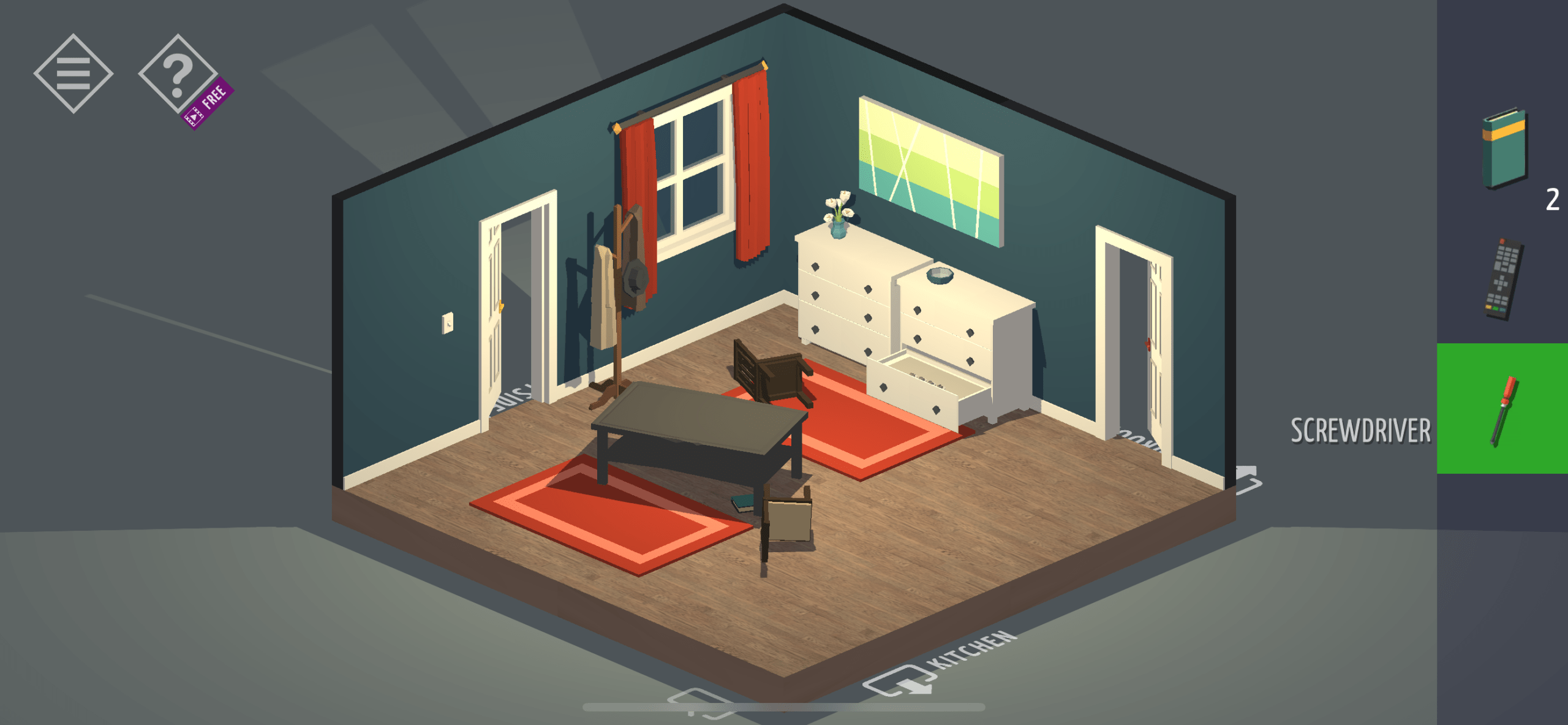
The design itself is of environmental storytelling with much spatial awareness, where the simple controls and stillness of the environments including no audio, allow for that mysterious tone. To speak further on the elements of design there is worldbuilding which includes the history of the town, who lives there, and what happened before you arrived. I do enjoy the simplistic design level including the physical arrangement of rooms such as a chair being on the ground, leading players to believe that something bad must have happened that made the owners dash out. One way the design of the game went against its intention was that it interrupted itself constantly with ads. Several times I was surveying the area and was forced to stop and watch an ad before I could continue. It is a design problem because it keeps players distracted and annoyed. The entire experience of this game depends on the player being immersed in a space, absorbing details, staying curious. The forced ad breaks gets rid of that attention. What I found a bit funny was that the game also embeds social media links, Instagram and Twitter buttons, directly into the interface. This form of promotions takes away from the design of being attentive and quiet to the environment.
This approach to narrative distinguishes the game with others such as Rusty Lake. Those games invest energy on designing elaborate puzzles, that involve precision. Additionally in Tiny Room there is no tutorial which is something I appreciate, as the the simple designs allow for player interaction with the environment (e.g. A locked box suggests a key is nearby). A note suggests reading it. Because the interactions are easy, the storytelling gets the attention.
In regards to accessability, Tiny Room Story is built entirely around tapping small objects, rotating the room with gestures, zooming in and out. For players with limited hand or finger mobility, that mechanic is the whole game, and it creates a significant barrier. The designers do make some effort here by making the controls simple, and there is no complex button mapping or multi-finger input required, and the deliberate pace of the game means you are never rushed. But in my view the simplicity is not enough. A player who cannot use their fingers to navigate a touchscreen with precision is still locked out of the experience entirely, and the game offers no alternative method. The design choice that makes the game feel elegant as you explore by tapping to move inward through the location, is the same choice that makes it unavailable to some players with disabilities.
Tiny Room Story: Town Mystery makes a compelling desmontration for what environmental storytelling can do in a small space. The architecture has enough detail to provide a storytelling, and the moments of discovery are not too difficult and at times enjoyable (albeit I am still not a fan of this genre). But the forced ads undercut the very immersion the design depends on, and is one of the reasons I lost interest in the game.