Playtest #2
Date: 10/18
Player: One (former) screenwriter
Test version:
- The system of the video game version (not all content was implemented)
- Board game version
- Read the complete storyline
Key points
When starting to read the story, the player asked: Are there any supernatural elements? My answer was no. But when the mystery was finally revealed to be Alzheimer’s disease, the player responded: This can also be considered a kind of “supernatural” because it’s hard to make logical inferences.
The player discovered the gender trick of the bakery owner (being male in some memories and female in others), but the direction of their deduction was different from what I expected (my expectation: the bookstore owner’s lover was female – the bookstore owner and the bakery owner were lovers – thus the male bakery owner did not exist in the 24-year-old timeline – this was a story of two timelines; the player’s interpretation: the bookstore owner’s lover was female – the bakery owner was male – the bookstore owner’s lover was someone else).
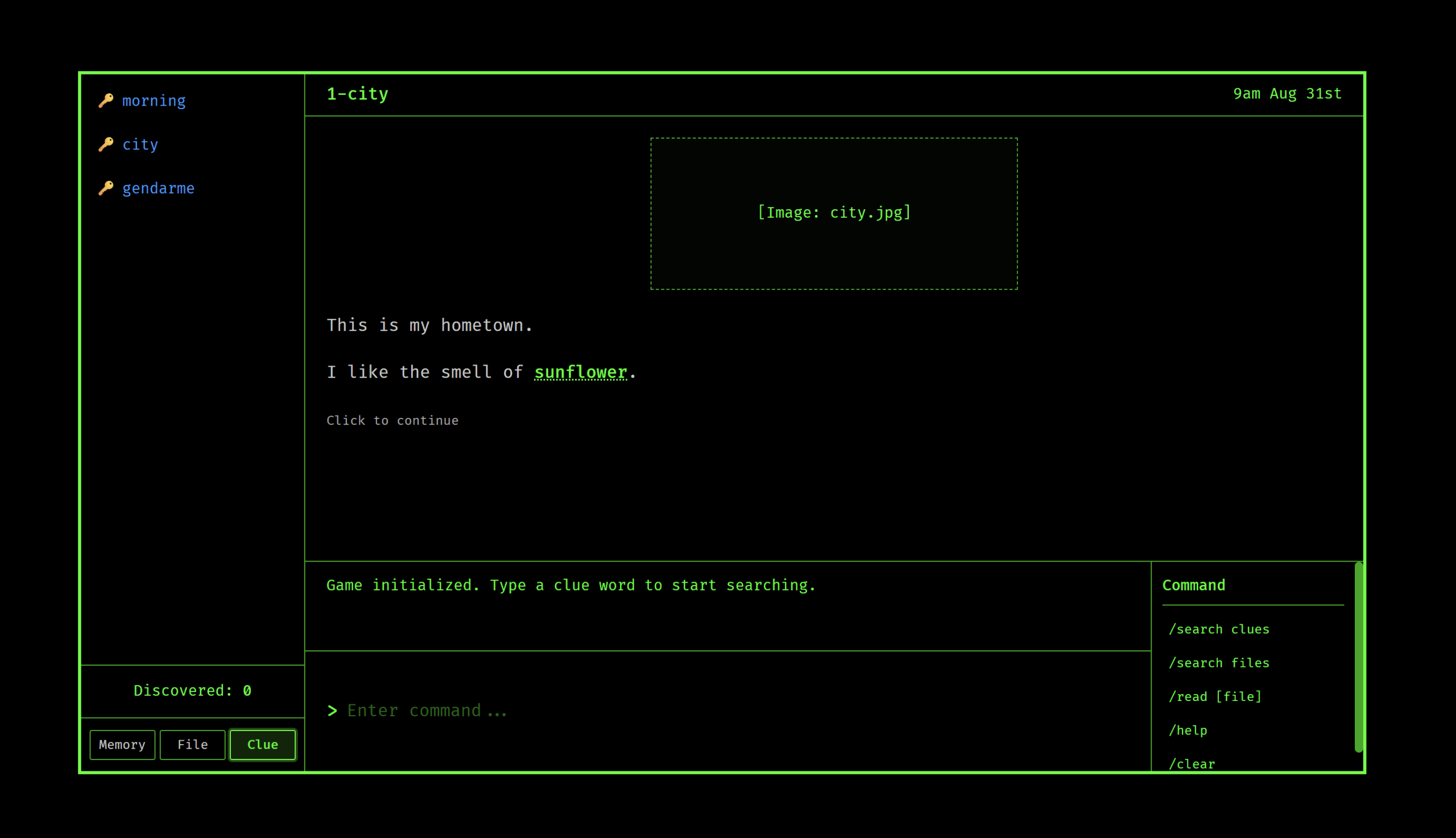
Figure 1: The system of the video game version
Problems
Video Game System
- There are two blinking cursors on the interface, and the player doesn’t know where to input.
- There is no feedback after clicking “clue”.
- After searching for “memory”, the left tab bar doesn’t switch.
Board Game
- At the beginning of the story, it doesn’t feel suspenseful enough.
- There are no guiding questions, and after presenting all the story elements, it’s unclear what to deduce.
- After sorting the clues chronologically, the doubts gradually emerge. However, there are too many doubts, and it’s hard to find a single clue that can connect everything.
- It’s suggested to hint at the start of the game that this is the memory of a bedridden person/patient, implying that these memories are abnormal.
- If players approach it from a rational and logical perspective but encounter elements of “cognitive disorder”, the experience will be affected.
- It’s not recommended to have “implanted memories” as it would undermine the players’ reasoning premise.
- The current clue setup is somewhat random. It’s suggested to set them as items that can trigger memories (such as a teddy bear, pickles, etc., similar to To the Moon), rather than place names.
Advantages
When the true answer was revealed to be Alzheimer’s disease, it felt like a sudden enlightenment.
The playtester liked the romantic ending at the end (in the test, this part was dictated by me), thinking that people will grow old, but love lasts until death is a very good theme. The design of showing through dialogue and memory fragments is very good.
The game produced an empathetic effect. After revealing the answer “Alzheimer’s disease” and the player’s true identity, the playtester was silent for a long time and thought of their own relatives.
Modification
The interaction issues mentioned in the video game version have been revised.
Many problems stem from “logical reasoning”, but this game should focus on narrative and immersion rather than logical reasoning. This is the core difference between this game and puzzle games like Her Story. Reasoning in this game should be a seasoning to increase player engagement, but it should not be too difficult or restrict the player’s progress. Therefore, the clues in this game are directly provided (unlike Her Story where players need to figure them out). When setting up unlock questions later, the questions must be clear and the answers simple (all factual information mentioned in the text, without logical leaps or external knowledge), allowing players to participate without overthinking.
The playtester provided writing techniques for the final empathy section, such as stringing all the clues together as memories of Gregor and Camellia at multiple points in their lives.