Game Info:
Name: Gone Home
Creator/Developer: The Fullbright Company, Annapurna Interactive
Target Audience: Anyone 15+, but definitely geared towards the younger side (think 15-24)
Platform: Originally Windows / Linux, played on iOS.


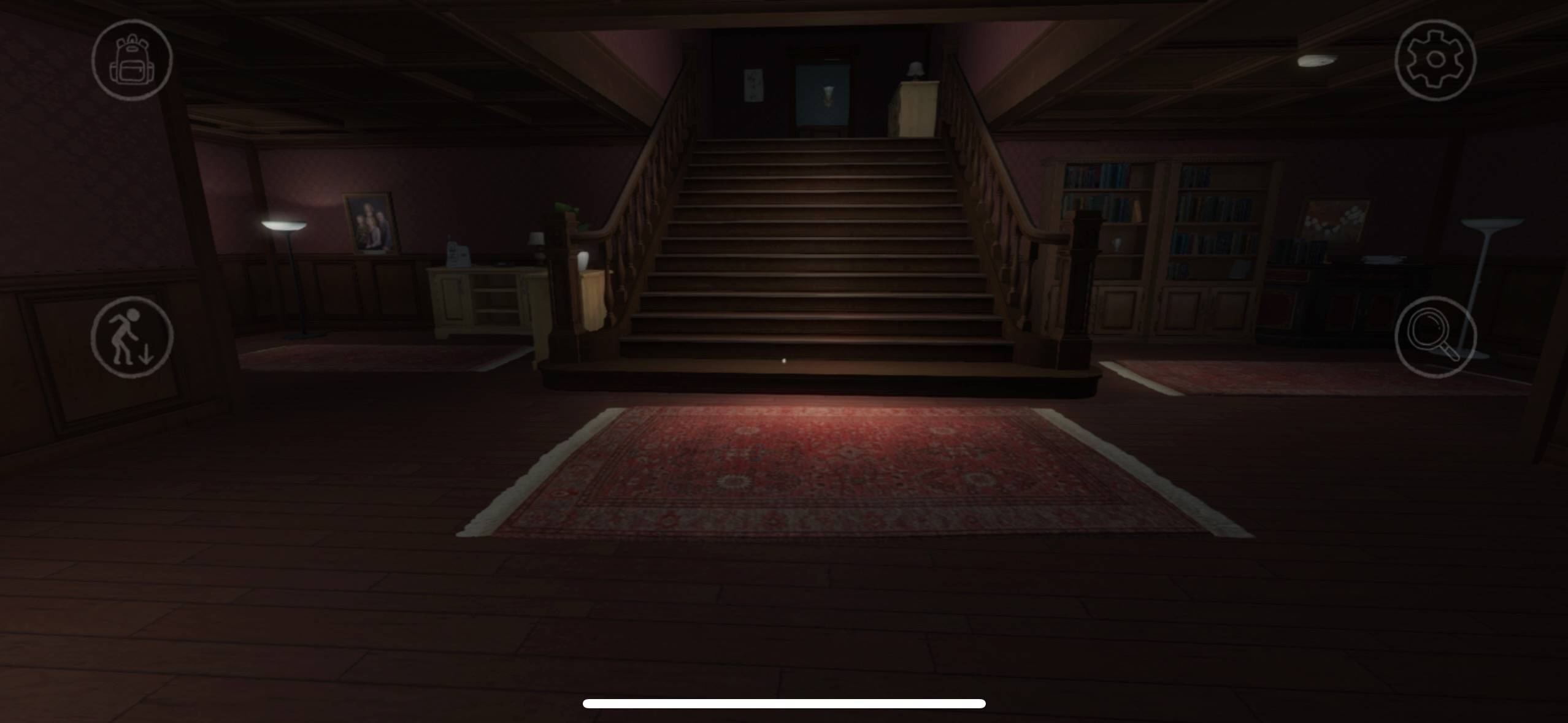

Pictures of my favorite mechanics – walking around and inspecting objects!
First of all, I think this is an interesting question to ask regarding Gone Home because in some sense, the mechanics of the game is the narrative of the story. Gone Home is a “walking sim” where you are placed as a girl who’s returned from college to visit her family’s new home, only to find the family missing. Your job is to look for clues to figure out what exactly happened in the house, and where the family is. This lines up perfectly with what we’ve described as an “embedded narrative” – there’s what happened in the past, and the story of you figuring out what happened in the past.
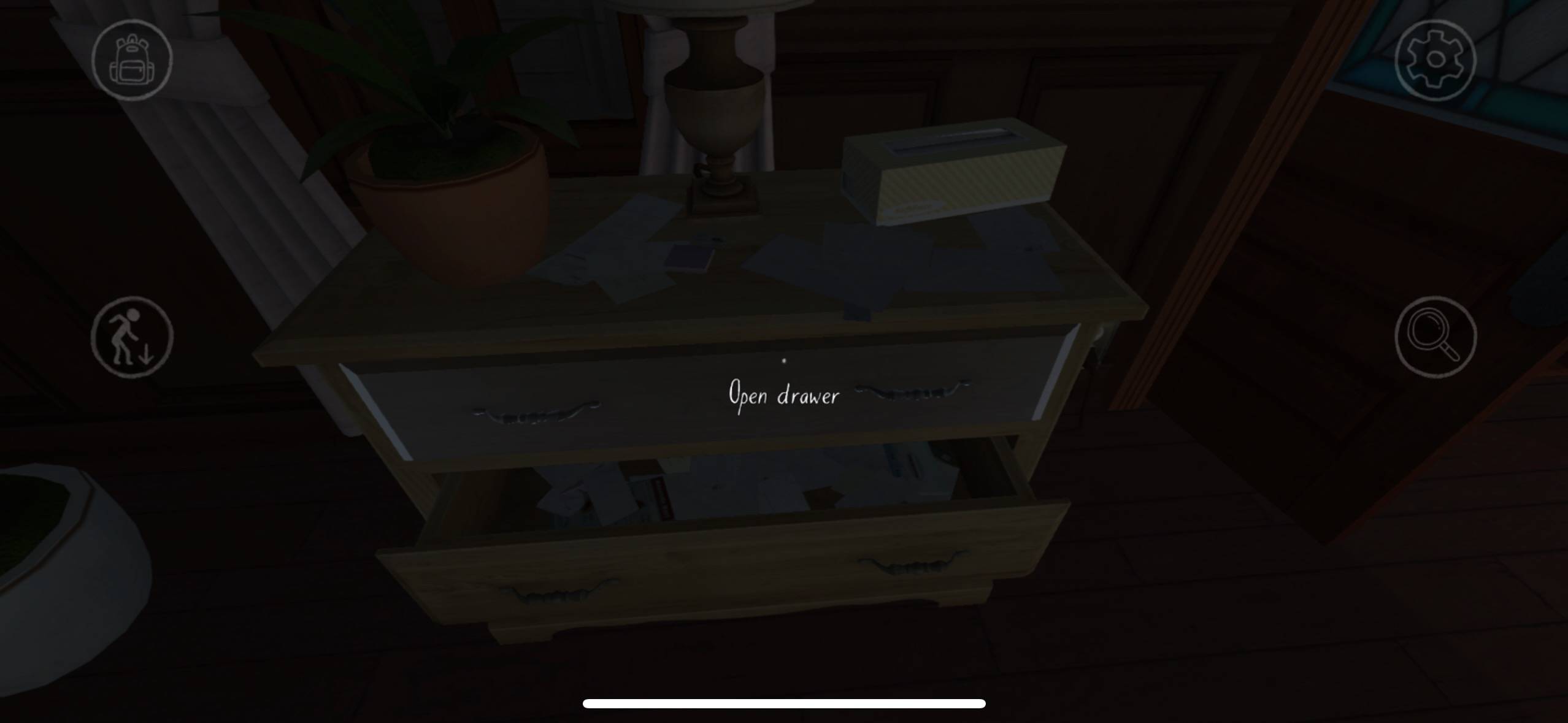
Similar to Journey, which is a previous game developed by Annapurna Interactive that I reviewed last week, this isn’t something that you find out through any backstory given to you beforehand. Everything that I’m saying here is things I figured out through my exploration of the house in the game, which in itself was one of the most creative and novel ways I’ve played a game. Similar to an escape room, your job is to go around the house and look for clues, and the mechanics of the game lend itself incredibly well to this. There’s doors to unlock, drawers to open, notes to read, objects to rotate and inspect, and none of this is given to you up front. You have to do the work of going up to these objects and seeing if there’s something to explore. When thinking about this question then, the game mechanics of exploring this house, through all of the ways I listed above, is the current narrative of the story that the user is playing. There is no set story because the user makes their story in how they piece together the pieces of the mystery. And I think this is just really cool because it really brings about this kind of eerie, Sherlock Holmes-like quality that reminds me of escape rooms in a sense, but this is better because it feels almost more realistic. It seems to me that an escape room almost has you suspend disbelief for a little while to become immersed, but playing it as a video game makes it for some reason less unbelievable – to be honest I can’t really say why but it’s really interesting to me. All in all, this was a great play!
Ethics Question:
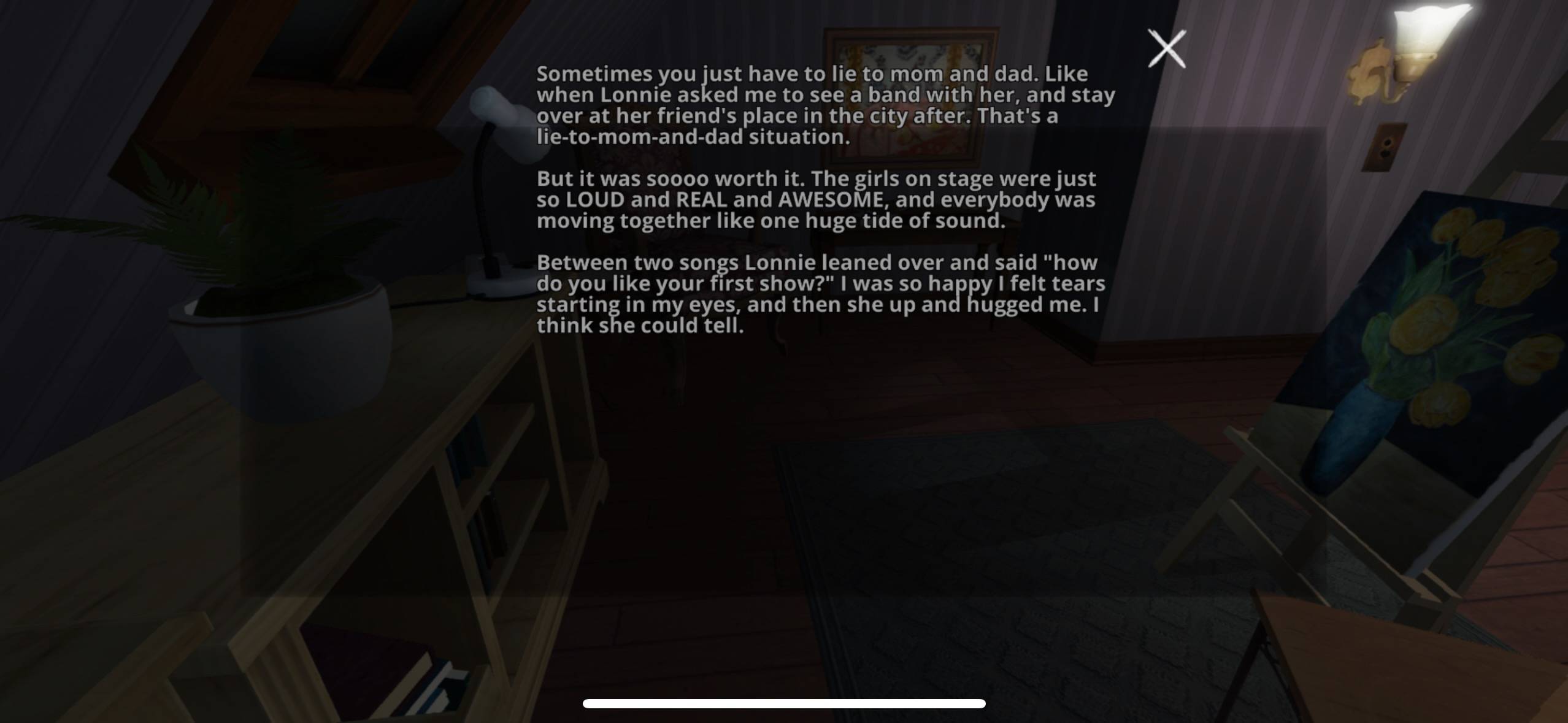
One thing that I did notice is that for BLV users, there are some accessibility features that are included that do make gameplay helpful. A good example of this that I didn’t notice until looking more clearly at the settings is that it is possible to overlay the text for any notebook page / written page. This would be very helpful in terms of allowing a BLV user to use a screen reader to hear what’s on the page. If there’s anything that I think is lacking on this front, it’s that it’s not really possible to hear if someone has reached an interactable object, or even to have that be screenread – at least from my perspective. This is an important, but underappreciated, aspect of designing accessible games for BLV users that is pretty well reported on, and that makes it possible for these users to actually “see” the world that is around them in much the same way as sighted people can, using their audio cues as a guide.

About the author