Skip to content
The Mechanics of Magic

The Mechanics of Magic

Game Design Writings by Students at Stanford taking 247G and 377G

  • Library
    • CS247G Community Game Design Resources
    • Game Design Resources
    • Graphic Design for Game Designers
    • Graphic Design Resources
    • Chapter 11 from Game Balance
  • Read Write Play
    • Hollow Knight: RWP 4 2023
    • Mystic Messenger: RWP 6 2023
    • Undertale: RWP 3 2023
    • What Remains of Edith Finch: RWP 5 2023
    • Catan: RWP1 2023
    • 80 Days: RWP 2 2023
  • 247G Syllabus
    • The Formal Elements of Game Design
    • Design for Play | Week One | Lecture A
    • Design for Play | Week One | Lecture B
    • Design for Play | Week Two | Lecture A
    • Design for Play | Week Two | Lecture B
    • Design for Play | Week Three | Lecture A
    • Design for Play | Week Three | Lecture B
    • Design For Play | Week Four | Section A
    • Design For Play | Week Four | Section B
    • Design for Play | Week Five | Class A
    • Design for Play | Week 5 | Class B
    • Design for Play | Week 6 | Class A (no class)
    • Design for Play | Week 6 | Class B
    • Design for Play | Week 7 | Class A
    • Design for Play | Week 7 | Class B
    • Design for Play | Week 8 | Class A
    • Design for Play | Week 8 | Lecture B
  • Serious Play Study Group Overview
    • Study Group Week by Week Breakdown
      • Formal Elements of Games
      • Final Reflection Essay
    • [Optional Material] What is fun?
    • Project 1: Those Who Play, Teach
      • READING Visual Design of Board Games
      • Pitch Your Teaching Game
      • Sketchnote: Playtesting Boardgames
      • Sketchnote: Erin Hoffman // Wind, Not Sand: Mapping Dynamic Emotion Across a Product Landscape
      • SketchNote: MDAO
      • Critical Play: Write up your game of FLUXX
      • [Optional Material] Playtesting
      • OPTIONAL Board Game Usability
    • P2: The Future We Deserve
      • Critical Play: A Mechanic and a Story to Tell
      • Interactive Fiction: Tiny Playable Prototype
      • Introducing Interactive Fiction
      • Map and Premise
      • Critical Play: Story AND Storytelling games
      • Essay or Sketchnote: Rise of the Video Game Zinesters
      • Sketchnote: Art of game design- Story
      • [Optional Material] Emergence and Progression
      • Essay or Sketchnote: Rise of the Video Game Zinesters
      • Project 2 Reflection Essay
      • Share what you Learned: Writing Excuses Podcast
      • Values at Play & P2 Peer Grading
    • P3: The Game of Unexpected Consequences
      • P3 Concept Doc
      • Playable prototype
      • Working With System Dynamics (mindmap the reading, apply it to your game)
      • Mapping Systems
      • Sketchnote/Response for Rules & Tutorials
      • Project 3 Check-in
      • Project 3 Reflection Essay
    • P4: Refine a game
      • Sketchnote/Response for Playtesting with Strangers
      • Read: Mechanic is the Magic
  • On Sketchnotes
  • Printing at Stanford

Category: ReadWritePlay

How Bastion Makes You a Colonizer

May 1, 2026

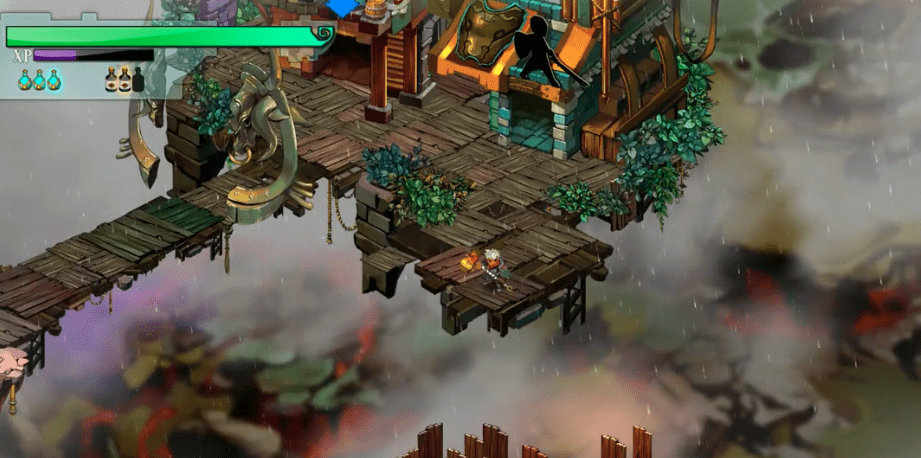
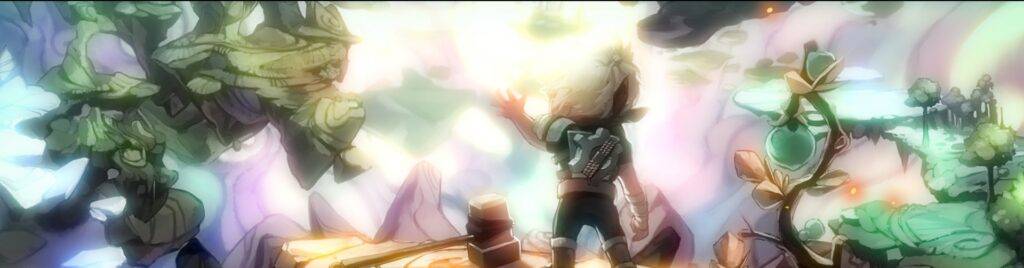
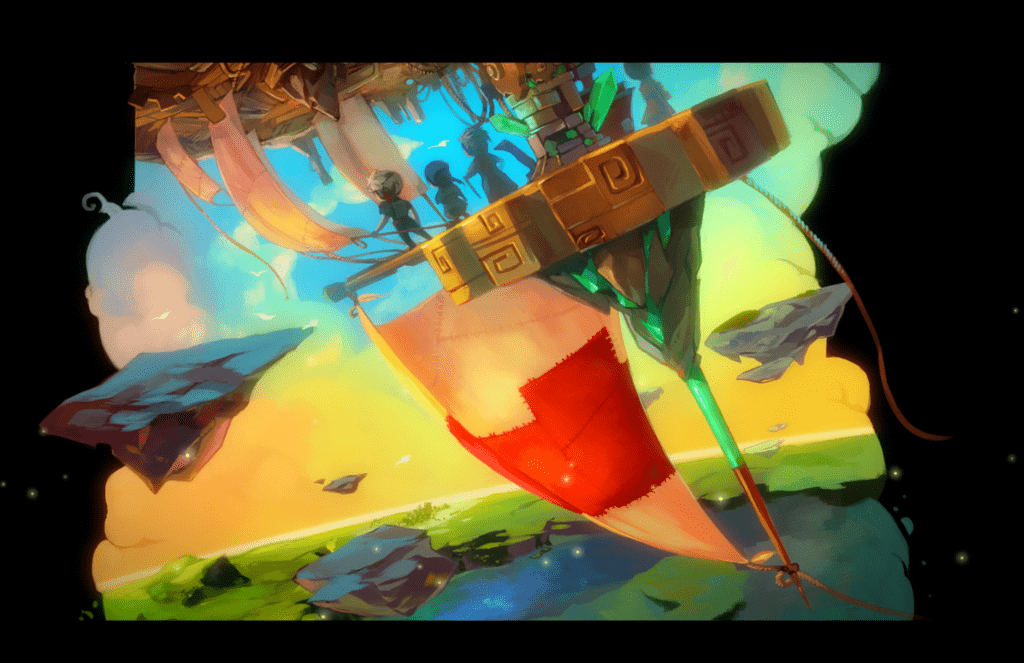
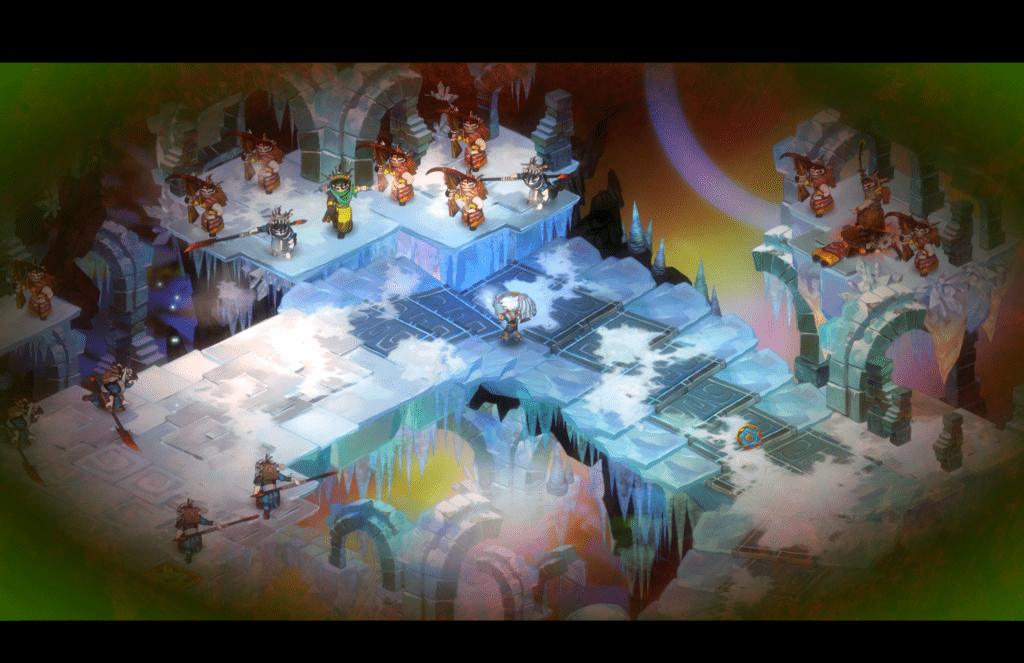
Bastion is a game about rebuilding a broken world. It is also a game about who gets to decide what “fixed” means, and who…

Care, Cores, and Control: When Progress Feels Like Goodness in Bastion

May 1, 2026

From the start of the game, I was given a clear mission: get to the core and return it to the monument. I immediately…

Playing Bastion: Rationalizing Mitchell and Clarkson to Break Down That Ending

May 1, 2026

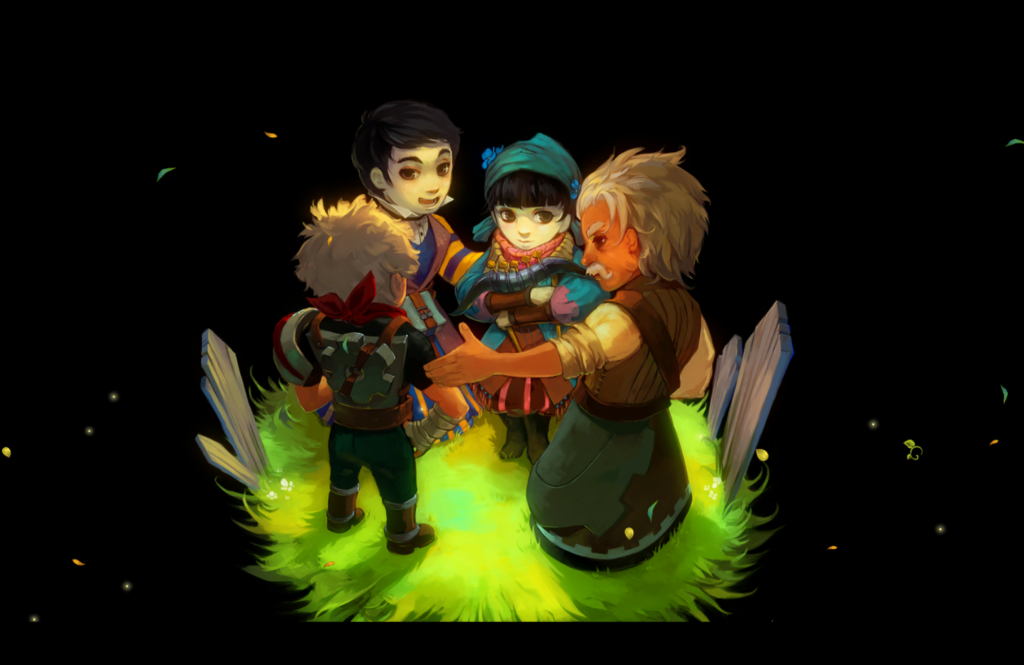
When I first started playing Bastion, I focused on just trying to play well and gather the materials. I was only looking to rebuild…

Choose the path of more resistance in Bastion

May 1, 2026

Bastion presents a nationalist mythology that we must choose to break. To do so, we must renounce the comfortable story being told that paints…

Bastion: celebrating eternity with bloody hands

May 1, 2026

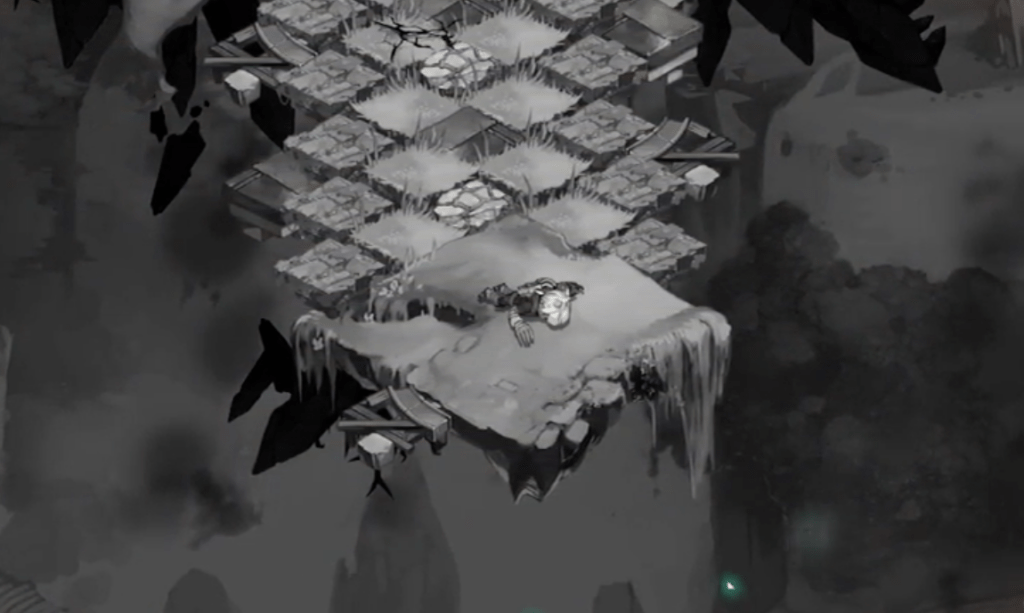
Endings in games like to feel clean. You hit the final choice, you pick the “good” option, and the credits roll over a hopeful…

When Games Force Your Hand: How “Bastion” Fumbles Its Critique of Complicity

May 1, 2026

[Beware spoilers for Bastion.]   In the early 1960s, psychologist Stanley Milgram ran an experiment measuring participants’ willingness to commit violence when encouraged by an…

The Escape Room: How Bastion Weaponizes Your Need to Win

April 30, 2026

To me, Bastion felt like an escape room. As a competitive gamer, my instincts when I took over my keyboard were fully utilitarian: optimize…

The Dangers of Colonial Nostalgia in Bastion

April 30, 2026

The game of Bastion unfolds like a story told by a drunk bard: a bit of memory, myth, and a few pieces left out….

Read, Write, Play: BOKURA: Planet – Krystal Li

April 24, 2026

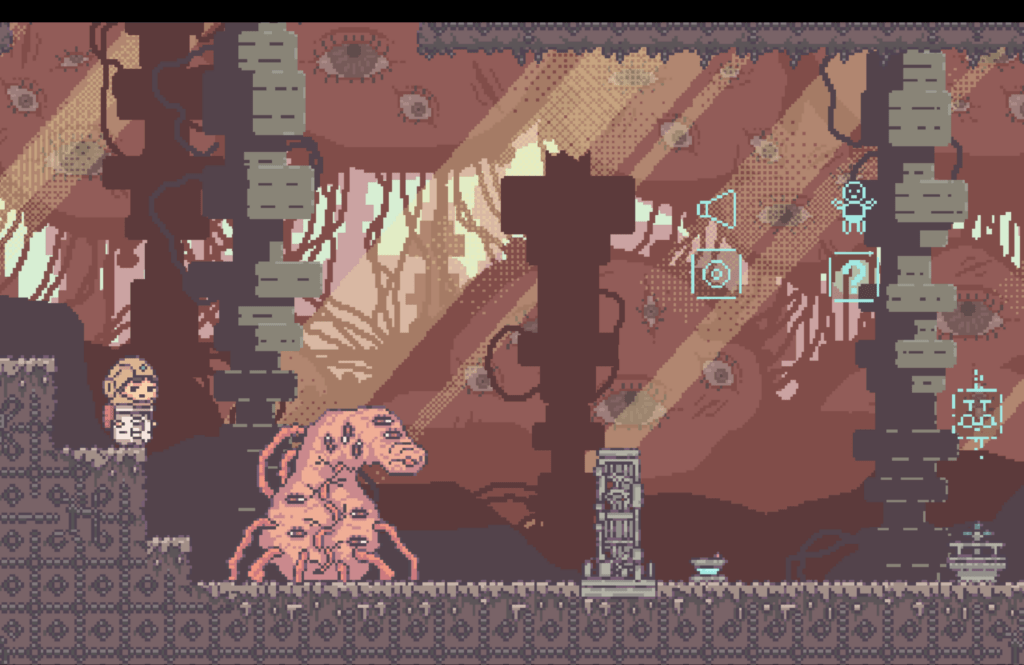
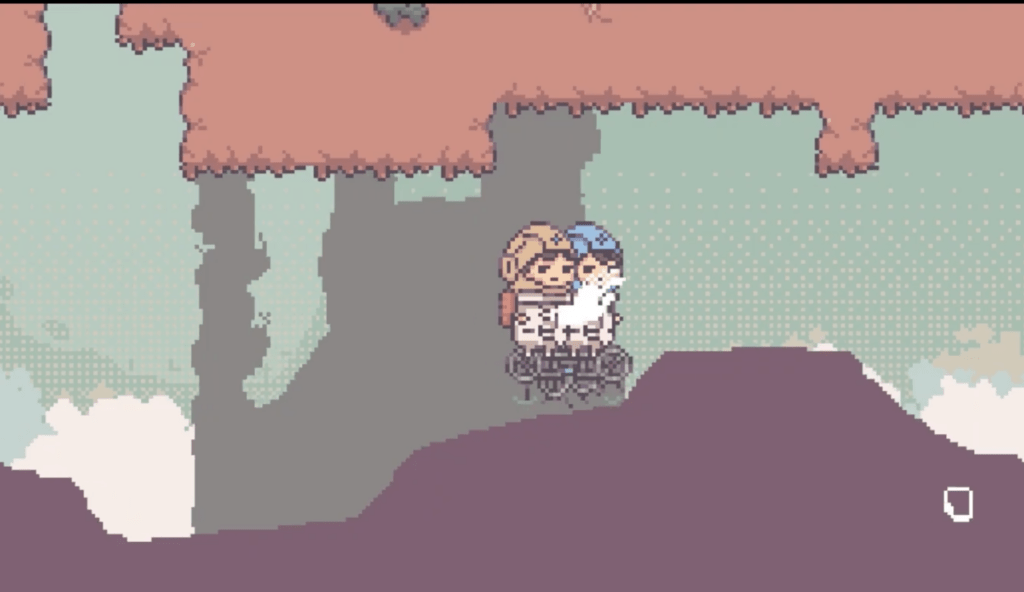
This week, I played BOKURA: planet, a two-player puzzle game made by Tokoronyori. At first, the game seems like a typical co-op platformer where…

Bokura Planet is Not Really About Trust or Bats?

April 24, 2026

Ah, a deep co-op video game about being controlled by a parasite! Obviously, this video game would talk about trust, and the phenomenology of…

Bokura, The Evolution of Trust, and the Bat: Why My Friend and I Kept Killing Each Other

April 24, 2026

The first time, it was an accident. I was testing out the controls and inadvertently managed to shove my buddy off the edge of…

In the Presence of One Another: BOKURA

April 24, 2026

Playing this game felt reminiscent of the two-player games, like FireBoy and WaterGirl, that I remembered enjoying so much as a kid — some…

Bridging the Gap: BOKURA Planet and striving to understand

April 24, 2026

In my first playing of BOKURA: Planet, I knew I was in for a treat when Orange was killed and replaced by a parasitic…

What It Is Like To Be Someone Else

April 24, 2026

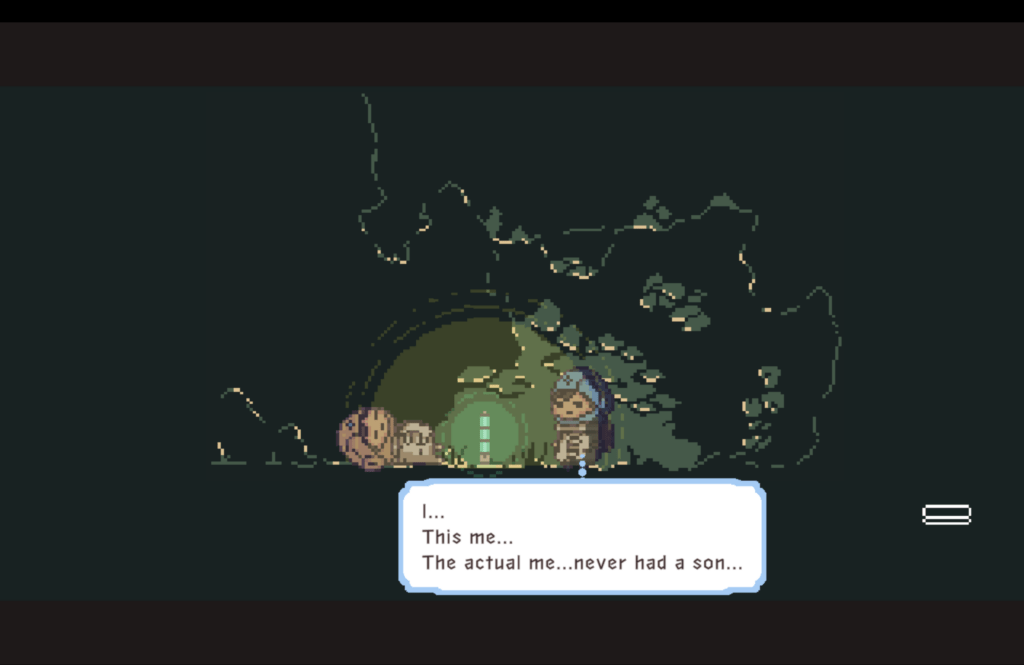
You wake to learn you didn’t have a son. You never had parents. You were a blank slate—alone. An assassin for hire. Your memories…

What BOKURA: planet Teaches Us About Trust

April 24, 2026

[Beware spoilers for BOKURA: planet.] I’m terrible at deception games. I’m bad at lying, and I believe everyone should have access to all relevant…

Take the Leap of Faith (Many Times)

April 24, 2026

It was frustrating to play this game, to say the least. Having to figure out on the fly how to play the game while…

A Game of Schrödinger’s Humanity (RWP)

April 24, 2026

What is it that makes you human? Approached philosophically, there are numerous possible interpretations: maybe it relates to the body, and the physical manifestations…

do you ever truly know a person?

April 24, 2026

Bokura Planet is not just a game about surviving strange worlds. It is a game about what happens when two people have to depend…

Defining “Feeling” With the Aliens of Bokura: Planet

April 23, 2026

Growing up, my brother and I used to sit in front of our console and play games together — simple, familiar games — the…

The Illusion of Choice: How Constraint Gives Meaning to Evil in Slay the Princess

April 18, 2026

Playing Slay the Princess this week was my first introduction to the genre of interactive fiction. It was my first time experiencing a game…

Posts pagination

Previous 1 … 3 4 5 … 12 Next

Welcome to the Stanford HCI Game Design Blog.

Currently this blog holds two formal classes being taught by Christina Wodtke as well as Independent Study Work. In winter of 2022, cs377g was cancelled because of covid-19 uncertainty, and became a study group. You can follow along by looking at the SGSG syllabus and weekly break down.

CS 247G: Design for Play(SYMSYS 195G)

A project-based course that builds on the introduction to design in CS147 by focusing on advanced methods and tools for research, prototyping, and user interface design. Studio based format with intensive coaching and iteration to prepare students for tackling real world design problems. This course takes place entirely in studios; please plan on attending every studio to take this class. The focus of CS247g is an introduction to theory and practice of the design of games. We will make digital and paper games, do rapid iteration and run user research studies appropriate to game design. This class has multiple short projects, allowing us to cover a variety of genres, from narrative to pure strategy. Prerequisites: 147 or equivalent background.

CS 377G: Designing Serious Games

Over the last few years we have seen the rise of "serious games" to promote understanding of complex social and ecological challenges, and to create passion for solving them. This project-based course provides an introduction to game design principals while applying them to games that teach. Run as a hands-on studio class, students will design and prototype games for social change and civic engagement. We will learn the fundamentals of games design via lecture and extensive reading in order to make effective games to explore issues facing society today. The course culminates in an end-of- quarter open house to showcase our games. Prerequisite: CS147 or equivalent. 247G recommended, but not required.
SGSG: Serious Games Study Group

  • Library
    • CS247G Community Game Design Resources
    • Game Design Resources
    • Graphic Design for Game Designers
    • Graphic Design Resources
    • Chapter 11 from Game Balance
  • Read Write Play
    • Hollow Knight: RWP 4 2023
    • Mystic Messenger: RWP 6 2023
    • Undertale: RWP 3 2023
    • What Remains of Edith Finch: RWP 5 2023
    • Catan: RWP1 2023
    • 80 Days: RWP 2 2023
  • 247G Syllabus
    • The Formal Elements of Game Design
    • Design for Play | Week One | Lecture A
    • Design for Play | Week One | Lecture B
    • Design for Play | Week Two | Lecture A
    • Design for Play | Week Two | Lecture B
    • Design for Play | Week Three | Lecture A
    • Design for Play | Week Three | Lecture B
    • Design For Play | Week Four | Section A
    • Design For Play | Week Four | Section B
    • Design for Play | Week Five | Class A
    • Design for Play | Week 5 | Class B
    • Design for Play | Week 6 | Class A (no class)
    • Design for Play | Week 6 | Class B
    • Design for Play | Week 7 | Class A
    • Design for Play | Week 7 | Class B
    • Design for Play | Week 8 | Class A
    • Design for Play | Week 8 | Lecture B
  • Serious Play Study Group Overview
    • Study Group Week by Week Breakdown
      • Formal Elements of Games
      • Final Reflection Essay
    • [Optional Material] What is fun?
    • Project 1: Those Who Play, Teach
      • READING Visual Design of Board Games
      • Pitch Your Teaching Game
      • Sketchnote: Playtesting Boardgames
      • Sketchnote: Erin Hoffman // Wind, Not Sand: Mapping Dynamic Emotion Across a Product Landscape
      • SketchNote: MDAO
      • Critical Play: Write up your game of FLUXX
      • [Optional Material] Playtesting
      • OPTIONAL Board Game Usability
    • P2: The Future We Deserve
      • Critical Play: A Mechanic and a Story to Tell
      • Interactive Fiction: Tiny Playable Prototype
      • Introducing Interactive Fiction
      • Map and Premise
      • Critical Play: Story AND Storytelling games
      • Essay or Sketchnote: Rise of the Video Game Zinesters
      • Sketchnote: Art of game design- Story
      • [Optional Material] Emergence and Progression
      • Essay or Sketchnote: Rise of the Video Game Zinesters
      • Project 2 Reflection Essay
      • Share what you Learned: Writing Excuses Podcast
      • Values at Play & P2 Peer Grading
    • P3: The Game of Unexpected Consequences
      • P3 Concept Doc
      • Playable prototype
      • Working With System Dynamics (mindmap the reading, apply it to your game)
      • Mapping Systems
      • Sketchnote/Response for Rules & Tutorials
      • Project 3 Check-in
      • Project 3 Reflection Essay
    • P4: Refine a game
      • Sketchnote/Response for Playtesting with Strangers
      • Read: Mechanic is the Magic
  • On Sketchnotes
  • Printing at Stanford

Archives

  • July 2026
  • June 2026
  • May 2026
  • April 2026
  • March 2026
  • December 2025
  • November 2025
  • October 2025
  • September 2025
  • June 2025
  • May 2025
  • April 2025
  • February 2025
  • December 2024
  • November 2024
  • October 2024
  • September 2024
  • June 2024
  • May 2024
  • April 2024
  • December 2023
  • November 2023
  • October 2023
  • September 2023
  • August 2023
  • June 2023
  • May 2023
  • April 2023
  • March 2023
  • February 2023
  • January 2023
  • December 2022
  • September 2022
  • August 2022
  • July 2022
  • June 2022
  • May 2022
  • April 2022
  • March 2022
  • February 2022
  • January 2022
  • June 2021
  • May 2021
  • April 2021
  • September 2020
  • February 2017

Recent Posts

  • Puzzles in games/as games sketchnotes
  • Sketchnote: Arcs and Loops
  • Sketchnote | Puzzles in Games, Puzzles as Games – Yunming Huang
  • Critical Play: Worldbuilding – Willow Azevedo
  • Critical Play – Worldbuilding

Recent Comments

  • Aksel Kolasinski on Aksel – P2 – Individual Deliverable
  • realgass on Aksel – P2 – Individual Deliverable
  • jasonzz on Mooney Ranch
  • Sizhe Wu on Introduce Yourself – Carl
  • Christina Wodtke on Short Exercise: Learning to Play closely

Categories

  • P2: The Empathy Machine
  • Featured
  • Project One
  • milestone
  • P2: The Future We Deserve
  • mindmap
  • P1: Social Games
  • CS247G
  • Assignments
  • P1: those who play, teach
  • Lectures
  • P2: Games In Space
  • Critical Play
  • P3: The Game of Unexpected Consequences
  • Project Two
  • Project Four REFINE
  • P4: Refine a Game
  • Sketchnotes
  • Project Two: The Future We Deserve
  • From the Instructor
  • Project Three: The Game of Unexpected Consequences
  • ReadWritePlay
  • 377G: Serious Games
  • SGSG

Meta

  • Register
  • Log in
  • Entries feed
  • Comments feed
  • WordPress.org

Meta

  • Register
  • Log in
  • Entries feed
  • Comments feed
  • WordPress.org
Copyright The Mechanics of Magic. All rights reserved. | Theme by SuperbThemes