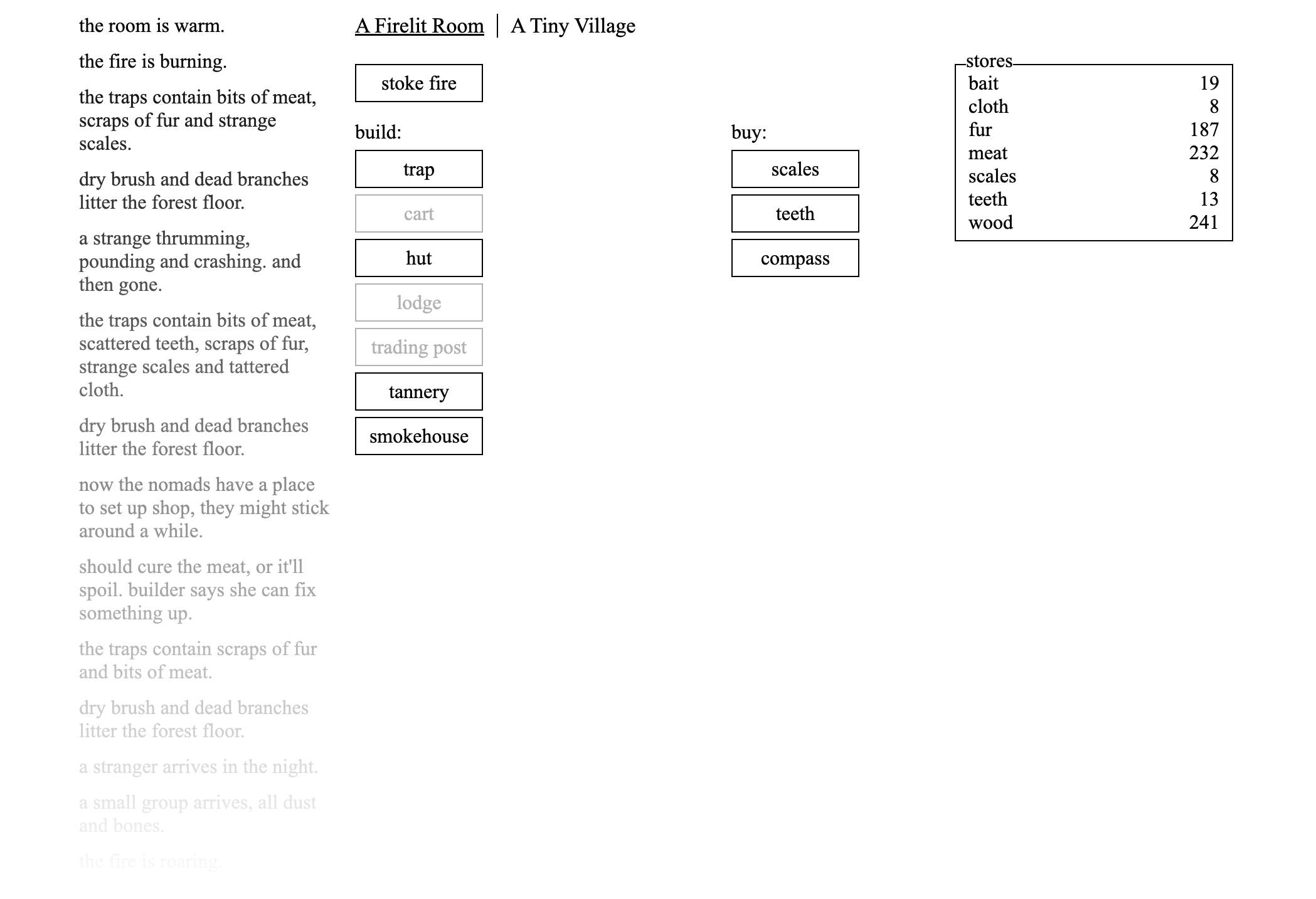
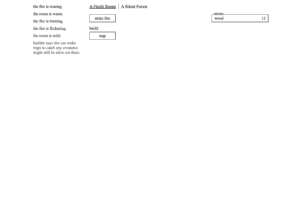
The beginning of the game offers a minimal initial surrounding. It introduces gender by mentioning a woman who is a builder: “builder says she can make traps…”. This deviates from genre stereotypes of men in wilderness roles, but potentially still subscribes to the common depiction of women building and collecting while men use direct combat for hunting. This is done through indirect characterization, in contrast to direct characterization, as the traits are implied.
Later, the builder shares that she can construct a cart, still subscribing to the same paradigm. The challenge of choosing a singular gender for the character is that creates a monolithic impression within the game. There are no arrangements with some men in certain roles and some women in others. This is of course challenging when there is only one character to choose. However, there are plenty of supporting characters who do not have names or consistent gender, aside from the builder. This makes the game feel empty and relegates it to being a strict person vs nature game when collaborators or antagonists could have a broader role.
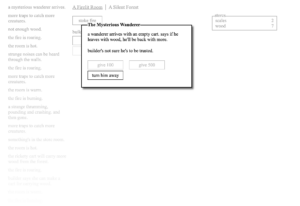
Figure 2: Introduction of mysterious wanderer
In the future, a mysterious wanderer appears. This wanderer is first a man, and the player is told that the builder is unsure of his trustworthiness. In the future, more wanderers appear, identical in offer and appearance; however, they shift in gender apparently at random between man and woman. Thus, the randomness does allow the game to break from stereotype, but also prevents the game from meningfully deviating from stereotypes. The random assignment thus makes these characteristics meaningless altogether.
This prevents any continuity between wanderers, as the gender changes at random and no first names are assigned. The exact messages are shown in the game code:
#: ../../script/events/room.js:269

msgid ""

"a wanderer arrives with an empty cart. says if he leaves with wood, he'll be "

"back with more."
msgid ""
"a wanderer arrives with an empty cart. says if he leaves with wood, he'll be "
"back with more."
#: ../../script/events/room.js:348

msgid ""

"a wanderer arrives with an empty cart. says if she leaves with furs, she'll "

"be back with more."
Source: https://github.com/doublespeakgames/adarkroom/blob/1fada4620b6c…
Later, the builder shares that there are more wanderers and “they” will help too. Thus, the player is prompted to build a hut. Here, the referenced wanderers are vague. The player is told that a “weathered family” stays in the hut. The game lacks a connection to the outside world or to real experiences. The player is left passively pushing buttons to collect resources without significant emotional investment in the game.
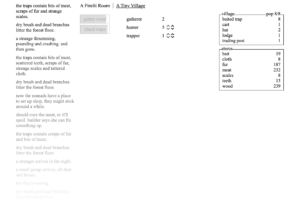
Figure 3: Resources and action options depleted