

Before CS247G, I didn’t really think about games—or at least not in the right way. I thought about whether I enjoyed a game, whether it was fun, and how good I was at it. The pattern here is that I thought about how I felt rather than thinking about the game itself. If someone asked me why I liked a particular game, the best I could offer was something vague like “you get really into it” or “I don’t know, it’s just fun.” I had no framework for understanding why certain experiences resonated with me and others fell flat.
This class taught me what game design is in a technical sense. I learned how to play like a game designer, and my eyes were opened to the invisible architecture of the game world. It felt like uncovering something that had always been right in front of my face. Concepts like feedback loops, the relationship between mechanics and dynamics, and the importance of player agency gave me a language I never had before. Most importantly, this class gave me the power to articulate my likes and dislikes. Rather than saying “that wasn’t fun,” I can now point to specific mechanics that impaired my experience and suggest concrete improvements to address those shortcomings.
The weekly critical plays were particularly formative in building that skill. While lectures taught me to see design decisions, the critical plays taught me to truly analyze what I was noticing. I learned how to build arguments about why something worked or didn’t—not just identifying a feeling, but tracing it back to a specific design choice and explaining the connection. I can also see that my critiques evolved over the quarter as I developed a sharper vocabulary and a more discerning eye. My earlier critical plays read more like reviews, while my later ones feel like genuine design analyses.
The hardest part for me, at first, were the sketchnotes. I am not an artist but I am a perfectionist—perhaps the worst combination for this kind of assignment. I wanted everything to look polished and would spend far too much energy trying to make it so. I would redraw things multiple times, agonize over layouts, and lose sight of the actual purpose of the exercise. Eventually, I realized I could still produce strong, communicative designs without making everything look perfect. Once I internalized this lesson, I felt significantly less stress. And ironically, my work improved because I was focused on ideas rather than aesthetics.
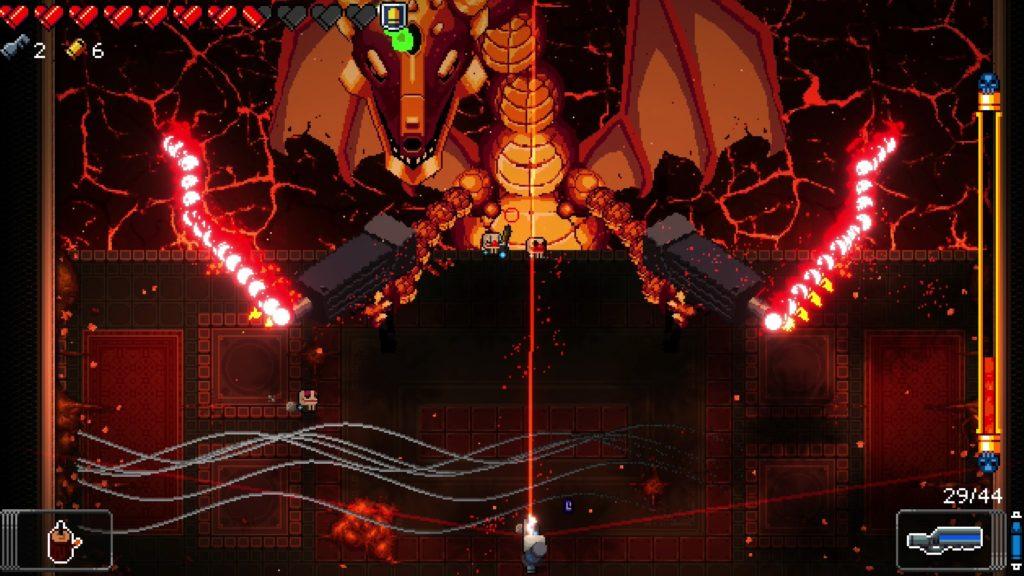
Looking back, this class shifted my relationship with games from passive consumer to active analyst. I do more than just play games—I can now read them. I notice when a tutorial is quietly teaching me through level design rather than text boxes. These observations happen almost automatically now, which tells me the way I engage with games has fundamentally changed.
If I keep working on games, I want to incorporate more need-finding into my process. This course focused on how to make a good game, but we didn’t deeply investigate the question of what kind of game people actually want. Next time, I’d like to pair the design skills I’ve built here with more user research upfront to understand player desires before committing to a direction.


“Eventually, I realized I could still produce strong, communicative designs without making everything look perfect. Once I internalized this lesson, I felt significantly less stress. And ironically, my work improved because I was focused on ideas rather than aesthetics.”
This lesson will prove useful in your future! Thanks for the thoughtful reflection. Need finding is tricky with games, I’ve seen a lot of research on it and it still seems like a mystery of why somepeople find some things fun. Let me know if you find answers!