Why Poker’s Agency Makes it Even More Dangerous
Game: Texas Hold’em on Poker Now
Platform: Browser based
Target Audience: adults playing cash games or tournaments with friends
In general, poker gets defended as a “game of skill” so often that the defense itself starts to feel like part of the trap. After a session of Texas Hold’em on PokerNow with friends, I’d say poker is more addictive than slots, blackjack, or roulette precisely because it layers real skill on top of real chance. The skill component gives players a story that explains away losses and credits wins to themselves, while the chance component provides the intermittent same reward schedule that makes a slot machine or blackjack so compulsive. PokerNow’s interface design also strips away any other frictions that might help people break away and cut their losses.
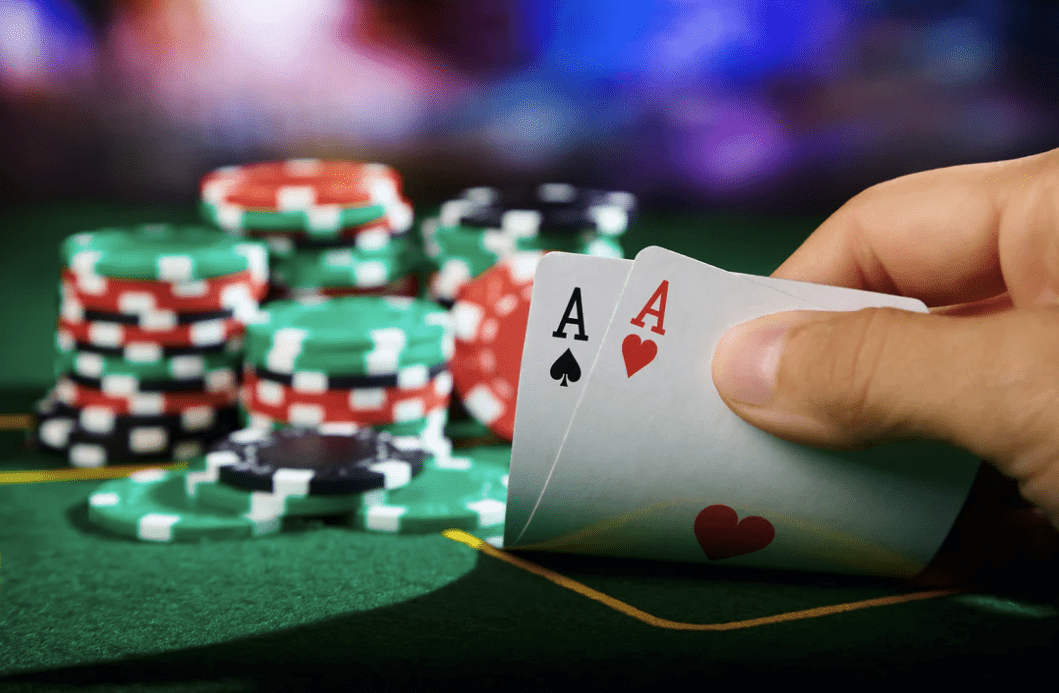
One of the core mechanics that makes the game so fun and addicting is the all-in-shove on what oftentimes is basically a coin flip. In one round I held AK against a friend’s pocket nines, classic race, basically 50-50. Shoving felt like a decision, the product of pot odds, position, and reading his timing. But once the chips were in, I was watching the turn and river the same way someone watches reels spin. The simple mechanics of betting, folding, raising, and calling generates a dynamic where players exercise genuine strategic agency right up until the moment of resolution when the dynamic collapses into pure random output. It’s an interesting mix of challenge and submission. The entire game is skill handing off to chance at the exact moment where the outcome matters. I think the player’s brain credits much of the sequence to the skill phase. THis is where it might actually get worse than slots. Schüll described how slot designers engineer “illusions of control” through stop buttons and bonus minigames. Poker doesn’t need any of that though. The skill is real, which makes the illusion that you control the outcome harder to shake.
Another interesting mechanic is repeated play against the same opponents, which is where poker’s social layer reveals itself. Over a long session, you start to see patterns. One of my friends who everyone jokes is “just lucky,” seemingly gets lucky so consistently that people sometimes fold to her hands where the math might say call. We were making mathematically incorrect decisions because we had imported a personality traid into our probability model. The table-talk of luck as her identity and who’s “running hot” / “who’s running cold” created an aesthetic of fellowship and even narrative for the entire session.
I also think PokerNow’s interface compounds some of the issues with the game with frictionless commitment. Hands fly by, maybe three or four times faster than a live table. The chips aren’y actually stacks that you have to physically push forward, they’re just a number on your screen, so going all in is just a single click. When I lost my entire buy-in at one point, I honestly didn’t feel the full loss of it like I do in person when you have to hand your opponent every single one of your chips.

The strongest design choice of poker isits input randomness. Cards are dealt randomly, but then players make decisions. This feels a lot more fun to me than output randomness from games like slots or roulette, where the wheel decides everything and the player just watches. Even Blackjack sits somewhere in the middle with basic strategy and optimal decisions, but lots of luck. I think poker’s input randomness creates teh skill ceiling that makes the game an art that so many people study. The problem is that this same structure produces a more durable illusion of control than blackjack or roulette ever could. A roulette player knows they’re guessing and most blackjack players know the house has a roughly 1-2% edge. But a poker player, especially a beginner who wins early through variance, has no clean way to separate luck from skill in their own results without thousands of hands of sample size. And spoiler alert: most players don’t get there before they go broke….
An improvement that could really change the game for online poker would be to show variance data alongside your chip counts. Instead of just showing “you’re up $40,” it could say “you’re up $40 against an expected loss of $15, so you’re running x number of standard deviations hot.” This changes the dynamic by interrupting the skill attribution story in real time. The aesthetic could shift from pure Challenge toward something closer to Discovery, where the player is invited to investigate their own results honestly. It doesn’t kill the game. Serious players already think this way, and this just denies recreational players the comfortable lie. At the same time this would carry some risk of people just betting big and heavy when they are “running cold” and think they’re “due” for a big hand. Every design choice in a game like poker needs to be made sensitively and thoughtfully.
Overall, I think randomness in games is morally permissible, but designers who layer skill on top of randomness carry an extra burden. The skill layer is what lets players tell themselves the lie that this isn’t really gambling. Poker, blackjack, and roulette all use chance, but poker is the one where players walk away from a losing session convinced they would have won if not for one bad beat. That’s the addiction vector. The 50-50 all-in is functionally a slot pull dressed up in agency. Platforms running real-money poker have a responsibility to make variance legible, to enforce loss limits players opt into when sober, and to surface help resources without making them feel punitive. Chance is fine, but hiding it behind skill is where real harm can be done.