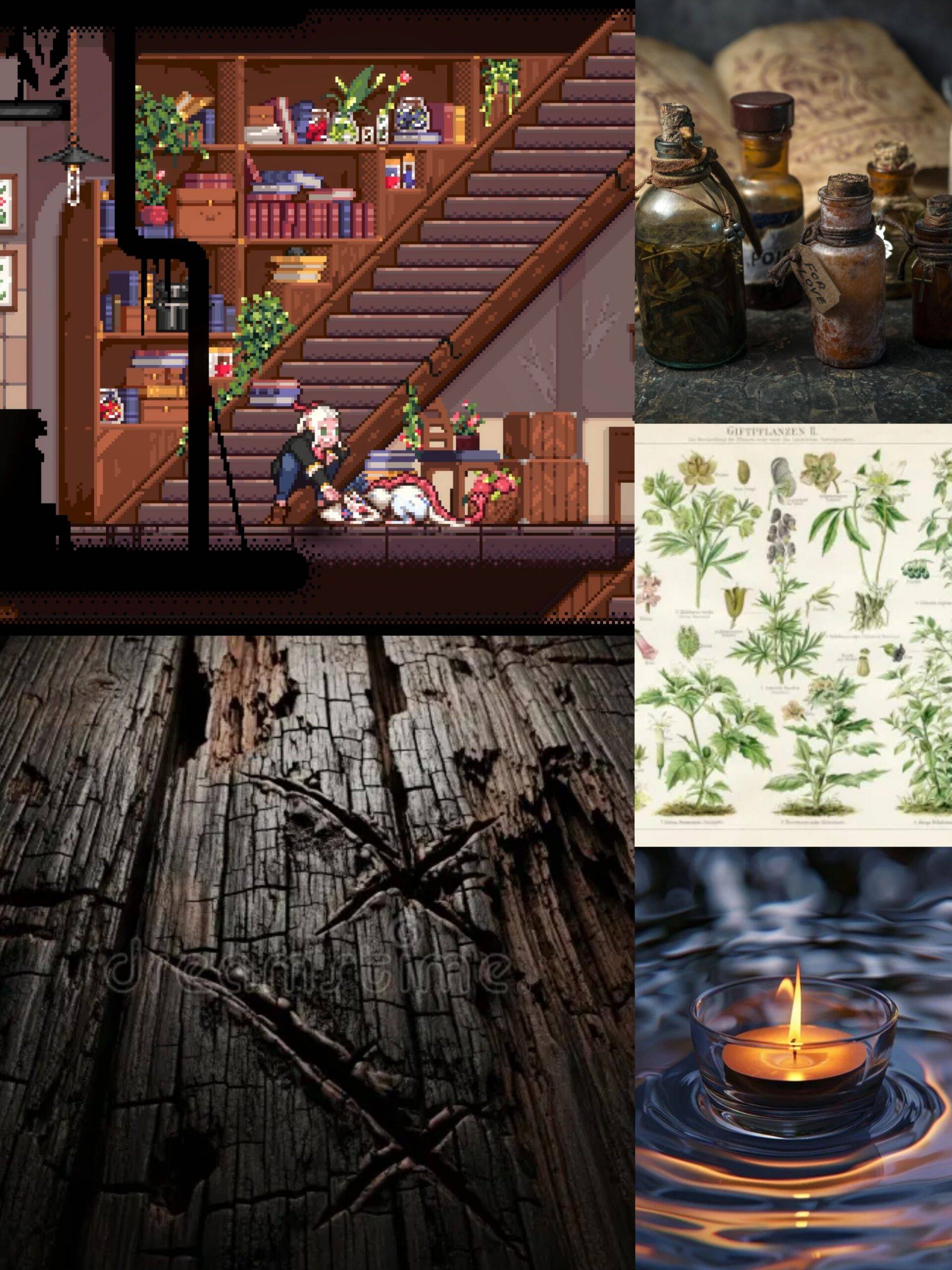
MOODBOARD

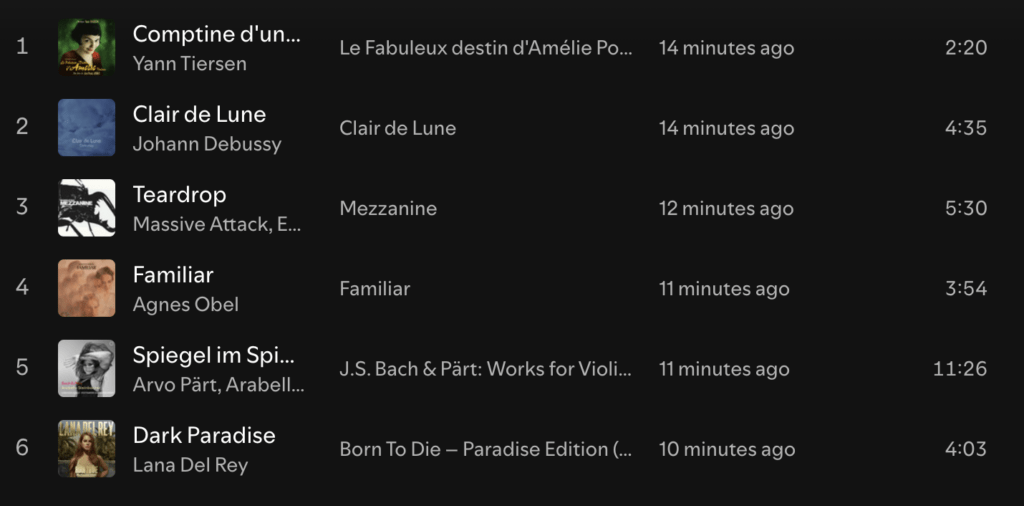
PLAYLIST
Direction 1: Puzzle Solving Through the Body You Wear
The primary mechanic is that every puzzle in the house can only be solved by one of the three bodies, and part of the challenge is figuring out which one. The dog can smell things that are hidden, pressing its nose to a drawer and sensing something cold and metallic inside before ever opening it. The cat can reach places the dog cannot, climbing the balcony rail, slipping through the gap above the wardrobe, reading the book left open on the second floor desk. The fish can move through the flooded basement and push through things that block every other shape. The player never receives instructions on what to do next. They learn the rules of each body with hints. The puzzle design borrows from the escape room tradition but strips away the interface. There are no inventory screens, no objective markers. Just a house full of things that mean something, and three ways of reading them.
Direction 2: Immersive Exploration With Minimal Guidance
The game never tells you where to go. There is no glowing object to indicate importance. Everything in the house is equally present and equally still, and the player has to learn to read it the way a small animal reads a room. Hints exist but they are buried in the environment rather than handed over. Players who explore slowly and carefully will understand more of the story than players who move quickly toward the obvious. The game trusts the player to be curious.
Direction 3: Memory as a Mechanic
The house changes depending on how much the witch has remembered. At the start, everything is slightly out of focus in ways the player might not immediately notice. But the further the player explores, and the deeper into the house they go, the more the environment sharpens around them. The photograph becomes clear. A few words in the book become legible. The scratches on the rail begin to resolve into something that looks almost like a pattern, almost like letters, almost like a name. Memory here is not a bar that fills up or a percentage displayed in a corner. The truth of what happened is always the same. How much of it you leave with depends entirely on how much you were willing to look.