

Game Design as Narrative Architecture Sketchnotes
Game Overview and Target Audience
“I Love You, Colonel Sanders! A Finger Lickin’ Good Dating Simulator” is a 2019 interactive visual novel created by Psyop in collaboration with KFC as a form of branded entertainment. Its target audience includes young adults who enjoy internet humor, meme culture, and anime-inspired aesthetics, especially those familiar with ironic dating simulators. The game also appeals to fans of KFC’s self-aware and humorous marketing style, similar to other brands, like Wendy’s being crude on Twitter, or Slim Jim commenting on TikToks.
The player takes the role of a rising culinary student who wants to impress the charming and stylish Colonel Sanders, reimagined as a handsome young chef (they made him hot ngl). The story unfolds over three “school days,” where the player attends cooking classes, competes in food challenges, and builds a romantic connection with the Colonel.
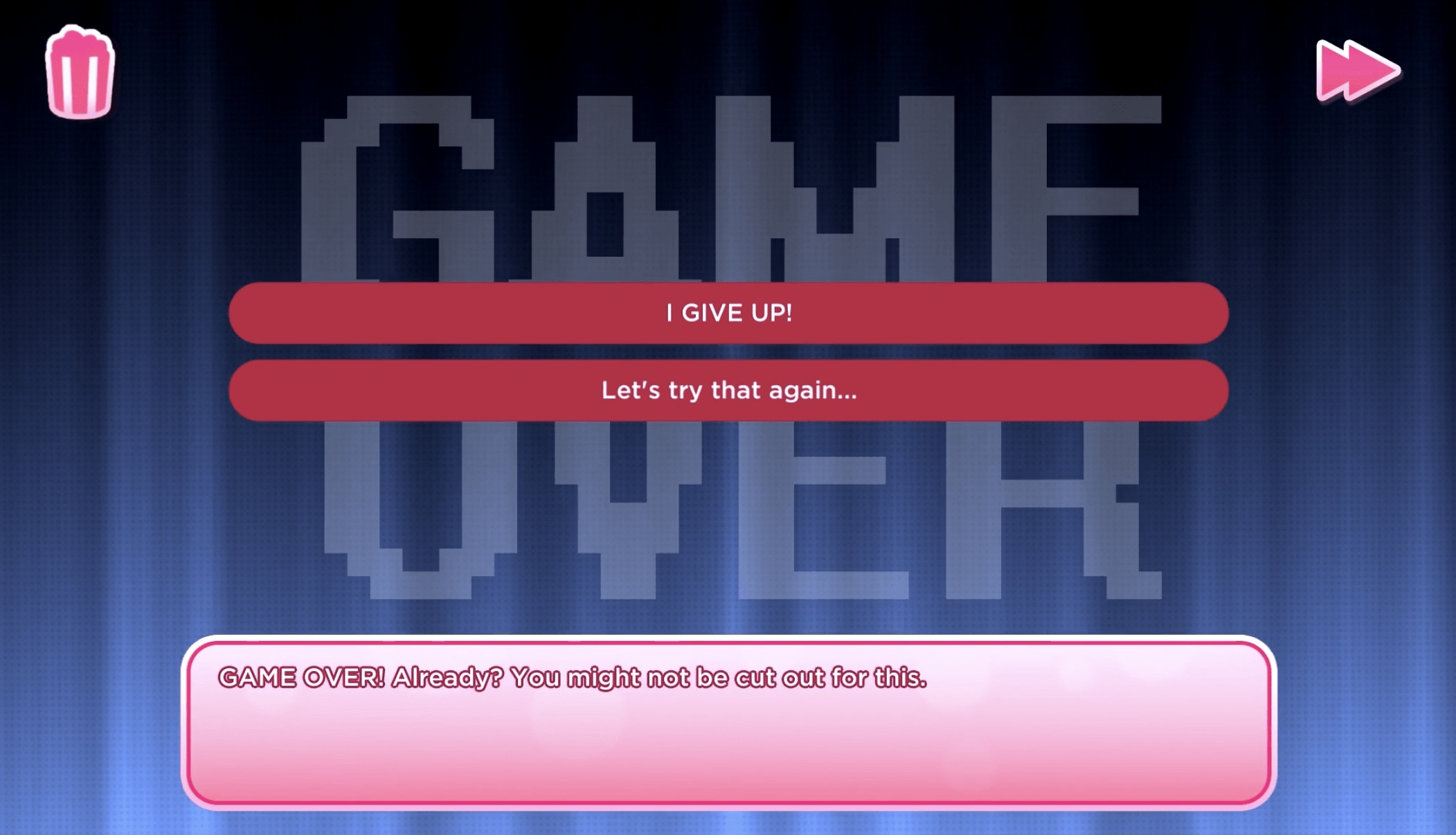
Fig 1. Someone decided to not wake up to their alarm and lost the game within 1 min
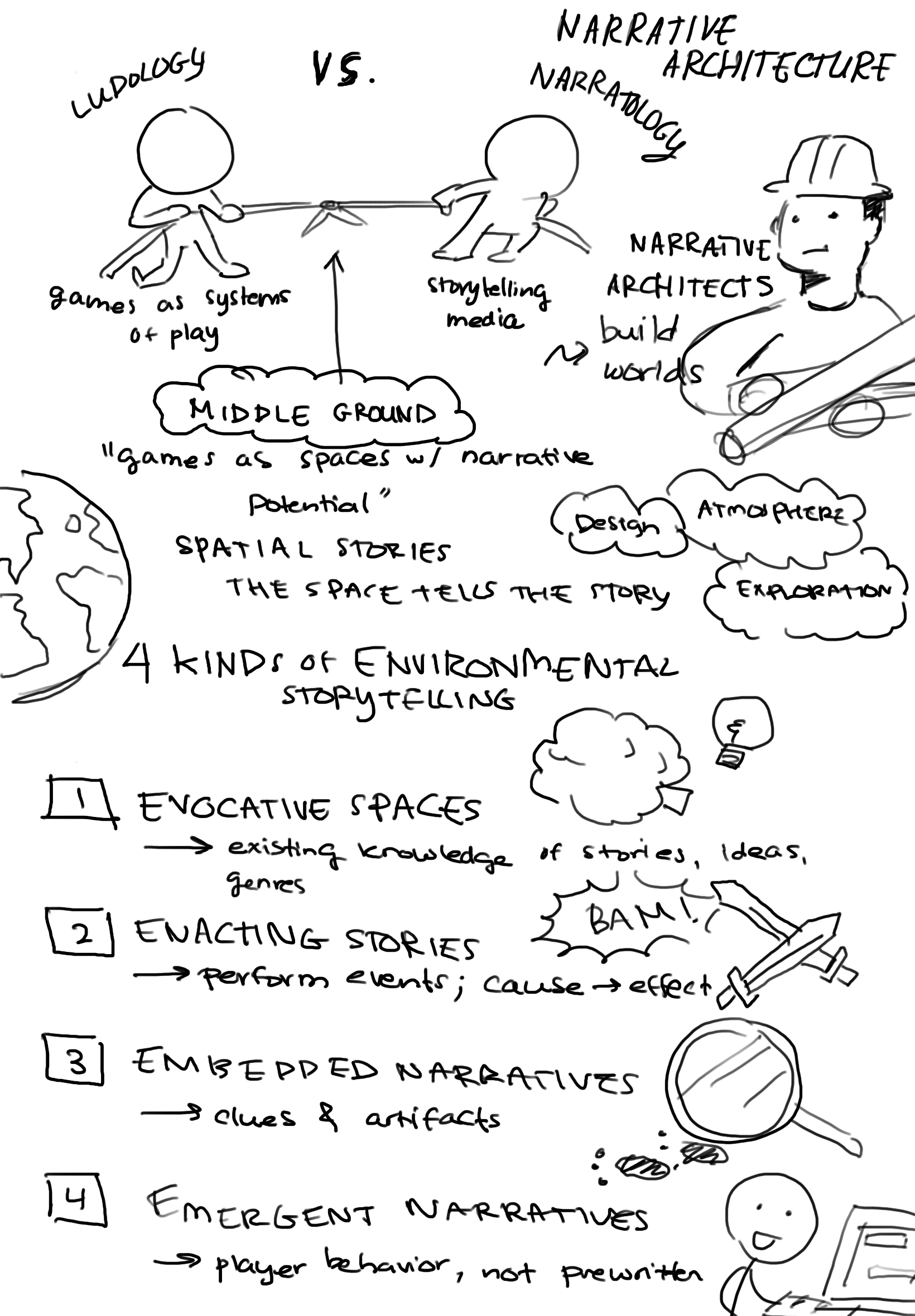
Narrative Strategies (The Four E’s)
The game uses the Four E’s of narrative design. Together, these shape the player’s experience and contribute to the overall aesthetic.
1. Evocative
The game leans on your prior knowledge of cooking and food culture. It assumes familiarity with culinary school tropes, celebrity chef personas, and competitive cooking shows. KFC branding and the mythos of the secret recipe cue existing associations that the player brings into the space.
2. Enacting
Your inputs stage the story’s big moments. You perform recipe choices, answer timed prompts, and plate dishes during class and cook-offs. These actions carry the romance forward by turning plot beats into playable performances, so the relationship advances through what you do rather than what you only read.
3. Embedded
You experience events in first person as a culinary student, which invites light embodiment. An unnamed, gender-neutral protagonist supports self-insertion, and classroom props, rival designs, and menu items store clues about character values and stakes. The shared drive for culinary excellence mirrors the Colonel’s ambition and reinforces creativity, dedication, and personal growth.
4. Emergent
Your choices nudge scenes and tones even if major outcomes converge. Picking ingredients, responding to rivals, or complimenting the Colonel yields small but felt variations that shape pacing and rapport. This sense of influence strengthens your connection to the narrative and makes the budding relationship feel earned.
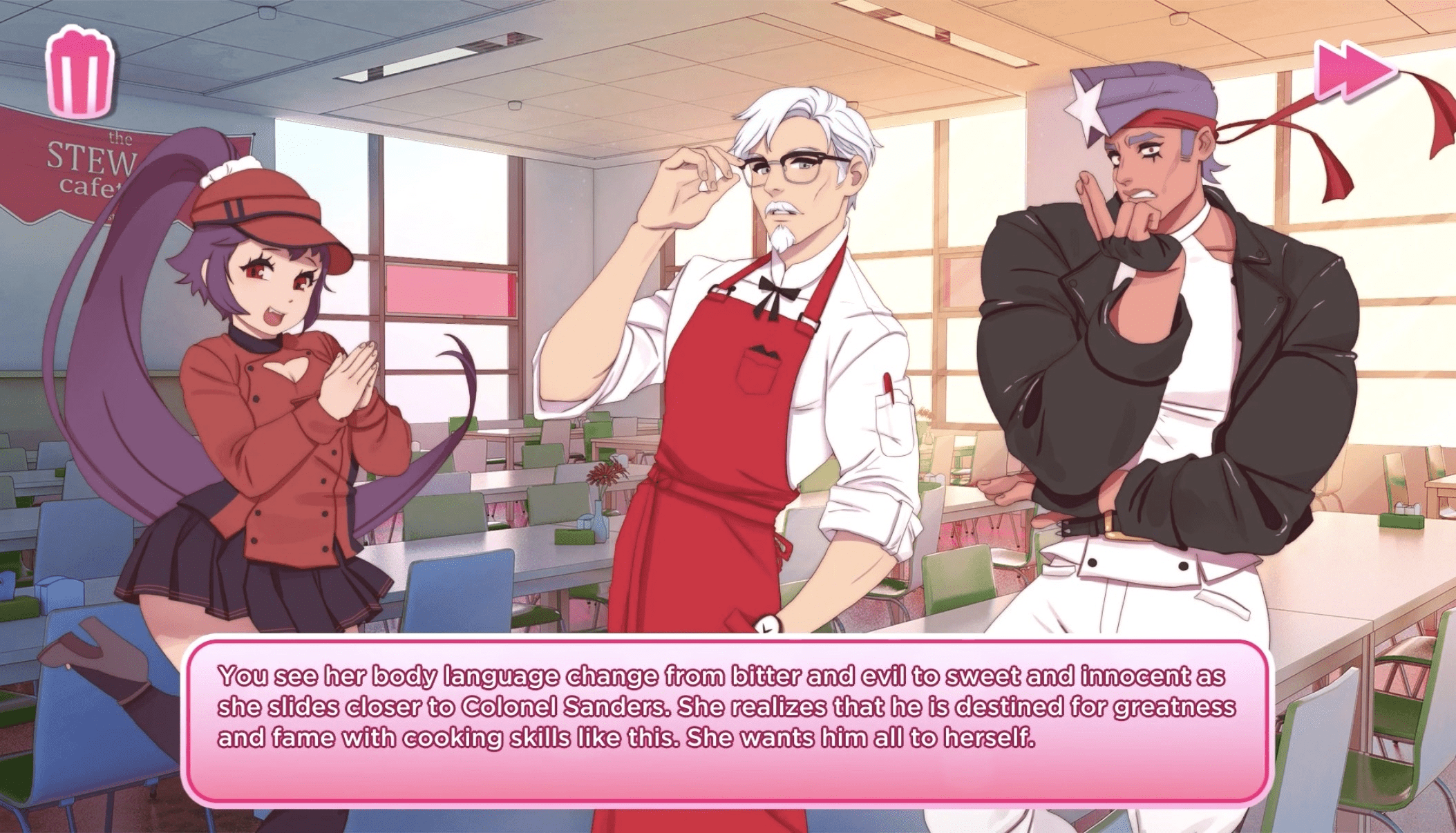
Fig 2. The character design & writing is humorous, engaging you with the story
Subgenre and Narrative Affordances
This game is a Visual Novel, leaning toward a Kinetic Novel because it is mostly linear with limited branching. The visual novel format provides control over pacing and mood. The player advances text at their own speed, which allows the comedic timing and exaggerated visuals to land effectively.
The mostly linear structure allows for tight comedic writing without worrying about complex branching paths. Still, the game includes a few “fail” scenarios, such as picking the wrong ingredient during a challenge or not waking up to your alarm.
A unique affordance of this game is its blend of storytelling and marketing. It functions as an advertisement disguised as a romantic adventure. The slow, deliberate pacing gives players time to absorb branded imagery and slogans. Because the experience feels voluntary, the marketing message becomes more palatable and humorous instead of intrusive.
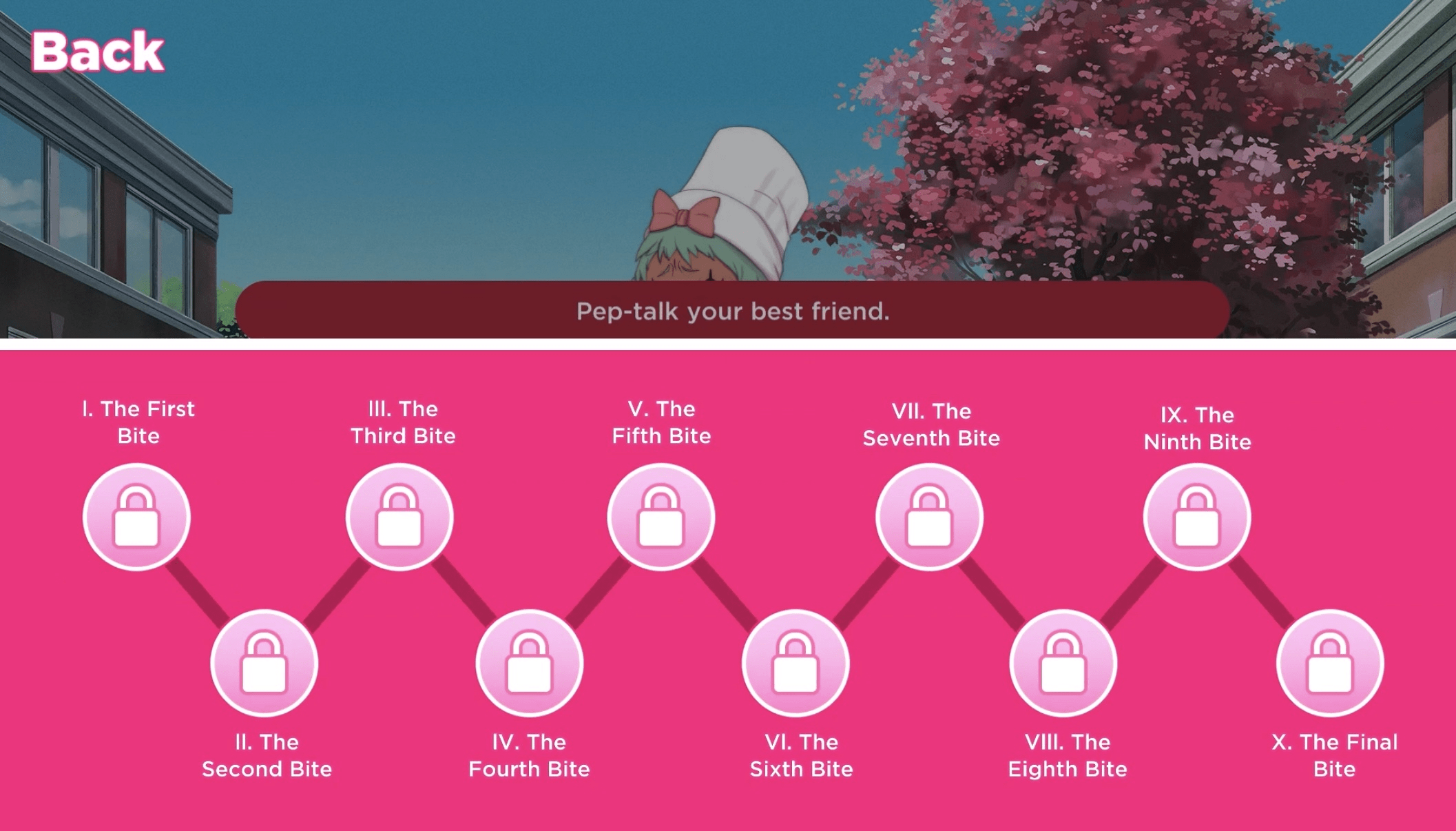
Fig 3. Linear storyline with some choices, but ultimately the same outcome
Narrative Aesthetics and Humor
The aesthetics of “I Love You, Colonel Sanders!” combine anime romance visuals with corporate branding. The bright colors, romantic lighting, and stylized character designs mimic typical dating sims, but the focus on fried chicken and KFC’s founder makes the game pleasing to play.
The game’s humor relies on meta-awareness. It knows it is absurd and often breaks the fourth wall. Characters reference cooking competitions, anime tropes, and even the idea that the Colonel is too perfect to be real. Each supporting character exaggerates a common dating sim stereotype, which adds to the game’s tone.
By blending sincere romance writing with ridiculous marketing, the result is a comedic but oddly affectionate experience.
Inspirations and Critiques for Narrative Writing
Several aspects of the game offer inspiration for writing IF:
-
Tone Management: It shows how humor and sincerity can coexist. Even though the premise is ridiculous, the consistent tone makes it enjoyable instead of chaotic. For my game specifically, I want to include humor/satire while conveying a deeper meaning.
-
Brand Storytelling: It demonstrates how commercial narratives can still feel personal if the emotional beats are strong.
-
Visual Consistency: The game is beautiful, with great looking art (the food made me hungry at times), and consistently set a positive atmosphere.
On the critical side, the game’s branching choices are shallow and its replay value limited. Once the joke is understood, subsequent playthroughs offer little novelty. However, as a free-to-play game meant for marketing, I think it does its job successfully.
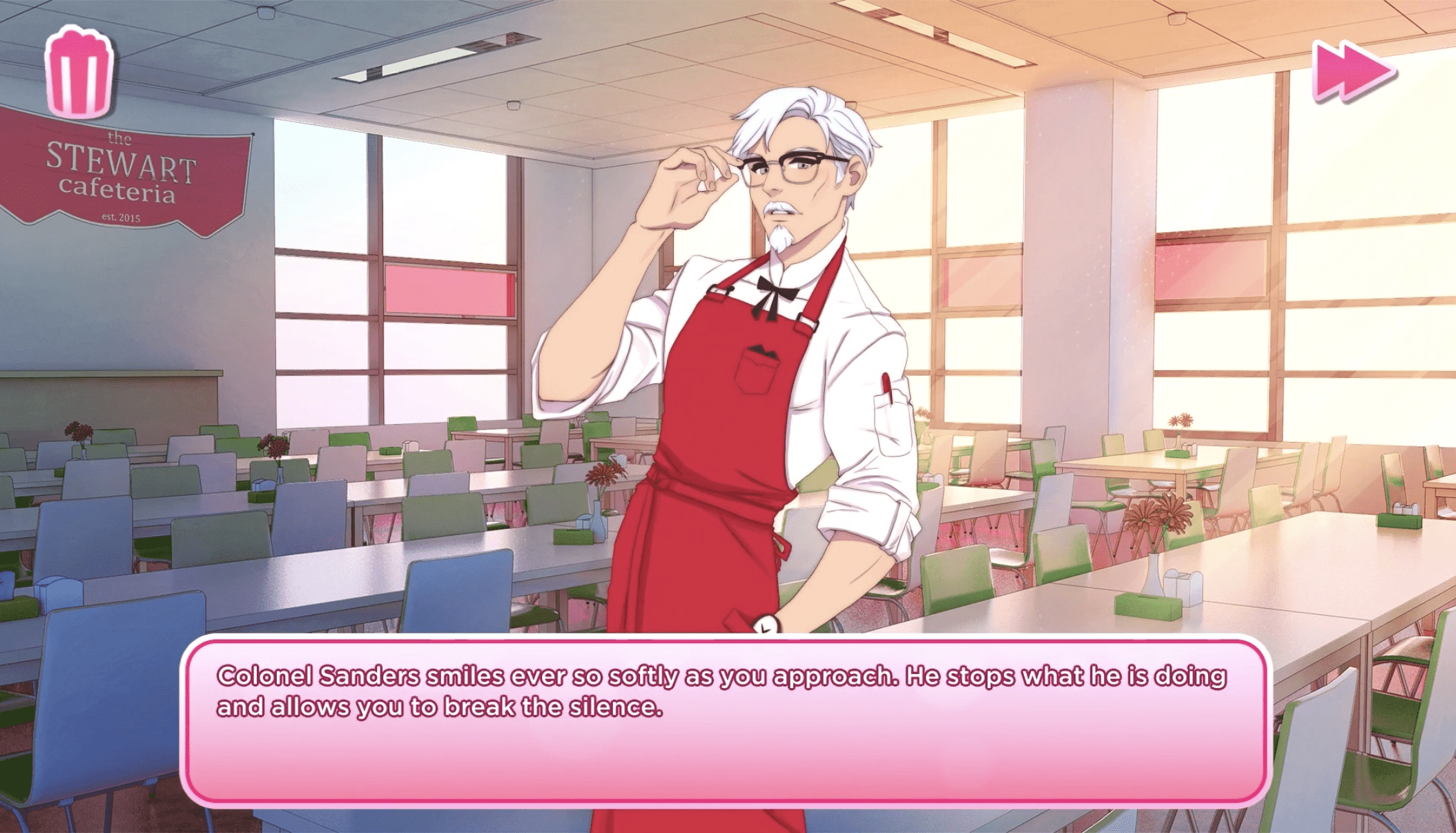
Fig 4. Colonel Sander softly interacts with you
Empathy, Emotion, and Player Response
The game tries to create empathy for Colonel Sanders as a character rather than as a brand icon. It presents him as a passionate and humble chef who values creativity and hard work. Through romantic dialogue and earnest confessions, the Colonel becomes someone the player wants to impress and support.
Empathy is built through romantic tropes and soft emotional language. The Colonel’s personal dreams and setbacks are shared directly with the player, inviting emotional connection. While players are aware of the absurdity, moments of sincerity create surprising warmth.
From my perspective, this approach was partly successful. I did not take the romance seriously, but I did care about the protagonist’s success and the Colonel’s respect. The game evokes amusement and light affection rather than deep emotion.
Overall, the emotions the game evokes include joy, curiosity, and affection. It encourages the player to laugh, but also to appreciate the creativity and effort behind its design. The absurd concept turns into a strangely wholesome experience that feels both ironic and genuine.
Conclusion
“I Love You, Colonel Sanders! A Finger Lickin’ Good Dating Simulator” is a clever and polished parody of both romance visual novels and corporate advertising. Through its consistent tone, humorous writing, and striking art style, it creates an engaging experience that blurs the line between story and marketing.
For writers, it is a strong reminder that tone, pacing, and presentation can elevate even the strangest premise. The game is not just a funny, unexpected advertisement; it is an example of how interactive fiction can use humor and sincerity together to create something memorable.
