

This was one of my favorite classes I’ve taken at Stanford, not because we got to play games during class (this is a big reason but not the only one!), but because it made me realize that we can all be gamers and that being a gamer does not equate to playing digital games with a headset and PS5.
Before joining this class, I had my apprehensions because I do not consider myself a gamer at all. Sure, I enjoy playing Scattegories or Connect 4, but it is never something that I am obsessed with, and I am moreso interested in hanging out with my friends and using games as a medium to do so. However, through the many critical plays that we did, I was able to be more critical in understanding the games that I enjoy. For example, I really realized my growth in game design when I began to analyze Storyteller, whereas the 3-month-earlier version of me would just play it for fun.
I also realized that anyone can design a game and that it did not require the hardest skills to make something fun. Being able to pump out games so quickly in a short amount of time allowed me to think deeply about the mechanics behind games, and how crazy it is that with human interaction, these mechanics come alive.
Some of the biggest challenges I found was through playtesting and how to change a game through feedback. In my past design classes, it was also about the ideation process and minimally about the playtesting. We would playtest maybe once, and then do one iteration and then publish the product. However, we tested nonstop in this class, which was incredibly rewarding because it taught me to let go of my emotions and not be attached to our game. This is a really helpful skill and I am excited to use this in the future in other product testing activities.
I am not sure if I will continue playing games as much as I did this quarter, but it has made me a lot more receptive to playing games and to not say no immediately because I am not interested. I am particularly excited to play more social mediation games, and maybe even the one that we made for our first P1!


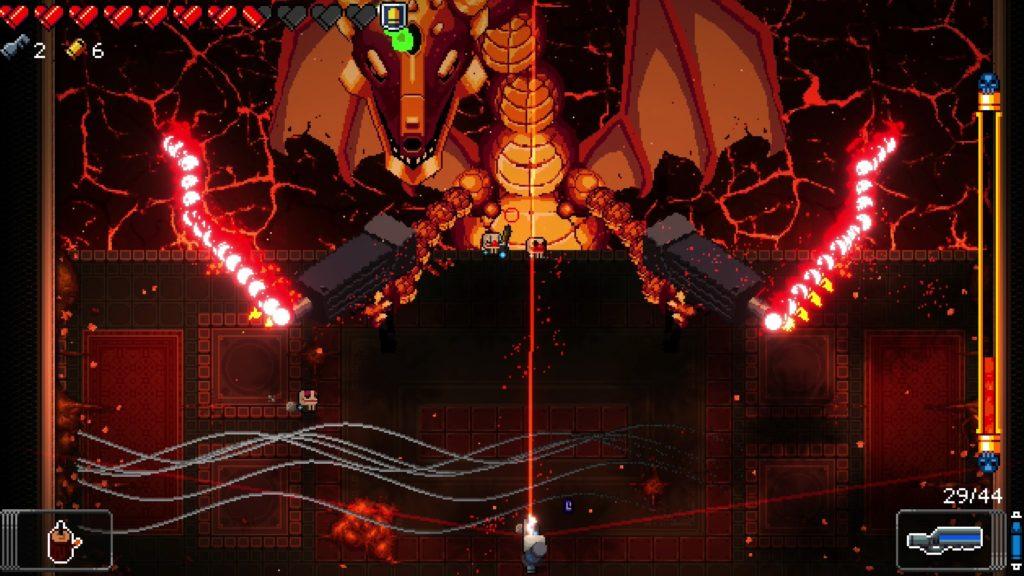
We played *a lot* of games… unless you become a game designer, I think you have to slow down. But you can take this same approach to anything you do: if so if you do UX you can analyze a lot of other solutions and use a lot of apps. As a SWE you can look at lots of ways to solve a programming challenge… go wide, take in a lot, be thoughtful and figure out what works and why… then make stuff and test it. It’s a pretty good formula for excellence no matter what you do. 😀