First things first, playing video games AS HOMEWORK is something I need more of in my life.
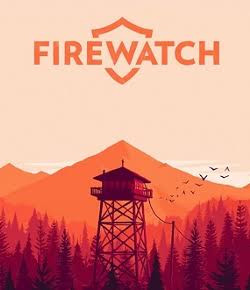
Now onto the actual work of this assignment: For this week’s critical play on walking simulators, I chose “Firewatch” (2016, Campo Santo, Panic, 14-15 years old [cartoon nudity]) due to my roommate’s recommendation. A walking simulator is a very narrative-centric game, in which players explore the world and story by walking through it (environmental storytelling). However, Firewatch conveys the narrative in 3 ways, first and most obvious is expository, second is with dialogue and third is through environmental narratives (as the genre would require).
The first way that Firewatch conveys the narrative is through a 15 minute-long expository dump before gameplay actually begins. In what is almost a ‘choose-your-own-adventure’ book format, the player gets to make certain options while exploring Henry (the in-game character’s) life. However, many of the options likely had little to no impact on plot or gameplay. However, in order to prevent these decisions and narratives from being completely removed and irrelevant and to justify the lack of gameplay for 15 minutes, these choices should have larger consequences or at least be referenced later in the game. However, this exposition does successfully convey the context of Henry’s life and his questionable choice in accepting his firewatch job away from his sick wife. This decision will almost certainly be explored later, which adds a certain layer of suspense to an almost relaxing game (small submission aesthetic). Small note here: this does not technically count as a game as there is no challenge for the player, just making selections, I found this to be an unnecessary drag right at the startof the game.
The second way this game conveys story is through dialogue. As Henry walks throughout the woods performing maintenance and chasing down troublesome teens, a dispatcher on his radio keeps in touch, sharing various things about herself and asking questions about Henry (so far all present in the exposition). This creates the likely possibility for significant amounts of embedded narrative as Henry could reveal things through the radio not originally present or disclosed in the exposition. This could eventually shed some light as to why Henry took the jobs at all instead of electing to stay with his sick wife (dementia).
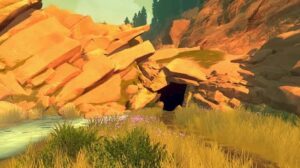
The third and most obvious way that Firewatch advances the plot by walking is by environmental narrative. As Henry hikes throughout the forests of Colorado during fire season, he encounters many small obstacles and varying objectives like stopping drunk teens from setting off fireworks or inspecting a cut telephone line. As Henry goes along these trails, many narrative aspects are found, like a cave with a locked gate on it or someone throwing his typewriter out of the window of his lookout station. The game front loads the introduction of these new plot points as the player walks through the environment. As the game progresses and time goes on, Henry will likely circle back to these events to fully explore their mysteries and additions to the story. However, not everything Henry finds while walking will likely have an outstanding effect on the plot, namely his adoption of a turtle, (or tortoise, he was unsure of the distinction). These small narrative points with which the player can interact with likely only add narrative flavor and make the game more interesting as it enhances the discovery aesthetic of the game aside the major plot lines.
-Noah Leibert