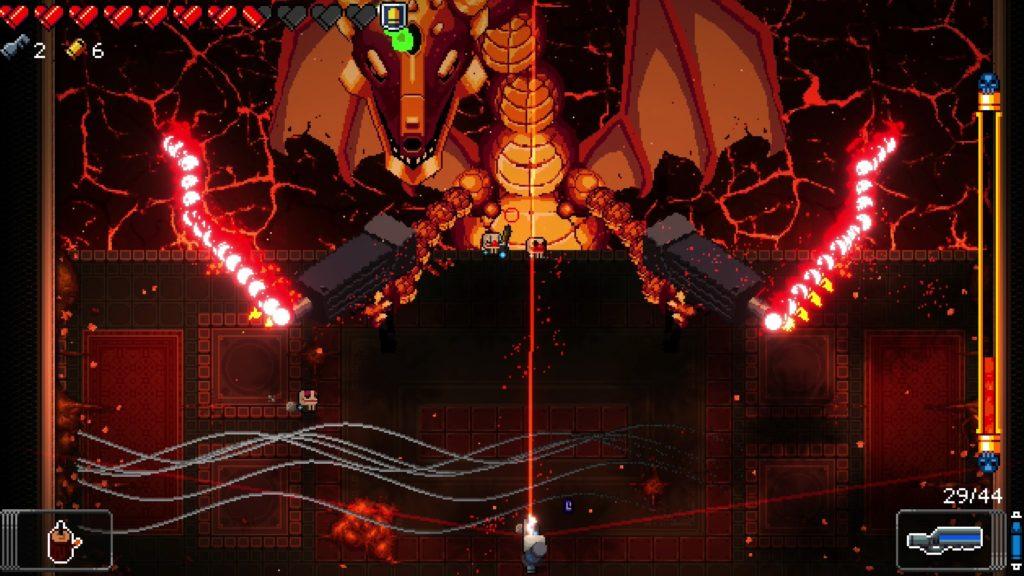
Before this class, I mostly thought about games in terms of genre. I knew whether I liked an RPG, action game, puzzle game, or multiplayer game, but I did not really understand what made those games work. I could recognize that a game was fun, difficult, or interesting, but I did not have a strong framework for explaining why. After taking Design for Play, I feel like I now have a theory-backed skeleton for thinking about games. Instead of only seeing the final product, I can start breaking a game into systems, interactions, visual choices, player learning, and social dynamics.
One concept that really stuck with me was the difference between loops and arcs. Loops are the repeated actions that allow players to practice and improve a skill, while arcs create progression and give a larger experience a sense of direction. A good game needs both. This also changed how I think about AI-generated experiences. AI can be very good at creating repeated interactions or variations of a loop, but creating a meaningful long-term arc is much harder.
I also learned to pay much more attention to visual design. Fonts, shapes, architecture, and environments all communicate information to players before anything is explicitly explained. A circle can feel friendly or safe, a triangle can suggest danger, and a square can communicate stability or strength. These ideas made me realize that game design is not only about mechanics. The environment itself is constantly teaching and communicating with the player.
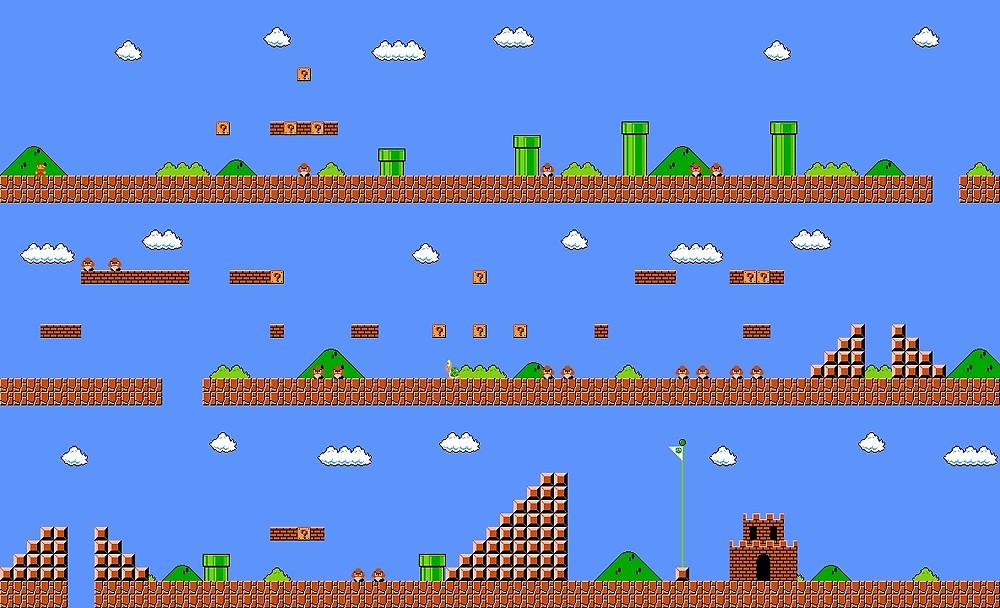
The class concept that surprised me the most was onboarding through scaffolding and affordances. Before, I assumed teaching a complicated game meant creating a long tutorial. The Mario examples showed me that good games can teach through level design itself. Players learn by trying something simple, understanding the result, and then encountering a slightly more complicated version later. This feels much more natural than stopping the game for ten minutes to explain every control.
We also discussed social games and how reciprocal interactions can build trust. When players help one another, exchange resources, or repeatedly cooperate, the game can create opportunities for relationships to form. This made me think beyond games as isolated systems and instead consider the social behaviors that a game encourages.

Even smaller parts of the class affected me. I have taken digital notes for a long time, so practicing sketchnotes was a refreshing reminder that drawing relationships between ideas can sometimes help me remember concepts better than writing paragraphs. Discussions about walking simulators, feminism, inclusion, and social dynamics also expanded my understanding of what games can communicate and whose experiences games are designed around.
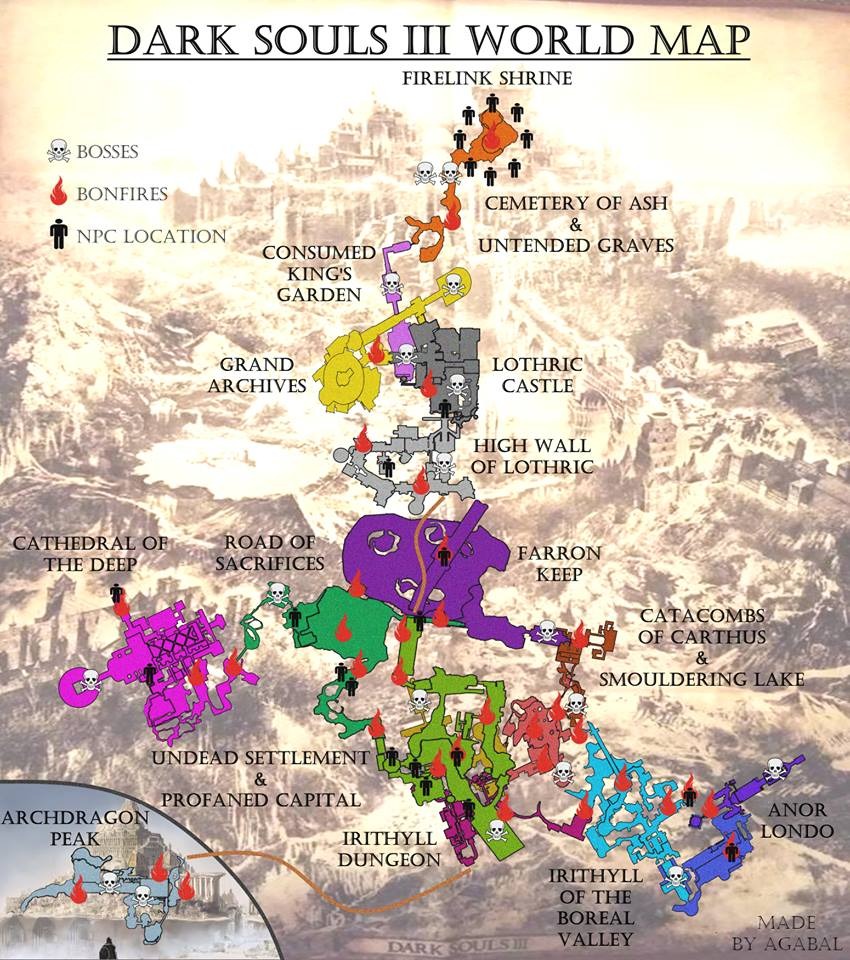
Now I can even look at one of my favorite games, Dark Souls III, differently. Before, I mainly saw its difficulty, combat, bosses, and atmosphere. Now I notice its loops: fighting, dying, learning enemy patterns, improving, and trying again. I also notice its larger arcs, environmental storytelling, architecture, enemy silhouettes, and the way spaces guide or intimidate the player. A giant castle or cathedral is not simply decoration; its scale can make the player feel small, uncertain, or threatened. The environment becomes part of the experience.
In my future design work, I want to think about these ideas from the beginning instead of adding them afterward. I want to design clear gameplay loops, meaningful arcs, environments that communicate visually, and onboarding that allows players to learn naturally. Most importantly, I now feel that I have a vocabulary and framework for understanding why design decisions work, which gives me a much stronger foundation for creating my own games.