

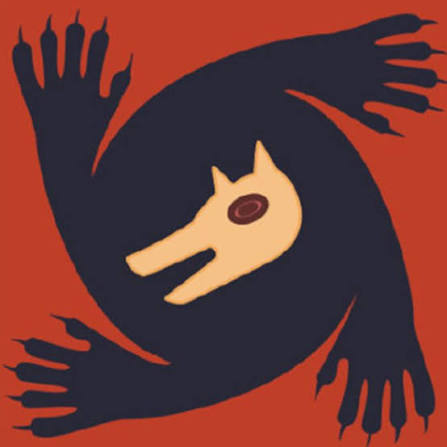
I choose the social deduction game Werewolf for this MDA analysis.
Its core mechanics include hidden private roles, alternating day and night cycles. Werewolves secretly eliminate players at night. In daytime, each player speaks publicly, and the group votes to exile suspects. Villagers and werewolves follow separate win conditions.
These rules create lively social dynamics. At night, werewolves coordinate quietly. When daylight arrives, players question, defend themselves and share reasoning. There is no universal perfect strategy. Players spot contradictions in speech, guess others’ real intentions and adjust tactics constantly. Trust and suspicion shift nonstop during each round.
Following the “8 Kinds of Fun” framework, the resulting aesthetic falls into Fellowship and Challenge. The fun does not rely merely on luck. It grows out of social interaction and intellectual competition: bluffing others under asymmetric information, or the satisfaction of uncovering liars. Werewolf demonstrates how straightforward mechanics can generate layered social dynamics, delivering engaging psychological challenges rooted in player-to-player interaction.