


Before playing Firewatch for the first time, I expected a walking simulator to be a game where I simply moved through a beautiful environment while listening to a story. However, once I opened Firewatch and then it immediately changed that expectation. On Steam it saids developed by Campo Santo, the game begins before I even enter the Wyoming wilderness. Instead of introducing Henry through a normal cutscene, it asks me to read short pieces of his life and make choices about his relationship with Julia. Because I had to select Henry’s responses and then physically walk between parts of the story, I did not feel like I was only learning about his past. I felt as if I was helping create it. In Firewatch, walking tells the story by connecting memory, choice, and physical distance, while also showing me that having control over small decisions does not mean I can control the final outcome.
The first part of the game is mostly text, but it still feels interactive. I learned that Henry and Julia met, fell in love, adopted a dog, and built a life together. Some moments were ordinary and happy. One screen tells me that they spend their summers walking their dog, Mayhem, at night.
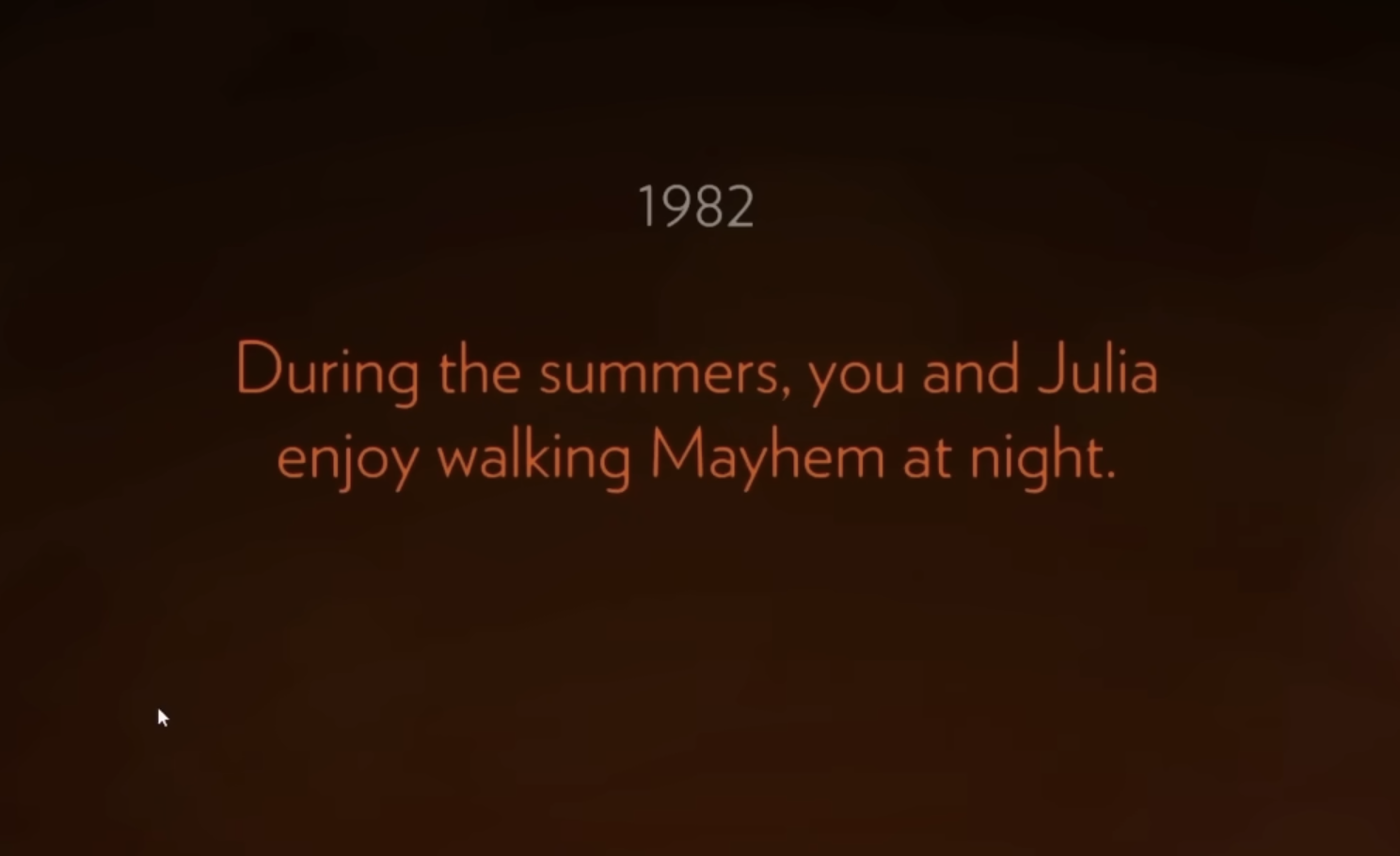
Figure 1. This small memory presents walking as part of Henry and Julia’s normal life together, before walking later becomes connected to separation and escape.
This detail may seem unimportant, but it changed the meaning of walking for me. At first, walking represents companionship. Henry, Julia, and Mayhem move through the same space together. Later, Henry will walk alone into the wilderness. The same basic action therefore changes from something shared into something lonely. The game does not need to explain this contrast directly. It allows the meaning of walking to change as Henry’s life changes.
The game also gives me choices during these memories. When a stranger attempts to mug Henry and Julia, I have to decide how Henry reacts.

Figure 2. The game places me inside Henry’s memories by making me choose his reaction instead of only describing what happened.
This mechanic made me feel responsible for Henry very quickly. I was not controlling him in combat or testing my mechanical skill. Instead, I was deciding what kind of person he might be. Through the MDA framework, the mechanic is selecting between written choices. The dynamic is that I pause, imagine the consequences, and begin forming my own version of Henry. The resulting aesthetic is intimacy because I feel connected to him before I even see much of the physical world.
However, these choices also create an illusion of control. One of the most important moments occurs when Julia is offered a job at Yale. The game tells me that the job is two thousand miles away and gives me two options: convince her not to take it or agree to a difficult commute.
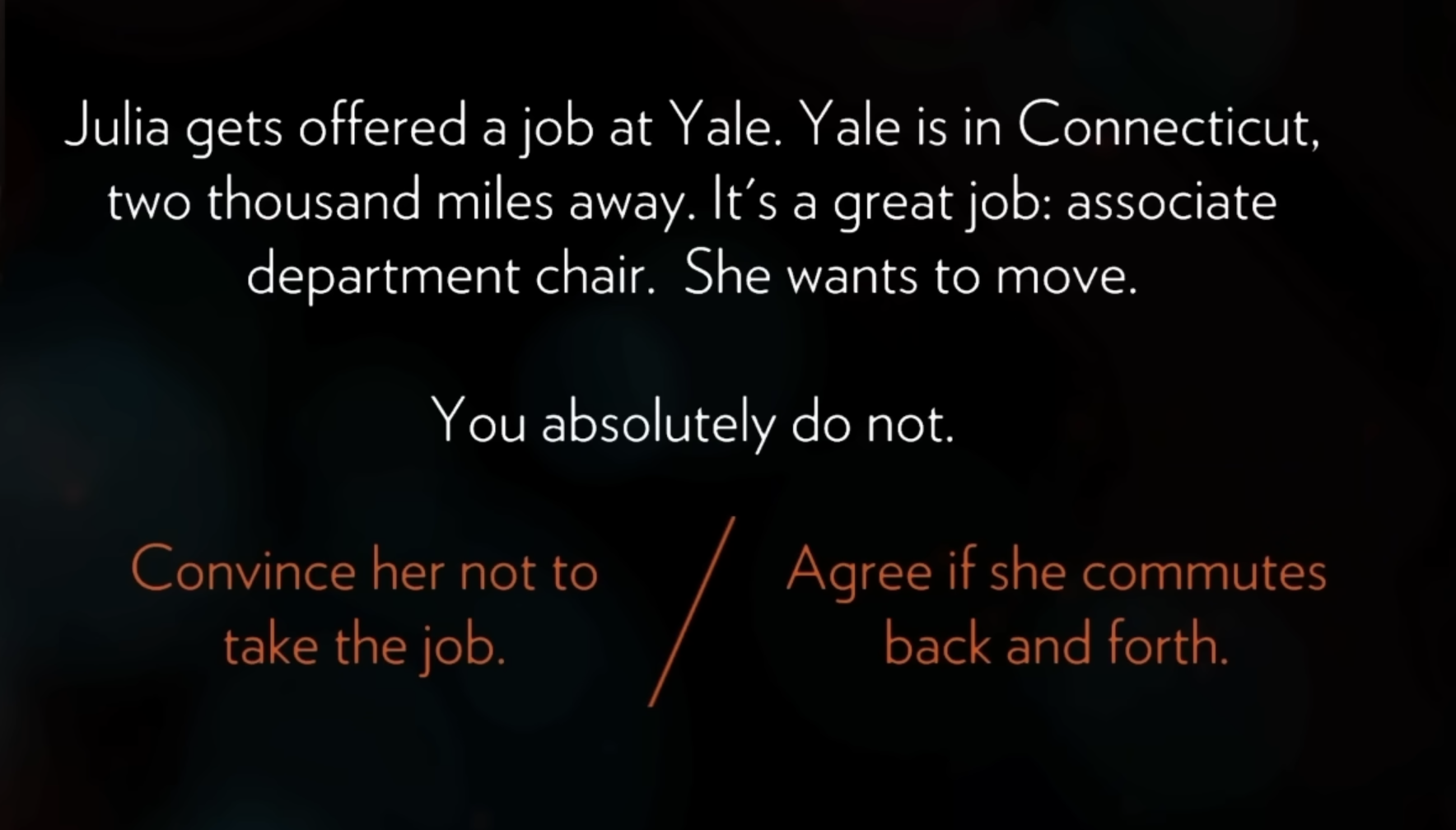
Figure 3. Both options allow me to influence Henry’s response, but neither gives me complete control over the direction of his life.
When I saw this choice, I stopped for longer than I expected. I wanted to make the “correct” decision, but neither answer felt completely fair. Asking Julia to reject an important opportunity seemed selfish, while a long-distance commute seemed unrealistic. This is where the game’s design becomes more meaningful than a basic branching story. It does not offer a clearly good and clearly bad option. Instead, it uses choice to make me experience the uncertainty inside a relationship.
The formal elements of the opening are also unusual. In most games, my objective would be to win, survive, or collect resources. In this section, my main resource is information. Every line reveals more about Henry and Julia, while every choice changes how I interpret Henry’s personality. There is no traditional failure state, but I still worry about making a mistake. The possibility of choosing badly replaces the fear of losing health or dying.
Nicole Clark explains that walking simulators are often defined by what they remove, such as combat, death, and difficult obstacles. However, she argues that these limitations allow designers to build other forms of involvement. My first experience with Firewatch supports this idea. The game does not need combat to make me nervous. A single relationship decision can create tension because the consequence feels emotional rather than physical.
Walking also controls the pacing between these memories. After reading and choosing, I move through short sections of the environment before another part of Henry’s life appears. This prevents the opening from feeling like a long block of text. The physical movement gives me time to process what I just selected. It also connects Henry’s emotional journey to my movement forward. I can keep walking, but I cannot return to an earlier stage of his life and repair everything.
This raised an ethical question for me about how much responsibility I should feel for a character’s actions. Because I selected some of Henry’s decisions, I felt partly responsible for his relationship. At the same time, the game clearly limits my control. I can choose how he responds, but I cannot protect him and Julia from every painful event. This challenged my assumption that interaction always creates real agency. Sometimes a game gives me choices not so I can fix the story, but so I can understand why no choice feels sufficient.
Ultimately, the opening of Firewatch showed me that walking can tell a story even before the main exploration begins. Walking first represents love and routine, then gradually becomes distance and escape. By combining movement with difficult personal choices, the game makes me participate in Henry’s memories while reminding me that I cannot fully control them. I was not simply watching his life fall apart. I was moving through it, one decision and one step at a time.


