


For me personal I really like watching people play single-player games on YouTube. Sometimes I watch a big streamer live, or when I am boring I will look at the replay for a stream. It feels like someone is playing next to me, even if I am eating or running on a treadmill at the same time. I can look away for a minute and the game still moves forward. The streamer reacts to the scary parts, gets stuck on the puzzles, and it really makes a lot of fun for me.
Then, for this critical play, I had to choose a game for myself.
I picked Cube Escape: Paradox partly because it was free, but also because of its name. “Paradox” sounded dreamlike and slightly scary, like a detective story where I would have to slowly put together the truth from small clues. That was exactly what the game gave me, but playing it alone felt very different from watching someone else play. There was no streamer talking over the silence.
Figure 1. Sometimes scared me
When a sudden sound effect played, I actually jumped. More importantly, no one else could notice the clue or solve the puzzle for me. What made Paradox work for me was its strange balance between restriction and agency: I was trapped in one small room, but almost every object invited me to touch it, and every puzzle helped me reconstruct both the murder case and Dale’s broken memory.
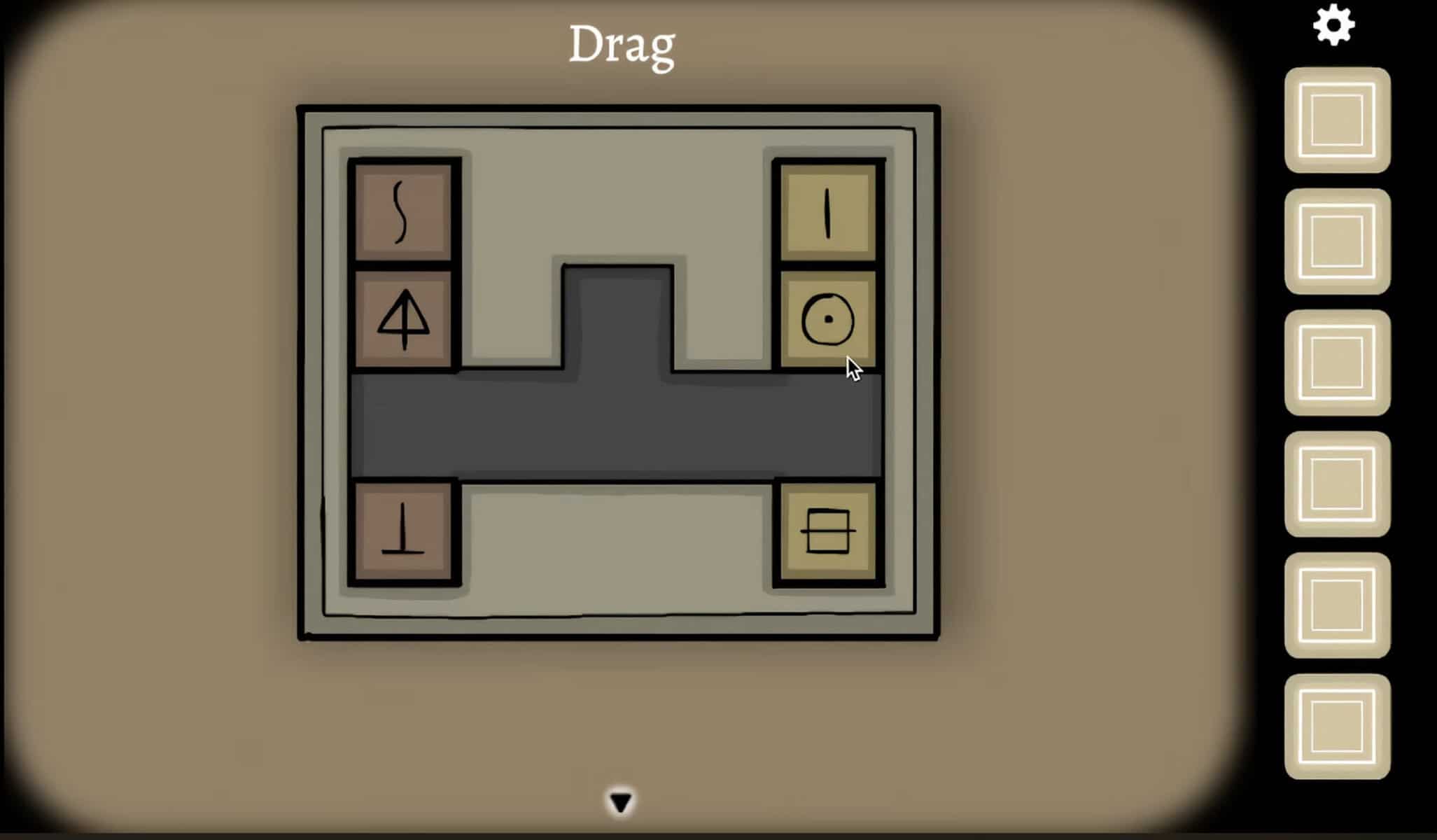
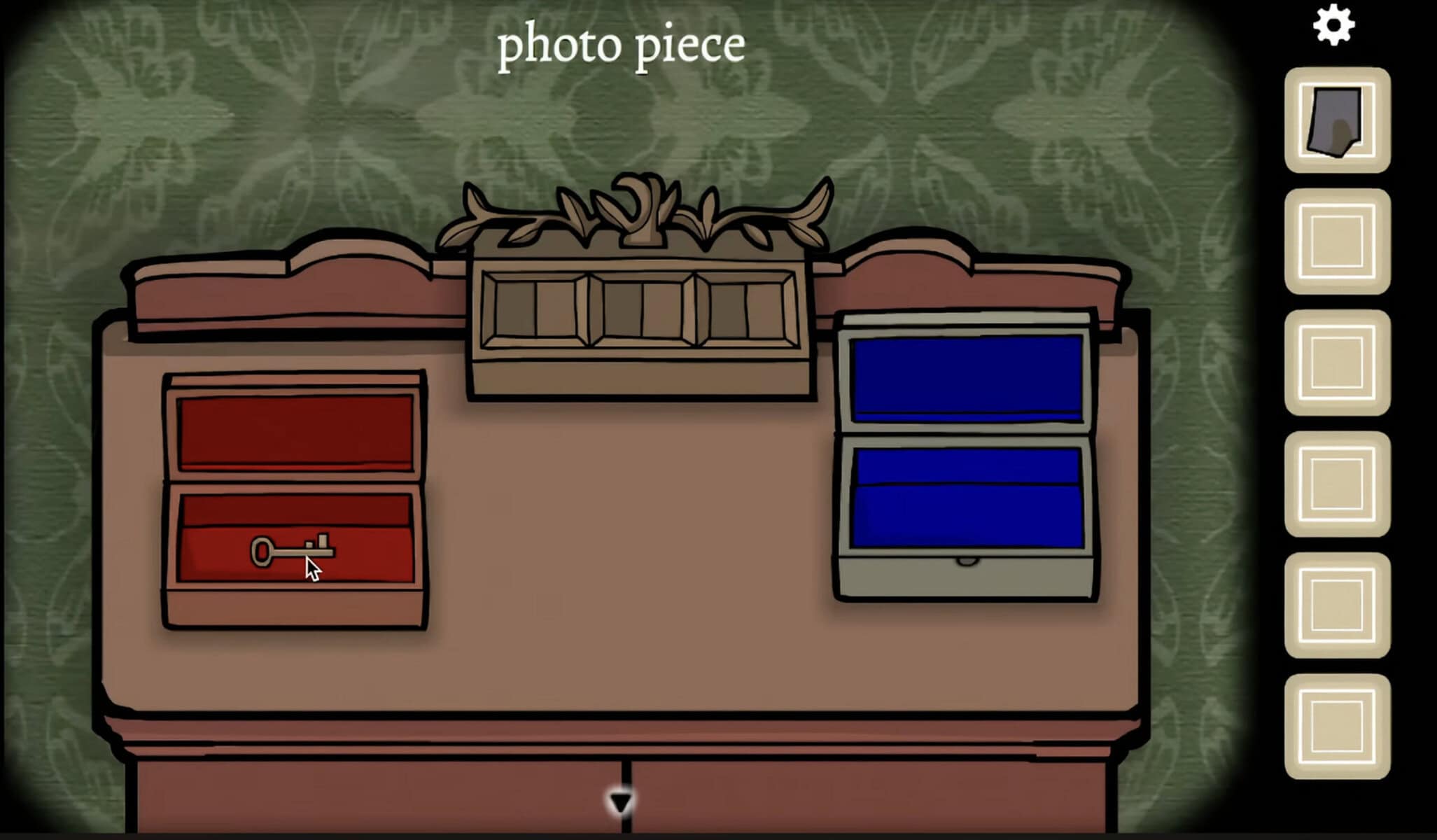
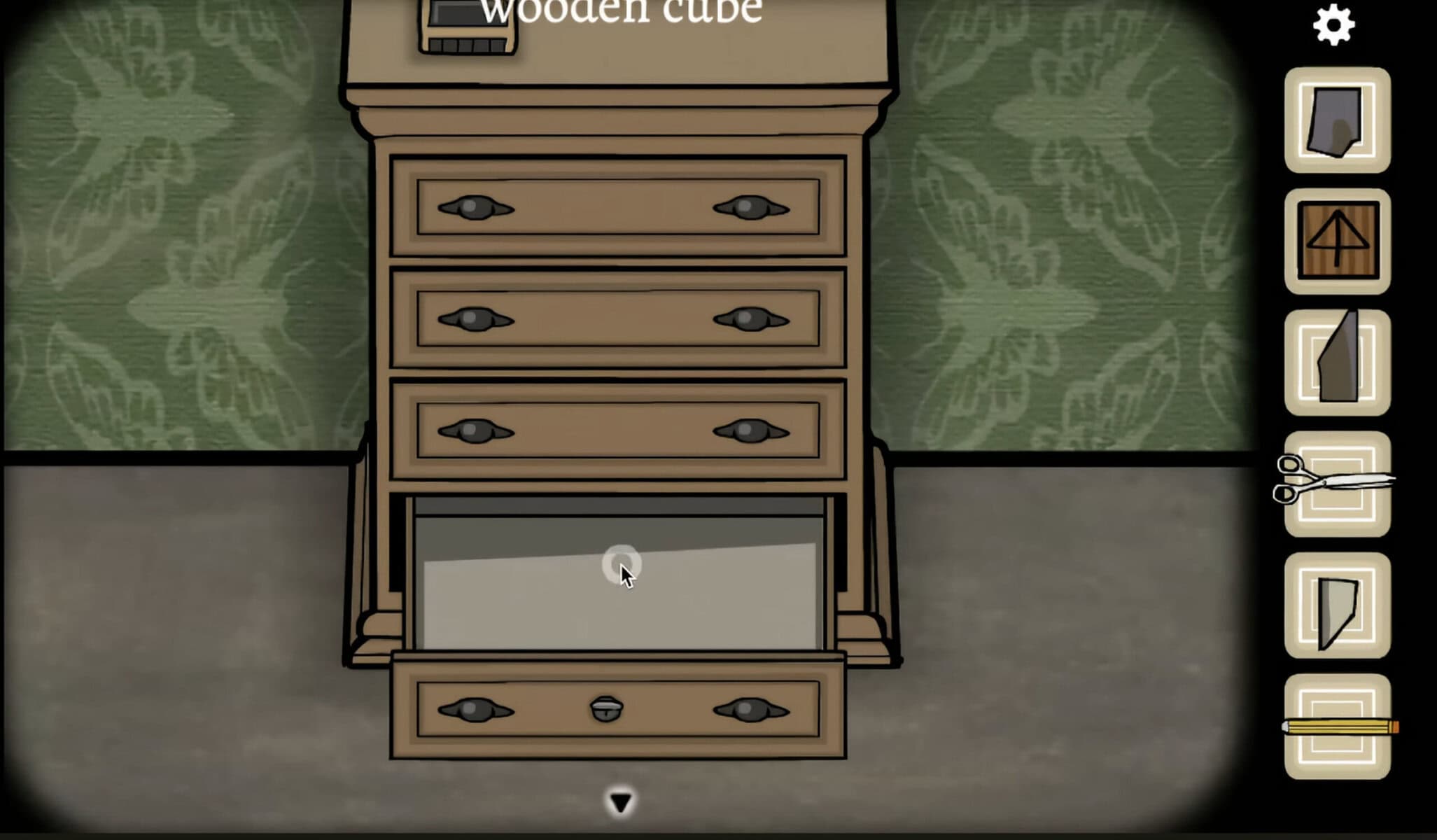
Figure 2,3,4. I try to discover the story by find all different of items.
Was I free? Not really. I could not walk anywhere I wanted, and most of the game happened through a few fixed views of the same room. But was I completely restricted? Also not really. I could open drawers, turn devices on, drag symbols, collect objects, and test inventory items on almost everything. Even many wrong clicks produced a small animation or sound. The designers limited my movement while making the room feel dense with possible actions.
The first symbol puzzle simply tells me to “Drag.” This is the game’s tutorial, but it does not feel separate from the game. By solving it, I learn the basic language of Paradox: inspect, drag, collect, combine, and remember. In MDA terms, those are simple mechanics, but they create a dynamic where I repeatedly return to familiar objects with new information. The aesthetic is curiosity mixed with unease. I know the room’s layout very quickly, yet I never feel that I completely understand it.
The photograph puzzle was the first moment when I understood that the clues were not only obstacles between me and the exit. I found pieces in different parts of the room and placed them together. The completed image shows Dale and Laura in live action, even though the rest of the room is illustrated. This visual break makes the photograph feel like a memory entering from another reality. More importantly, the game does not simply tell me who Laura is. I have to reconstruct her presence before I can continue.
The typewriter develops the same idea through language. A clue directs me to type “the woman.” That phrase works like a password, but it is also Dale’s question and my own goal. Typing the answer makes the machine produce the next part of the story. The narrative is therefore not a reward that appears after gameplay; my input is what causes the narrative to exist.
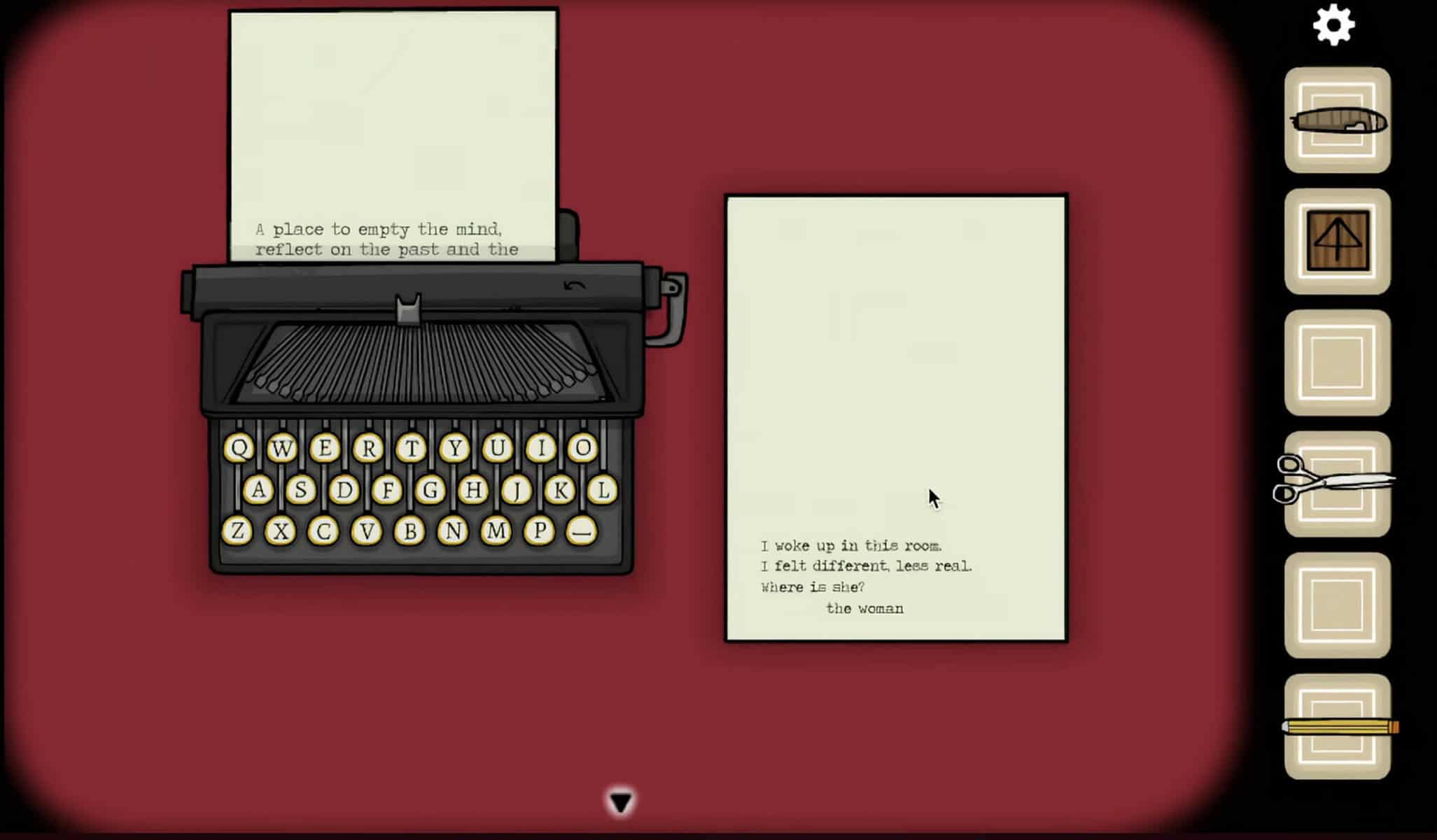
Figure 3. “The woman” is simultaneously a password, a memory, and the next question I need to investigate.
My favorite clue chain moves information through several different forms. A cassette gives the backward phrase “enin xis xis lennahc,” which becomes “channel six six nine.” The television leads me to “the lake.” I enter those words into the typewriter, cut the printed page, and fold it until “CALL 14335” appears. Then I use the number on the telephone. None of these actions is mechanically complicated, but together they make me listen, read, translate, manipulate, and remember. Ordinary objects become pieces of environmental storytelling.
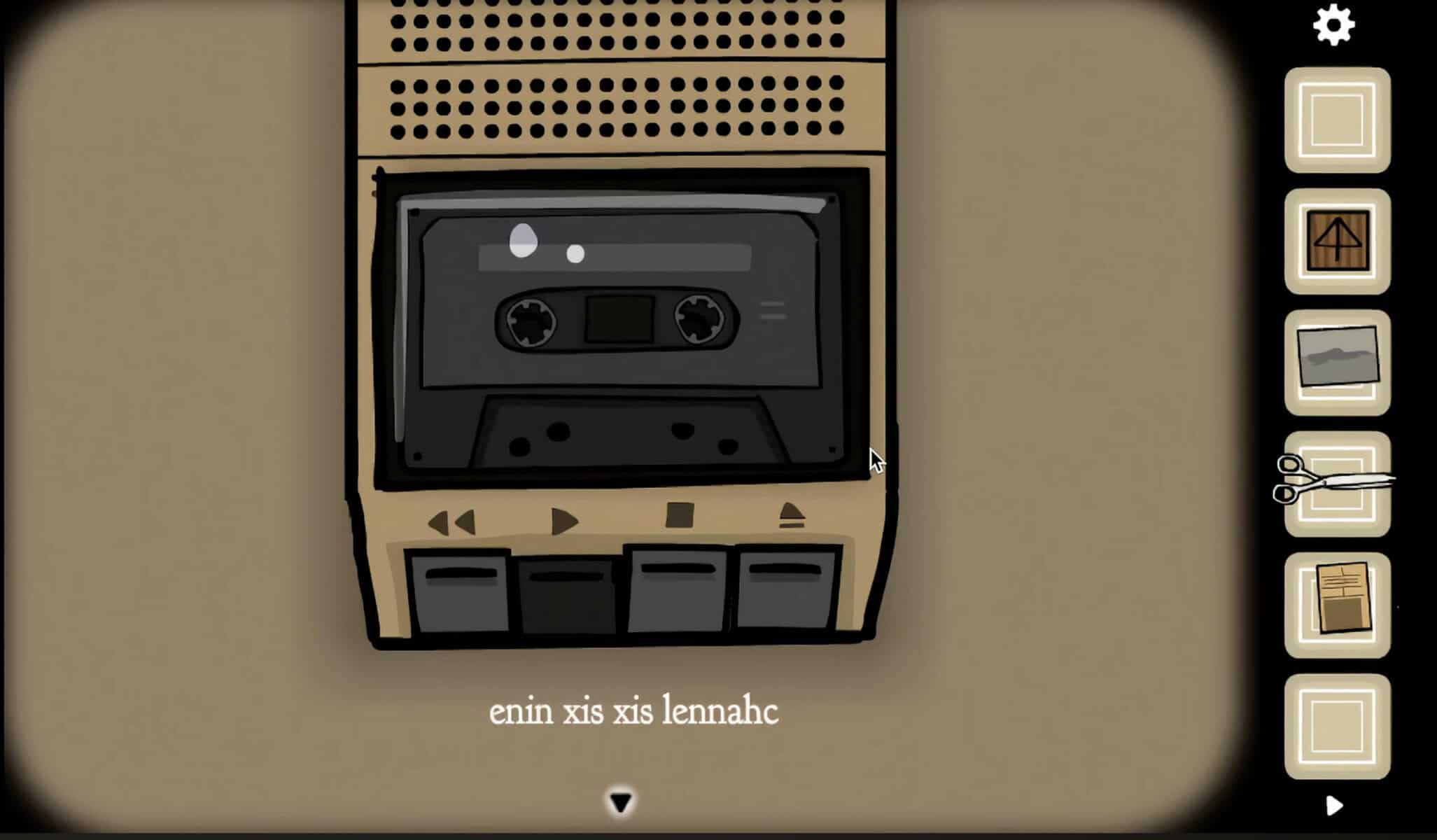
Figure 4. The clue is not fully present until I change the paper’s physical form. Solving and revealing become the same action.
This is also where I noticed the game’s main weakness. The first-order optimal strategy—the low-skill strategy that works surprisingly well—is to click every small area and try every item on every object. There is no punishment for a wrong attempt, so random testing can sometimes replace reasoning. The strict clue chain can also create a systemic break point. If I miss one tiny photo piece or hotspot, every later system stops, even when I understand the larger mystery. I may not know whether my idea is wrong or whether I missed one pixel.
Still, I do not think the fixed camera and small room are simply technical limitations. They are a design compromise that supports the story. A larger 3D environment might provide more movement, but it would weaken the feeling of being trapped inside a carefully controlled memory. If I redesigned the game, I would keep the small room and the ability to experiment. I would add an optional layered hint system: first point toward the correct side of the room, then name the relevant object, and only reveal the solution as a final step. That would reduce pixel hunting without taking away the satisfaction of making the connection myself.
Later, the game makes its central metaphor literal by turning Dale’s head into a level. Inside the outline of his face is a maze of rooms, elevators, pipes, and passages. I am no longer only escaping a physical room; I am moving through Dale’s mental structure and reconnecting its broken parts.

Figure 5. Organizing evidence reconstructs both Laura’s case and Dale’s identity.
The fixed camera and untimed puzzles reduce some motor demands, and the cassette clue appears visually as text. However, tiny hotspots, low contrast, and abstract symbols may create accessibility barriers. Scalable interface elements, clearer selected-item feedback, layered hints, and a warning for sudden sounds and disturbing imagery would help without changing the puzzles.
Near the end, I use a map while a corrupted figure follows me through a forest. Observation used to create curiosity; under pressure, the same mechanic creates fear.
At the end, the story folds back into its beginning, as if Dale’s memory is waiting to repeat. The loop becomes more disturbing the longer I think about it, but also more beautiful: the game feels like a carefully constructed work of art, not only a mystery.
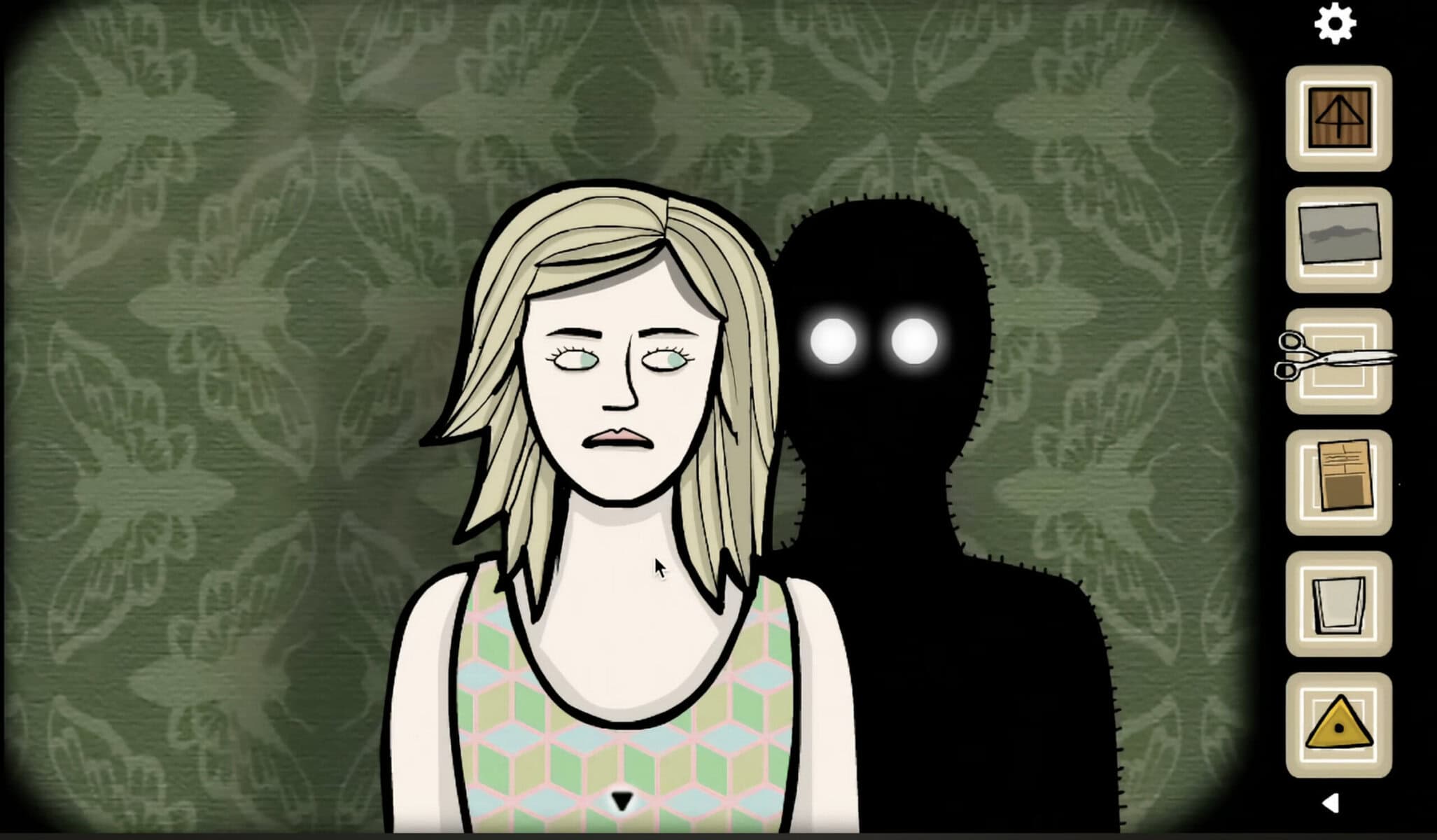
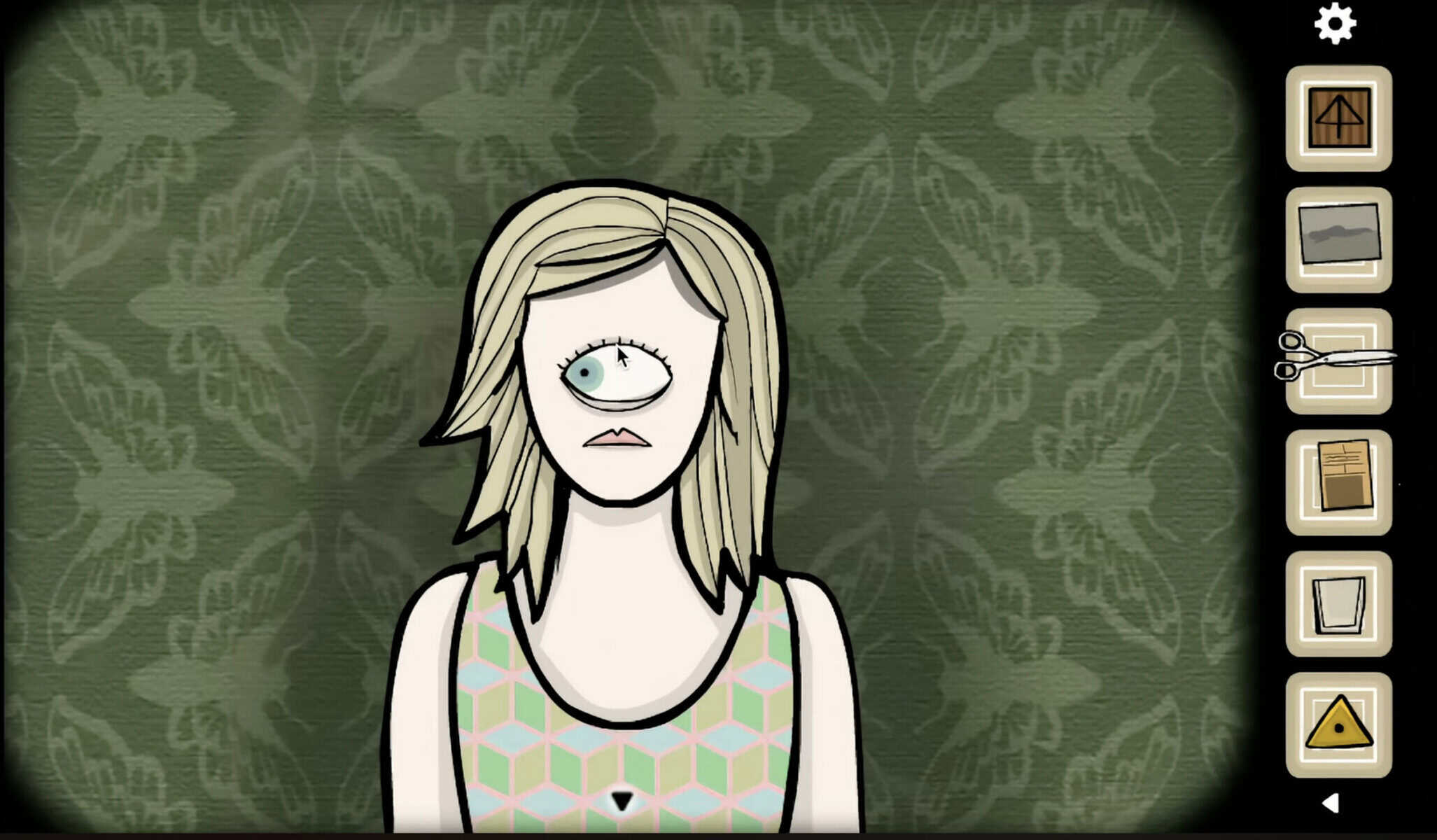

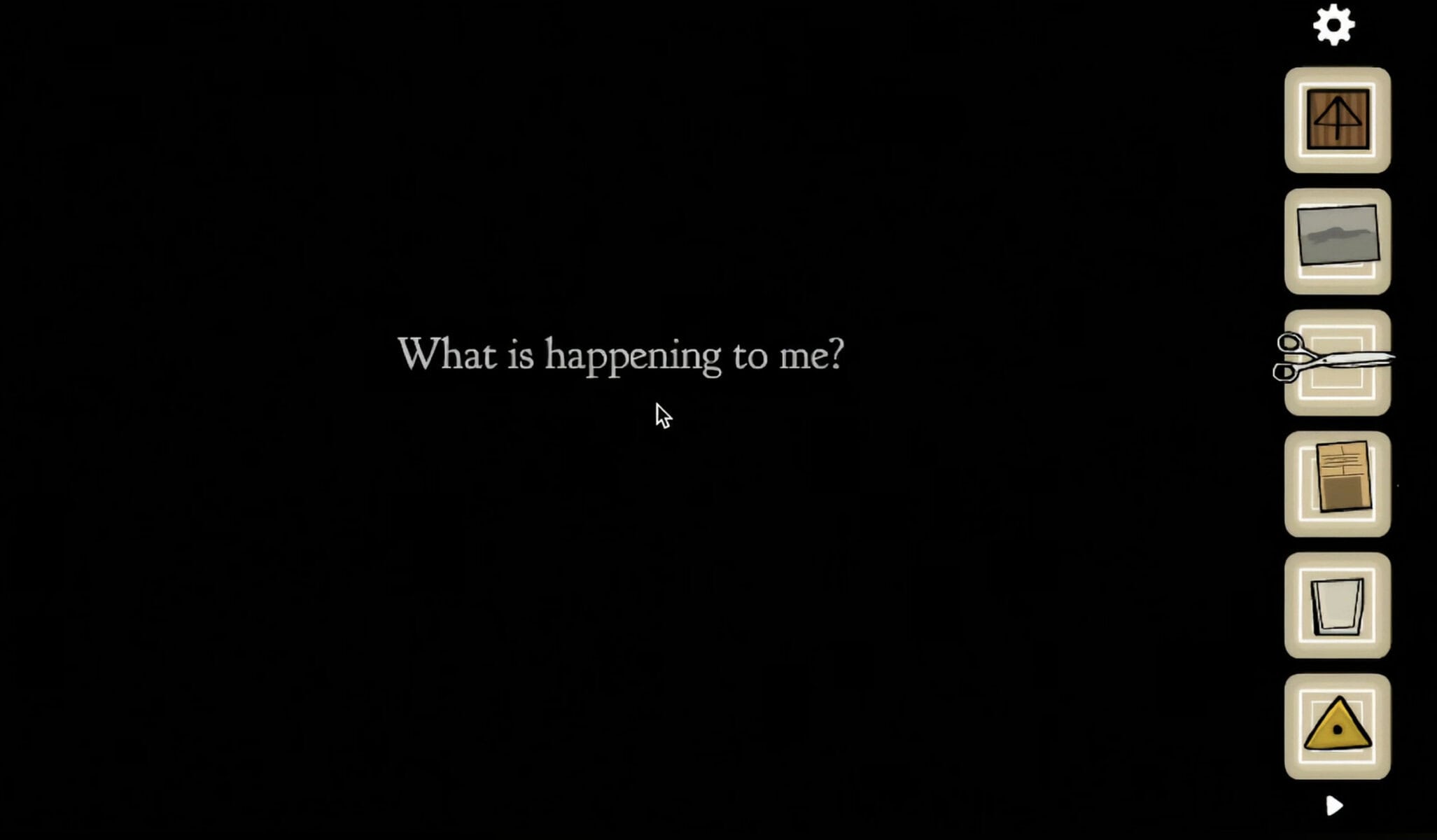
Watching a streamer gives me company and distance. *Paradox* removed that distance: the silence felt lonelier, but every discovery felt mine. I chose a mystery to piece together. By the end, I was also putting Dale back together—and no one on YouTube could remember for me.
All figures are screenshots I captured while playing *Cube Escape: Paradox*, Chapter 1.

