


For this critical play, I am covering Among Us by Innersloth, playable on mobile devices, major consoles, PC, and in VR.
In playing Among Us, the game opened up several real life social behaviors I personally have. Such behaviors include when I chose to speak, how I chose to speak, who I spoke to, what conversations influenced my later actions, and so on. Before getting into the specifics of these behaviors, it is important to understand and breakdown what the game is and how the game actually works.
Among Us is a social deduction/party game built around the basic principles of Mafia. In Mafia, the basic mechanics are there being two separate teams, the townsfolk and the mafia. The townsfolk must survive and vote out the mafia until there are none left. The mafia must kill and/or vote out the townsfolk. If they are equal to or outnumber the townsfolk, the mafia wins. The townsfolk must close their eyes or participate in any other method that prevents them from knowing the mafia during a killing. These mechanics promote the dynamics of lying and manipulation which are used to get other players voted out and turn the game in the player’s favor. Along with this, Mafia promotes looking into social queues to figure out who is suspicious and who is safe. The resulting aesthetic puts players on the edge of their seats as they try to and hope they survive. It makes other players anxious about the coming votes and killings, as any decision made in a person’s conversation may result in their failure. Overall, Mafia is a simple game that does not require anything but people to play in the base version and can be easily understood by various audiences. This simple structure of the game opens the eyes of some more creative players to potential modifications to the game. This is where Among Us’ gameplay comes in.
Among Us is a heavily modified version of Mafia. What makes it unique is the fact that it does not make a couple modifications to the base version of Mafia it is influenced by, but uses the core mechanics of Mafia and expands into a whole new identity. While similar to Mafia, the two games are not the same. Mafia is the bones while Among Us takes on the entire body.
Among Us has far more mechanics than Mafia. When it comes to the basic rebranding, Among Us renames the townsfolk to crewmates and the Mafia to the Imposters. These new labels fit into a theme of astronauts in complex, technical locations, whether they be the Skeld, Mira HQ, Polus, or any of the other newer maps.  What makes the switching of the theme actually important is that the theme is influenced by the different ways the game is played. In Mafia, while there is a theme, it does not exactly matter what it is/is not. Whether it be the base roles or a renaming, the overall gameplay remains the same. Among Us ties its gameplay to the astronaut theme. In utilizing this theme, one of the most essential mechanics in the game draws a line between these two games.
Tasks.
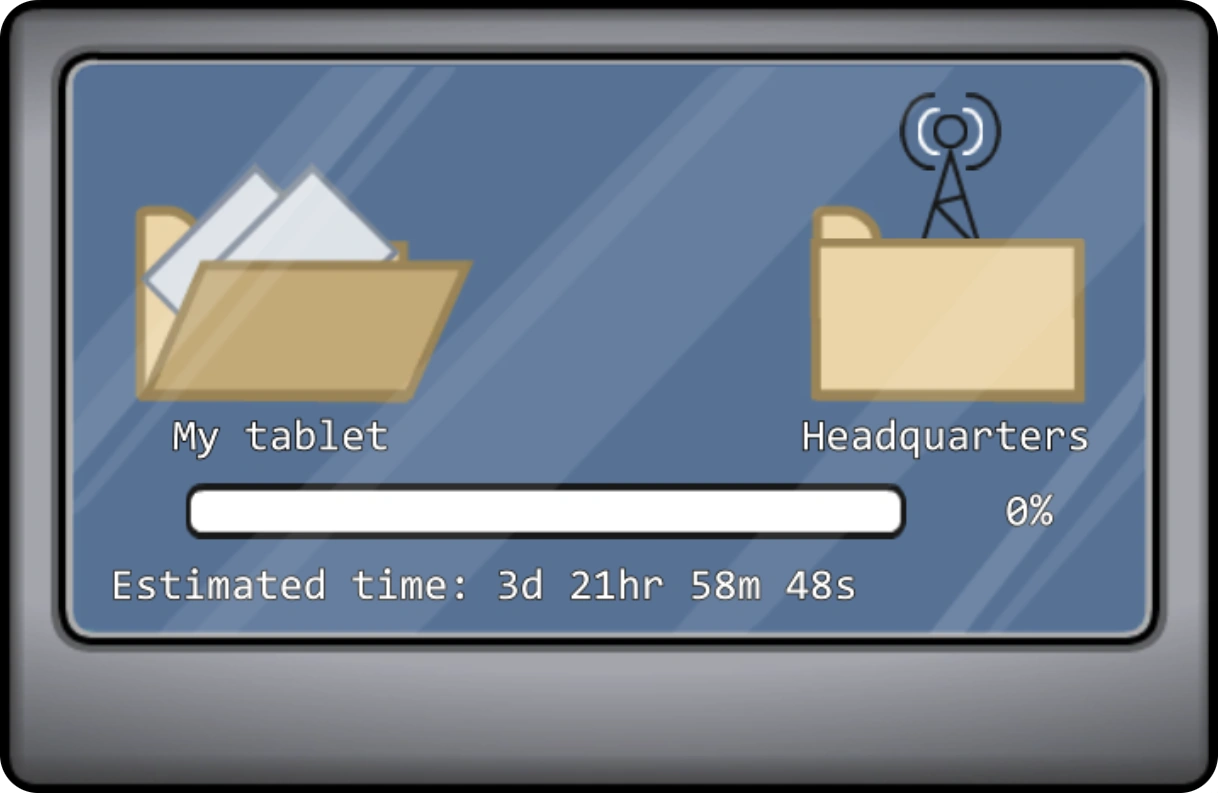
Among Us’ system of tasks gives a whole new purpose to the good role. Tasks are completed by crewmates around the map. After each task, there is a task bar that goes up. When the task bar is full, the crewmates win. This new mechanic changes how the crewmates can win. Importantly, it is not the new set way to win, but an option. When it comes to Among Us’ dynamics players can strategize in how they choose to win. A lot of this strategy is also influenced by other mechanics. Instead of a day phase, players discuss during meetings.Along with this, meetings are not set to a certain time, but instead, they  are always begun by the players themselves. This changes the pacing of the game. Along with this, meetings are started when players either press and meeting button or report a dead body. All of this is made possible by the ability of the players to actually move around the map. In mafia, everything is still. Even if players do choose to physically move in a real life version, it does not change anything about the gameplay. There are far more mechanics in Among Us, however, breaking everything down would lose the point.
So how does all of this influence social behaviors? For myself, the way I speak during meetings changes depending on which team I am on. When I am a crewmate, I often am more open in the way I speak since I can back myself up with the truth. As an imposter, creating a convincing alibi takes time, creative thinking, and improvisation. In one’s alibis, there can be holes and contradictions. This forces me and all other players to speak accordingly, not saying anything that comes to mind but taking time to think and speak. When making decisions, there are always altercations depending on the roles chosen, where tasks are placed, and all else. Spending on my teammate(s), I may play differently based on their play style and experience. We may sabotage accordingly, kill together, follow each other, and blame specific people. As a crewmate, I judge who I can trust and stick with, as well as who I cannot and should avoid. Spending on the specific group, I may or may not be more talkative. If it is random people, I may only present myself in a way that presents my most trustworthy qualities. If I were to play with people I knew, I would have to choose whether to one quiet or not based on how they know my personality to not look out of place.
Now, for the more debatable part, the ethics. One of Among Us’ main dynamics is lying and manipulating. Since the game is built around this and encourages it, if players were to do it, such behavior would remain ethical. It is essential to the game and only to the game. In this game, players mold themselves and the world into their own characters and realities. Everything that involves manipulation should remain within the game. Once such aspects emerge before/after gameplay, the ethics become iffy. It also depends on who people are playing with. Say it is in a close friend group. They would hopefully recognize that it is just a game and contained within the game’s magic circle. But now say someone brings in their elderly grandma in without prior context. Such a person may not understand the dynamics of the game and feel hurt and betrayed by the core play styles. However, Among Us is not a personal game, and often, lies and deception are erased after gameplay. It really depends on what players choose to do with their known relations.

