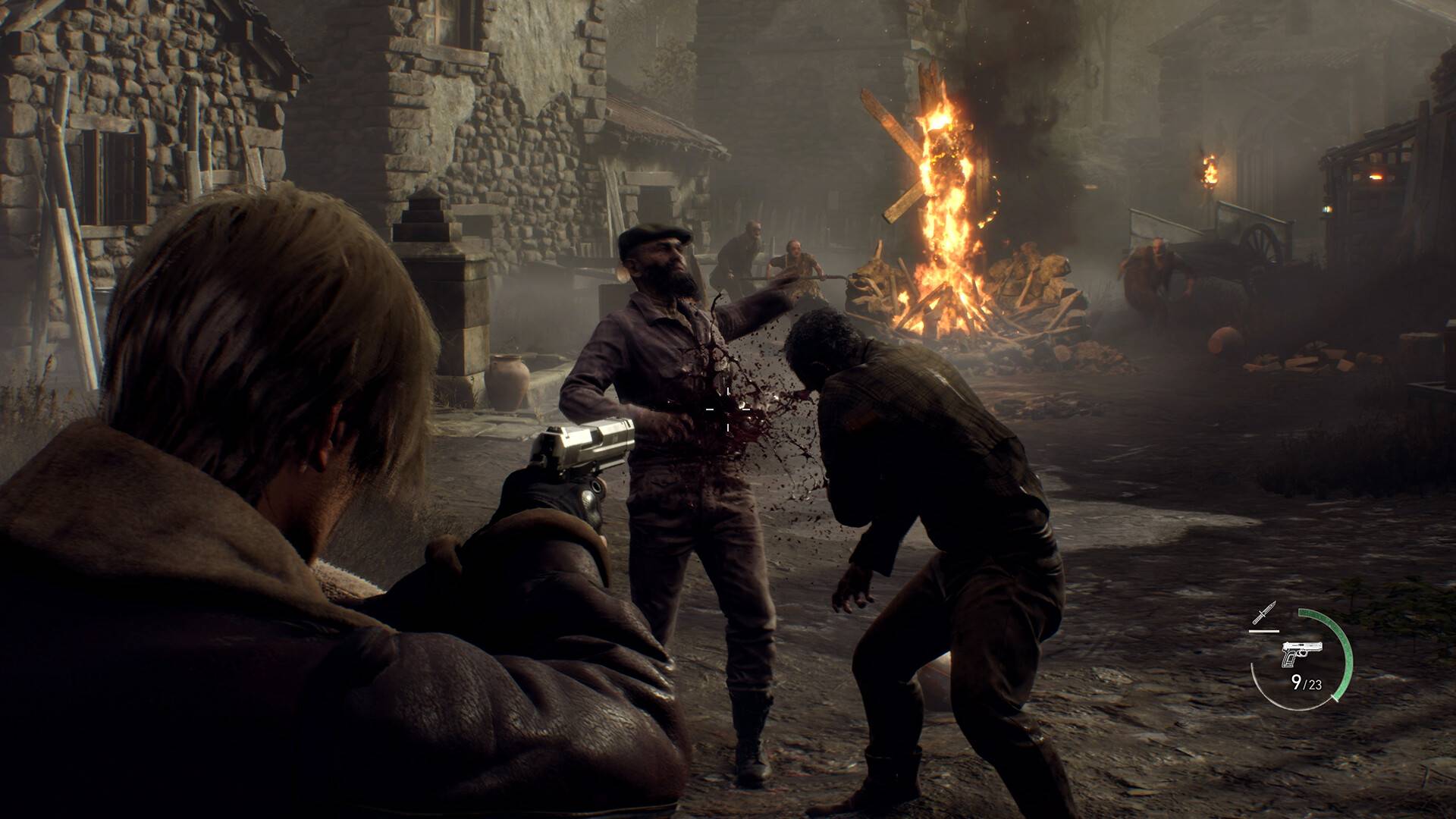
Resident Evil 4 Remake, a popular horror action game, is a great example of how the MDA framework creates the aesthetic of challenge. The game uses three core mechanisms: combat, resource supply, and enemy design, to build a tense and engaging dynamic.
First, the combat system gives players many options, such as guns, grenades, knives, and physical attacks. But these tools are not overpowered. Weapons have limited accuracy, power, and durability. This forces players to fight smart by selecting the proper strategy. For example, they must aim for weak spots, or group enemies together, and use area-damage weapons wisely. Blind attacks never work, so players must learn to use each tool effectively.
Second, the resource system adjusts difficulty in real time. The game tracks the player’s condition and changes item drops accordingly. For example, if the player is low on health and has few herbs, the system is more likely to drop healing items after defeating an enemy. This keeps the game challenging but fair, allowing players to feel the thrill of surviving dangerous situations.
Third, enemy difficulty rises as the game progresses. Players face a steady mix of group attacks and boss fights. This variety keeps the experience fresh and constantly tests the player’s skills and strategies.
Together, these mechanisms create a dynamic where players must fight carefully to move forward. The result is a tense, pressure-filled atmosphere that makes the challenge feel rewarding and fun.