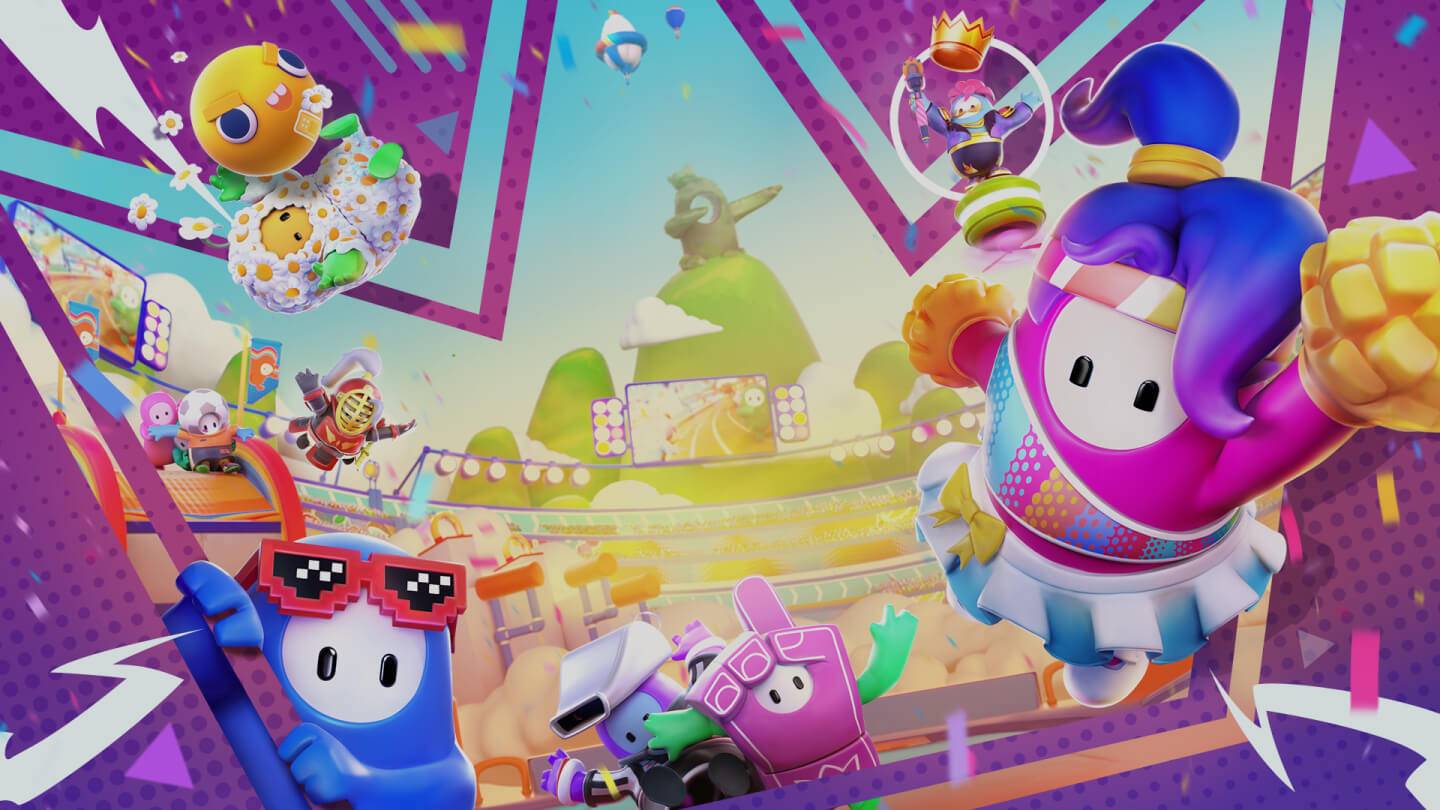
Fall Guys is a 2020 platformer battle royale developed by Mediatonic targeted towards casual players and released on all major platforms, as well as Android. For my Critical Play, I played on PC. The game involves the player competing with other players in a series of randomly selected minigames until one player is left standing. While originally a paid game, in 2022 the game transitioned to a live-service model, adding a host of new and addictive changes. Fall Guys puts players at risk of addiction through the combination of mechanics that utilize randomness and a vibrant, cute aesthetic. These work in tandem to lower players’ psychological defenses and create addictive compulsion loops.
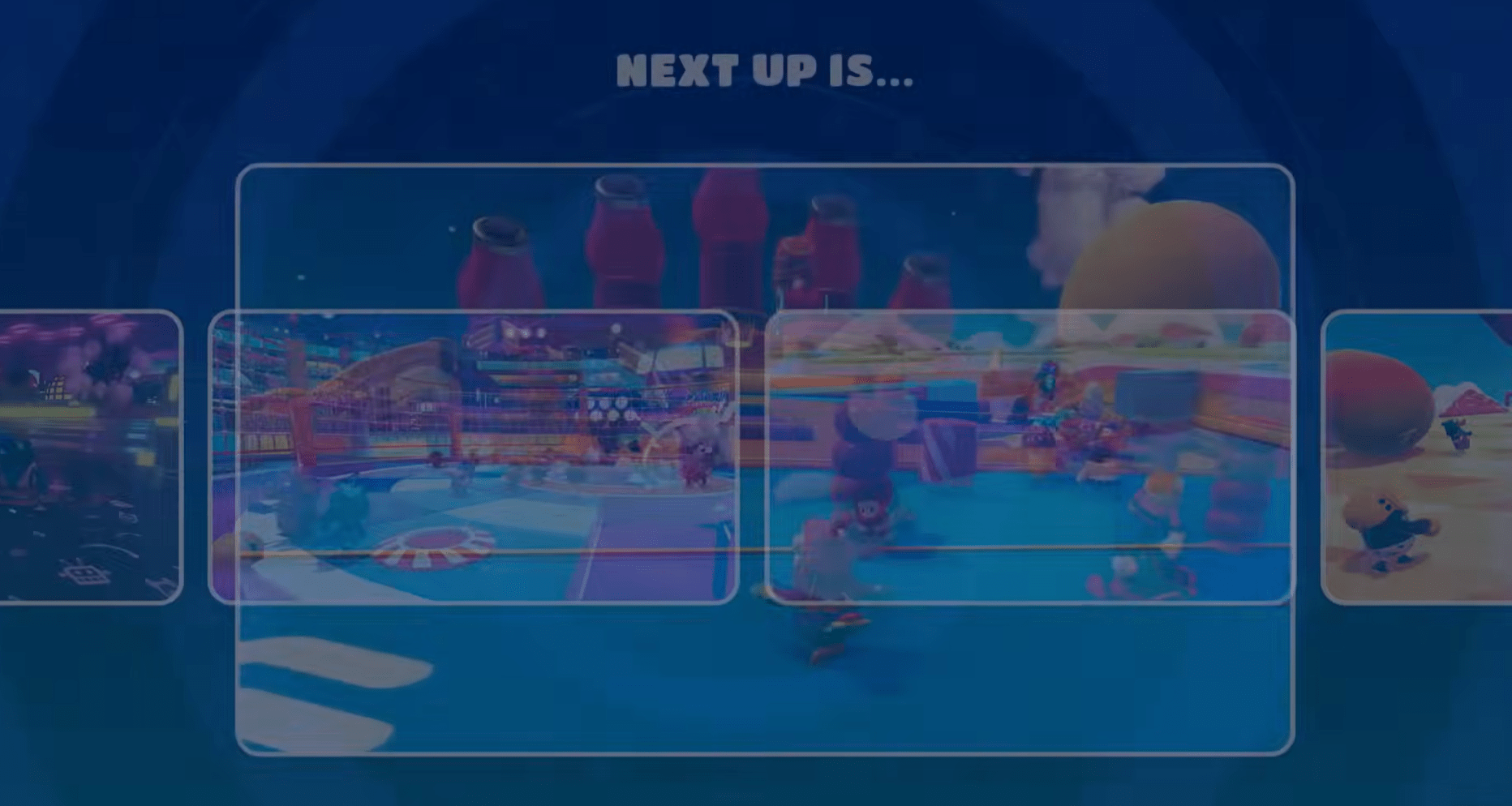
The primary thing making Fall Guys addicting is the gameplay loop itself. The game is divided into short rounds that rarely last longer than 3 minutes. While this results in engaging gameplay, it also creates what ADDICTION BY DESIGN would refer to as a ‘near miss’, one that reduces the weight of a loss and recontextualizes it into an invitation to play again. Furthermore, the main gameplay loop requires randomness: the sequence of maps you get is randomized, ensuring players can never guarantee a map that they may want to play. This dynamically ensures each game is fresh for repeated playthroughs; however, it also encourages players to experience Fun as Submission as the game becomes less about a fixed challenge and more about playing over and over. Losses in the game do not signal to the player that they lost due to their skill, but instead that they lost because of the random map assignment, and that maybe if they play one more time, they would get the map that they want. This way, the anticipation of getting a ‘good’ level triggers dopamine before gameplay even starts. Unlike other games that have the option of random level assignment, like Mario Kart or Smash Bros., there is also no mode to pick your own levels, or modes that only pick from a few pre-selected levels, an omission that I believe was intentionally made to promote the random elements of the gameplay, creating a more addicting experience for the player.
The core gameplay of Fall Guys already sets itself up to be addicting – however, the switch to the live-service model in tandem with its gameplay has increased its addictive qualities The biggest example of this is the addition of a battle pass that requires players to pay for the chance to win unlockables. Players then are forced to play enough to get their money’s worth before the season ends. Additionally, there are daily and weekly challenges that play into a player’s FOMO, locking rewards behind a timer. Both of these elements are ways the game can create artificial scarcity that requires players to clock in to achieve success before the chance to disappears. Edwin Evans-Thirlwell argues this removes the idea of true progression within the game, meaning in order for the player to feel fulfilled they have to keep coming back to the game, illustrating how these mechanics have addictive properties.

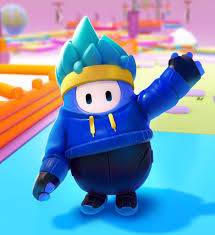
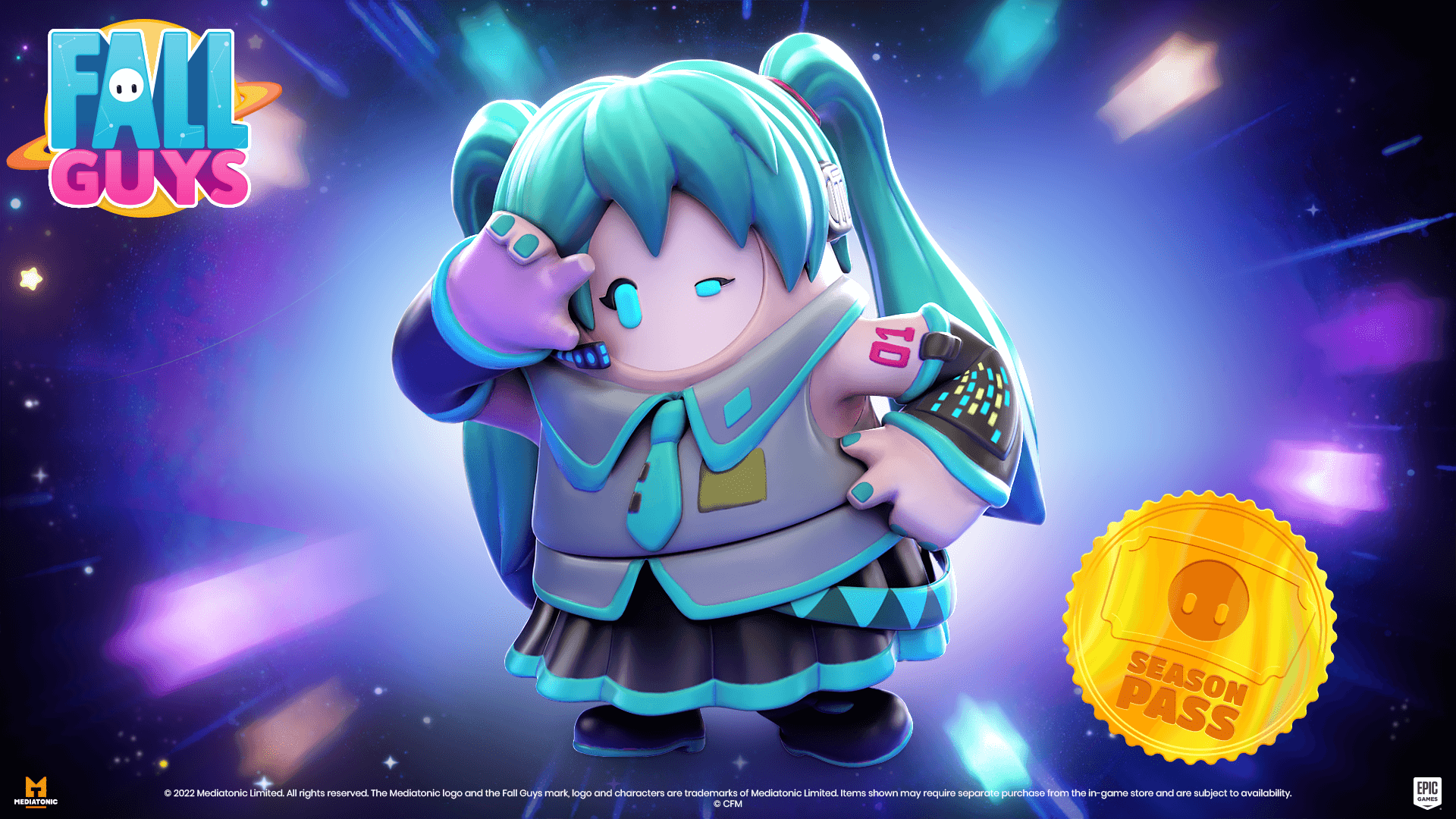
Finally, possibly the thing that makes Fall Guys most addictive is it’s aesthetics and design philosophy. The game is set up to be taken as cute and unserious, which obfuscates its more addictive qualities. For example, the options for customization of the player avatar are usually wacky and silly, frequently using popular media collabs that play into player nostalgia. These are usually locked behind season passes or require their own, dedicated purchases. Not only does this paywall the player’s ability to have Fun as Expression, but also masks the negative perceptions attached to buying an item since it the items players buy are more innocent. Addiction by Design explains these tactics are similar to the ones used by casinos that use bright colors and stimulating sounds to inhibit the brain’s ability to recognize gambling. These ‘quirky’ aesthetics are extended to even gameplay, with the physics of the game being much more variable, and the player character frequently being flung around like a ragdoll or colliding with a dozen players at once. This hinders what Daniel Cook would argue is a skill loop that is supposed to guide players towards mastery of the game system. In other live service games like Fortnite or Overwatch, gameplay is kept constant so that repeated practice of skills leads to more success for the player. However, Fall Guys uses that convention to hook the player into trying to get better at the game, and playing over and over to overcome the level of randomness inserted into the existing skill loop, increasing the chance for addictiveness.
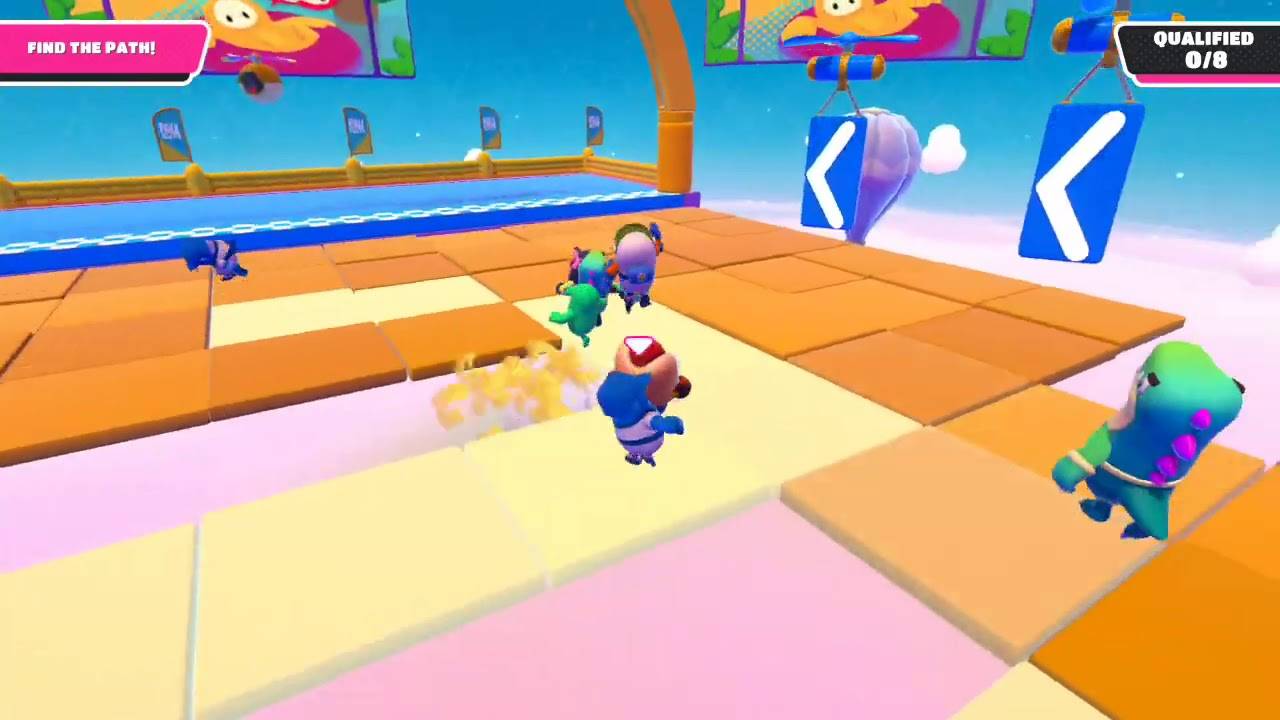
This randomness exists in the architecture of the game as well, with many minigames depending on large amounts of luck within the player’s skill expression. Not only do these serve as what the Designer’s Notebook would describe as Obstacles that shape player behavior, the randomness also creates random outcomes and near misses for the player, encouraging them to replay in hopes of a better outcome that they may perceive to be more likely next game, even though that is not the case. The game obstructs the Fun as Challenge created by these dynamics with this randomness while also signaling to the player that with more plays, the obstruction will not persist, encouraging repeat plays and ultimately feeding into the addictive qualities already existing within the game.

Overall, while Fall Guys’s quick, chaotic, and random gameplay keeps players engaged it also ultimately also holds players hostage to compulsive loops that could put players at risk for addiction.
Ethically, I believe what defines if it is morally permissible or impermissible to use chance in your games is intent. There are many benefits to randomness in game mechanics: in games like Mario Kart and Fall Guys randomness can help create a level playing field and keep the game accessible to all skill levels. However, it is morally impermissible to use chance to exploit the audience. When randomness is tied to monetization it can create loops that have negative impacts on the consumer by making them lose money. Furthermore, it is impermissible when targeted at vulnerable populations, such as children. These populations may not have the wherewithal to resist the dopamine spikes of variable rewards, and so those dynamics are inherently exploitative.