I still remember the times as a kid I pulled up Pokemon Go in the car whenever there was traffic—it would register my avatar as walking, hatch eggs, and help me encounter new Pokemon. Little did I know that I was experiencing addiction by design, repeatedly giving into the impulse of checking for random new encounters in my day-to-day life. Made by Niantic with Nintendo and The Pokemon Company, Pokemon Go is a Massively Multiplayer Online game on mobile that actively pervades our present world as its main premise. Players 13 and up, or children accompanied by a guardian, go outside to explore the world around them to trigger location-based Pokemon encounters, virtual Pokeballs at the ready. Pokemon Go fosters addiction through mechanics strongly contingent on real time, location, and people, and employing randomness between and within Pokemon species to fabricate a sense of scarcity in every spawn near you.
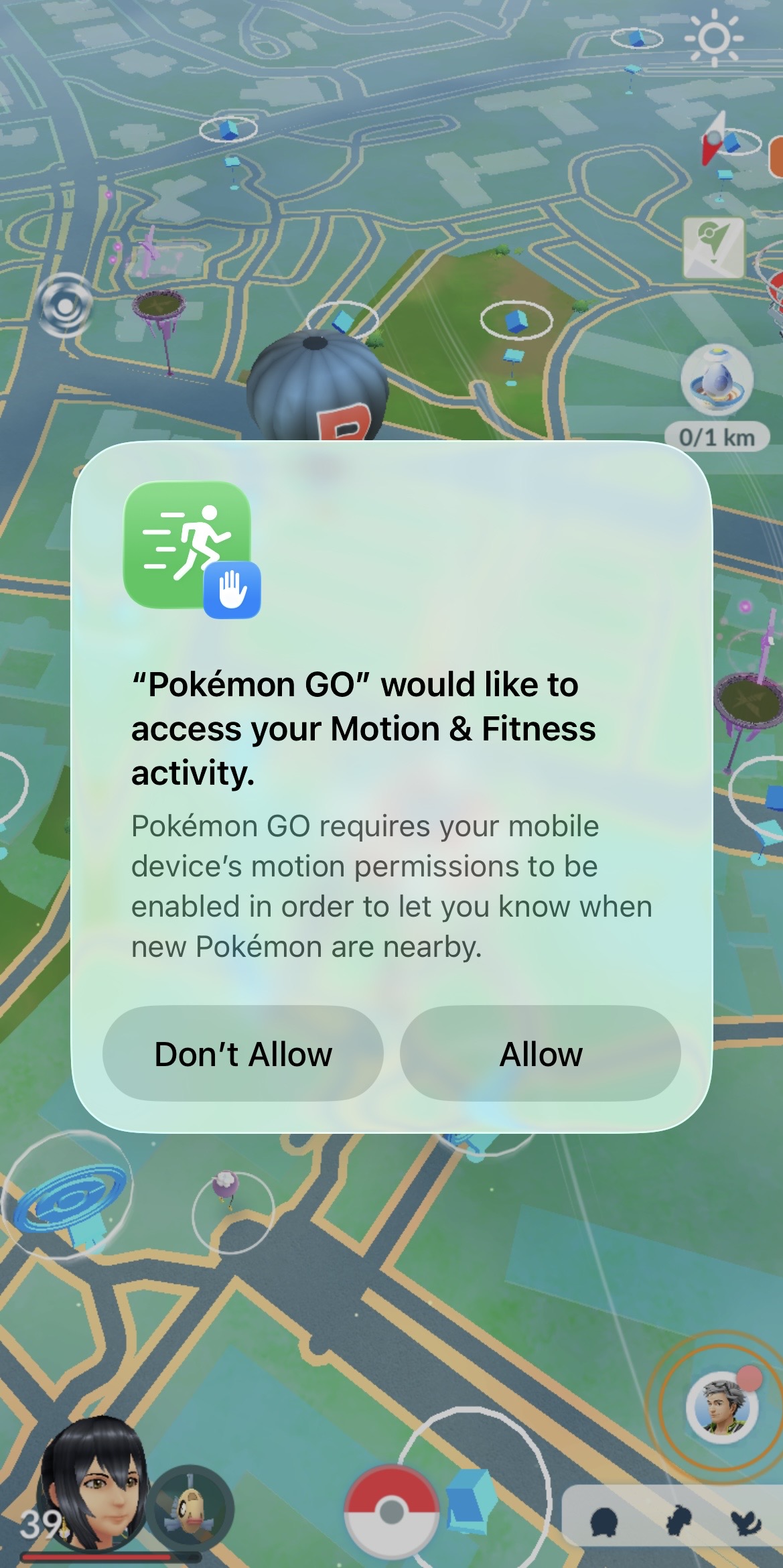
The world of Pokemon Go is a mirror of our own—the digital paths the real roads we walk, the Pokestops real monuments and landmarks around us; the game breaks its digital confines and pulls players into addictive behaviors that infringe on our lives. Pokemon Go blurs the formal element of its boundaries through GPS tracking: in a gamified Maps application, the player avatar must physically move locations for new Pokemon spawns. Pokemon Go pushes the player to share constant location and activity information even when off game with notifications to alert the player when Pokemon are nearby, which encourages perpetual checking. As mentioned in Addiction by Design, players have an illusion of control when moving around to increase the odds of discovering powerful Pokemon, but there is complete uncertainty in which ones actually appear. This unpredictability of Pokemon encounters and Pokemon Go’s usage of real time and space infiltrate our lives—habitually opening the game to check for new Pokemon.
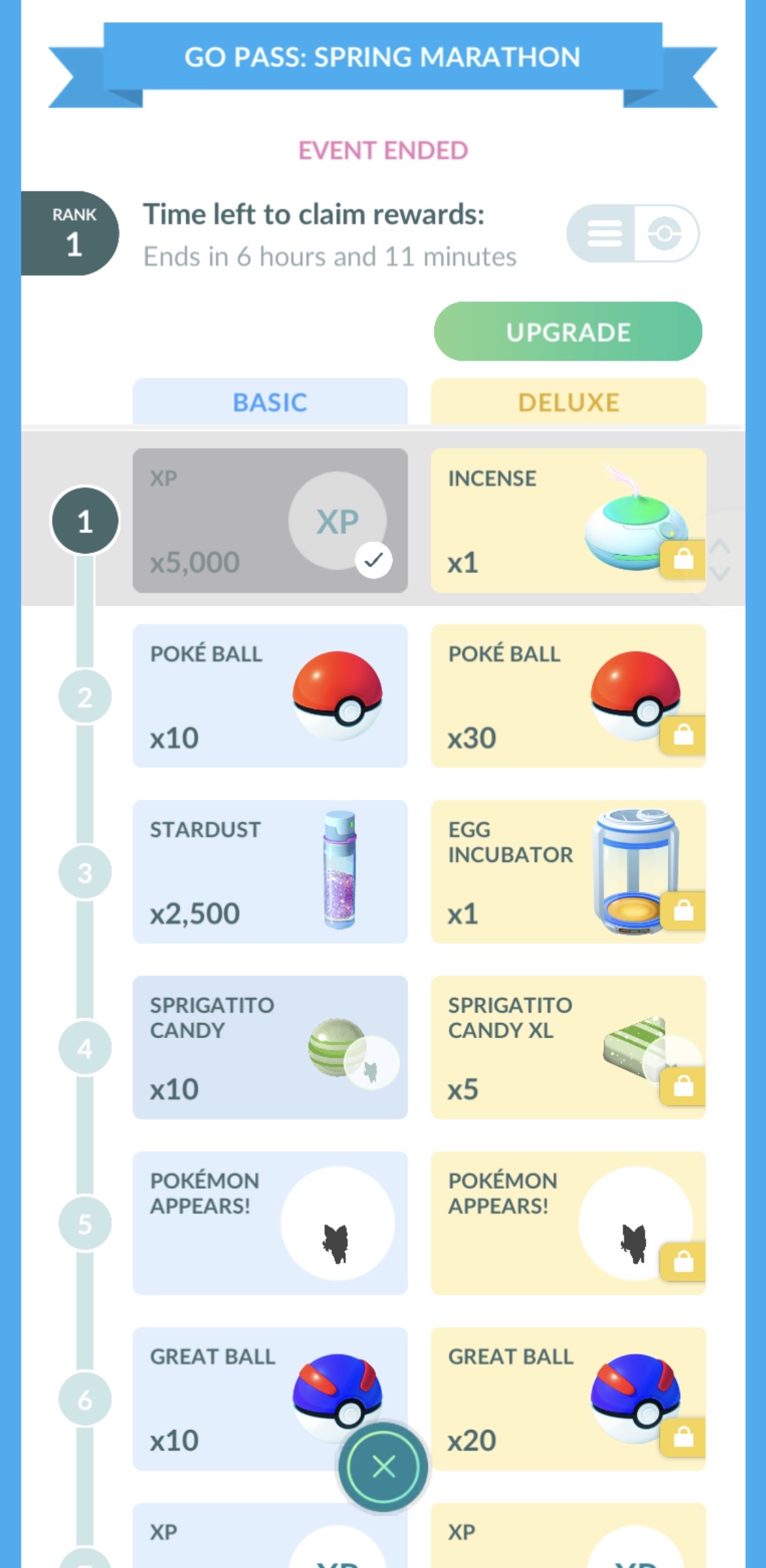
The game operates in real time, offering daily, weekly, and seasonal quests and rewards—optimal gameplay is being online all the time to amass Pokemon and items, further feeding addiction. Pokemon Go coerces payment through Deluxe event passes only purchaseable with real money, for more desirable in-game rewards than those who do not pay, generating “FOMO”. Like the seasonal events, limited time objectives and benefits evoke a sense of item rarity, driving players to play every day. Pokemon Go also leverages players’ desire for Fellowship in the game; beyond being able to add friends, send gifts, trade Pokemon, and battle together, there are weekly goals to catch 500 Pokemon total in a team of 4 random players. Despite being game design for friendship—working together toward the same goal—this imposes social pressure and oppressive accountability to continue catching Pokemon every day of the week. As humans inherently seek belonging and fear letting others down, this seemingly collaborative system is yet another mechanic that reinforces addiction. By leveraging location-based gameplay, real-time events, and social obligation, Pokemon Go manipulates human desires and susceptibility to reward conditioning into compulsive engagement loops that blur the line between play and everyday life.

In addition to taking advantage of reality-based mechanics that incentivize players to return, Pokemon Go delineates random arbitrary differences in Pokemon traits that infuses the thrill of a gamble into every Pokemon encounter, fueling addictive behavior. The game balance emphasizes chance over skill to remove player agency, constructing randomness in every single catch, with minimal skill in gameplay. Pokemon Go would be more transparent and allow informed decisions if there were environmental clues or puzzles that enabled players to track down specific Pokemon. However, the Pokemon spawns are always unknown—this is similar to Animal Crossing’s fishing mechanic, where your catch is unknown, sparking anticipation for super rare fish. This uncertainty and the pull for discovery mimic gambling, coercing continued, prolonged play. Another layer of randomness is event-based, limited-time Pokemon variations; just by placing a hat on a Pikachu, Pokemon Go manufactures scarcity that incentivizes frequent play—a mechanic they easily and infinitely leverage with different accessories.
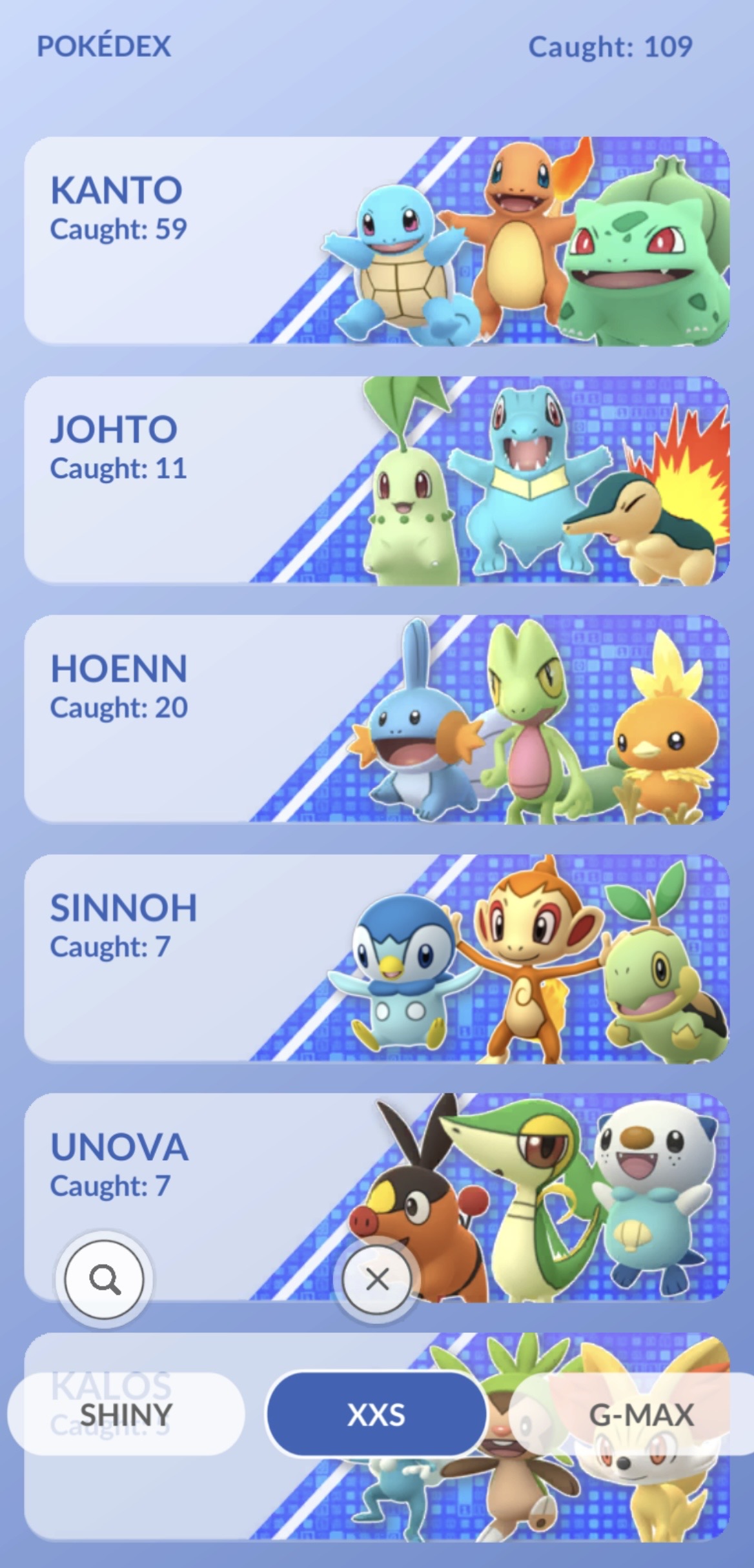
The third, most profound layer of randomness occurs in the Random Number Generated (RNG) traits of each individual Pokemon: Height, Weight, Color (Shiny), and Effort Values (EVs). A Pokedex section logs the “XXS” Pokemon you have caught—an arbitrary difference out of our control with no function, but appeals to our completionist tendencies. The rare “shiny” mechanic creates a dynamic of “shiny-hunting”, encountering the same Pokemon thousands of times with remarkable patience. Even if Pokemon appear identical, their EVs—hidden randomized stat points in battle—also vary. This system transforms every encounter into a potential gamble for the “perfect” EVs, again encouraging players to catch duplicates of the same Pokemon. As Pokemon Go’s central mechanics rely on arbitrary differences in Pokemon assigned outside of player control, every encounter is charged with anticipation of gambling, encouraging compulsive, repetitive play.
Chance is not inherently unethical in game design; randomness in encounters generates suspense and the joy of discovery, while encouraging exploration. However, I think randomness becomes morally impermissible when deliberately engineered to exploit compulsive human tendencies without offering meaningful gameplay or narrative depth. Pokemon Go frequently crosses this line by constructing arbitrary layers of rarity with little narrative or functional significance, such as the “XXS” Pokemon mechanic. Rather than enriching player experience, these predatory systems transform chance into a tool for maximizing retention and engagement that bleeds into our lives in the form of addictive, compulsive behaviors. Randomness should enrich the wonder of discovering new Pokemon and exploring the world, not manipulate players into endlessly chasing arbitrary, functionless variations engineered to keep them playing.