Waking Up Late: How Breath of the Wild Builds Care Through Loss
The Legend of Zelda: Breath of the Wild (2017), directed by Hidemaro Fujibayashi and produced by Nintendo EPD, is an open world action adventure game for the Nintendo Switch. It is rated E10+ and aimed at a broad audience, from teenagers to adults who enjoy exploration based games.
In Gabriela Pereira’s article “The Psychology of World Building,” she argues that world building is not really about setting. It is about character ecology. The player cares about a world because they care about the character living in it, and the character is shaped by nested layers of relationships, culture, and time. Breath of the Wild turns this idea into a design strategy. The game invites the player to care about Hyrule by weaving its narrative elements (character, setting, conflict, point of view) into its formal elements (objectives, procedures, resources, boundaries). My curiosity about Link at the start slowly became grief for people I never met alive.
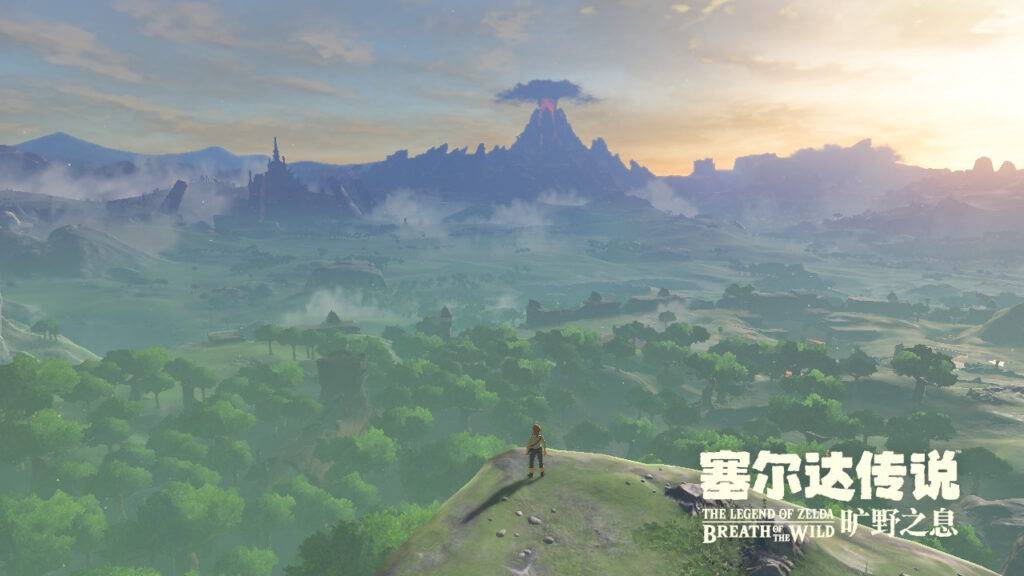
The opening on the Great Plateau sets this up by stripping the formal elements down to almost nothing. Link wakes from a hundred year sleep with no memory and no map. There is almost no UI, no tutorial voice, and no quest markers. In Fullerton’s terms, the game gives the player almost no defined objective beyond “leave.” Procedures are simple, resources are bare, and boundaries are wide open. On the narrative side, the point of view is locked to a silent protagonist who knows as little as I did. This shared blankness between character and player is what made me want to leave the Plateau. I was chasing a question about who this silent character used to be, not a goal the game gave me.
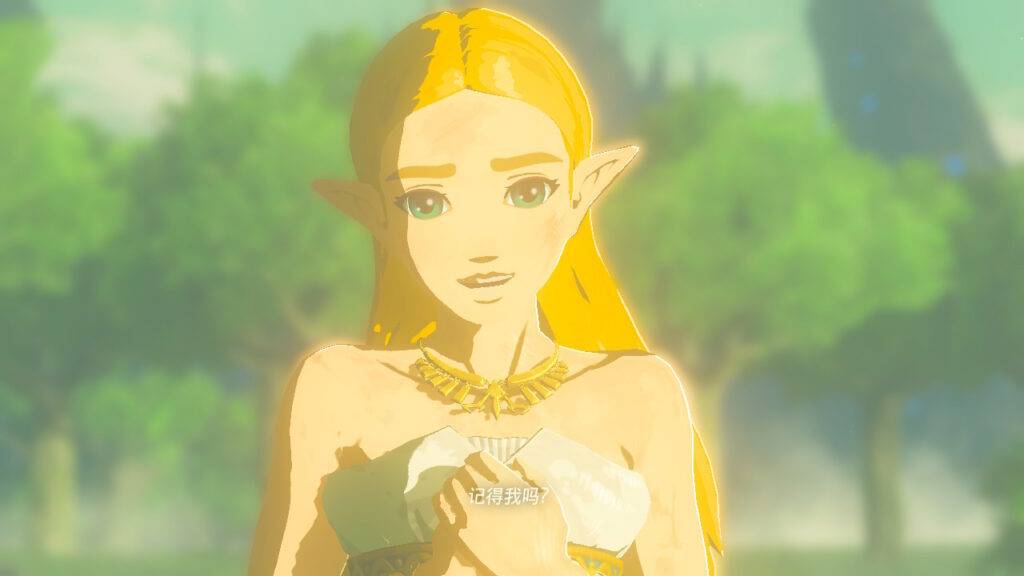
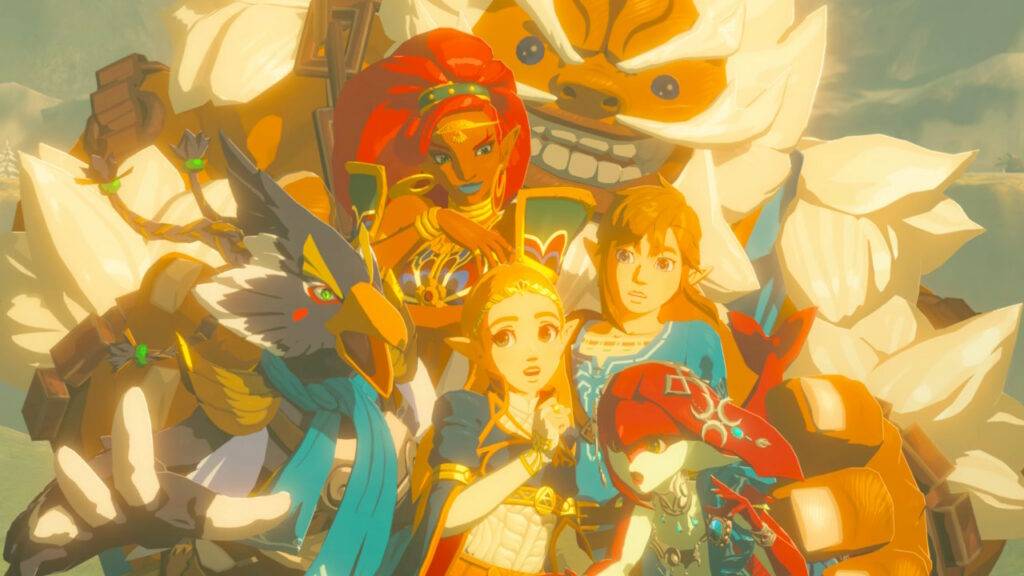
The Recovered Memories are the strongest design choice in the game and the place where formal and narrative elements fuse. They are an optional objective. The procedure is simple: walk to a specific spot on the map. The resource you collect is a fragment of backstory. But what makes them powerful is how this thin formal structure carries the entire narrative weight. The setting becomes a character. Each location is both a place on the map (formal) and a piece of plot (narrative). The conflict you uncover is not the one the game starts you with. You begin thinking your conflict is Link versus Ganon, and you slowly learn the real one was Zelda’s lonely century-long fight. Mipha, Daruk, Revali, and Urbosa died protecting Hyrule. By the time I found the photograph of all six characters together, I was close to crying. Link could not remember the people in the picture, but I could. The game made me feel grief on his behalf.
This is the chronosystem Pereira describes, made into a play mechanic. The Calamity already happened. The player arrives too late to prevent it. Most open world games place the player in an active present where heroism is still possible. Breath of the Wild places the player in an aftermath. Hyrule is not being introduced. It is being mourned.
Compare this to Skyrim. Its dramatic elements are delivered through codex entries, dialogue trees, and quest logs. The world is explained directly. Breath of the Wild refuses that approach. It hides its narrative core inside an optional formal procedure: walking to a location. Players who do not chase the Memories finish thinking Hyrule is a beautiful playground. Players who do chase them finish devastated. The game rewards curiosity with grief, and that is what makes the care feel earned rather than handed over.
The ethics question about the body is where the game gets complicated, because its formal elements make an argument about identity. Link’s body is a resource pool the player builds. He starts with three hearts and one stamina wheel. Everything else, including health, endurance, armor, and cooking buffs, is earned through play. Nothing about being Hylian gives him a built in advantage. This is genuinely different from Dungeons and Dragons, where the rules attach racial stat bonuses to biology. In Breath of the Wild, Link’s identity does almost no mechanical work.
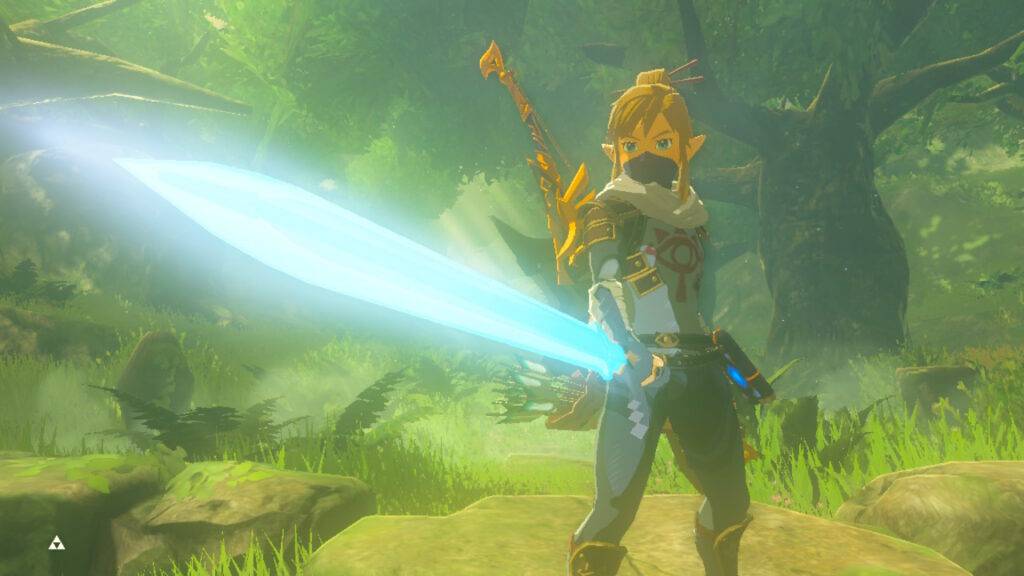
But the Champions and their peoples are the opposite. Mipha heals because she is Zora. Revali flies because he is Rito. Daruk’s stone shield is Goron. Urbosa’s lightning is tied to Gerudo lineage. These resources cannot be earned through the game’s normal procedures. They are inherited, granted from dying friends. So the formal elements free the protagonist from biological determinism while leaving the supporting cast defined by their race. Hylian is treated as the unmarked default. Every other people is marked by their bodily capacities.
If I were to mod this game, I would change the procedure for unlocking the Champions’ abilities. Instead of receiving them after a single boss fight, Link would learn them through extended cultural immersion. Spend enough time fishing with the Zora, and Link swims faster. Train with Goron warriors, and he resists heat. This would extend the game’s best instinct, that capacity comes from effort and culture, to the rest of Hyrule. It would also push back on the idea that the Zora swim because they are Zora, and suggest instead that they swim because they grew up in water.
Breath of the Wild taught me that caring about a fictional world is not about how detailed the setting is. It is about whether the game’s formal elements let the player feel the shape of what the narrative has lost.