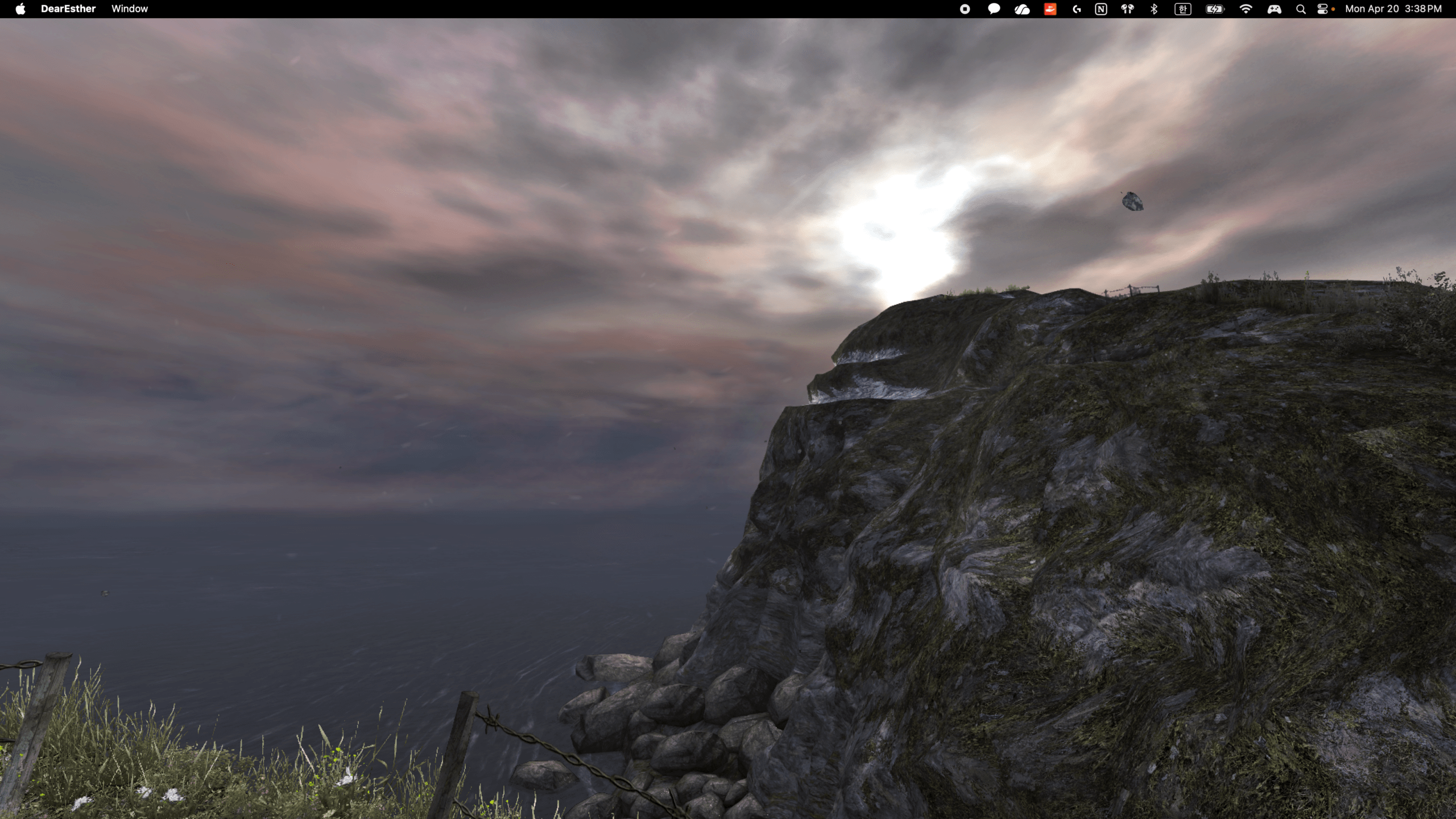
For this week’s critical play, I did a complete playthrough of Dear Esther — and right after completion, I took out my notes and wrote down everything I remembered about the game. I remembered the scenery the most: the masterfully crafted cliffs and caves were engraved deeply in my memory. But not so much about the story — all I remembered was a car accident, and I didn’t even figure out who Esther was. The story — the actual point of the game — had slipped past me while I was busy looking at rocks. Walking simulators, as a genre, trade combat and puzzles for atmosphere and environmental storytelling, betting that exploration and ambient narration can carry a story on their own. Dear Esther aims to tell a story about powerlessness and grief by stripping away conventional game mechanics, but the same environmental design that makes the game compelling also undermines that goal — turning players into tourists instead of mourners.
Dear Esther is a single-player adventure game developed by The Chinese Room and released in 2012. It is intended for players aged 13 and up due to its sensitive theme of suicide, and is currently available on PC and Mac via Steam and on iOS devices. Structurally, the game is very unusual – its mechanics are minimal: you walk, you look, and at scripted locations a piece of narration plays. There are no resources, no objectives, no conflicts, no fail states — if you drown or fall, you simply respawn where you started. This produces a single dynamic: players are pulled forward purely to hear the next fragment of narration, since narration is the only feedback the game offers. The aesthetic that emerges is a mix of discovery and sensation type of fun, as players must navigate through the beautiful scenery. I remember looking certain cliffs and caves for several minutes, mesmerized by the stunning view.
[Figure 1.1, 1.2, 1.3 – Screenshots of impressive visuals and scenery during my playthrough. They come from chapter 1, 3, and 4 respectively.]
This stripping-away is entirely intentional. Spoiler alert: the game ends with the narrator committing suicide by falling from a tall tower, and the player can do nothing to stop it. I argue that this is the role the game wants you to pay — a powerless bystander who can only observe a story they cannot change. The treatment of violence reinforces this statement. During class, we played Krunker.io, where violence is the game. Its mechanics reward players for shooting other people, producing competitive dynamics and the aesthetic of challenge. Dear Esther is the opposite. It contains exactly one act of violence, and the player neither causes it nor can prevent it. In most games where the protagonist dies, the player has at least done things throughout. Here, the player is the protagonist and has done nothing — no choices led to this death, no actions could prevent it. By denying every form of player activity that games usually provide, the game mirrors the emotional condition of its narrator: a man who cannot change what has already happened and is drifting toward his own death.
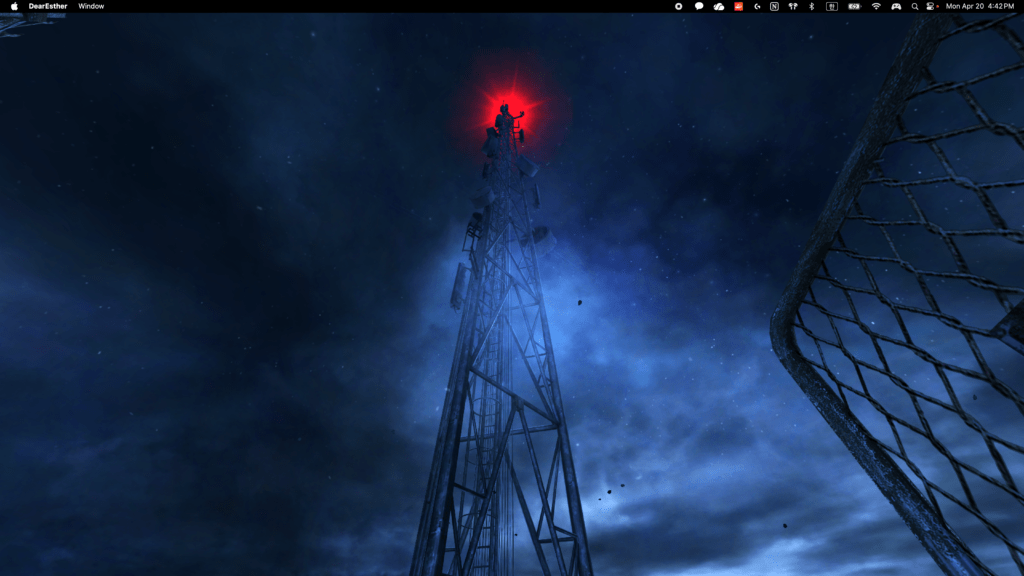
[Figure 2. Violence in Dear Esther – the protagonist falls off this tall tower. The player cannot prevent this violence.]
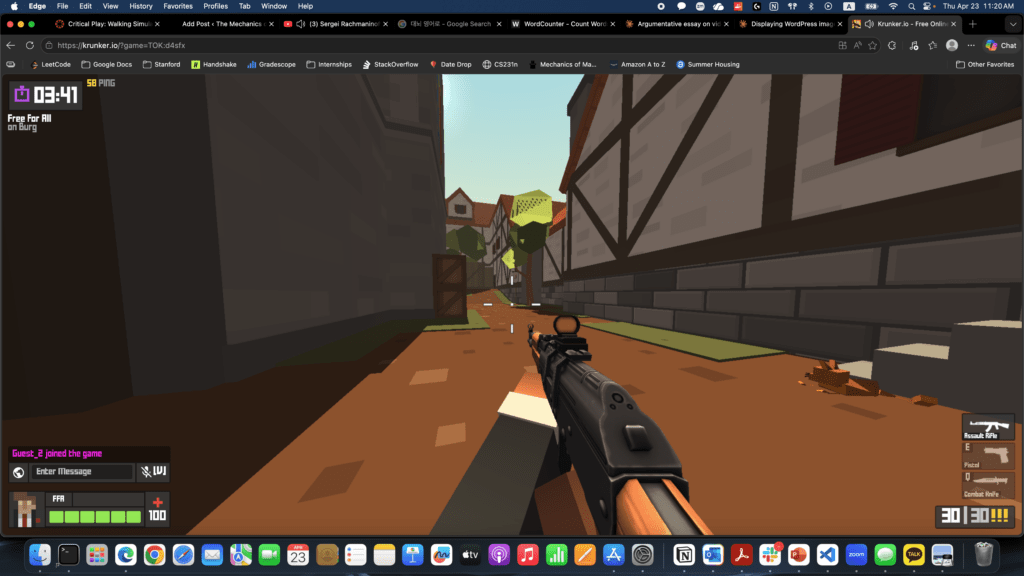 [Figure 3. Violence in Krunker.io – the violence is actively generated by the players themselves.]
Some of these design choices work as intended. The absence of fail states – not being able to deviate or die on your own, means the final suicide becomes an inevitability. The slow walking speed creates a sad, contemplative rhythm the player cannot escape. And the island’s geometrical design is a masterclass of visibility control: the next area is almost always occluded by terrain, which provokes curiosity and pulls the player forward. The below images show a typical example in a cave sequence – the next area is occluded by the corner, and it is revealed only once you arrive. This is the same design pattern used in stellar games such as Breath of the Wild – that game intentionally occludes the player’s view with triangular hills and mountains, which stimulates the players’ curiosity fosters exploration. I recommend checking out this video that explains this concept – https://www.youtube.com/watch?v=CZzcVs8tNfE
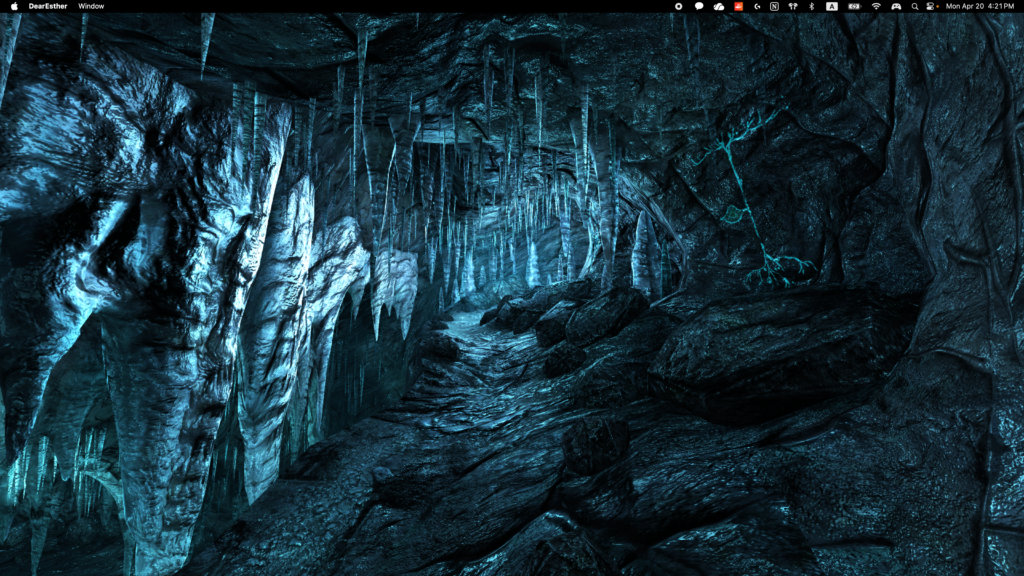
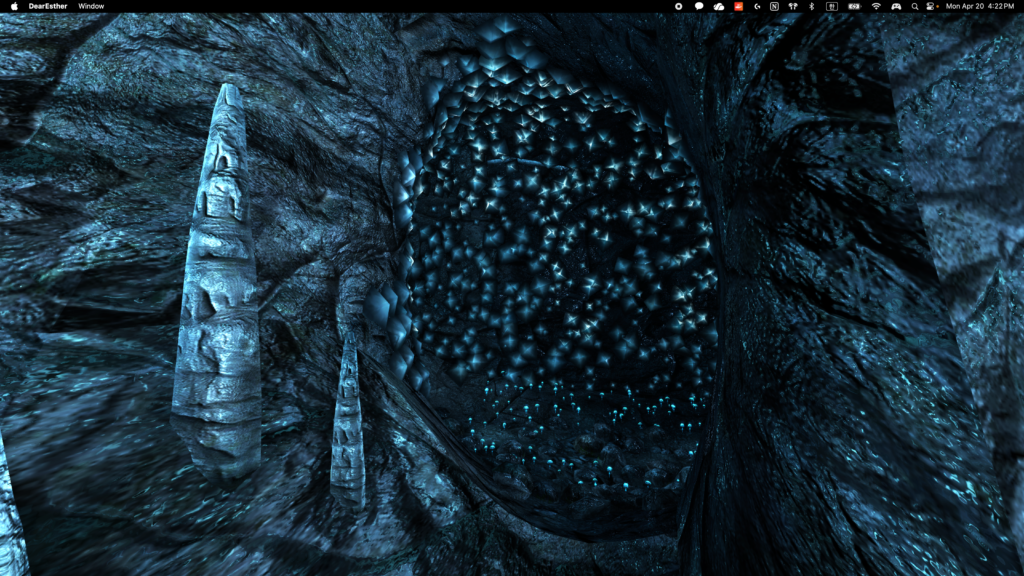
[Figures 4.1, 4.2 — A cave sequence demonstrating visibility control: the next area is hidden by a corner (4.1), and revealed only when the player arrives at the corner (4.2).]
However, this is also where Dear Esther fights itself. The same view occlusion techniques that move players forward also pull their attention toward scenery, away from narration. And the narration is very fragile: each line plays exactly once, triggered by location, with no repetition. Critically, the subtitles are turned off by default, and I only discovered that you could turn them on after finishing the game. On my playthrough, I was so busy navigating beautiful terrain and scanning for the next path that I barely heard what the narrator was saying. I only realized the game was about suicide at the very end, and I had to research the plot afterward to understand what I had just experienced. This is the game’s central contradiction – a game that wants the player immersed in a somber, internal monologue has built its environment to reward looking outward, and has made its story’s delivery mechanism unforgiving. I understand the design choice – with almost all gameplay mechanics stripped away, beautiful scenery is one of the few remaining ways to keep players from leaving. However, it doesn’t change the fact that the exploration and narrative designs are working against each other.
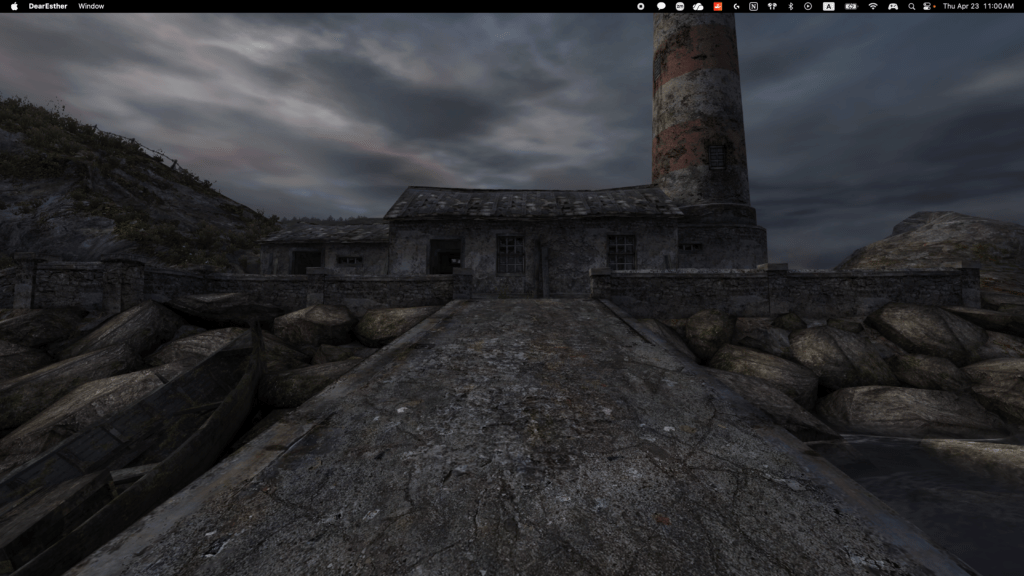
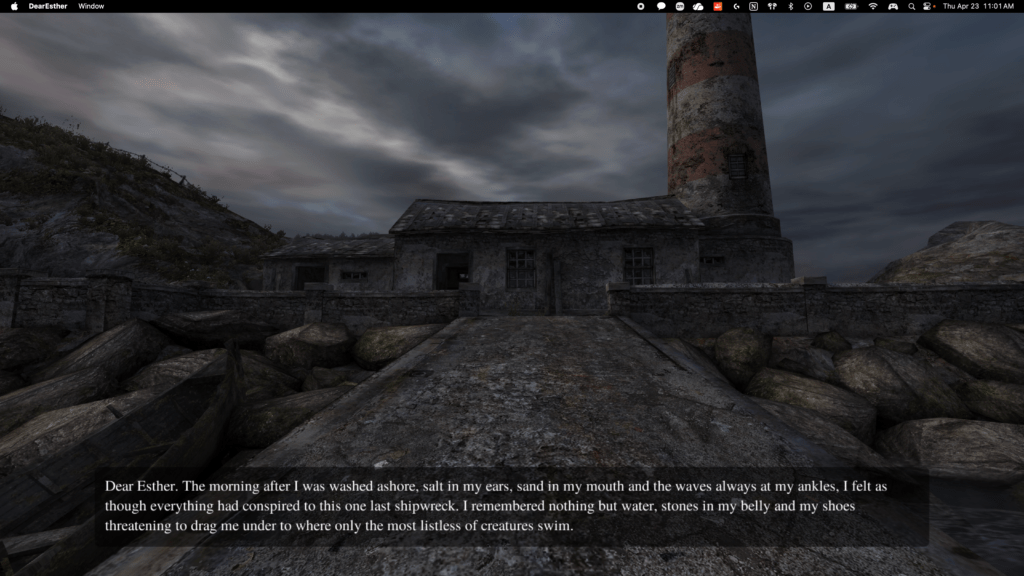
[Figure 5.1, 5.2 – Comparison of captions turned off and on. I played with captions off, not realizing I could turn them on.]

[Figure 6 – The closed caption options. It is disabled by default.]
None of this means that walking simulators are a failed genre — the ambition of using environmental design to produce non-action emotions is genuinely valuable. Dear Esther is an early, honest attempt at that project. But it is also a cautionary case: when a game’s exploration design and its narrative design point in opposite directions, the more spectacular one wins. I walked across the island, and I walked toward a death. I just spent the whole time looking at the view.