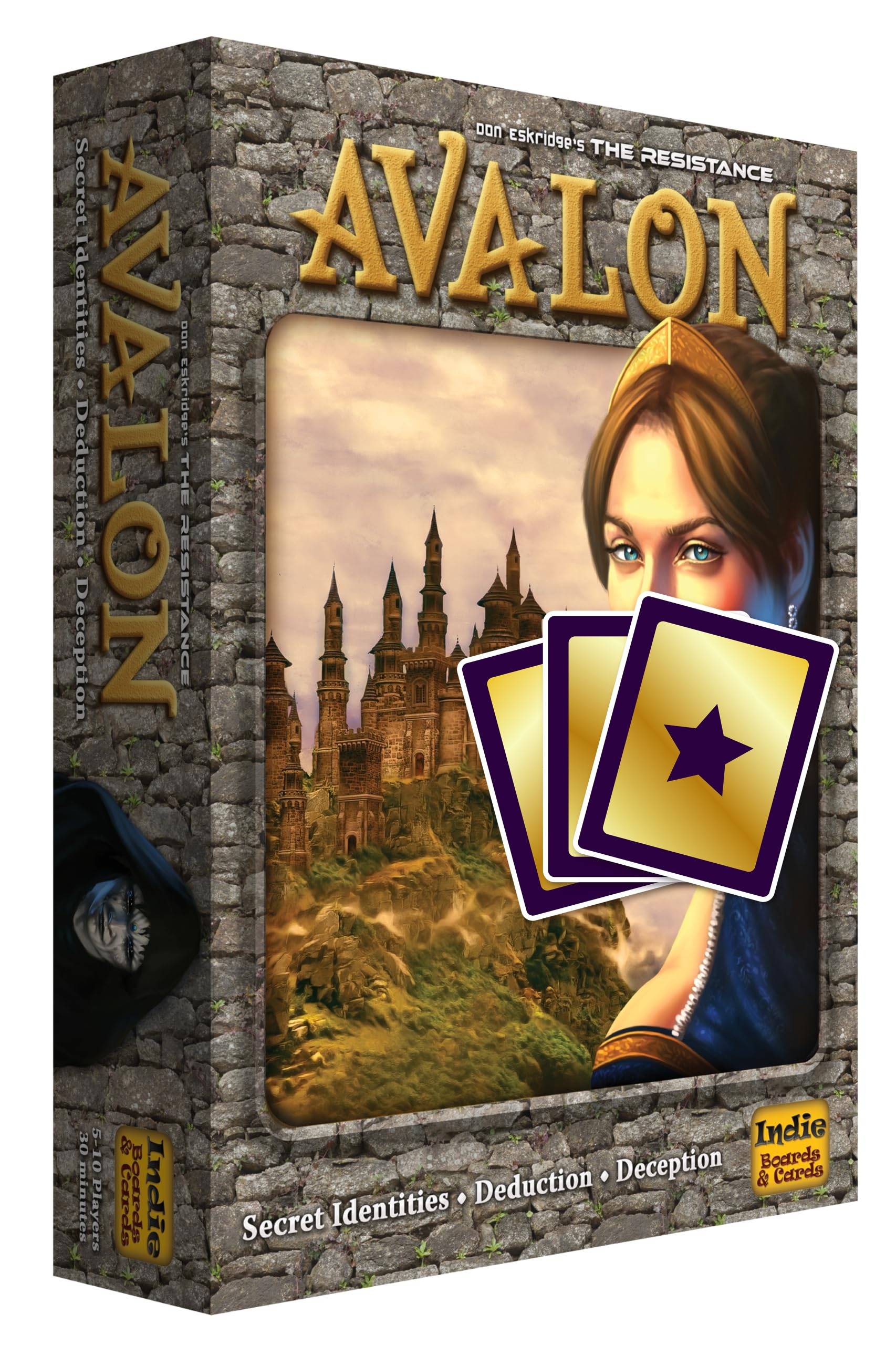
For P1, our team is planning on creating a social deduction game, similar to Avalon or One Night Ultimate Werewolf. In our game, votes are a resource that can be traded to gain additional information. Players must balance finding their teammates with being able to take action on their assumptions. Through prototyping, I hope to answer the following questions:
- What is the ideal exchange between votes and information to keep a game fair? Without balance between teams, a social deduction game simply feels frustrating for one team and boring for the other. To maintain this balance, information must be useful enough to be worth spending potential future votes on, but not so useful that one team can always win by obtaining such information. Our prototypes can vary both the cost of information and the certainty of information. I lean towards information being low cost, but with a non-insignificant amount of uncertainty such that there is not a high bar to entry for initial information, but quickly solving the game is still difficult. This comes from my experience playing BoTC: even with a lot of information, if none of the information is certain, you still must rely on social deduction to help you figure out the best move.
- How many roles is ideal to balance complexity and the value of information? Similar to the previous question, this question deals with balance, but this time between gameplay length and hidden information value. If there are only a few roles, then information gather becomes less useful and could become less interesting. However, if there are too many roles, deducing them all may prove far too difficult, especially within a shorter time frame. With our prototype, we can experiment with different combinations of roles per round and also a variety of how interactive these roles are. My current thought is that many roles will be needed to make information retrieval useful, although this will increase the complexity of the game. To counteract this, I think having less useful or disruptive roles could make information still interesting, but not create overwhelming possibilities.
- How does the theme impact player’s perceptions of the game and ability to immerse themselves in the social aspect? Most social deduction games contain some sort of fantasy theme that allows players to immerse themselves in a narrative during the game. Because players actively have to adopt these roles, the look-and-feel can easily shift the tone of the game. To test this, we can give several difference premises, ranging from serious global conflict to lighthearted animal rivalry, when introducing the game and change the names of role cards or teams without modifying the objectives. We can see how players react and which theme allows them to best enjoy the game. I’m split between which theming would actually work best: on one hand, a serious tone could have players take the game more seriously, but on the other hand, a lighthearted theme may make the game seem less intimidating and more fun. I am currently leaning towards a lighthearted theme being more well-received to balance the complexity of our game.