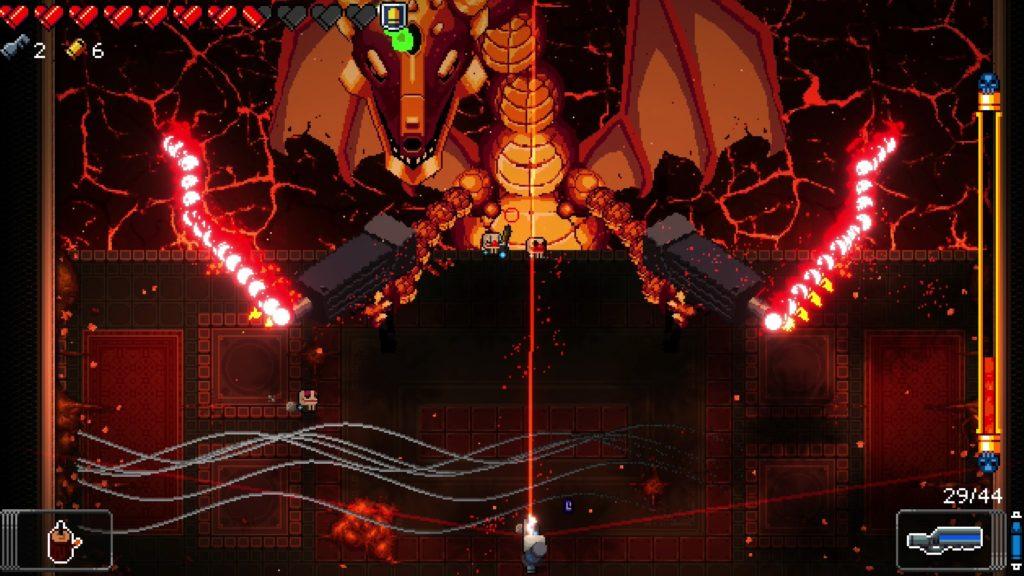
Before class, my view on games and game design could be summed up in one sentence: as long as it’s fun.
In fact, the only reason I initially wanted to come here was also one sentence: I wanted to add a compendium to the game I play, but I didn’t know how to make it better, because I didn’t know how to design it.
However, everything changed after I arrived here.
I learned how to analyze games from the MDA perspective, how to design mechanics, and how to use game mechanics to express my ideas, to tell the story, to convey everything I wanted to say.
But contrary to my hopes, the problem I feared most and found most difficult emerged: I have almost no artistic ability—whether in drawing, designing game characters themselves, or crafting interesting stories for them. This has also made it hard for me to truly understand what the “A” in MDA really is. I thought about giving up, even about dropping the course. But thanks to all of you, for your selfless help and explanations, I gradually came to understand these concepts.
By designing my own indie game, I truly integrated the concepts from the classroom into my work. For the first time, my game had something it wanted to express, for the first time it had a desire to speak, and for the first time I thought about balancing the gameplay experience. Perhaps MDA may not appear in this same form in the future, but its core remains firm: what do you want to say? That question has since become the foundation of my design philosophy.
Yes, I am still not very good at pure aesthetics, but I think I now know what to do: even a few simple geometric shapes can convey extraordinary meaning, and through that, help players understand what I want to say.
Although what I came here to do hasn’t changed, now I want to add a few more sentences to it: I want to add a compendium to the game I play, so that players know how to explore the game, how to understand its story, and how to enjoy everything the game offers them. Though I am still exploring how to add this compendium, I feel I have begun to understand its meaning. It is not to tell players how to play, but to tell them: if you can’t hold on, there is someone here, a compendium here, willing to help you, willing to tell you everything, willing to give everything for you.
I am still exploring, still thinking, still considering how to complete my game compendium. My future will also be about continuing to refine my compendium, turning it into reality, into a playable game, into one of those indie games you talked about in class today.
I believe that one day in the future, I will face that inexperienced newbie, that newbie who knows nothing, and say those words, the words you all said today: “Is there anything I can help you?”