

Clash of Clans is a mobile game by Supercell. I played the game on the iPhone app. It’s a free to play game with optional in-app purchases and random rewards where players build a base from scratch, can modify their layout and upgrade their buildings, and can train troops to raid other player bases. The game puts players at risk for compulsive engagement not through an obvious slot-machine mechanic, but instead through an entire structure that turns waiting, upgrading, raiding etc into a long-term addiction loop. The randomness feeds that loop by making matchmaking, attack/defense, rewards and timing feel uncertain enough that the player feels a compulsion to check back.
The reading’s critique of live service games as “the living dead” help explain why clash of clans feel endless. The village is never ever complete, there is always another building to upgrade, another event to finish, or another seasonal reward to claim. The games life depends on this repeated attention but the life can become undead then returning stops feeling like a meaningful play and start feeling more like maintenance. Waiting is not downtime but a central mechanic to the game. Upgrades for everything ranging from buildings to spells to troops take time, the player is offered ways to accelerate this time through gems, builders, and other pay to win mechanisms.
Tying this to the loops and arcs reading, CoC nests loops of different sizes together. The short loop can be done very quickly in one session and typically is collecting resources, attacking, starting upgrades, and repeating. The medium loop takes slightly longer like one season or one month and are things like designing a base, completing events, and finishing clan games. Long arcs may take months, like town hall progression. No single loop is necessarily predatory but the danger lies in the fact that they overlap so tightly that there is never a moment where the player is completely finished. When one event closes, another opens, when one upgrade timer ends, another begins. This design always leaves a small unfinished task at the back of the players minds, making them want to check back.
CoC also borrows some gambling like psychological effects without becoming pure gambling. The chance in the game is mysterious but partly controllable: players can choose an army and attack plan but the matchmaking and available loot, and the ultimate path of troops can all produce uncertain outcomes. When a raid ends at 49% or just shy of 3 stars it feels like a “near miss” so the player also gets the mentality that one more try might be enough. The same logic applies to players almost getting enough to afford an upgrade or event reward.

Figure 1: A raid that is at 87% but only one star made the player feel a lack of satisfaction and a sense that they could have done better, prompting them to start a new raid immediately
Despite these strategies CoC uses to keep players addicted, it is also a genuinely fun game. Games are pattern learning systems and CoC helps teach players to recognise base layouts, troop patterns, clan coordination, and more strategic elements. Through the MDA frameworks, the mechanics include upgrades, troop training, raids, loot, timers, seasonal rewards, and gems. These mechanics produce dynamics of waiting, optimizing, comparing progress, and chasing limited-time rewards. The aesthetics include mastery, competition, collection, progression, and sometimes anxiety.
The ethical problem is that mastery of these patterns become attached to timers, monetisation, and recurring obligations.
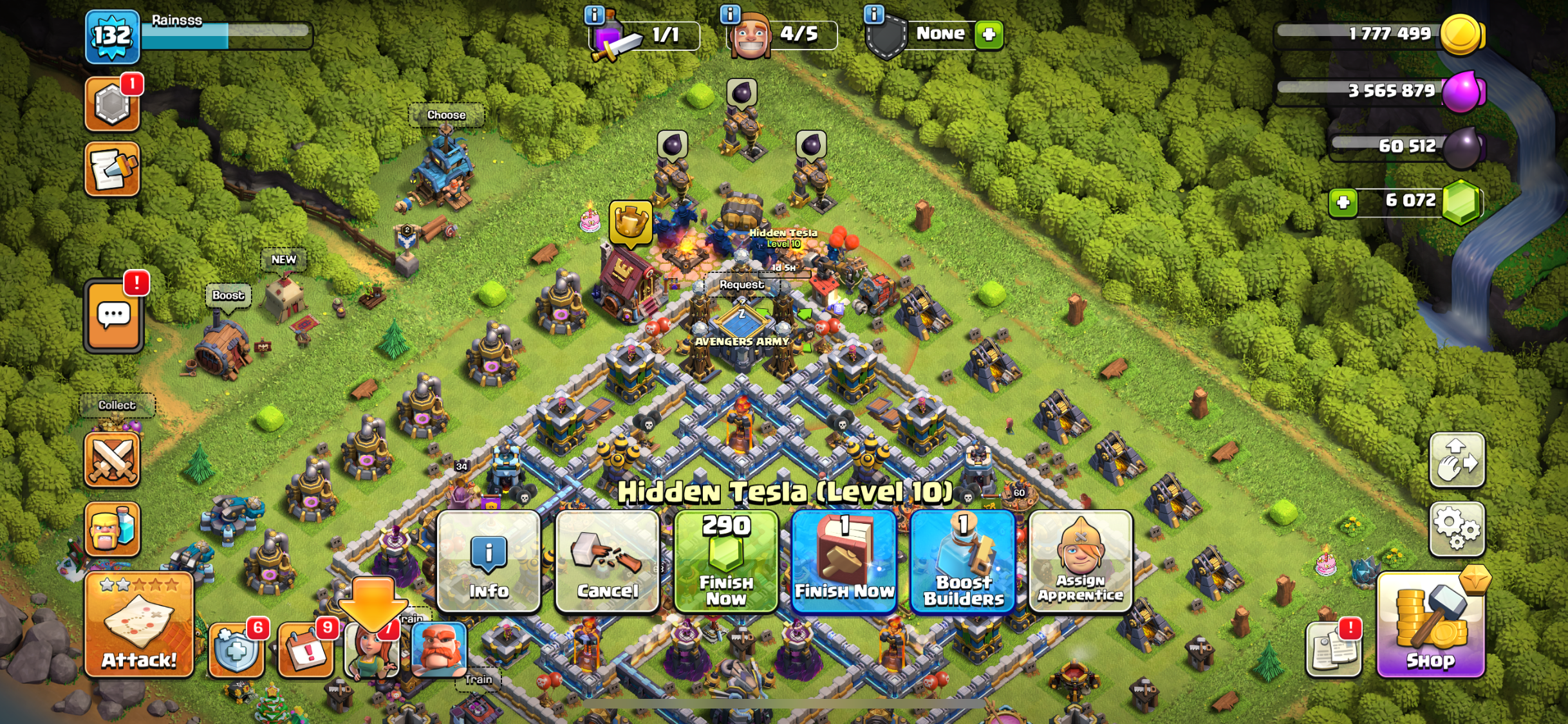
Figure 2: Upgrade timer with gem skip option.
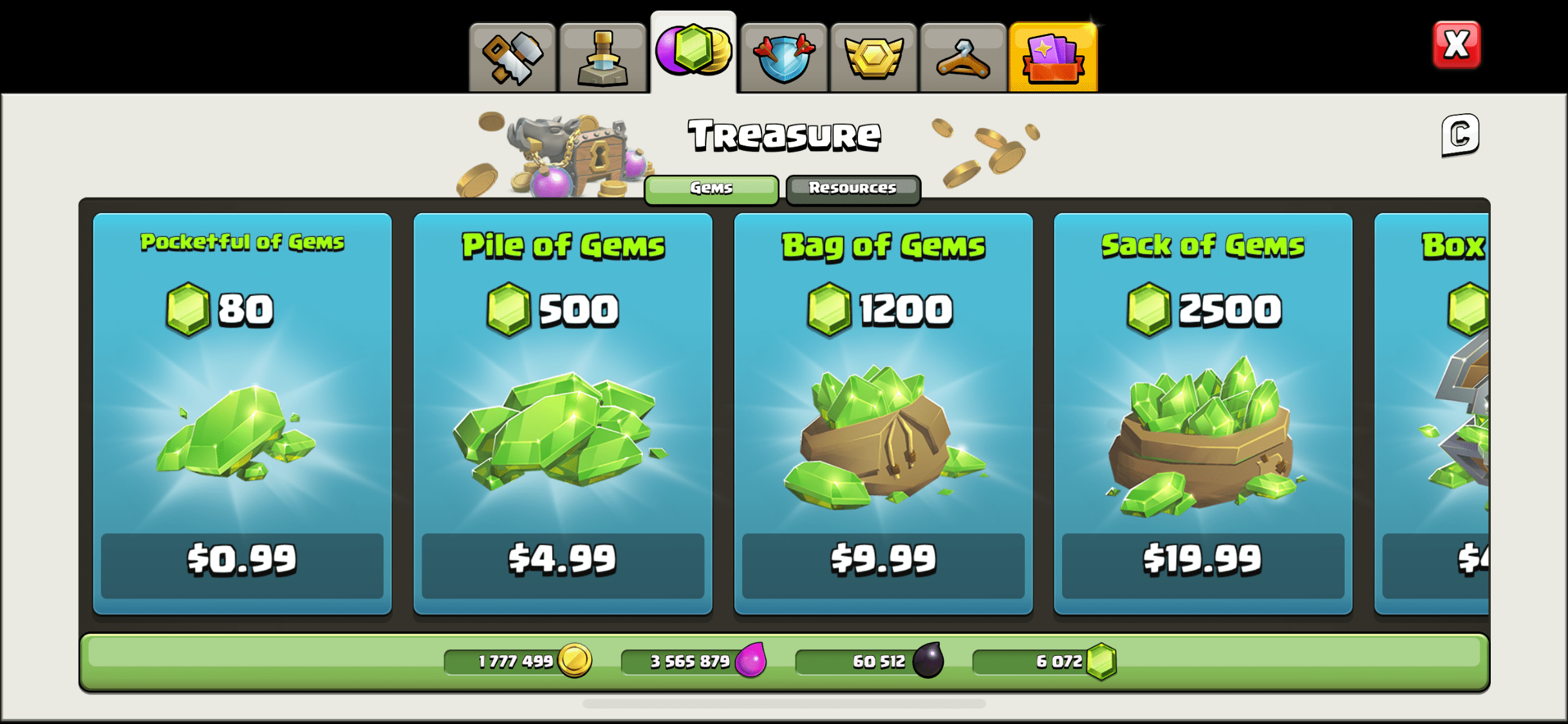
Figure 2.5: Screenshot of store with gem purchase options
Upgrades always come with a gem skip option and gems are typically very hard to earn in daily play in a large amount but can be bought using money. This game turns waiting into a monetisable friction players experience.
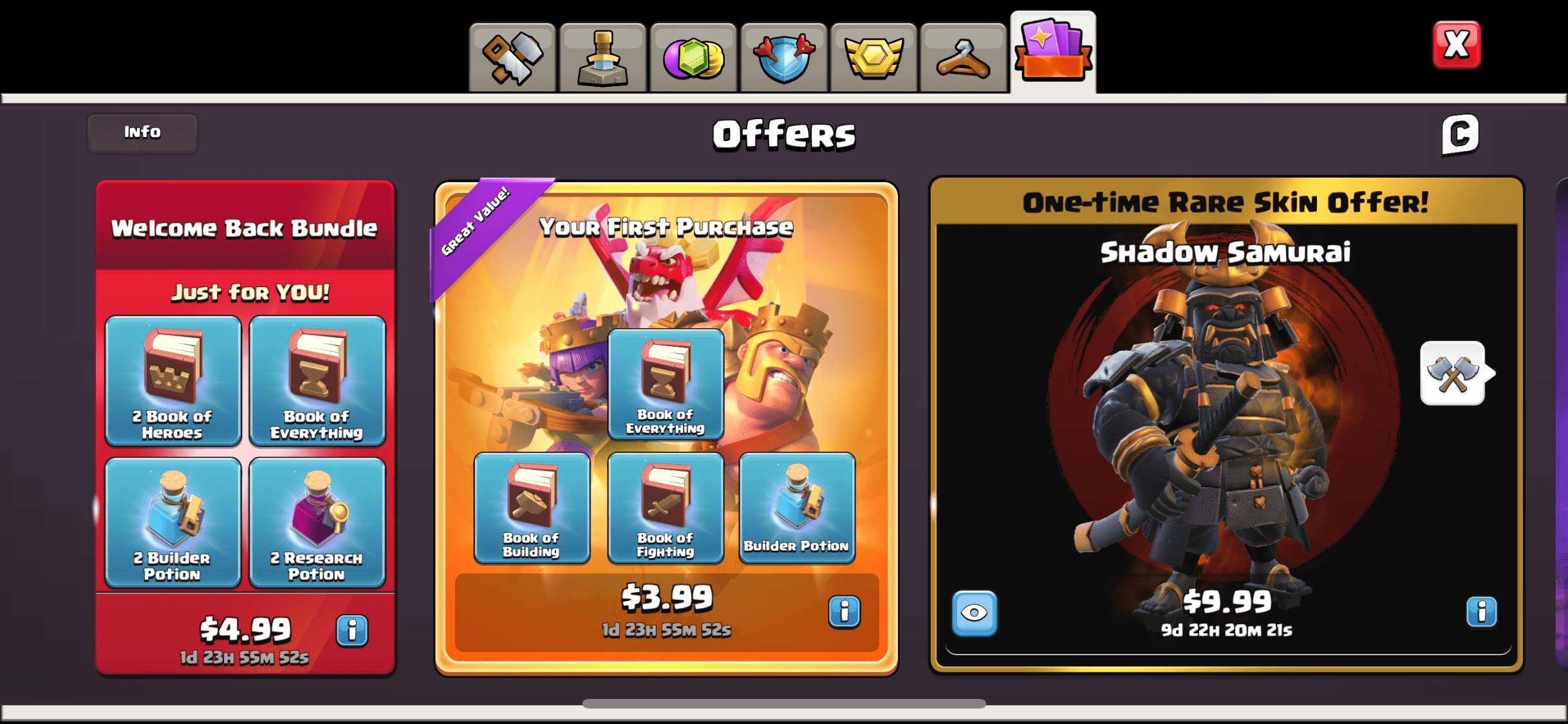
Figure 3: image of shop and limited time offers
The offers pressures players to convert their attention into spending because its limited time
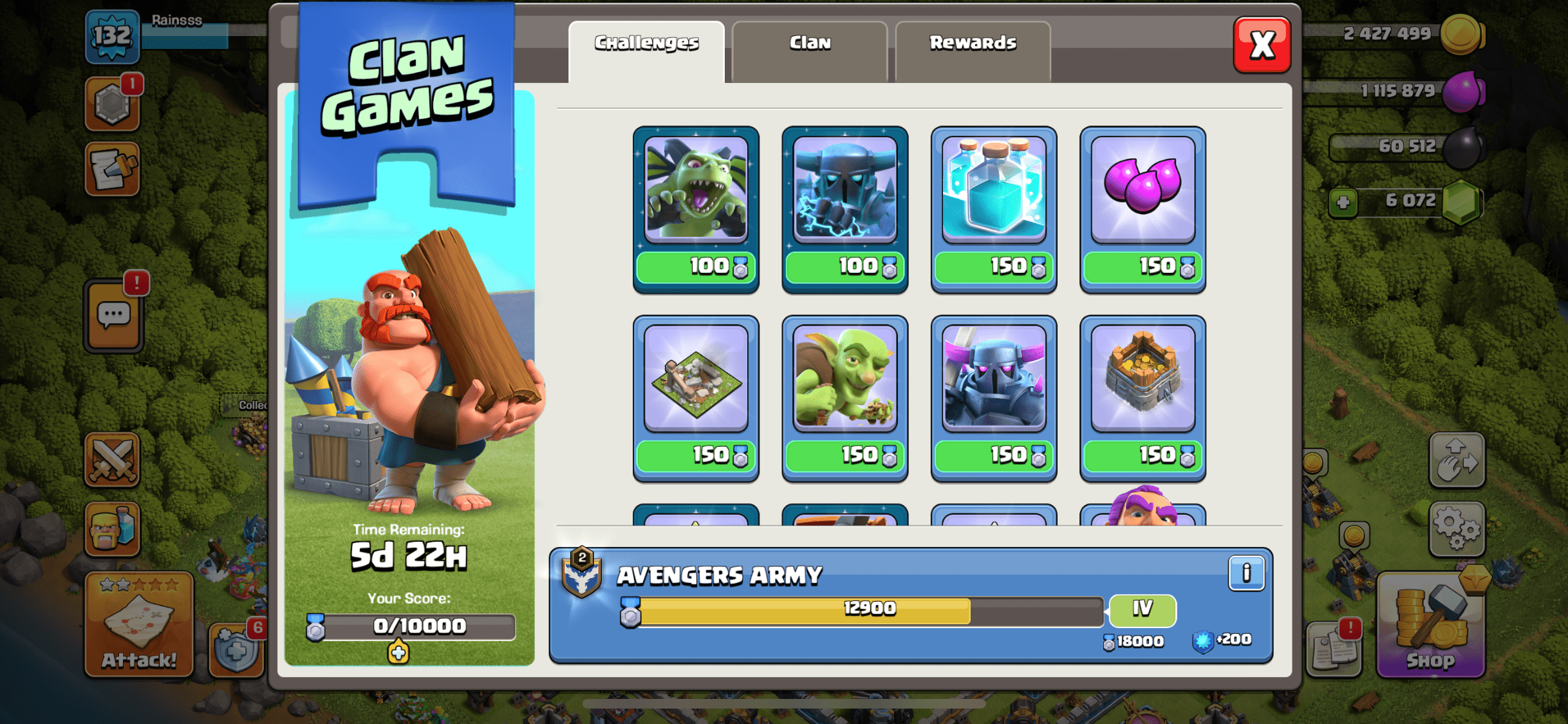
Figure 4: Clan Games
There are seasonal event/tasks structures can make returning feel like responsibility rather than choice, especially since there are other players in the clan that one feels a sense of responsibility towards

Figure 5: Various forms of currency in game
Gold, elixir, dark elixir, gems, medals, potions, books, and event currencies can make value harder to judge, especially when real money is converted into time saved rather than a clearly priced object.
Compared with Fortnite, CoC relies less on cosmetic visibility and rotating shops and more on timers, strategic progression, and this sense of obligation to your clan. Compared with Pokémon Go, it uses fewer location-based random spawns but a stronger pattern of uncertain raids, defenses, and long upgrades. Compared with Genshin Impact or gacha games, Clash of Clans often makes chance less explicit: the uncertainty is hidden inside matchmaking, loot availability, attacks, rewards, and progression timing rather than centered on character pulls. Compared with slot machines, Clash of Clans is not pure gambling because skill matters. Still, the comparison is useful where uncertainty, near misses, and monetized acceleration reinforce repeated play.
Chance and randomness is morally permissible when it helps create surprise, replayability, suspense, or strategic adaptation without misleading players or pressuring vulnerable players to spend money on the game. Randomness can make raids exciting and defenses unpredictable. But this becomes problematic when designers hide odds, blur real costs, exploit near misses, or sell relief from the frustration the game deliberately created. Clash of Clans would be more ethical with clearer reward probabilities, summaries that translate gems into real money and time saved, stronger self-limit and parental tools especially for the younger player demographic who have less self restraint.


