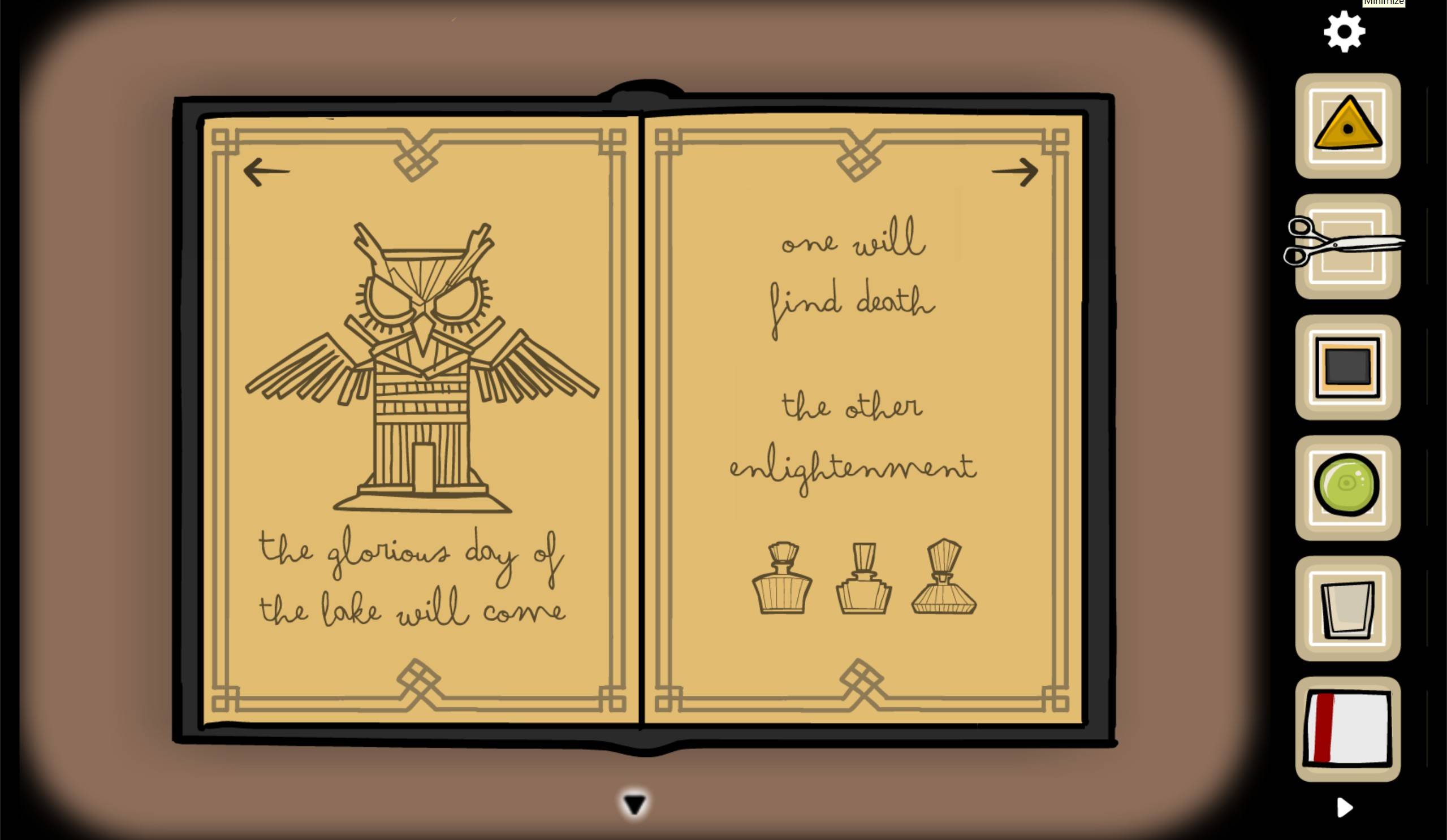
I played Cube Escape: Paradox, a game created by the Dutch indie developers Rusty Lake. The Cube Escape series shares a larger universe. Paradox focuses on one of the main characters, Dale Vandermeer, and his past memories. I used to go to physical escape rooms a lot with my friends back in my home country. This was my first time trying one in a digital format. Compared to physical escape rooms, I felt the mystery and tension were a bit weaker. But the puzzles were more creative. I think this is because digital games allow more flexibility. Players are often limited to locks, keys, magnets, or fixed sequences in physical escape rooms. Here, I could try more things. That made the experience less repetitive and more engaging in terms of the storyline.
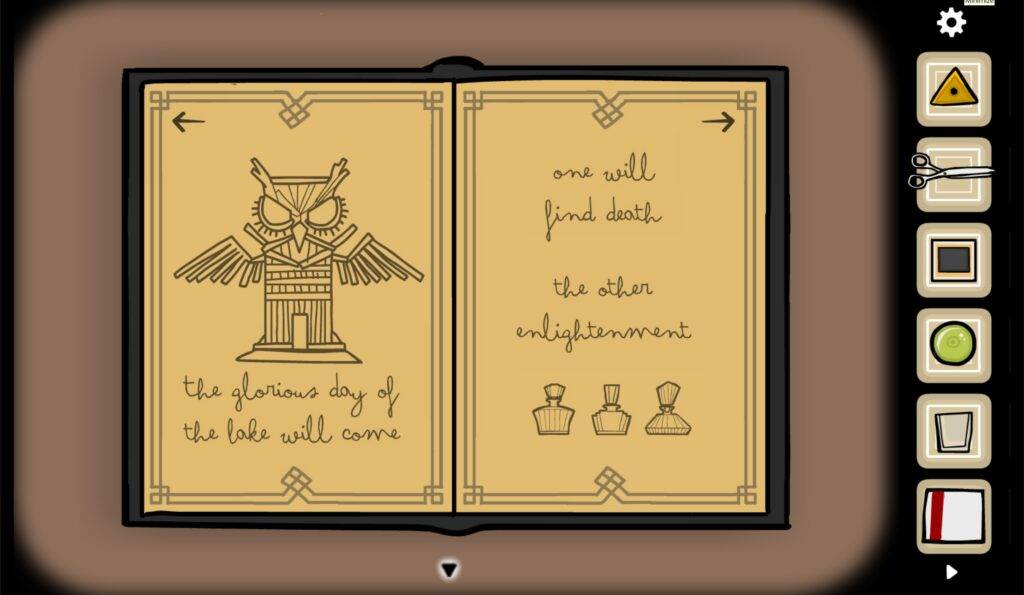
From a designer’s perspective, I think it is really interesting how the game delivers its story indirectly. It does not clearly explain everything. Instead, it relies on clues, objects, and puzzles to communicate information in a very one-directional way. The player is not told what is happening. The player is expected to interpret the situation through interaction. I felt like I was constantly making guesses and connecting pieces of information. It felt like playing a series of mini-games that slowly build toward a larger understanding. In that sense, the game shows a strong approach to worldbuilding. It does not overexplain its universe. That actually makes the experience more intriguing and memorable.
Environmental storytelling is definitely a big part of this game. The room is not just a space. It works as a device for delivering the narrative. Every object has meaning. The player uncovers the story by interacting with them. However, some mechanics were not very appealing to me. Changing the television channels was frustrating. Every time it reset, I had to repeat the same steps. There were also moments where I knew the correct number but skipped it by mistake. Then I had to cycle all the way back around.
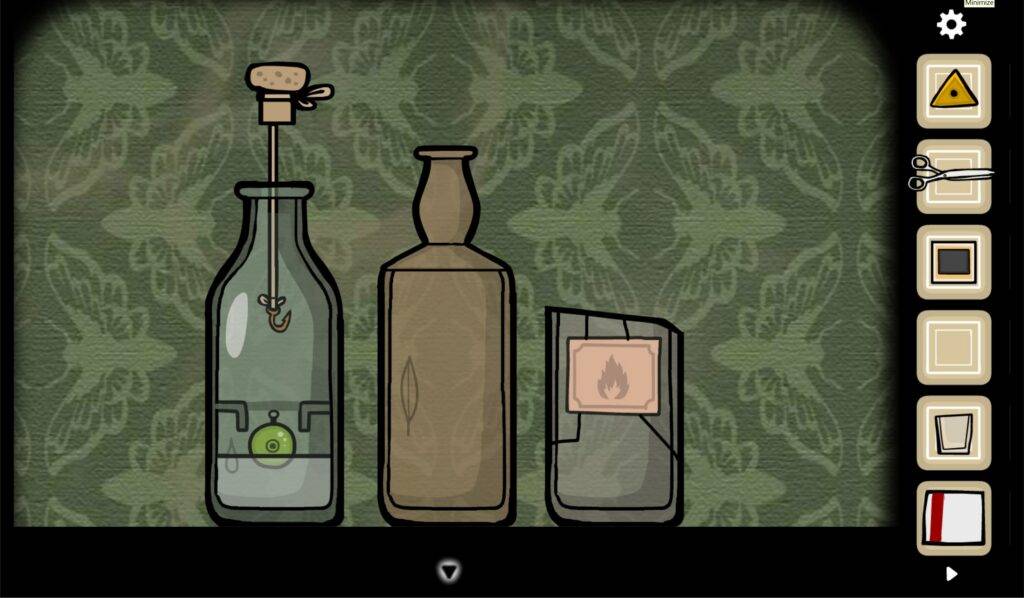

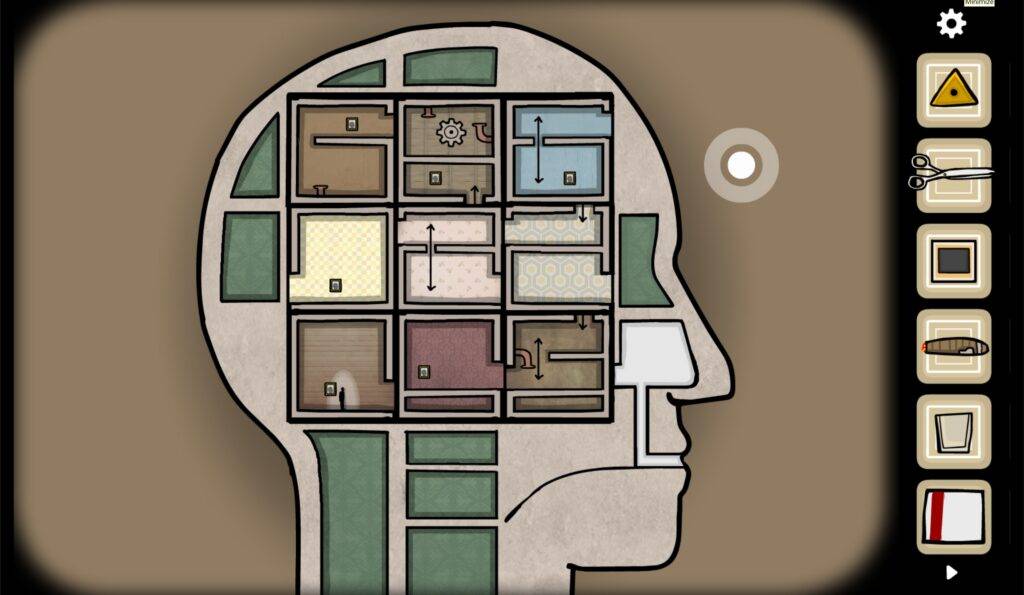
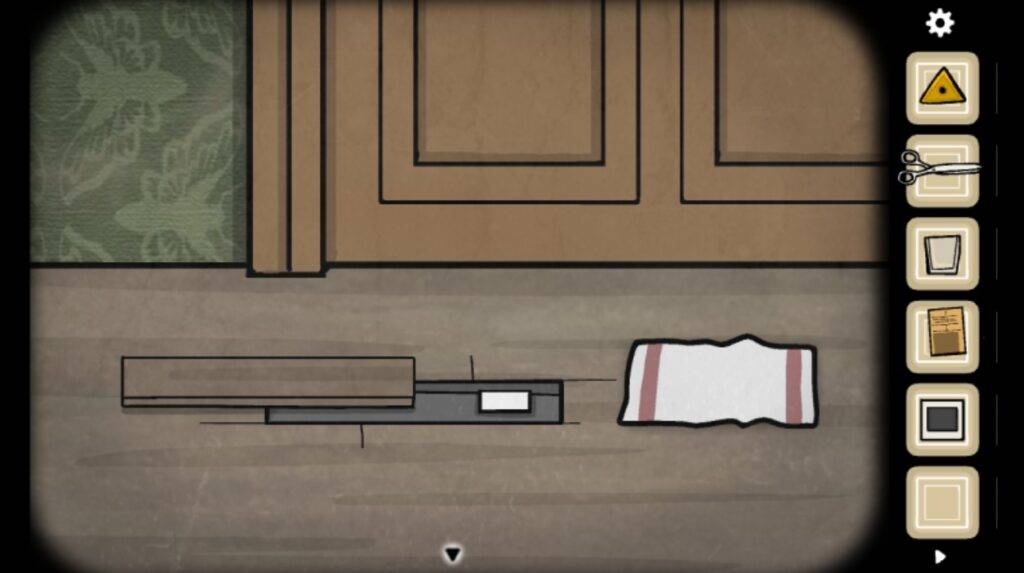
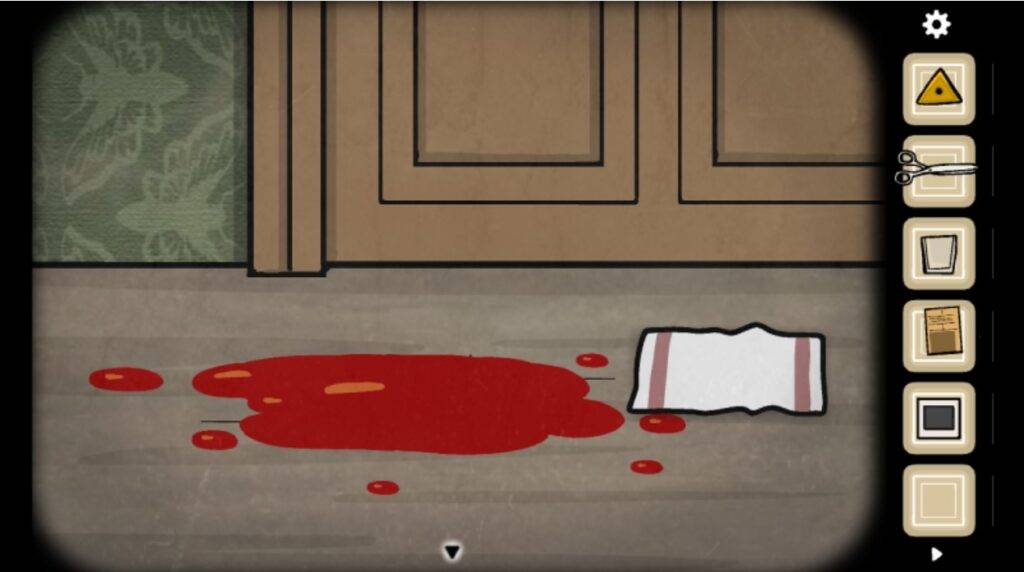
There were also some moments that broke my immersion. I wiped blood with a handkerchief. But there was no visible change. I think detail matters a lot in a mystery game because players rely heavily on visual feedback. When actions do not match the results, it creates a disconnect between what I do and what I see. I think this weakens the overall coherence of the game world. Another issue was the string and hook puzzle. I had to combine them in a specific order. There was no clear hint about that. I spent time clicking through different options. It felt more like guessing than solving. Also, the scene where the player enters Dale’s mind felt forced. The game keeps saying that Dale has a headache from the beginning. It felt like that narrative only exists to justify this puzzle. Even when I was solving it, I felt that it was not strongly connected to the main story.
I played for about two hours. It probably would have taken longer if I played alone. Surprisingly, it did not feel that long. The puzzles usually give enough hints to move forward. One interesting thing is that I was not sure what the ending meant after I finished the game. I looked it up online. I realized that my ending was different from the true ending. In my version, a woman appeared with a black cube. I think this happened because I missed an item earlier, possibly the hat. Other players reported an ending with a white cube. That suggests that the game has multiple endings depending on how completely you solve the puzzles.
From an ethical standpoint, accessibility is the main issue. Online games always have this problem because not everyone has access to a computer or laptop. Also, mystery or escape room games rely heavily on visual and audio elements to create atmosphere. Players with hearing impairments may miss important audio cues that affect puzzle-solving or mood. Regarding color vision accessibility, discussions in online communities suggest that the game is not impossible for colorblind players. However, some puzzles that rely on color differences can still be confusing. The game does not provide a colorblind mode or adjustable visual settings. Because of that, players often rely on trial and error or outside help. This shows a lack of inclusive design, especially since visual interpretation is very important in this game.