Playlist:
- Day – No, I’m Not a Human OST
- Poppy Playtime OST (01) – It’s Playtime
- Silent Hill 2 OST – Black Fairy (In-Game Version)
- Granny OST | Ambience 2 & Hunting (Unused / Beta)
- Annihilation OST – The Alien – Extended & Looped
Idea 1: Don’t Look Away (Surveillance)
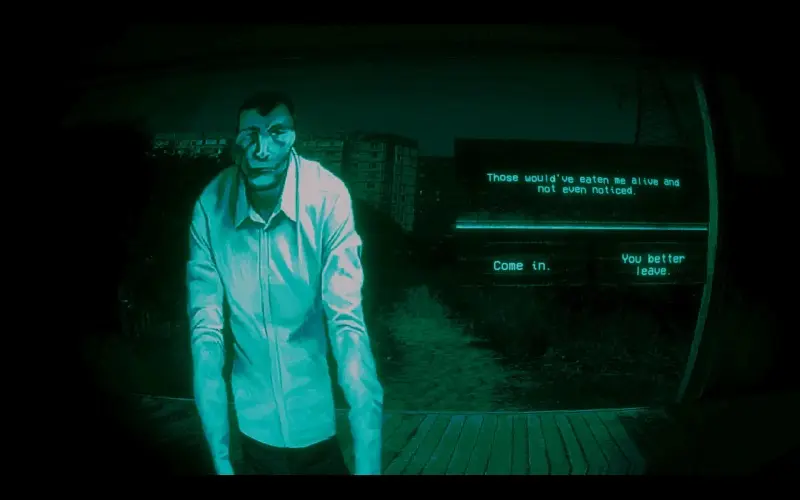
You’re basically watching your own house through security cameras. At first everything seems normal, but then objects move slightly and figures appear where they shouldn’t. You’re never fully sure if you actually saw something or imagined it.
- You’re using physical cards and dice to do things like lock doors or check different rooms
- At the same time you also need to look at a screen with the camera feeds.
- Catch is you can’t really pay attention to both at once, so things might happen on the screen while you’re focused on the board.
Tension and discovery – feels stressful in a good way because you know you’re missing something, and part of the fun is trying to piece together what’s actually happening from incomplete information.
Idea 2: The Walk Home (Timed Movement)
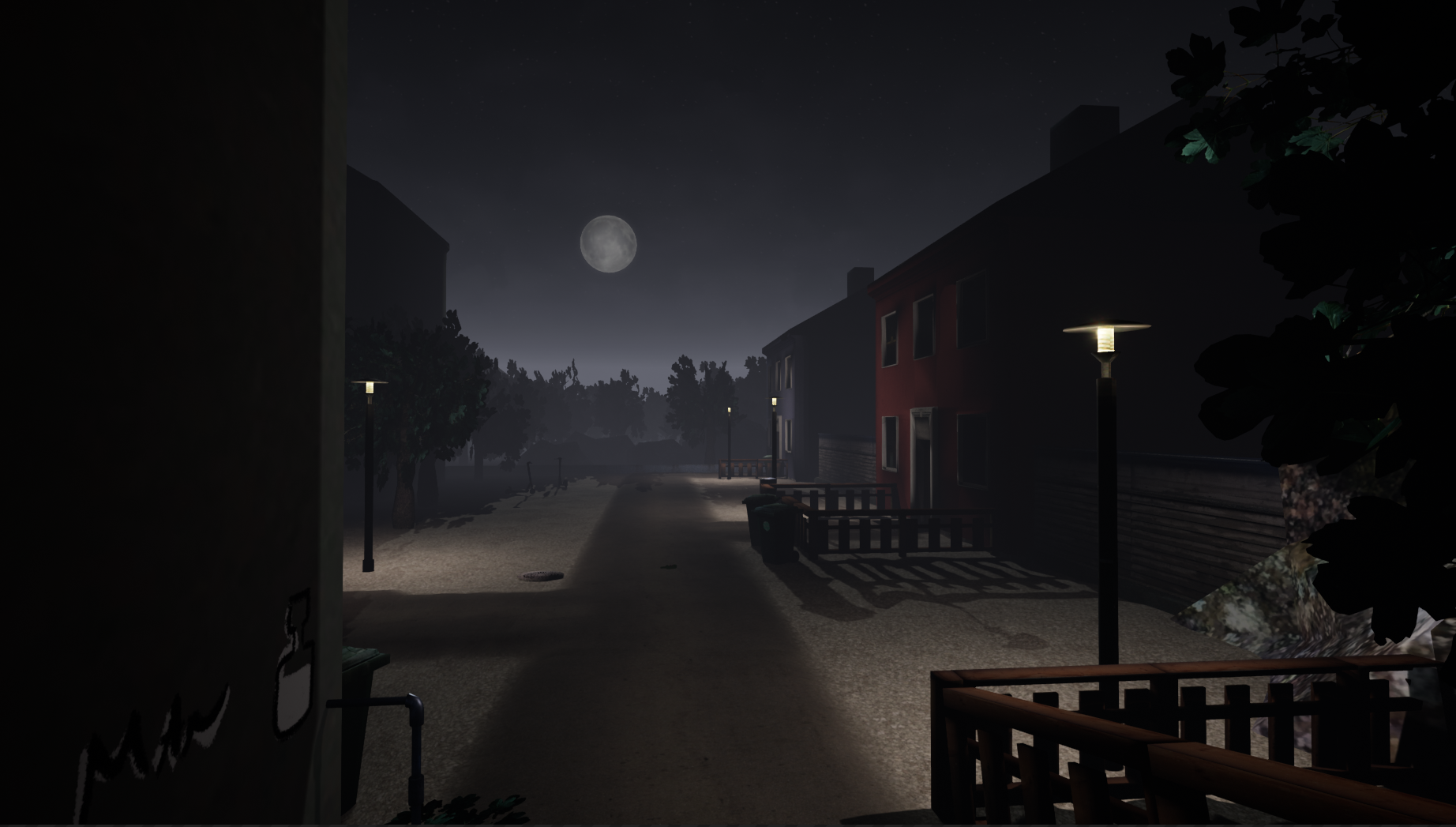
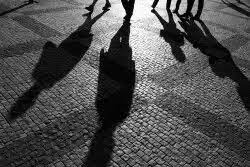
You’re trying to get home at night, but the path feels off and kind of wrong. As you keep going, things don’t look quite the same anymore. Setup where environment slowly becomes more unsettling and distorted.
- Movement planned with cards and dice, like deciding how far to go or whether to hide or conserve energy.
- Screen shows quick glimpses of what’s ahead, but those glimpses aren’t always reliable. You have to decide whether to trust what you saw or just stick to your plan.
Leans into uncertainty and strategy. Tense because you’re constantly second guessing yourself, and it feels like you’re making decisions without having the full picture.
Idea 3: Behind Each Door (Chance and Strategy)

You’re trapped in a shifting space filled with doors, each one leading somewhere unknown. Over time you start to notice small patterns in what happens behind certain doors. Still, nothing is ever fully consistent, and it becomes unclear whether you’re actually learning the system or just seeing what you want to see.
- Players choose which doors to open, but outcomes are influenced by dice rolls or card draws.
- Players given limited ways to influence those outcomess like modifying a roll, saving certain cards, or using resources to avoid high risk doors.
- The computer provides partial information, like brief previews or hints about certain doors
Fun comes from making calculated risks, trying to recognize patterns, and deciding when to trust the system versus when to play it safe.