
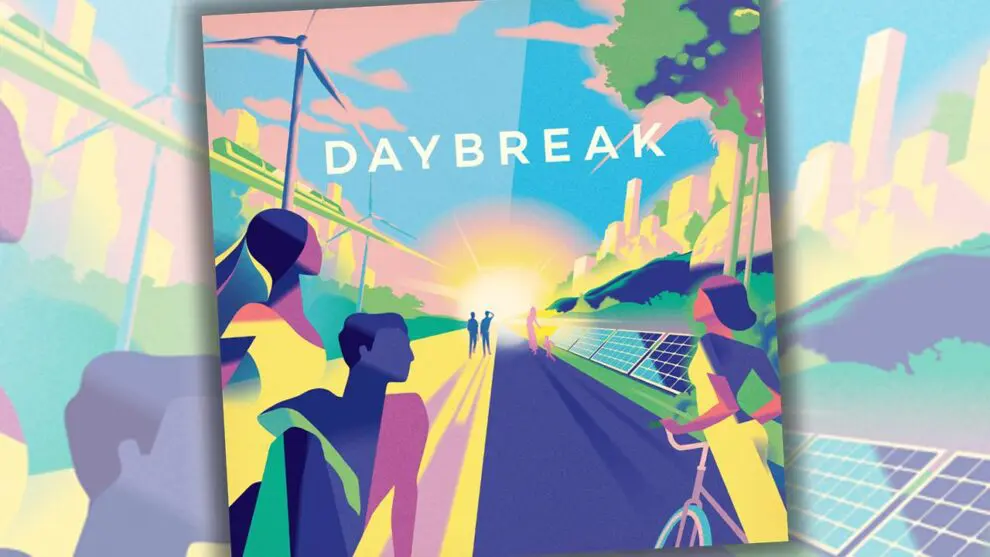
Daybreak is a serious board game designed by Matt Leacock and Matteo Menapace. . It is a cooperative game about stopping global heating, where each player leads a different nation. The kinds of fun it uses most are Fellowship and Challenge. Playing it made me see that fun isn’t what comes first in a serious game. The objective does. In Daybreak, that objective is raising awareness of how global heating impacts us and pushing players toward a call to action. Crisis cards like the Water Pollution card in Figure 1 tie in-game events to real-world issues and point players to more information through a QR code which brings up more information about the subject and includes a call to action.
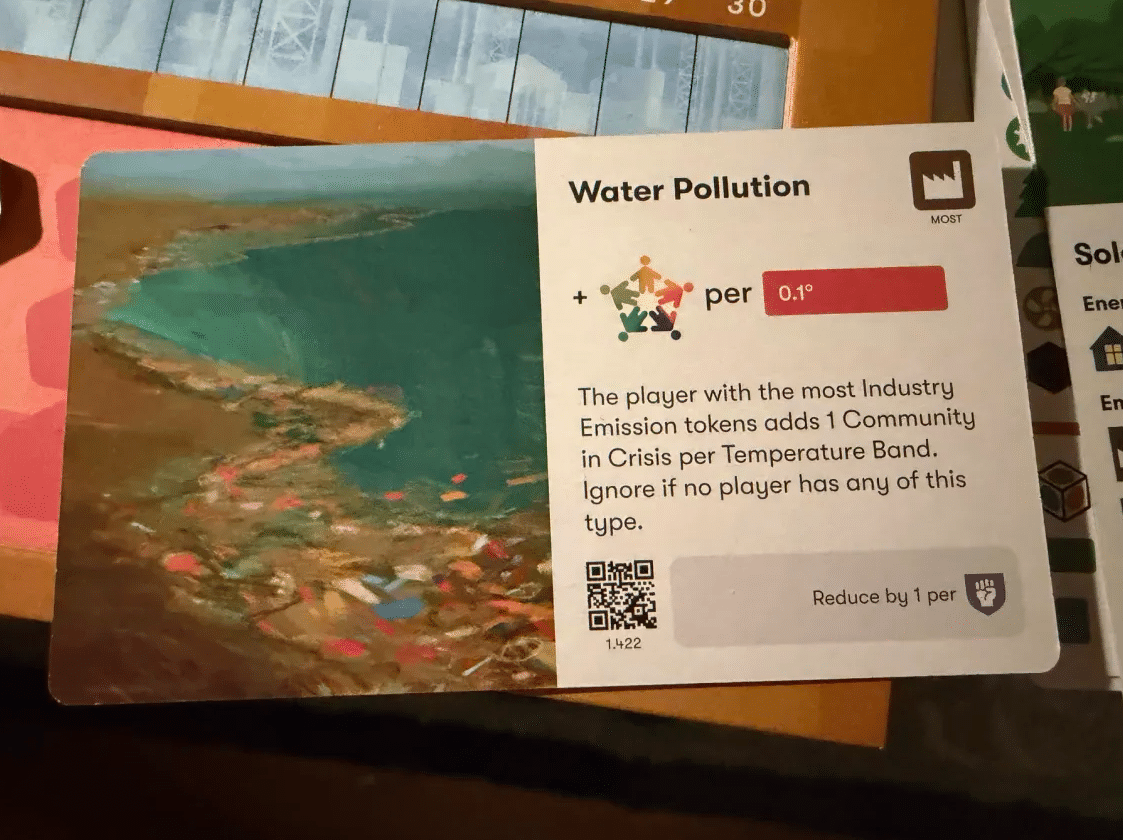
Figure 1: Photo of the Water Pollution crisis card with the QR code.
The mechanics start with each nation having its own initial deck of cards and a different amount of “dirty energy.” Each nation also has its own abilities. I played the United States, and my deck allowed me to give cards from my hand to other players, so I looked around the table and gave out cards based on what I thought each person needed. Lucas, who played Europe, was able to take crises from other cities and resolve them. Players can also trade and support one another through cards that allow trades or other interactions. Since nations start unequal but share one win condition, everyone has to work together. Each round follows a loop of Local, Emissions, Crisis, and Growth phases (see Figure 2). In the Emissions phase carbon gets added and the thermometer adjusts, and in the Crisis phase we have to resolve crisis cards, so every round we run straight into consequences that exacerbate the game state. This loop is the core mechanic, and learning it at first proved to be a challenge.
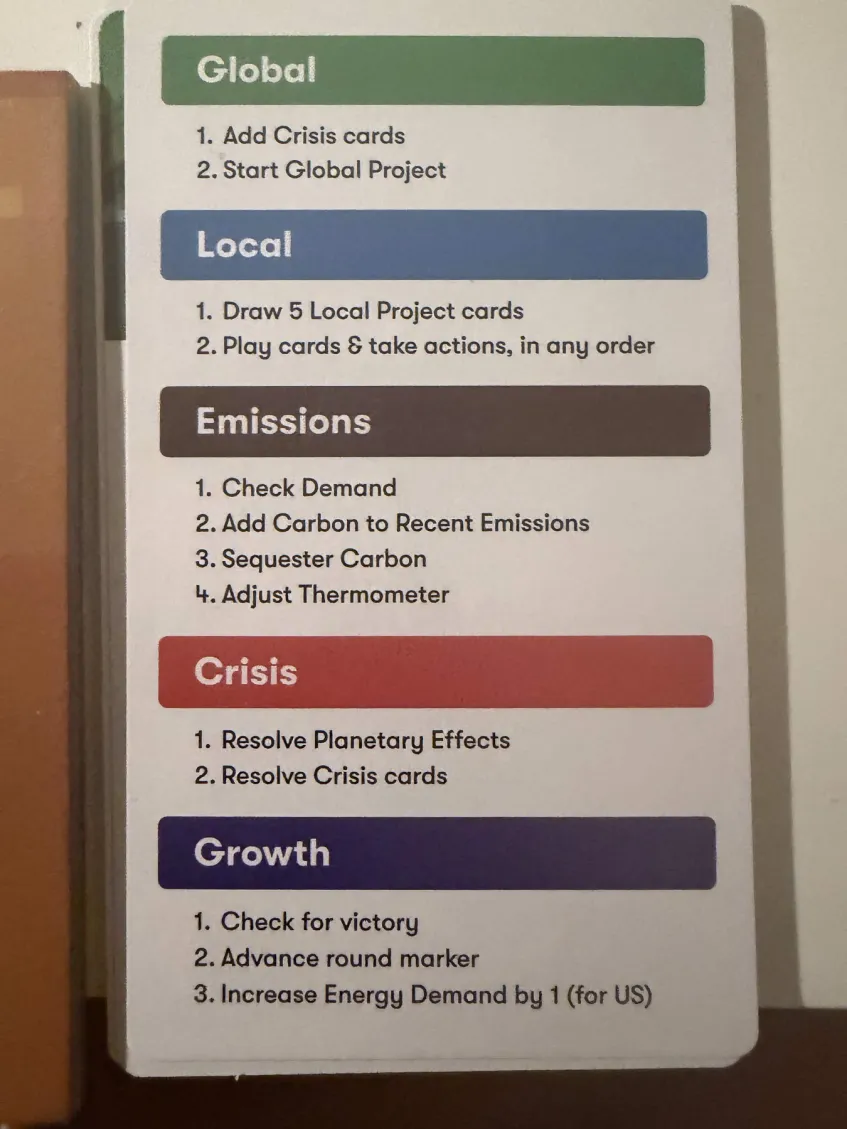 Figure 2: Photo of the round-sequence reference card.
That leads to the dynamics. Co-op board games are still pretty new to me, so I noticed how one player took charge, looked over the board, and started a discussion about where cards should go and how we should trade. We talked through trading cards in our city, giving each other clean energy, and even planting trees. Figure 3 shows the Fellowship fun that came from communicating right from the get-go and throughout the whole game, since the unequal starting decks forced us to talk. I’ve noticed a balancing issue with co-op games in general, where a rough start can snowball, and Daybreak was no different. It appeared to favor the board over the players, as in games like Bomb Busters and Tesseract. The whole game had us working together, but it was fairly apparent that we were losing.
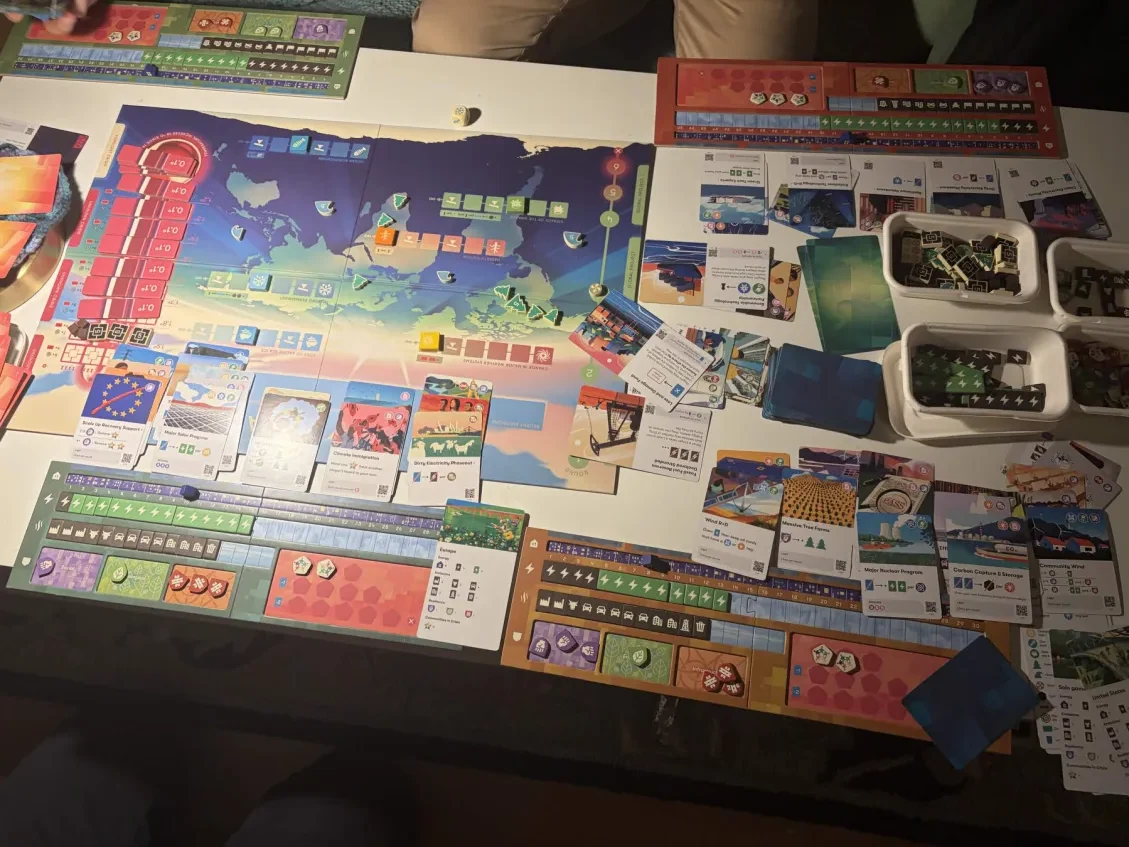
Figure 3: Photo of the table mid-game with players discussing off frame.
In terms of aesthetics, Fellowship was the strongest kind of fun for our group, since the unequal nations forced us to talk through decisions. Challenge was also a big part of it. Michael pointed out that the game requires a strategy from round one, which was hard when we first started, as we spent the initial rounds basically trying to understand the gameplay loop ourselves. I think some of this difficulty is intentional. Climate change is a hard problem with a lot of moving parts, and not being able to predict crises or fully control the thermometer makes the game feel that way.
The outcomes of Daybreak target Information and Attitude, but Browning notes that awareness alone doesn’t change behavior, and a QR code only works as a call to action if players engage with it. Our table wasn’t very engaged, so we hardly looked at the calls to action or extra information. Before we started, one player said, “I don’t like educational games.” I happened to agree with them for Daybreak. Browning argues that players need a lusory attitude, focused on in-game goals rather than the intended outcome, or the experience starts to feel controlling. For us, the difficulty and the educational purpose never quite turned into play. Figure 4 shows the board late in the game, where we were more focused on surviving than on the message. The complexity makes the game feel like climate change, but it also kept us from the information it was built to deliver.
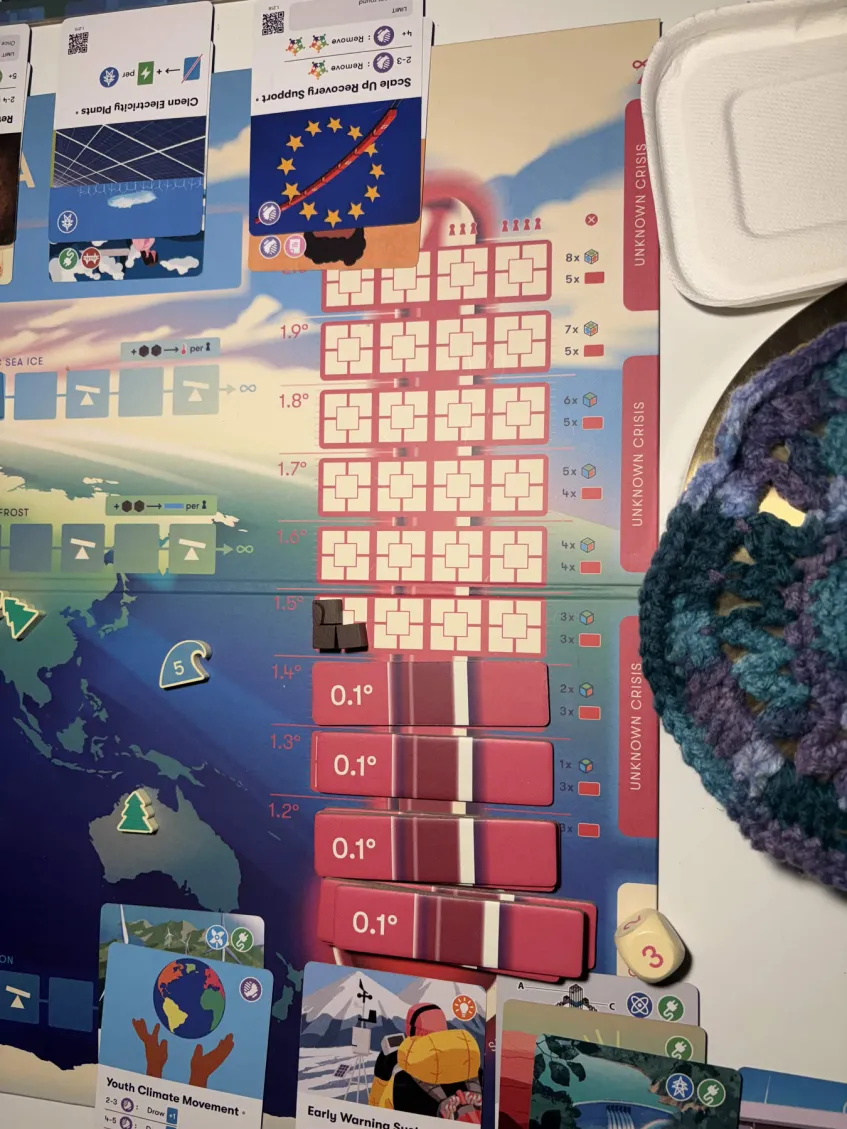
Figure 4: Photo of the board or emissions track late in the game.
This made me think about how a game can make a statement and still be fun. Fun is subjective, and what engages one table may not engage another, so my view is biased. But part of what makes fun fun is the learning process. In CS247G, we read Koster’s Theory of Fun, which frames games as essentially about learning, and that learning is what ingrains these ideas more deeply. If you aren’t learning, you aren’t having fun, and our table never quite got there with Daybreak. That is the challenge I want to carry into our P1: designing a game where the learning is the fun, so the message never has to compete with play.