


“How Superliminal teaches players to doubt the assumptions they bring into a puzzle”
About the Featured Image. The handwritten phrase “Perception is Reality” places the game’s thesis beside ordinary pawns, turning a tutorial table into a promise that size—and certainty—will not remain stable.
Learning What “Normal” Looks Like
The first thing Superliminal taught me was not how to solve a puzzle. It taught me how to move. A hand-drawn WASD diagram and a mouse sketch appeared on a nearly empty wall (Figure 1). I almost ignored them because they looked like the most basic tutorial possible. Looking back, that plainness matters: before the game can challenge my perception, it has to establish a version of “normal” that I will trust.
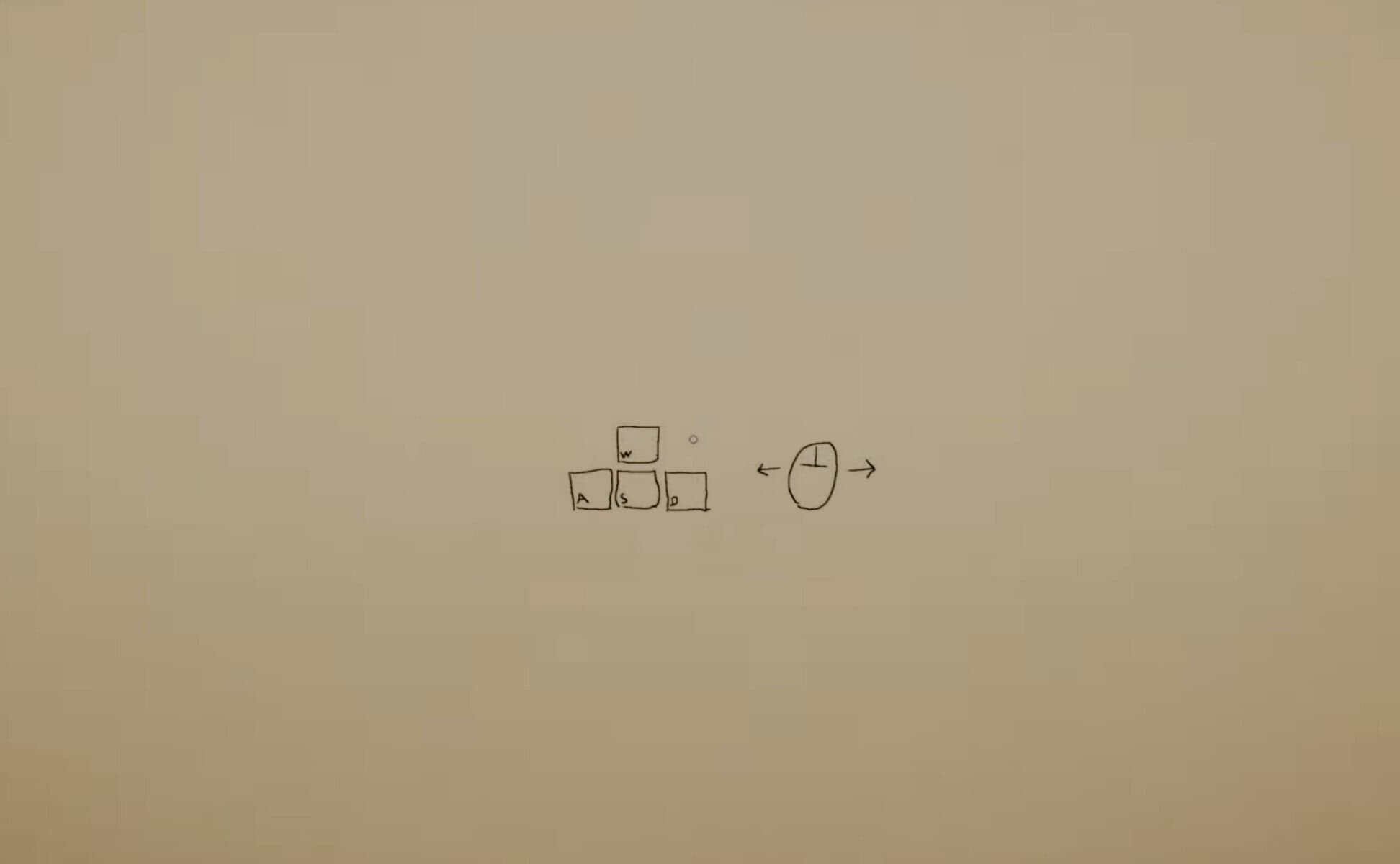
Figure 1. The handmade WASD and mouse diagram makes the opening feel harmless and familiar. For a new player, the only rule that seems important is ordinary first-person movement.
The corridor that follows strengthens that expectation (Figure 2). There is no HUD, enemy, inventory, or obvious score. The teal floor and repeating wall panels lead my eye toward one small doorway. Because the environment gives me almost nothing to manage, I begin to inspect distance, light, and shape. The game quietly shifts the main “tool” away from a weapon or menu and toward my own point of view.
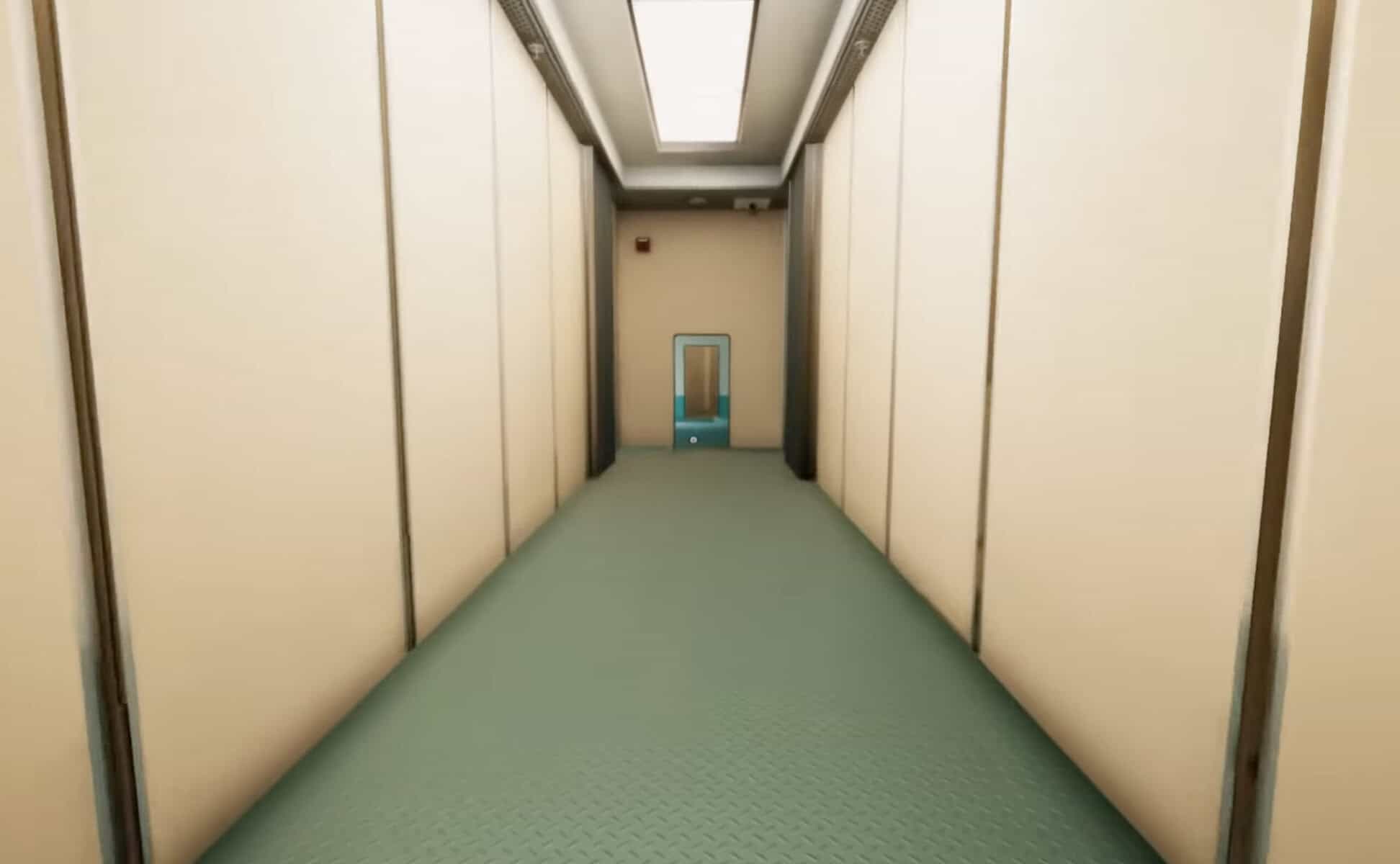
Figure 2. The narrow, symmetrical corridor funnels attention toward a single doorway. Its emptiness trains the player to read space itself as information.
When the Tutorial Becomes the Thesis
Then the phrase “Perception is Reality” appears under a desk lamp, surrounded by yellow pawns (featured image). The designers could have written “objects change size when you move them,” but that would only explain an input. Instead, the sentence connects the mechanic to the dream-therapy narrative. I am not simply learning a trick; I am being told that the world will obey what I see. The next room makes that idea physical. Blocks and chess pieces appear at wildly different scales, while a small sign teaches me to rotate what I hold (Figure 3). As a beginner, I first read the giant objects as scenery and the small cube as the “correct” tool. Once I grab and reposition them, that distinction collapses. An object’s size is not a permanent property. Its apparent size on my screen becomes its actual size when I release it.
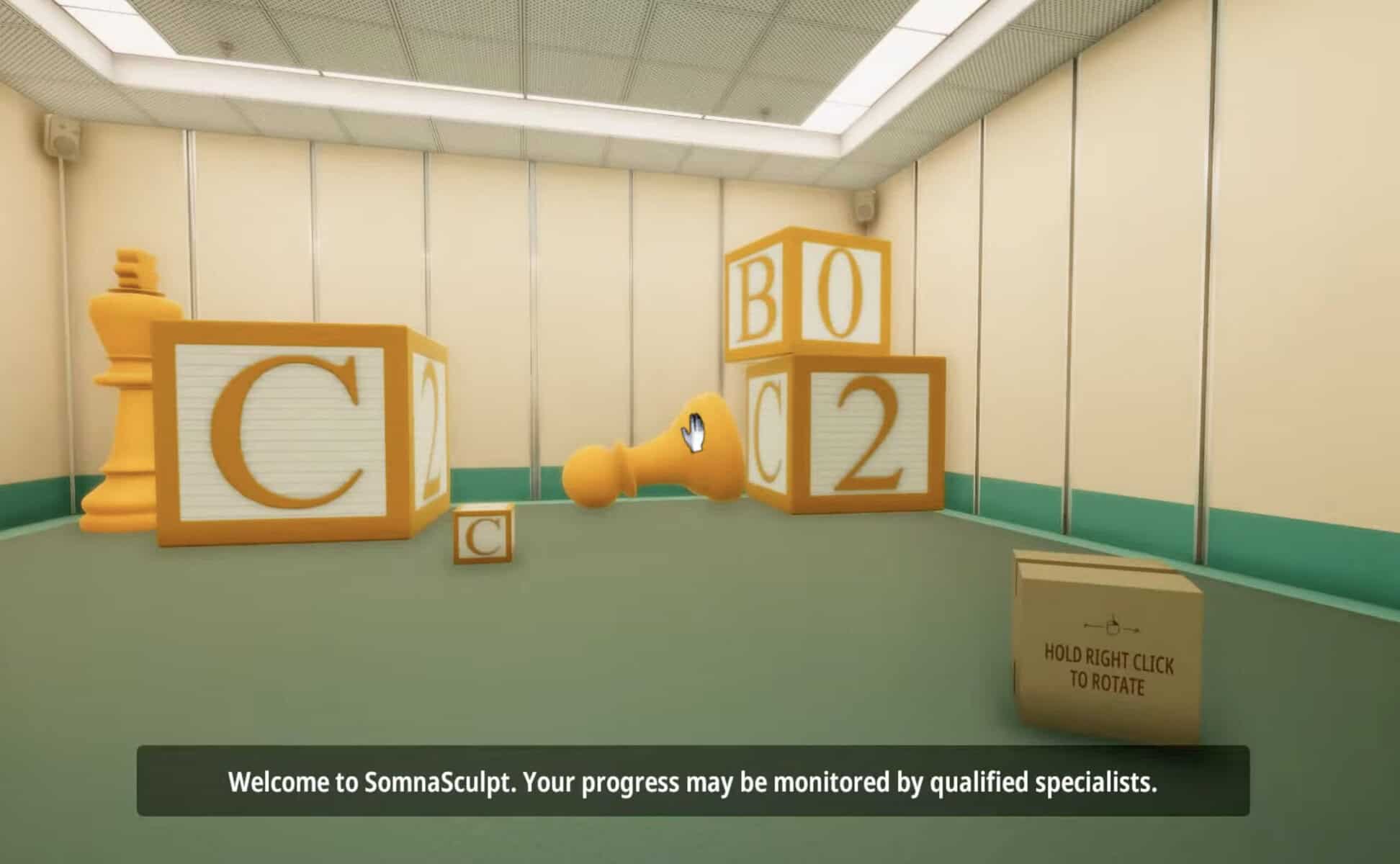
Figure 3. Oversized chess pieces and alphabet blocks turn familiar toys into architecture. The hand cursor marks them as manipulable, contradicting my assumption that large scenery is fixed.
MDA: From Resizing to an Aha Moment
This creates a clear MDA chain. The mechanic is forced-perspective resizing. The resulting dynamics are walking backward, aiming, rotating, dropping, and testing shadows until an object lands at a useful scale. The aesthetics are discovery, surprise, and a brief feeling of cleverness. Figure 4 captures the payoff: a float piece that first looked like a prop has become a huge ramp reaching toward a high opening. The solution does not reward calculation as much as a willingness to revise what counts as possible.
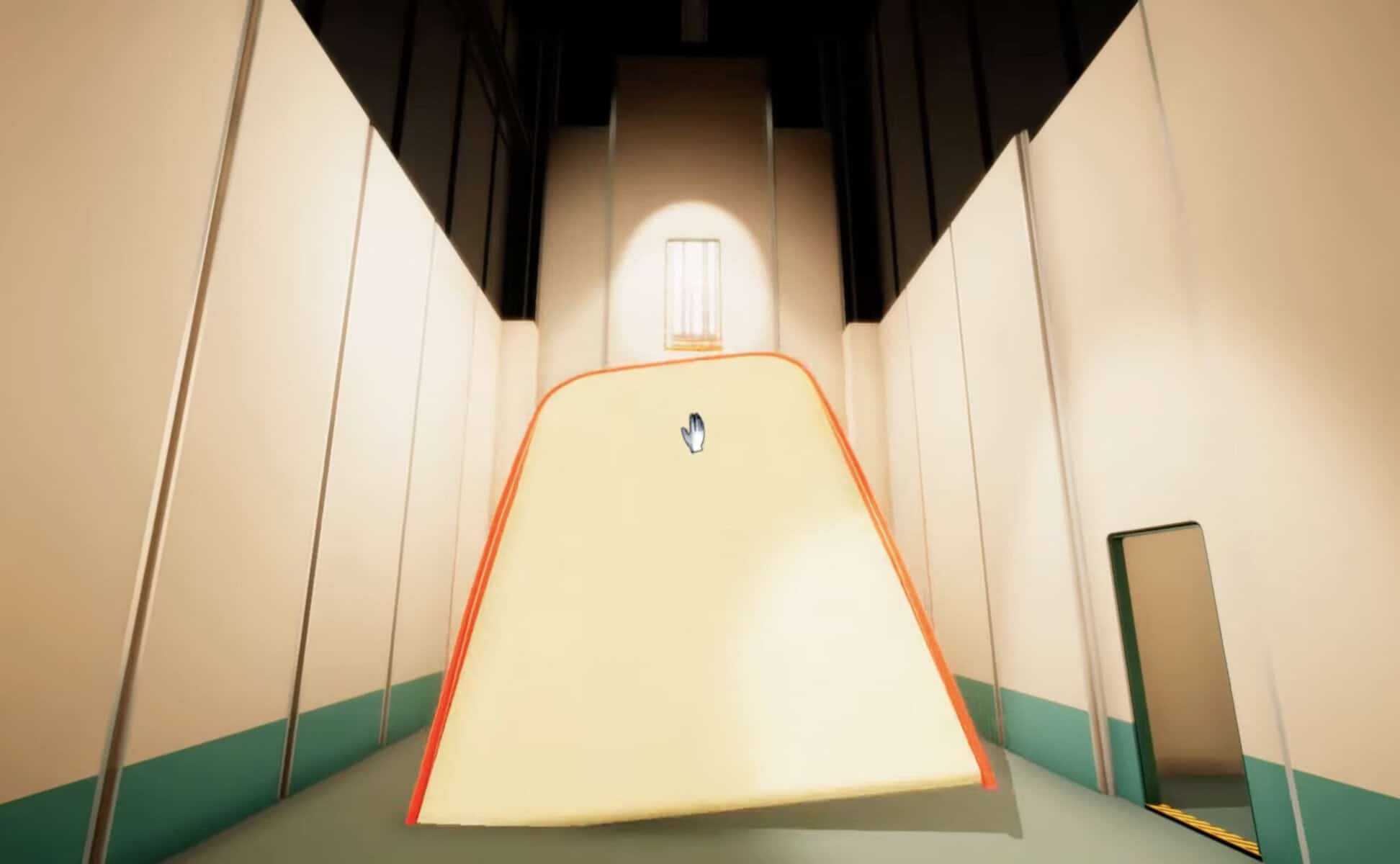
Figure 4. Enlarging the flat object converts a handheld prop into level architecture. The puzzle is solved when the player stops treating “object” and “environment” as separate categories.
The calm SomnaSculpt voice makes this experimentation feel supervised, but the repeated clocks begin to disturb that safety (Figure 5). Every display insists that it is 12:05 A.M., while the subtitle warns that recognizing the dream can prevent a sudden awakening. The image does not introduce a new control; it changes the meaning of the controls I already know. Moving forward is now also moving deeper into a system that may not want me to wake up.
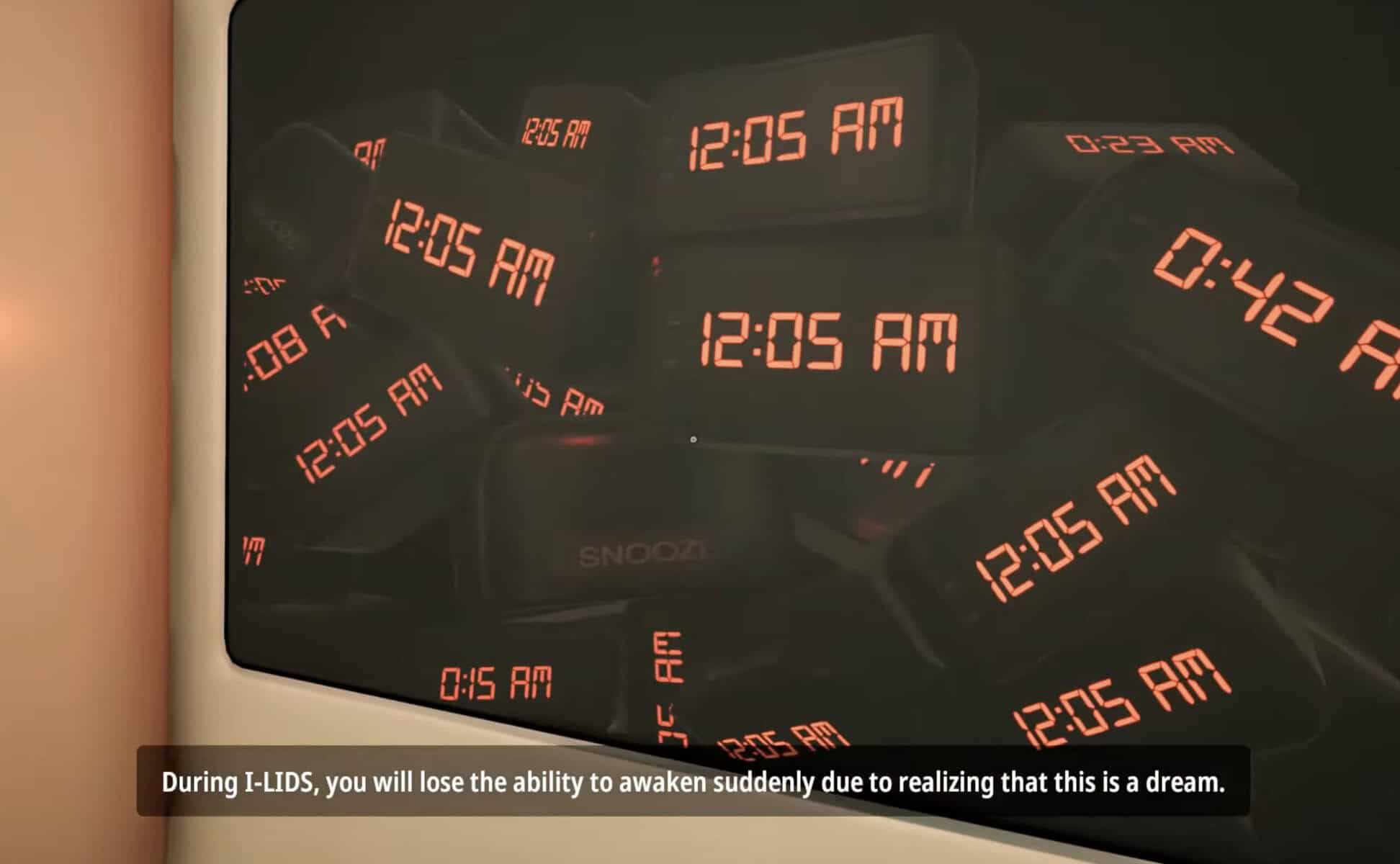
Figure 5. Repeated clocks freeze the dream at 12:05 A.M. The orderly tutorial becomes uncanny, linking mechanical repetition to the narrative fear of being trapped
When Objects—and Exits—Stop Being Stable
The next rooms push that lesson further. The infinity-marked cube appears to contain an object that can never be fully removed (Figure 6). I kept treating the opening like a container, even though the repeated result told me that “inside” and “outside” no longer worked normally. Later, the glowing exit symbols split into two contradictory images (Figure 7). The green running figure promises escape; the red figure shrugs. The joke works mechanically because I have already learned that a sign is not proof of a destination.
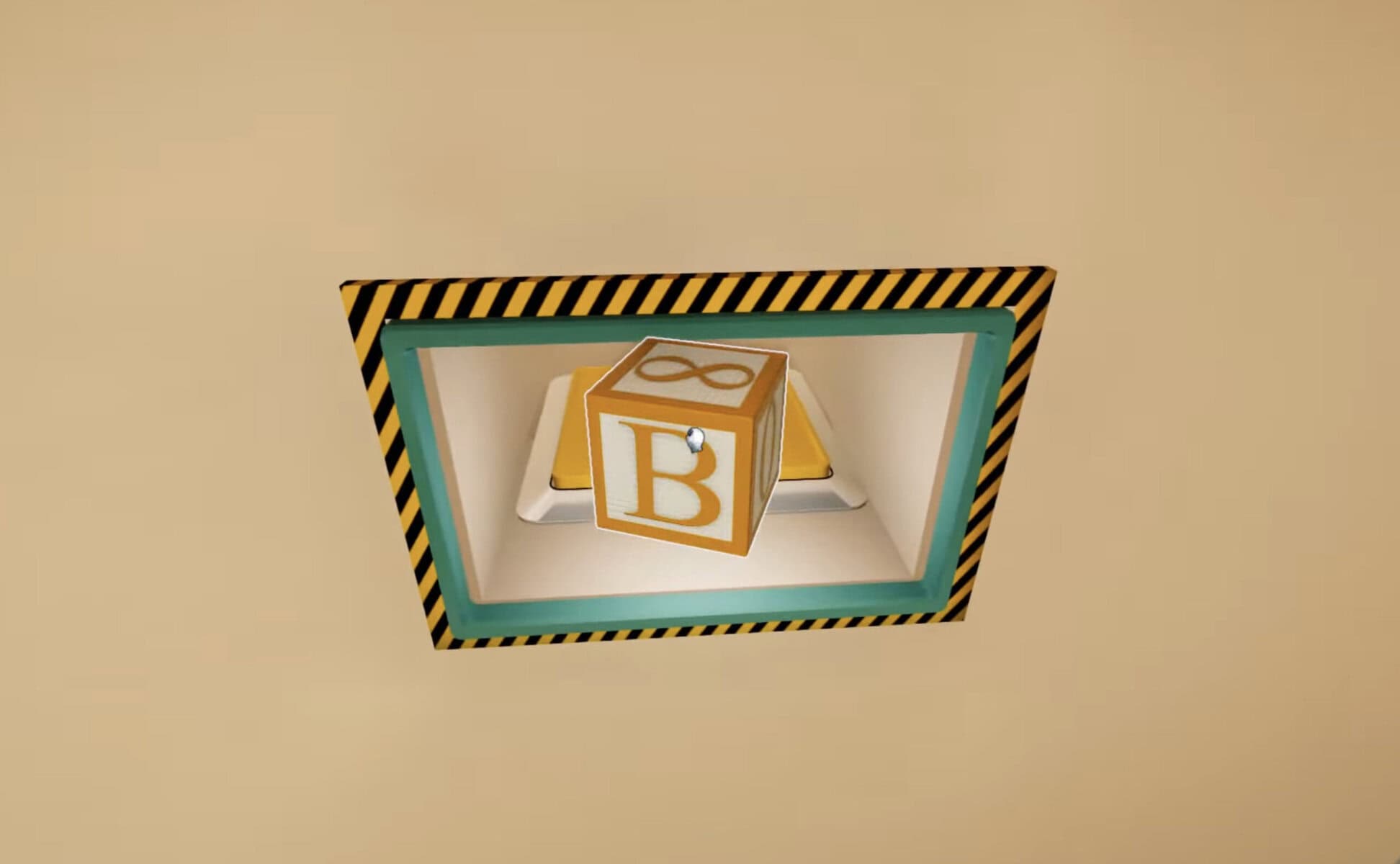
Figure 6. The infinity symbol warns that the cube will not behave like an ordinary container. Its impossible interior extends the lesson from unstable size to unstable space.

Figure 7. Two exit icons offer opposite messages: certainty and confusion. By making the signs manipulable objects, the game turns navigation itself into a puzzle.
Comparison, Critique, and Who Gets to Feel Clever
Like Portal, Superliminal places me inside a controlled test environment and uses a disembodied voice to connect tutorials with narrative. However, Portal rewards mastery of a consistent physical system: portals preserve momentum, and improvement means using that rule more fluently. Superliminal repeatedly destabilizes the rule I think I have mastered. That produces stronger surprise, but it can also turn experimentation into guessing. I would add optional, layered hints that first highlight a relevant visual relationship without revealing the solution. This would preserve the aha moment while reducing random clicking. That suggestion also connects to the game’s ethical issue. Every puzzle defines what counts as “common sense.” Superliminal quietly assumes that players can navigate a first-person space, read depth cues, tolerate visual disorientation, and imagine how perspective changes scale. These abilities are not universal. A player with limited FPS experience, motion sickness, or different spatial-processing abilities may be struggling with the interface rather than the intended idea. Reduced camera motion, stronger contrast, remappable controls controls, and optional hints would not make the puzzles less intelligent; they would let more players reach the same conceptual challenge.
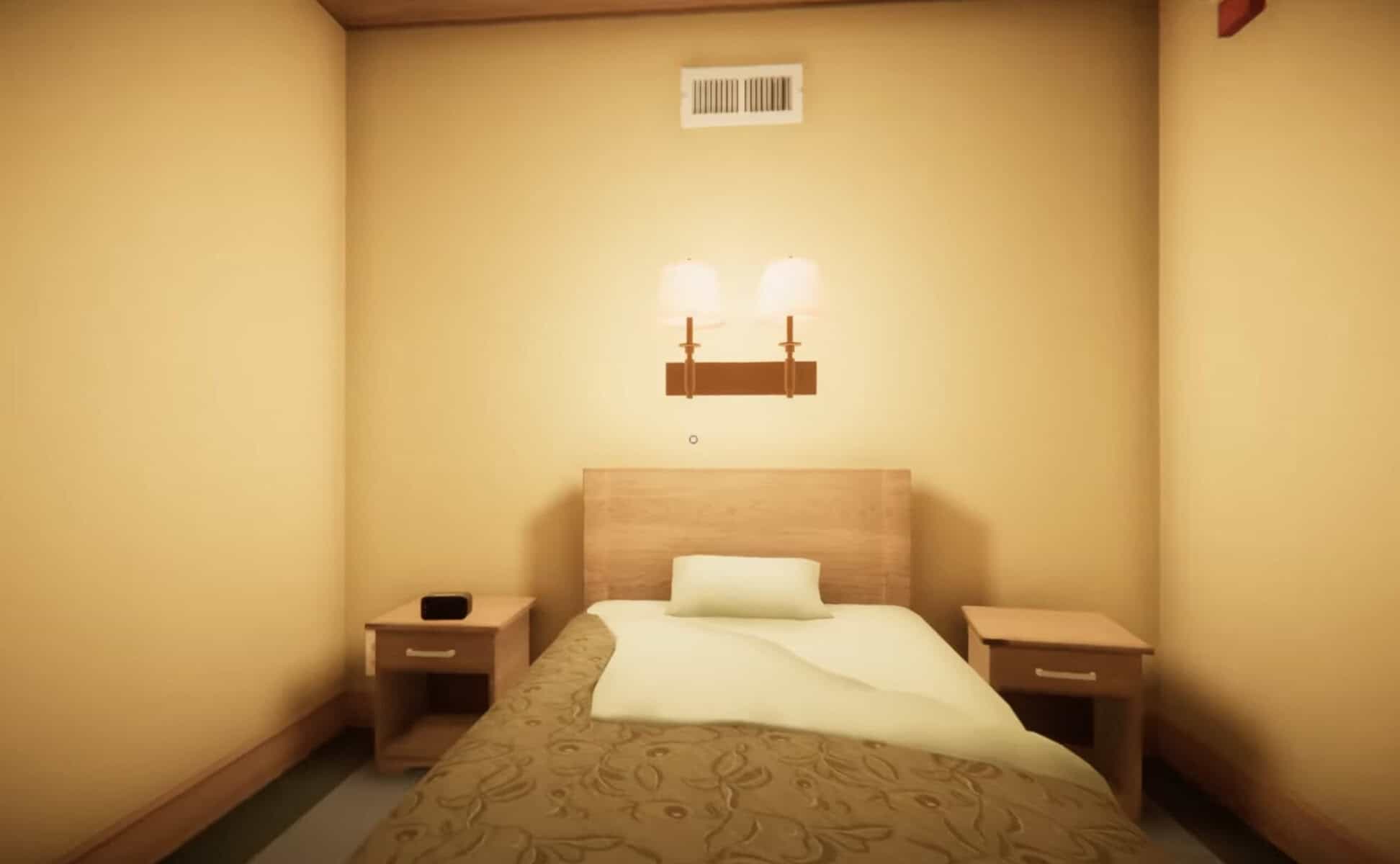
Figure 8. Returning to the bedroom restores familiar proportions, yet the repeated setting now feels uncertain. The visual loop completes the game’s movement from trust to doubt.
Waking Up to My Own Assumptions
The bedroom returns the game to an ordinary scale (Figure 8), but it no longer feels completely ordinary. By teaching me through failed assumptions rather than cutscenes, Superliminal makes the dream therapy something I perform. The biggest puzzle is not the environment. It is the set of rules I bring into it. “Perception is Reality” begins as an instruction about objects and ends as a warning about how quickly I confuse one interpretation with the truth.


