


Before 247G, I thought about games solely from the perspective of a player. I often described games to my friends as either a definate fun or not fun, and I rarely considered the many design decisions that led to those experiences. I also assumed that game design was mainly about creating mechanics and rules. I understood that storytelling and visuals were important (and I loved a good story), but I did not fully appreciate how every element of a game contributes to the player’s experience.
Throughout this course, I had the opportunity to design, test, and refine my own game ideas. One of the most valuable experiences was learning how much iteration matters. On paper, I thought my game idea was genius and the team found it entertaining, but it flopped once people begin playing it. Through playtesting, observing players, and gathering feedback, I learned that game design is an ongoing process of experimentation rather than a one-time idea generation.
I’ve talked about more course ideas with my gamer friends. One is the idea is the MDA framework and how mechanics can influence how players interact with systems, make choices, and construct their own stories from play. Another concept that stuck with me is the importance of designing with the player in mind through accessibility options. They really make the game easier to experience for everyone, as I frequently use battle assist options in games. I implemented these concepts in my own work as well. I considered whether players were feeling the emotions and engagement that I hoped to create. I revised game systems based on player feedback and adjusted mechanics when they produced unintended outcomes.
One of the biggest challenges I experienced was accepting criticism of my designs. Early on, I sometimes viewed feedback as a judgment of my ideas rather than as tools for improvement. However, I gradually learned that constructive criticism is one of the most valuable parts of the design process. Another challenge was balancing complexity and accessibility. It was often tempting to add more features, but I learned that simplicity can make a game more engaging and easier to understand.
As a designer, I learned how to better think analytically about games and to approach creative work with greater flexibility. I became more comfortable revising ideas, responding to feedback, and viewing design as an iterative process. I also developed a deeper appreciation for the intentional choices behind every successful game!
If I continue working on games in the future, I will place even greater emphasis on playtesting and player feedback. I want to continue exploring how mechanics create meaningful experiences and become more intentional about designing games that are not only enjoyable to play but also memorable and impactful. This course has changed how I think about both playing and creating games, and I plan to carry those lessons into future projects.


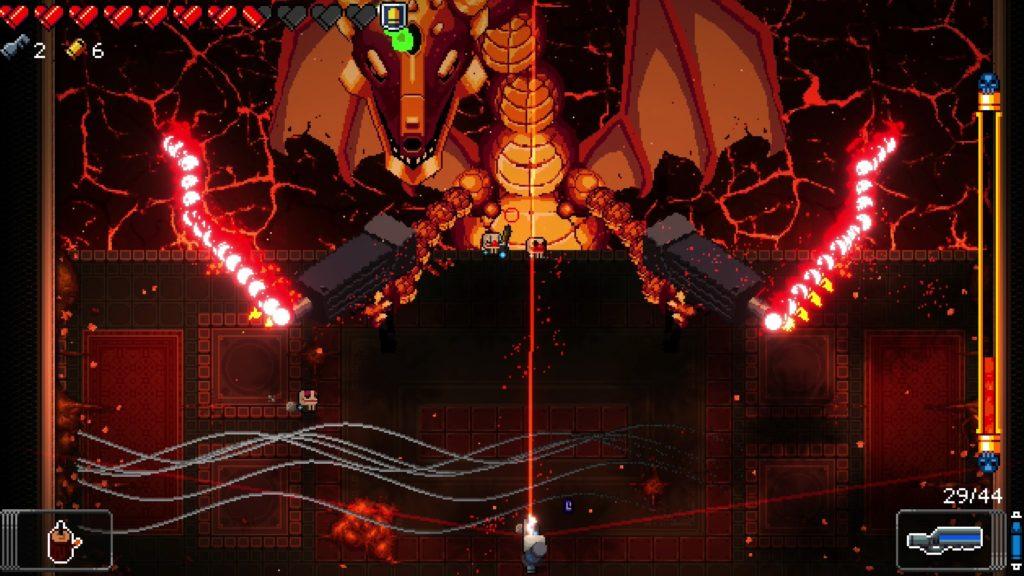
Playtesting is so important, I’m glad you got used to feedback! Think abvout how you might use it in your other design efforts… it can supercharge your work!
Have a great summer!