Before this class, I didn’t really think about game design in a formal way. I enjoyed playing games but had minimal experience making them. Most of my understanding came from intuition rather than a structured framework. When I liked a game, I could usually explain what I enjoyed about it, but I did not always have the vocabulary or concepts to analyze why it worked. I tended to focus on individual features, mechanics, or visual elements instead of considering how all of the different parts of a game worked together to create a player experience.
Over the course of the class, I was introduced to many concepts that completely changed the way I think about games. Learning about formal elements, narrative structures, and the MDA framework gave me tools to break down and analyze games in a much deeper way. Instead of seeing a game as simply a collection of mechanics, I learned to think about how those mechanics create player behaviors and ultimately lead to specific emotional experiences. I found myself applying these concepts not only to the games we discussed in class but also to the games I play in my free time. I now pay much closer attention to the design decisions behind a game and how those decisions affect the player.
One of the most valuable experiences from this class was the opportunity to work on group projects. Walking into the class, I was honestly nervous about the collaborative aspect because I have struggled with group work in the past. I worried about communication, dividing responsibilities, and making sure everyone was working toward the same vision. However, through the development process, I learned how important collaboration is in game development. Creating a game with a team required constant communication, compromise, and coordination. By the end of the quarter, I felt much more confident in my ability to contribute to a group project and work effectively with others.
I also implemented many of the concepts we learned directly into my own work. Rather than adding mechanics simply because they seemed interesting, I became more intentional about how each mechanic supported the overall player experience. I thought more carefully about feedback, progression, player motivation, and how different systems interacted with one another. This mindset helped me make stronger design decisions throughout development.
At the same time, I experienced several challenges. Since our projects were developed within the limited timeframe of a single quarter, there were many situations where features had to be implemented quickly in order to meet deadlines. While this allowed us to make progress, it also resulted in some systems being built in ways that were not as modular, scalable, or maintainable as I would have liked. When revisiting the codebase to make the full game I will definitely be refactoring a lot of it.
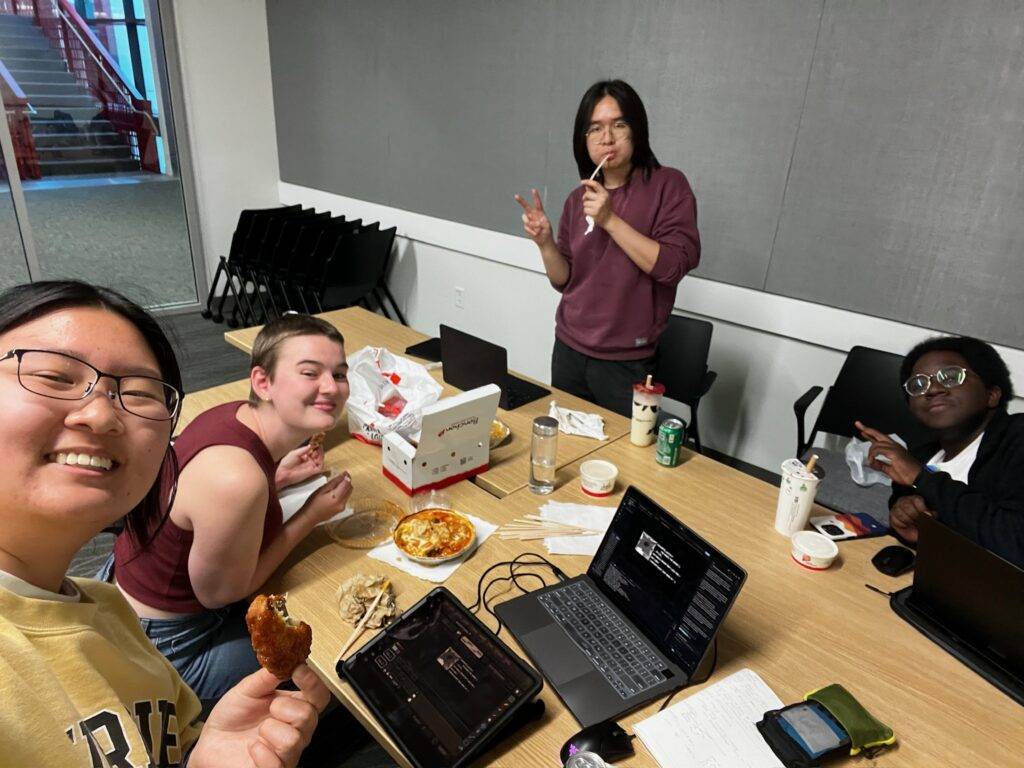
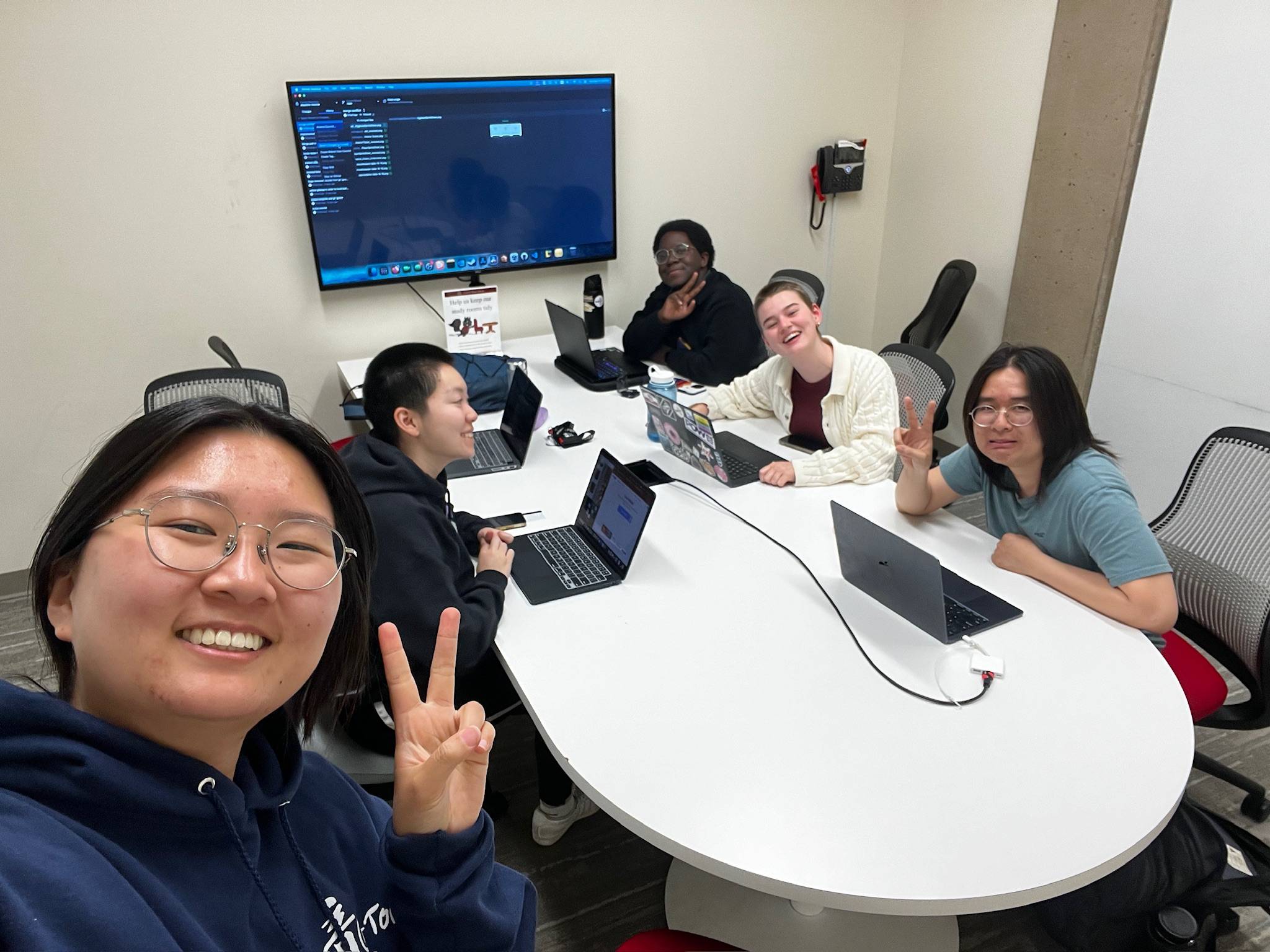
This class has allowed me to grow as both a designer and as a programmer, but I think the most valuable thing I’ve gotten out of this class are the amazing friends I’ve made along the way.