

Before taking CS247G, I mostly thought about games as something I played for fun and a way to procrastinate or escape from the real world. When I played games, I paid attention to whether they were fun or challenging, but I rarely stopped to think deeply about how onboarding, narrative design, accessibility, or player identity shaped the experience. I also tended to view puzzles as isolated challenges rather than as tools for storytelling and emotional engagement.
Throughout this class, I had the opportunity to analyze games from many different perspectives and create my own game with a team. One of the most valuable experiences was learning to critically examine how games communicate with players. Through play analyses, discussions, and design exercises, I became much more aware of how every design decision, from interface design to environmental storytelling, affects player understanding and engagement.
Several class concepts stayed with me. The first was onboarding design. Before this class, I often assumed that players would naturally learn mechanics through experimentation. Studying onboarding examples and observing how different players interacted with games taught me that introducing mechanics is a deliberate design challenge. Another concept that had a strong impact on me was environmental storytelling. I learned that stories do not always need to be told through dialogue or cutscenes. Objects, spaces, and puzzles can communicate information about characters and events in subtle ways.
I applied many of these concepts in my work. While designing puzzles, I tried to ensure that each puzzle not only challenged the player but also supported the story we wanted to tell. We also paid close attention to onboarding by introducing mechanics gradually and providing different levels of hints for players with different puzzle-solving experiences. Rather than making puzzles difficult for the sake of difficulty, we focused on making them meaningful and understandable.
One of the biggest challenges I experienced was working through a difficult team dynamic. Our project originally had four team members, but one member was frequently unresponsive, missed deadlines, and often disappeared for long periods of time without communicating with the team. As the project progressed, this created uncertainty and additional workload for the rest of us. Eventually, we had to work through a formal performance improvement process and make the difficult decision to remove him from the team.
Although the situation was frustrating, it taught me an important lesson about communication and accountability in collaborative projects. I realized that technical skills and creative ideas alone are not enough to make a project successful. Clear communication, timely responses, and transparency about progress are equally important. I also learned the importance of addressing problems early rather than hoping they will resolve themselves. Working through this situation gave me valuable experience in managing team conflicts professionally, documenting expectations, and having difficult conversations when necessary.
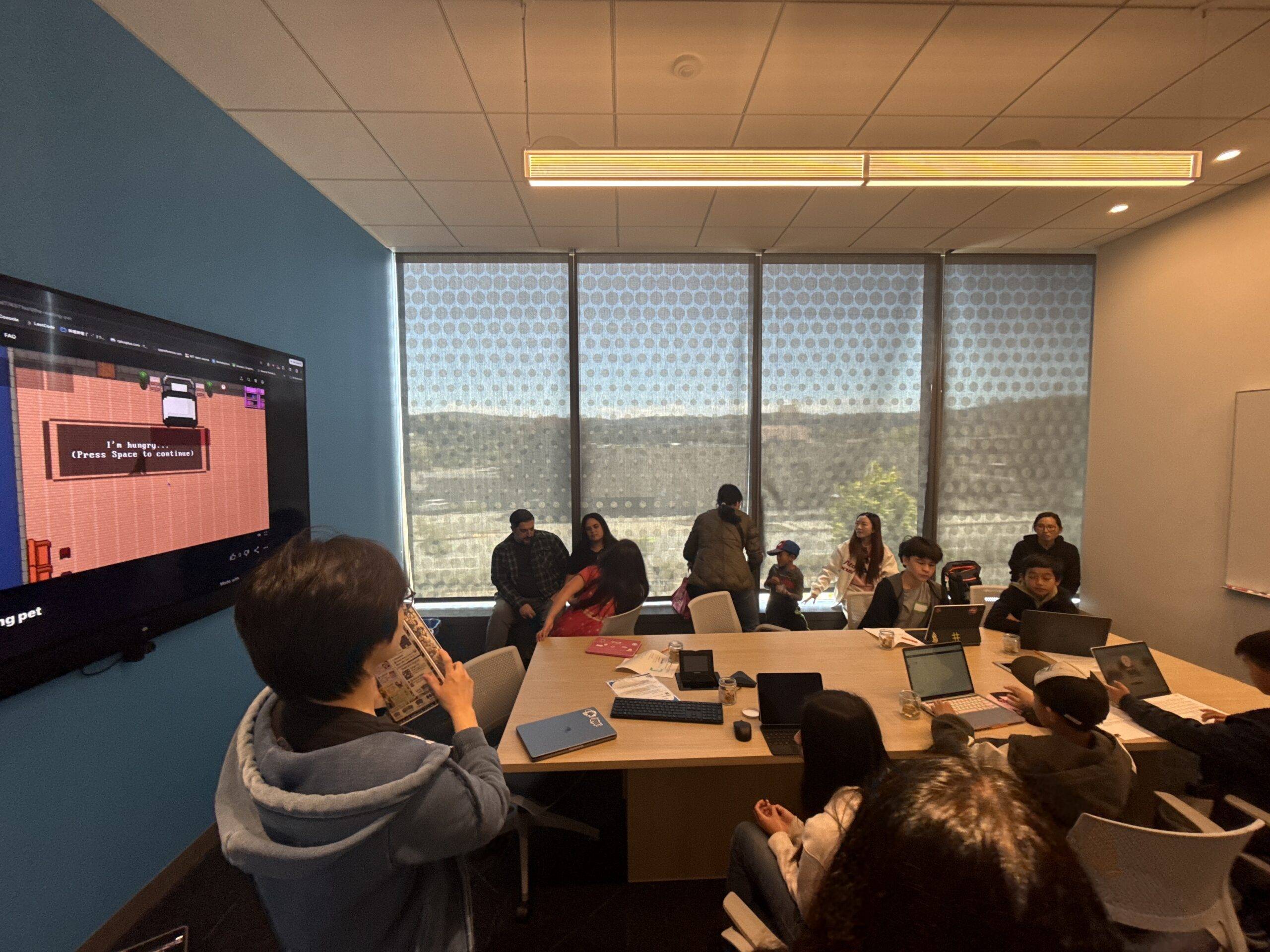
Looking forward, I plan to continue applying what I learned in this class beyond game development itself. Recently, my friends and I have been starting a program that teaches children about AI. One of our goals is to use game design as a way to introduce AI concepts and creative problem-solving. Rather than simply teaching children how to use AI tools, we want to help them understand the importance of concepts, design thinking, and player-centered experiences by creating games with AI. Many of the ideas I learned in CS247G will directly influence how we build this program and teach our students.
This class has shown me that game design is not only about creating entertainment. It is also a powerful way to teach, communicate ideas, and help people learn through interaction. For that, I am very grateful for everything I learned in CS247G, and I look forward to continuing to apply these lessons in both future games and educational projects.


I’d love ot see any educational games you make!