

Past the age of sixteen, it’s pretty common knowledge that movies are a terrible first date activity. Even so, I can’t really say sit-down dinners are much better. Both are technically shared experiences — you sit in the same room, watch the same screen, eat the same food — but they rarely feel shared in any meaningful sense. A movie directs your attention away from each other, while a formal dinner often shifts the focus to talking about experiences rather than actually engaging in one together.
In my opinion, the best activities for first dates — the ones that actually lead to connection — create a shared experience unfolding in real time, something both people actively participate in and shape together.
Take, for instance, one of those places where you can go in and paint a piece of pottery. I understand this may be a steep financial investment for a first date, but hear me out. The point is not the object brought home afterward — if the goal were simply to produce the best possible pottery, tbh I would probably just go alone. Instead, what matters is the experience of making it together: picking out the colors, gathering materials, and learning as you go.
Whether it’s pottery, an arcade, or a long hike, first dates are rarely evaluated by what is achieved. What stays with us is how it felt to move through that experience beside another person — the journey together.
Journey asks players to understand life in much the same way. It invites us to live in stories — to move through them and inhabit them as they unfold, rather than stepping outside them to judge what they mean afterward. Meaning is not something we arrive at; it is generated in the process of living itself.
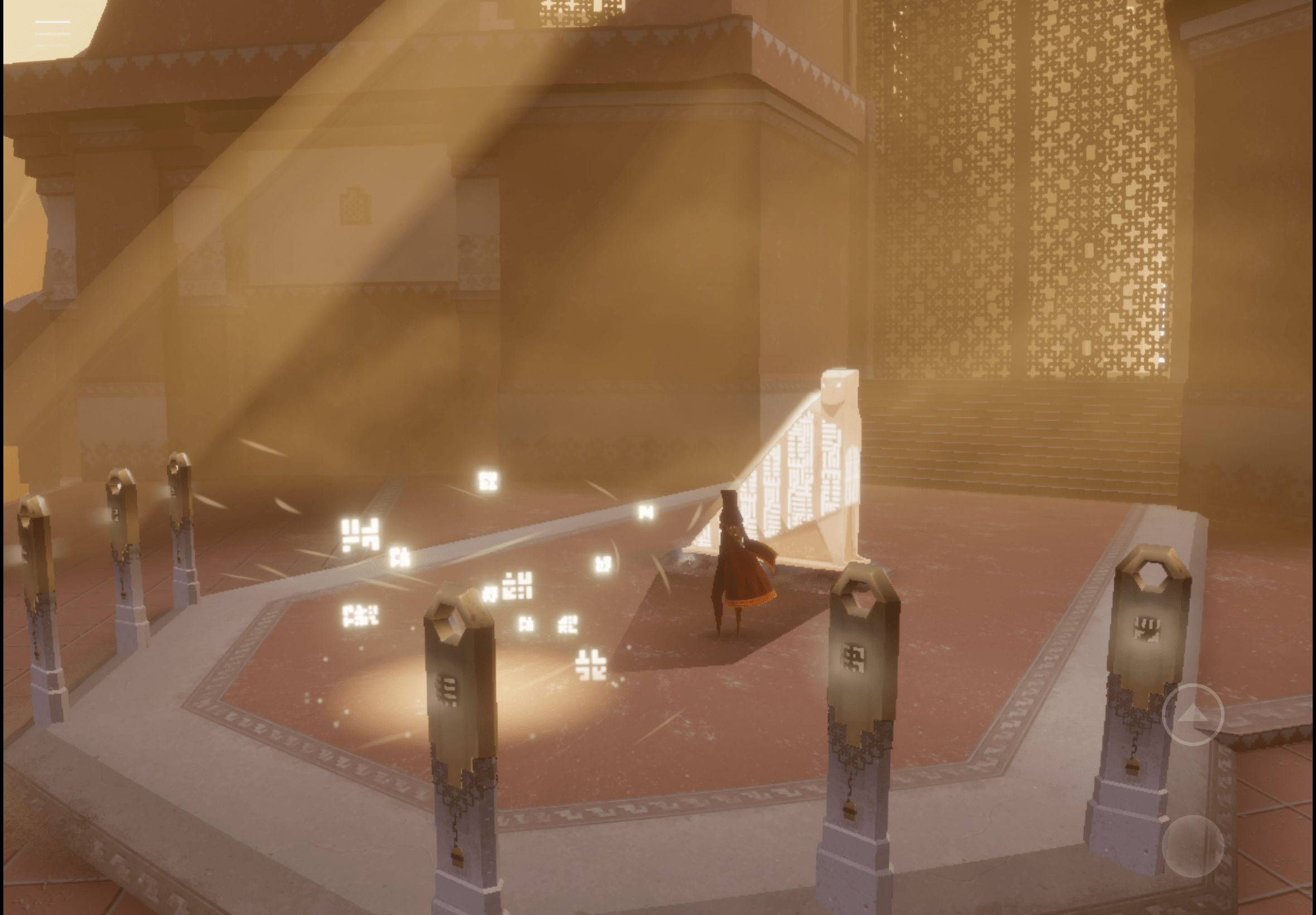
From the start, Journey places players in a world already full of stories. There are ruins scattered in the desert, symbols carved into stone. However, the significance of this world does not come from what is literally there — not from any “final result” that remains. I cannot read the symbols. The half-buried buildings would be unremarkable by any modern safety standards. Yet the environment still feels charged with meaning. That feeling arises from the sense that something once happened here — that something was lived, a story was told.
In this way, Journey does not require the physical presence of others to create meaning, though we do encounter companions along the way. Even in their absence, the game suggests we are never entirely alone. While we create meaning with others through shared experience — walking across bridges with other players or freeing our small “scroll” companions — we also share something with those who came before us. The ruins and landscapes imply that this world has already been walked, shaped, and lived in. Simply moving through it places us within that ongoing story. The same land once wandered by others now supports my footsteps. We inhabit a shared space of experience, even if those experiences are no longer fully accessible.
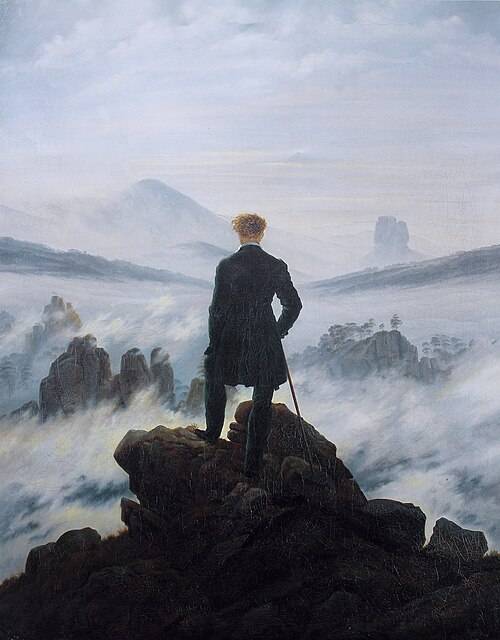
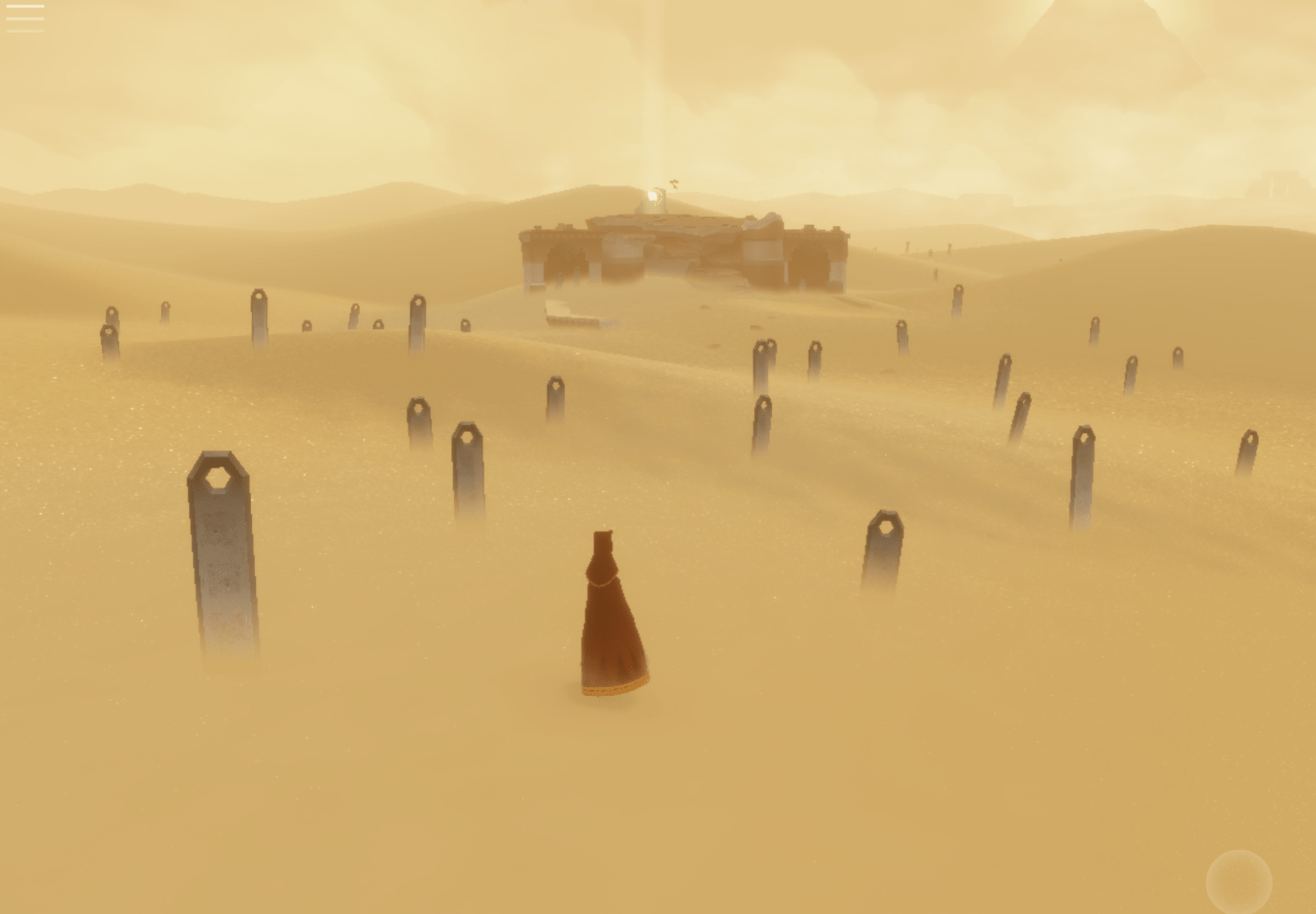
Journey uses this story-filled place not only to underscore past lives, but also to encourage players to sit with their own journeys as they unfold. It forces players to slowly trudge through snow and push through sand. Sometimes it makes players stop moving altogether, compelling them to slow down and simply take in the surroundings. These moments resist the urge to rush toward completion. Instead, they ask us to remain present within the experience itself.
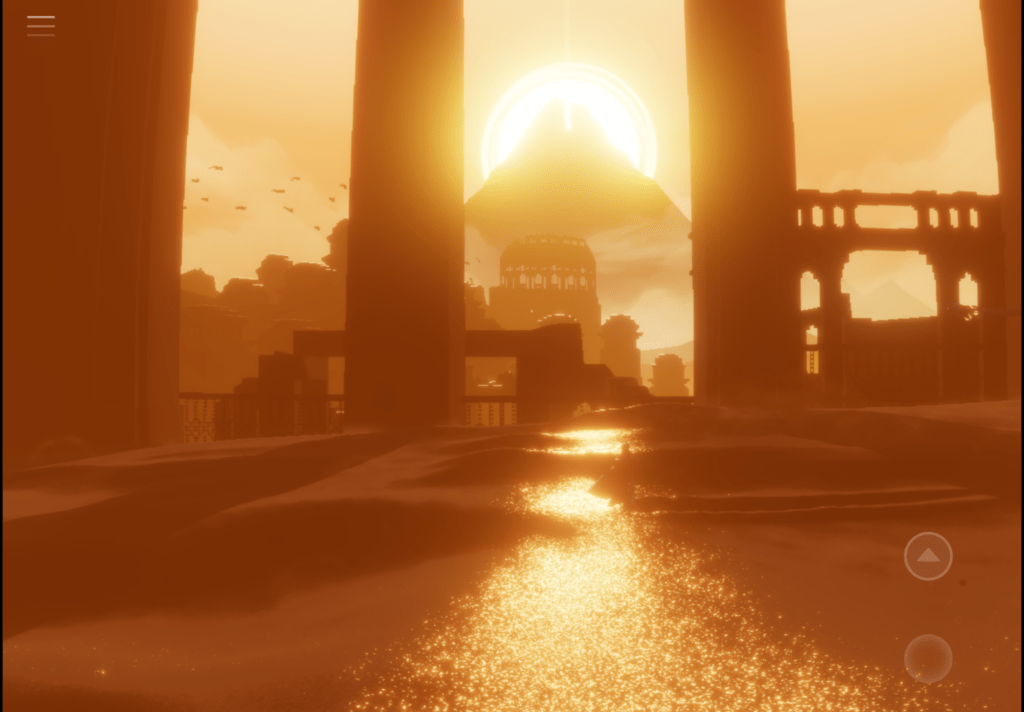
This idea culminates in the game’s ending. After collapsing in the snow just before the summit, the player is lifted upward in an “ascent” of sorts. It’s unclear what this moment represents — be it heaven, transcendence, or something else entirely (I don’t know I’m not religious). With that said, I kind of love that. The ambiguity is the point. Rather than explaining what the journey “meant,” the game leaves us only with the experience of having lived it. That in and of itself is enough.
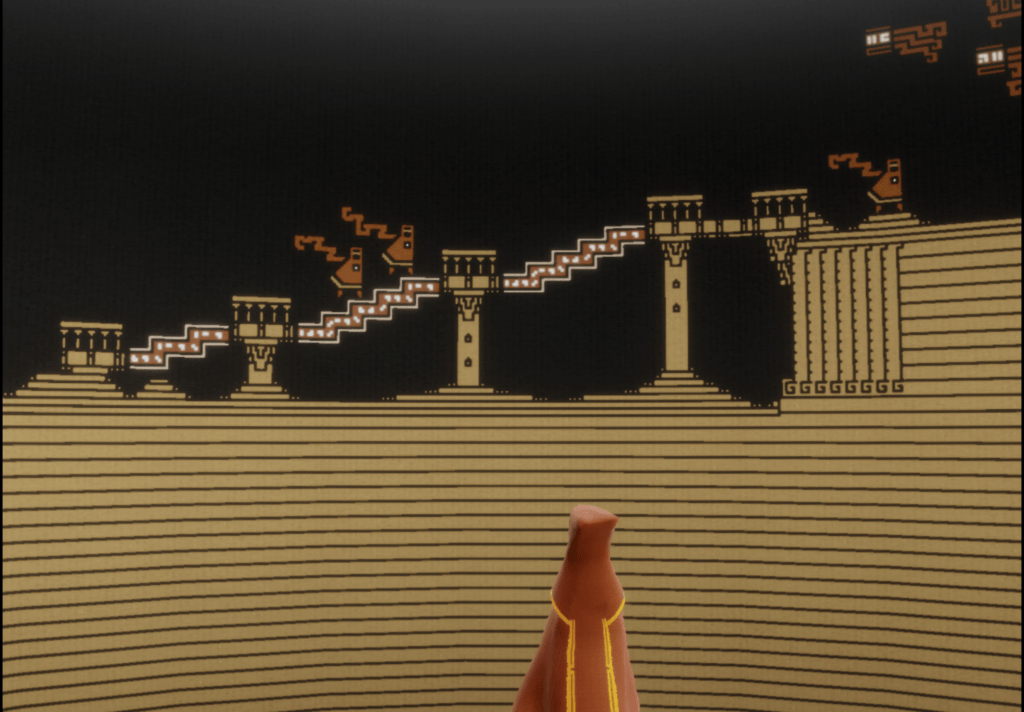
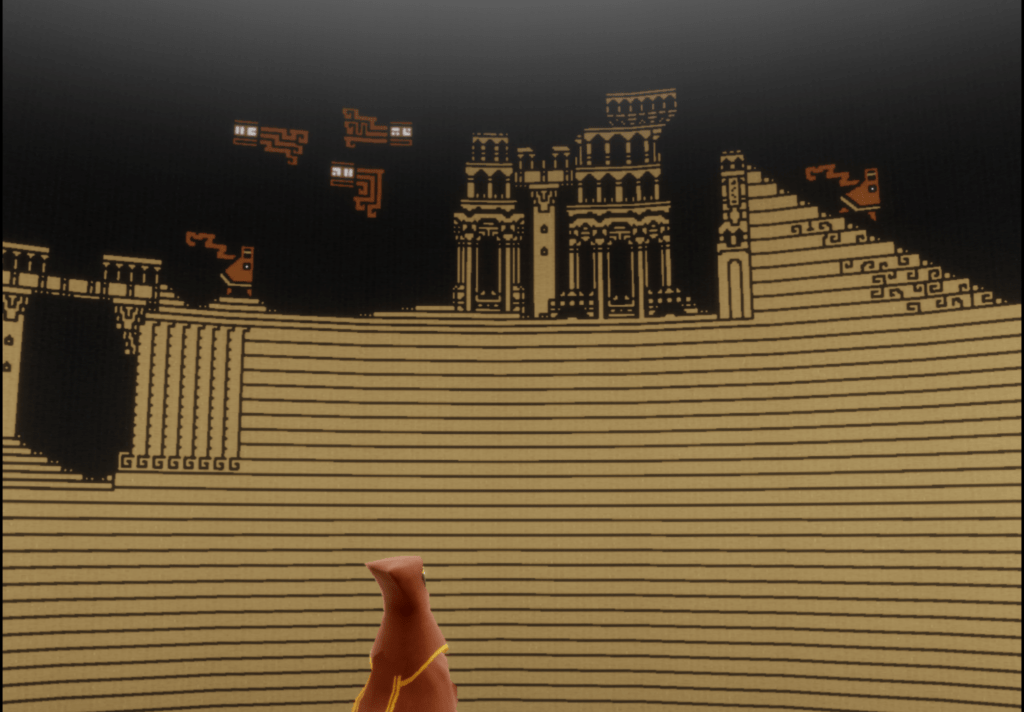
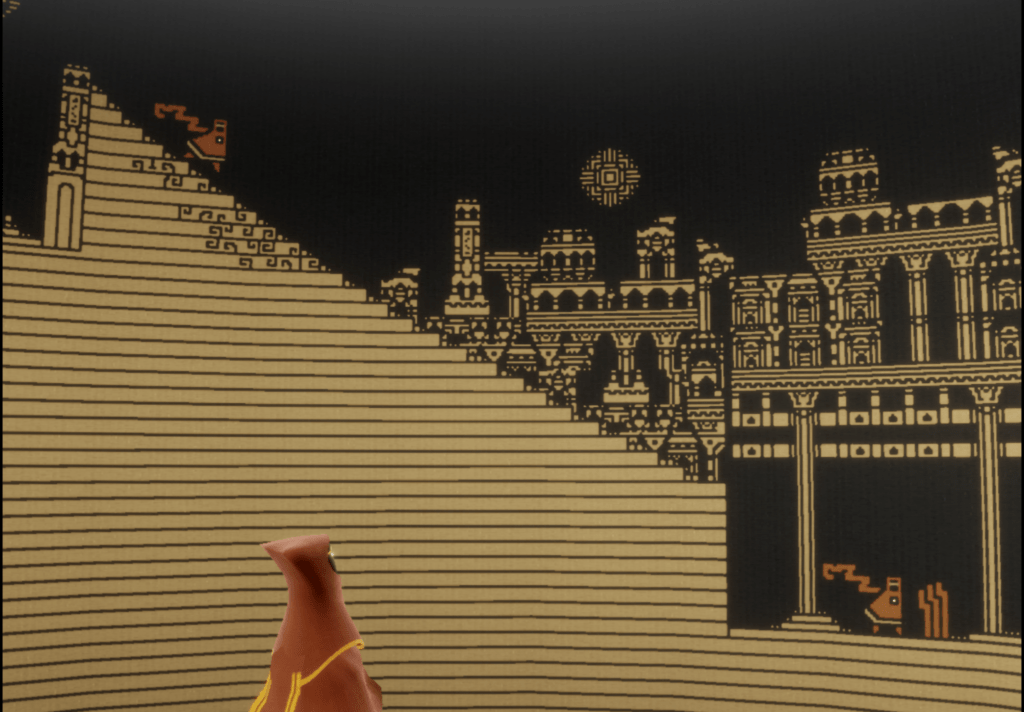
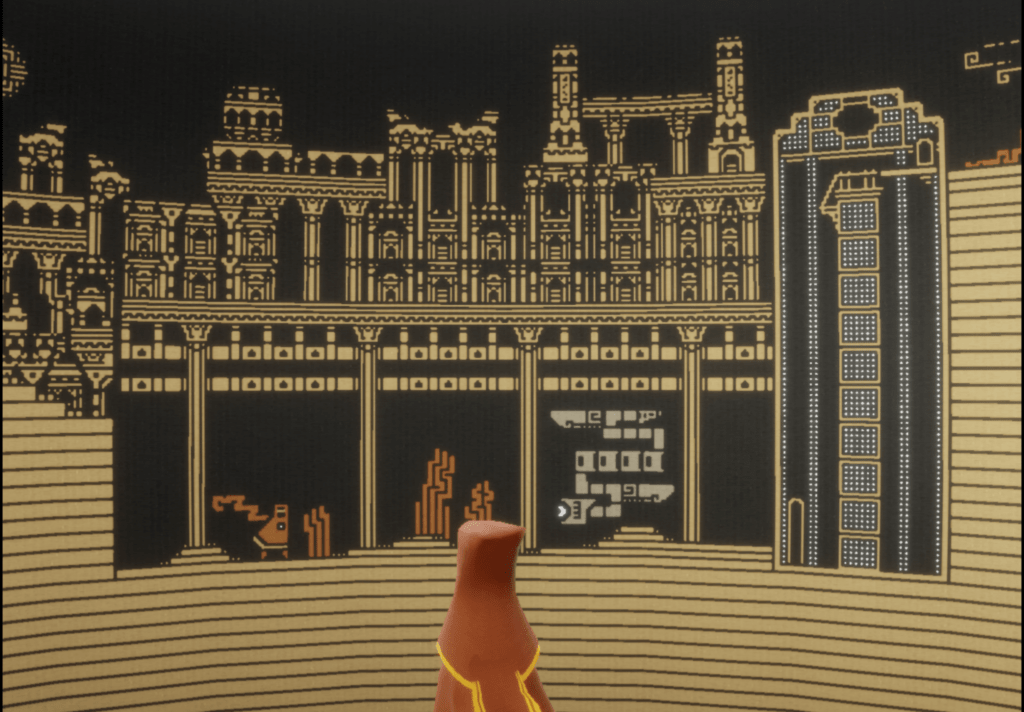
After playing Journey and listening to “Googling Strangers” — and hearing the comments about the near-death of a young boy — I began to wonder why the deaths of young people feel so uniquely devastating (https://www.wnycstudios.org/podcasts/anthropocene-reviewed/episodes/episode-3-googling-strangers-and-kentucky-bluegrass). A life is a life, so why do we so often emphasize that someone “was only sixteen” or “was only six”? I do not think it is because younger lives are somehow more valuable than older ones. Rather, if meaning is found in the living of stories rather than in final achievements or outcomes, then the tragedy lies in the interruption of experiences still in the process of unfolding. What hurts is not simply what was lost, but the sense of stories that never had the chance to be lived.

