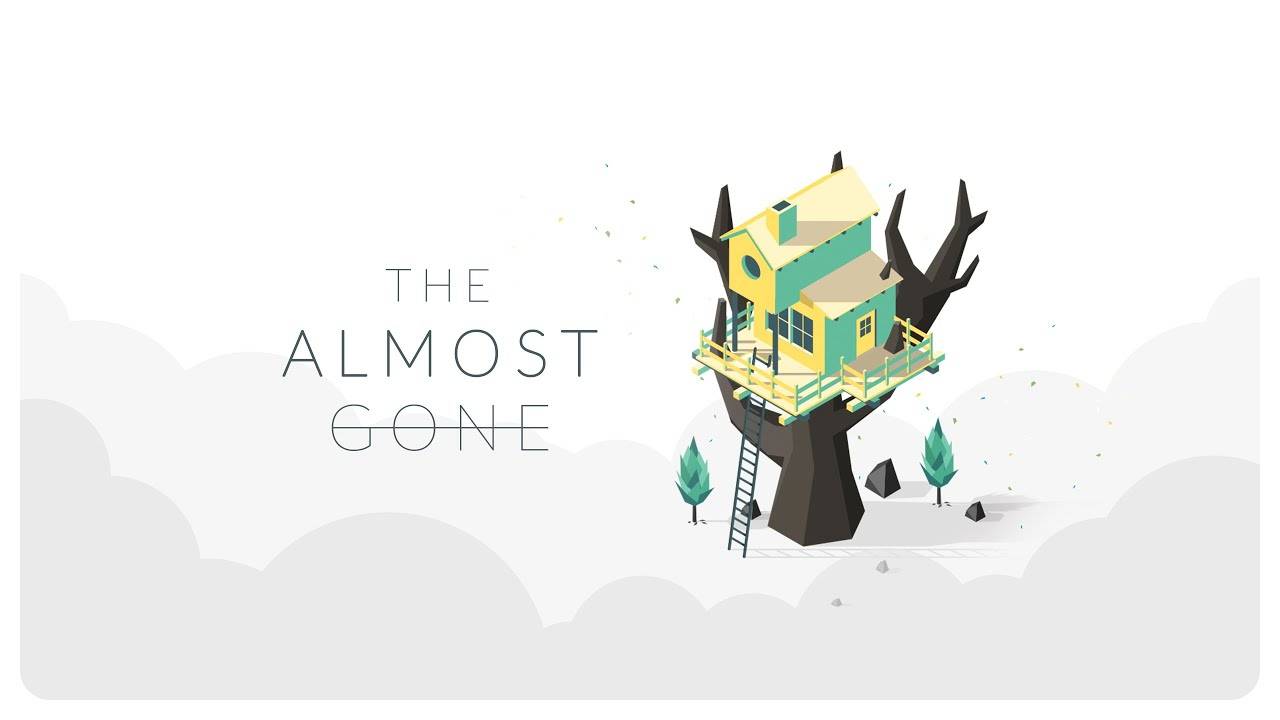
This week, I played The Almost Gone on Steam. It is a single player narrative puzzle game developed by the Belgian indie studio Happy Volcano, and is available on PC (through Steam), Nintendo Switch, iOS, and Android. The game is designed for older players who enjoy a story-driven puzzle experiences that discusses more mature themes like addiction and abuse. Although I think that the puzzles are the main focus of the game since the narrative is somewhat hard to understand from environmental clues. I found that the game’s mechanics are logical and work well when they serve its embedded narrative, but they are still confusing and not perfect.
The central mechanic that defines the experience is the rotating diorama and moving between different rooms. It is very, very similar to Tiny Room Stories, which I played last week. The Almost Gone lets you drag the camera to rotate your perspective around each miniature scene. The virtual architecture blocks your view of certain objects until you rotate far enough, making the act of searching feel deliberate and fun as you discover new items and details about the room. Where The Almost Gone differentiates itself from Tiny Room Stories is in how it ties every interactable object to the narrator’s inner life. They are both embedded stories, but The Almost Gone provides a much richer experience because the story is much realer and human. When you tap a poster or photo frame or a bottle of pills, the protagonist has a line of dialogue that deepens your understanding of their life and relationship with their parents. I personally enjoyed this difference between games because it makes the story much more obvious and important to the player.
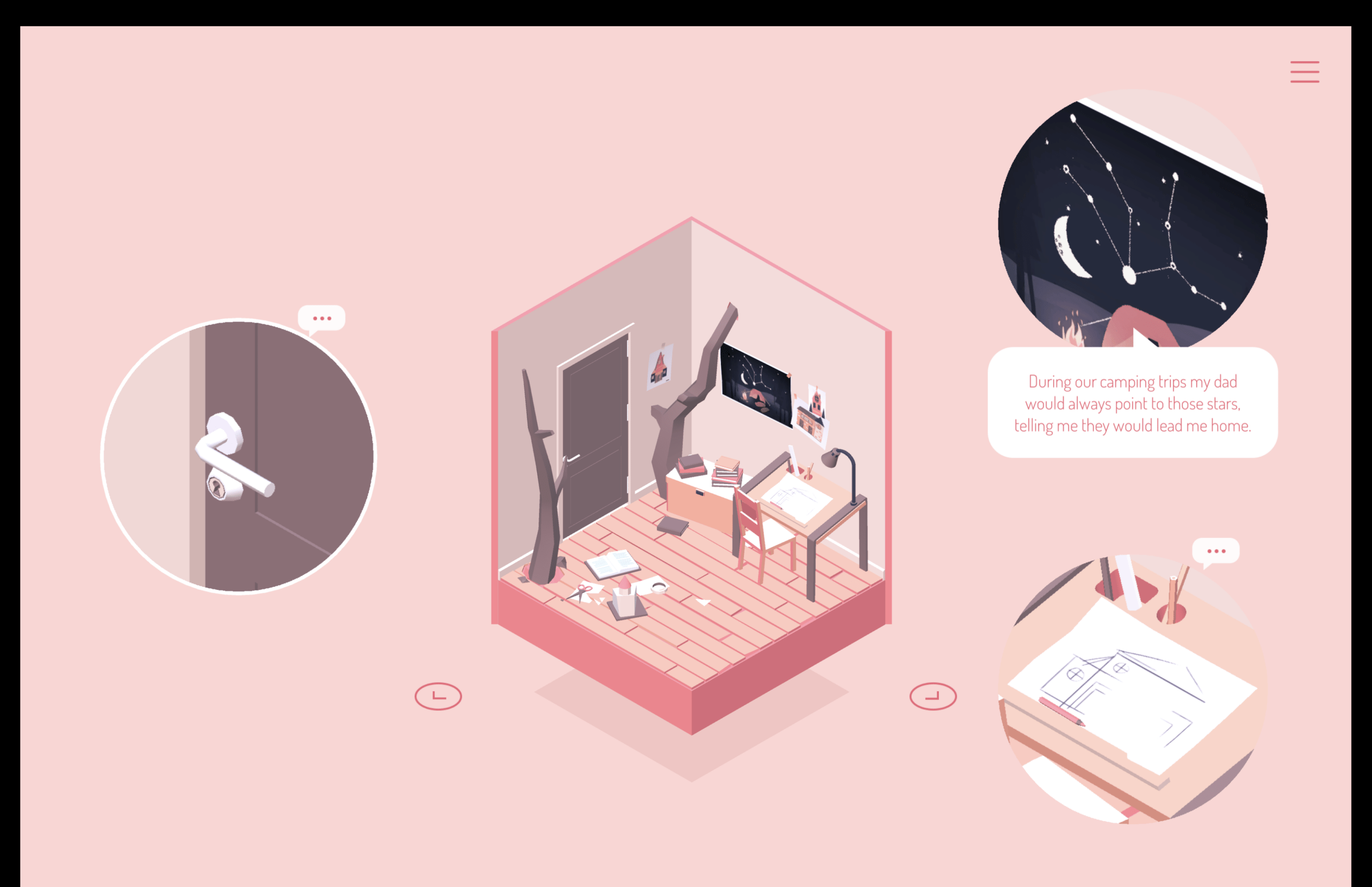
That said, the rotating camera mechanic and interactable objects gave me another frustrating experience. Because the entire puzzle solving loop depends on finding every interactable object in a various scenes, and because some of those objects are very small with no visual indicator of their interactability until you click directly on them, getting stuck often meant moving from room to room in slow circles while clicking on every pixel in hopes of triggering a pickup. This hunt for pixels really weakens the overall game. The Almost Gone relies too heavily on patience and tolerance for aimless clicking. Multiple times in my play through, I got so frustrated and confused that I looked up tutorials on how to progress, only to become more annoyed that I had to interact with something I passed by. A shimmer or outline on interactable objects would preserve the exploratory spirit while eliminating the frustration. It should be a game focused on puzzles, not a game where the puzzle is clicking around for small objects.
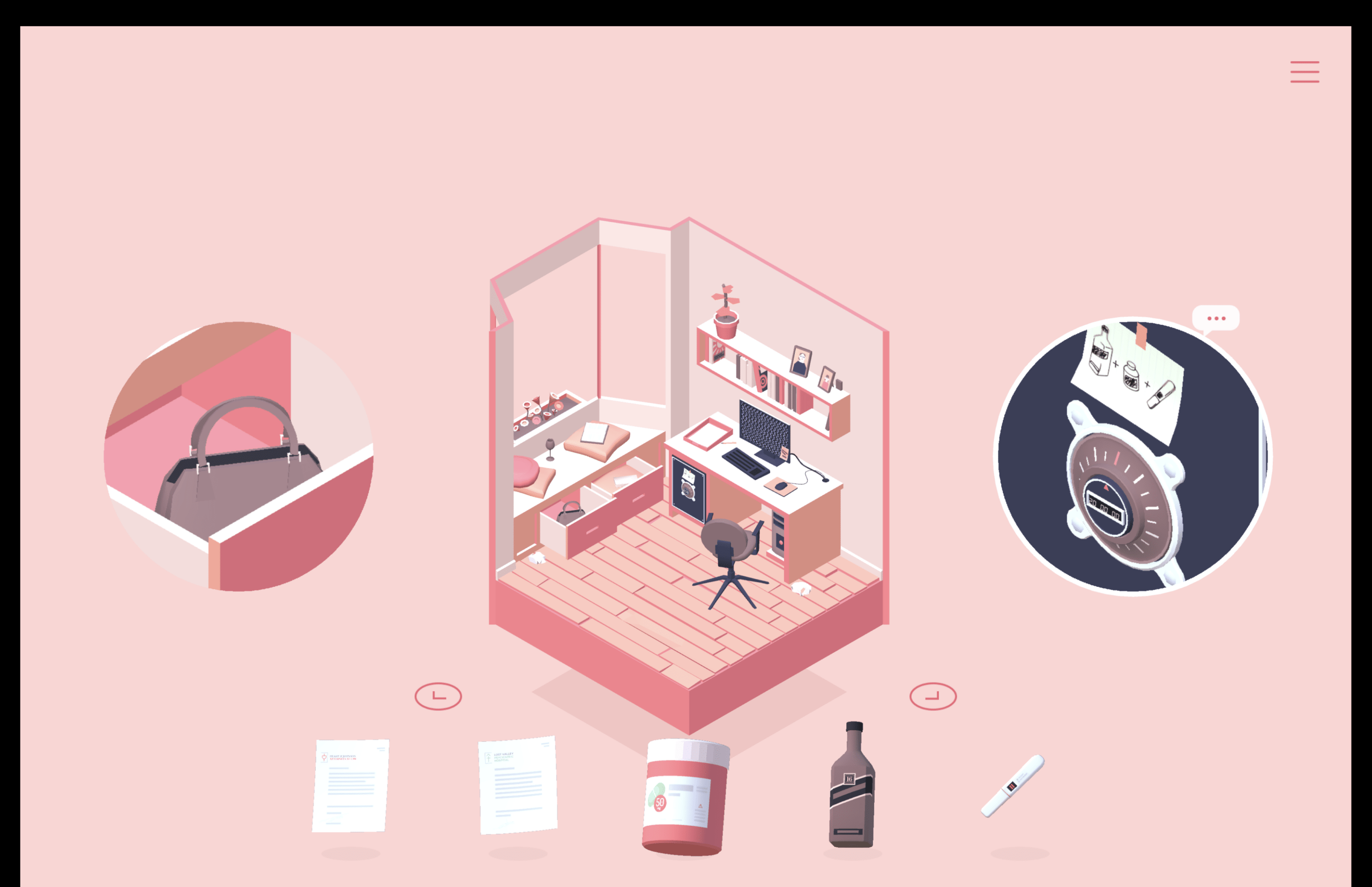
The Almost Gone assumes that players carry a working knowledge of how everyday tools and household objects function in the physical world. Using a crowbar to pry boards off a door, using garden shears to cut rope, twisting a wrench to open a fire hydrant, or understanding that a laser pointer’s beam can be moved and shaped with mirrors are all solutions the game expects players to arrive at through prior experience. For most puzzles, the game does provide a helpful hint, such as a prompt noting that a fire hydrant cannot be opened with your bare hands, which nudges the player toward finding the correct tool. That design choice respects players while still filling in gaps.
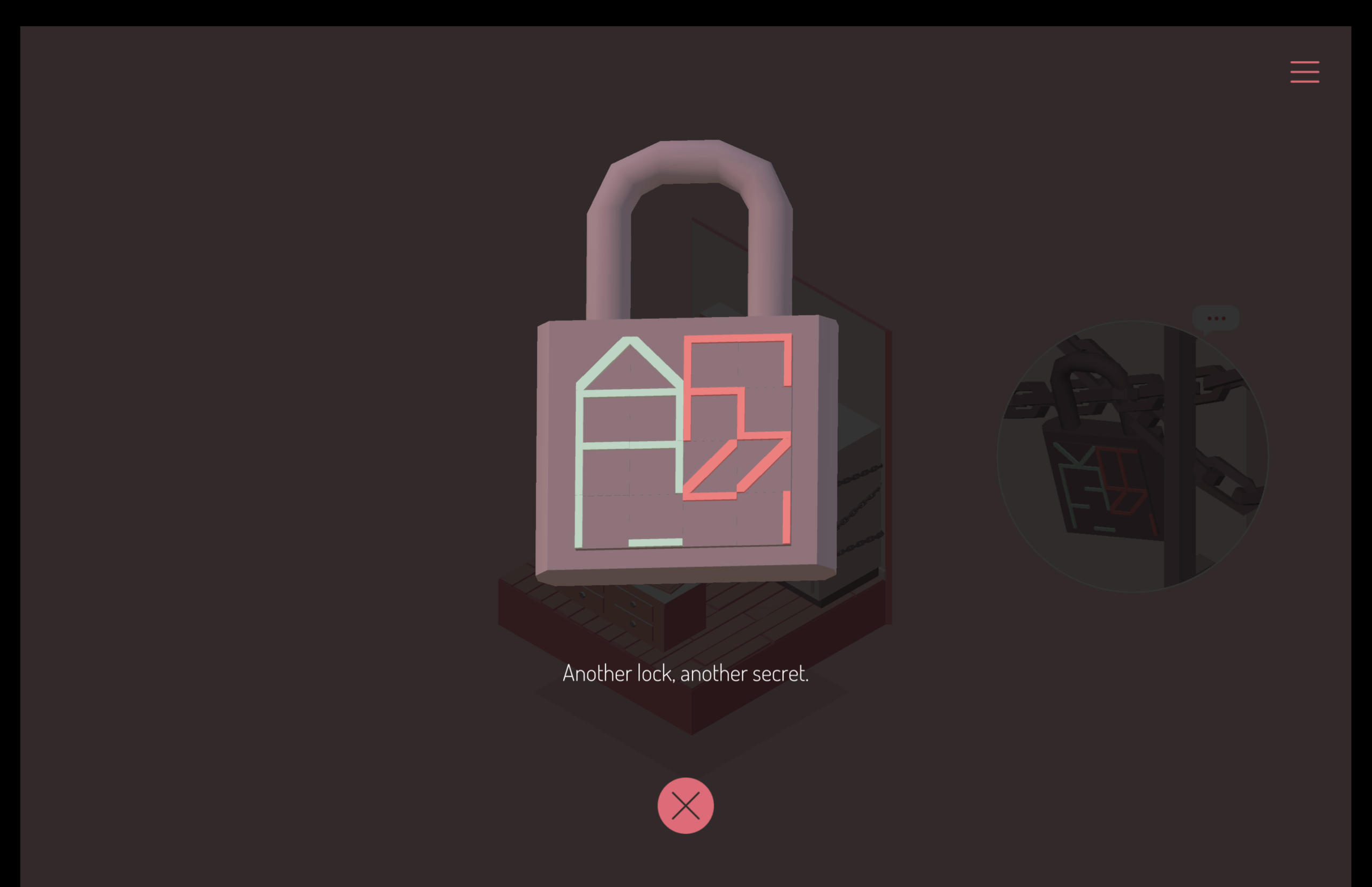
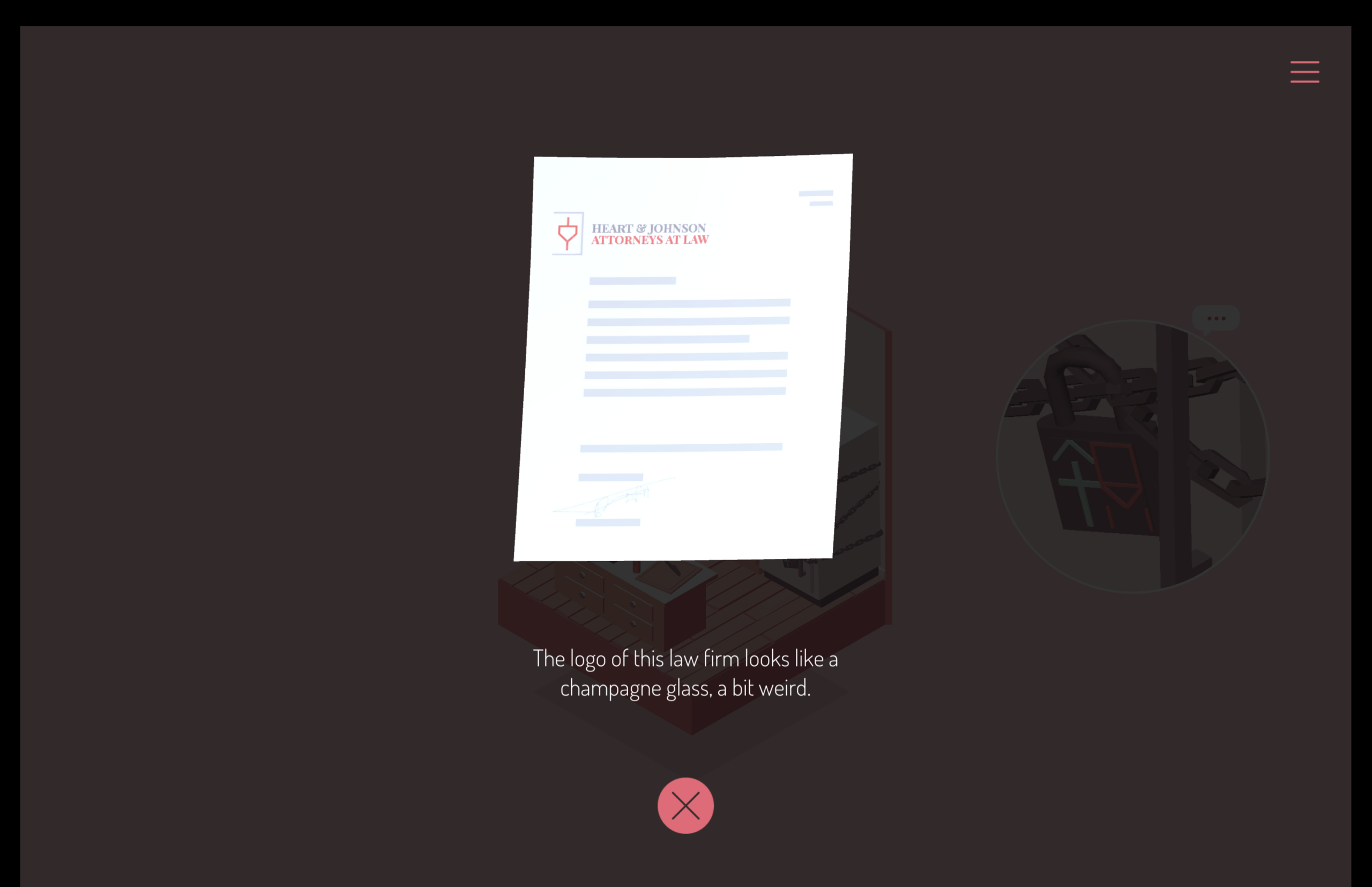
As a designer, I think this is a somewhat meaningful ethical consideration. Puzzle games use real-world object logic as their primary mechanic are implicitly designing for a player with a specific kind of lived experience. That experience tends to skew toward players who grew up with access to media that showed these common tools and tropes, or in homes with certain tools and hobbies. When the solution to a puzzle depends on knowing how a telescope lens works or how a fire hydrant is opened, the game is affecting its audience in ways it may not intend by making it harder for them to relate or play. The game’s mechanic of popups is a partial solution as it highlights something that can be interacted with. But because of uneven coverage of explaining things to the player, the experience can shift from engaging to alienating and confusing. There is a variety of strong puzzles that do rely on figuring out codes or object placement, but there is also a concerningly large number of puzzles where the objective is to just find a tool and use it on something else. Overall, The Almost Gone is a well-crafted game that uses its mechanics to tell a story, but is nothing unique or very innovative.