Mood Board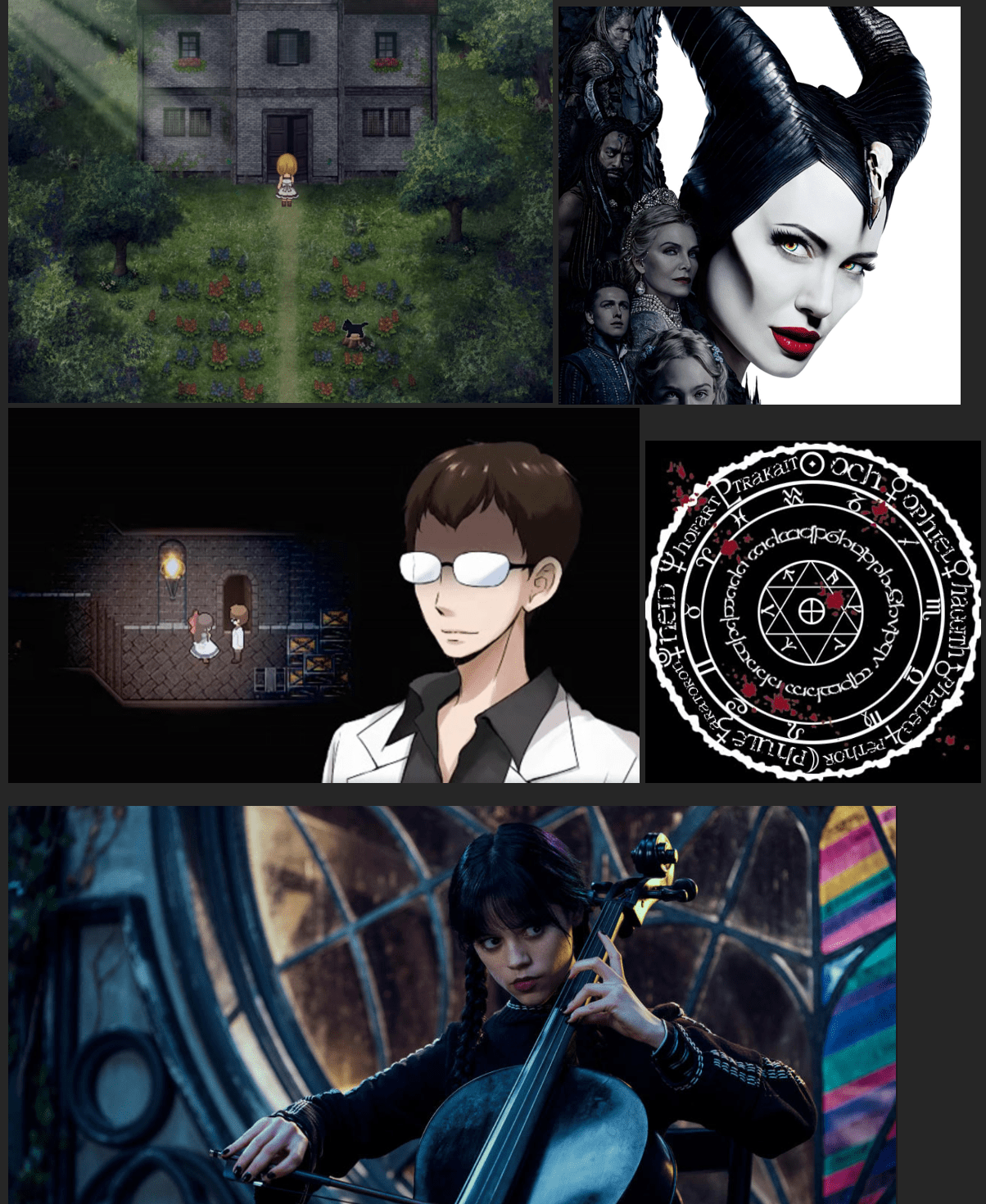
Play list:
Direction 1 – Escape Room
The house is structured as a series of nested puzzle boxes, one per form. As the dog, the player solves the first floor, unlocking doors and drawers using only what a dog can do (pushing, sniffing, digging, knocking things off shelves). As a cat, the player reaches puzzles that require height and dexterity, like balancing on shelves or slipping through narrow gaps. In the basement, the fish handles the final puzzle by navigating water currents or activating switches to change the flow. This direction focuses on challenge-based and discovery fun, where each form creates a different way of thinking about the same space. The narrative is mostly environmental and systemic, told through how the house is designed rather than explicit story beats.
Direction 2 – RPG with Death and Save Points
The second direction makes the house quietly dangerous. Eating the wrong thing poisons the dog. Stepping on the wrong tile causes collapse. Pressing a button might release some monster. The story is paced by the player’s mistakes—each death teaches them a little more about how the house works. This creates tension and survival-based fun, where learning comes from failure and repetition. The narrative approach is emergent and player-driven, unfolding through trial and error rather than being directly told, with a mood that stays consistently tense and uncertain.
Direction 3 – Storytelling
The player wanders the house in whatever form they currently inhabit and pieces together what happened to the witch. Sentences appear above objects, and small clues build the story: a photograph showing the witch without a pet, scratches that suggest a cat, but no pet bowl. The experience moves smoothly without pressure or danger. This direction emphasizes narrative and discovery fun, where the player is uncovering meaning rather than solving difficult problems. The storytelling is environmental and fragment-based, allowing the player to assemble the story at their own pace without tension.