
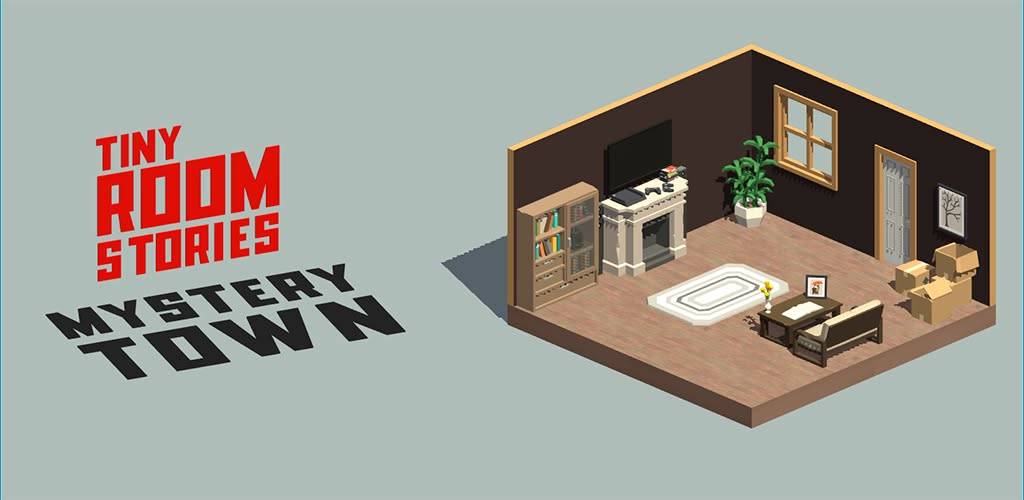
For this critical play, I chose Tiny Room Stories: Town Mystery, which is a mobile escape room game developed by Kiary Games, and is available on iOS, Android, and Steam. Its App Store recommended rating is ages 9+ and its target audience are those who enjoy puzzles, mystery, and problem-solving. I think that I would have definitely enjoyed it when I was around nine because the puzzles rely so much on exploring space and interacting with objects, instead of complex words and reading comprehension. When playing it as a designer, I found myself both impressed and frustrated because the game heavily relies on environmental storytelling and object interaction to weave its story.
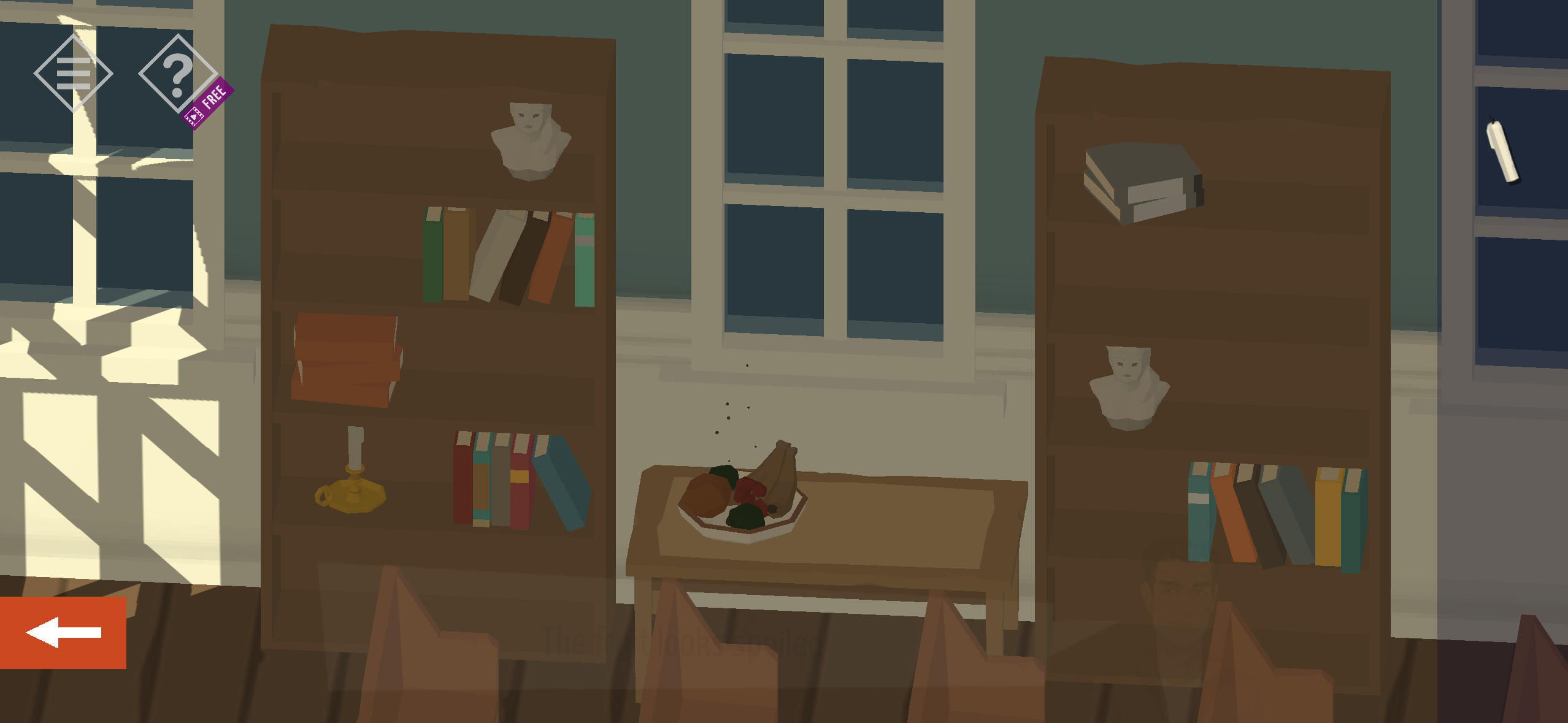
The central highlight of the game is that architecture plays such a large role in narrative. The town of Redcliff does not explain itself to you because the designers show you. As I played through a couple of the first levels of the game, I noticed that you could interact with many objects and pieces in the rooms, even if they were not part of any puzzle. This was really similar to Firewatch, which I played last week. I consistently spotted rotting food sitting around the rooms. This communicated abandonment so effectively and made me wonder what could have happened. Although it is not a puzzle clue, it is part of the world-building that is equally important in games. This environmental storytelling works as it should by carrying meaning before the player even interacts with anything.
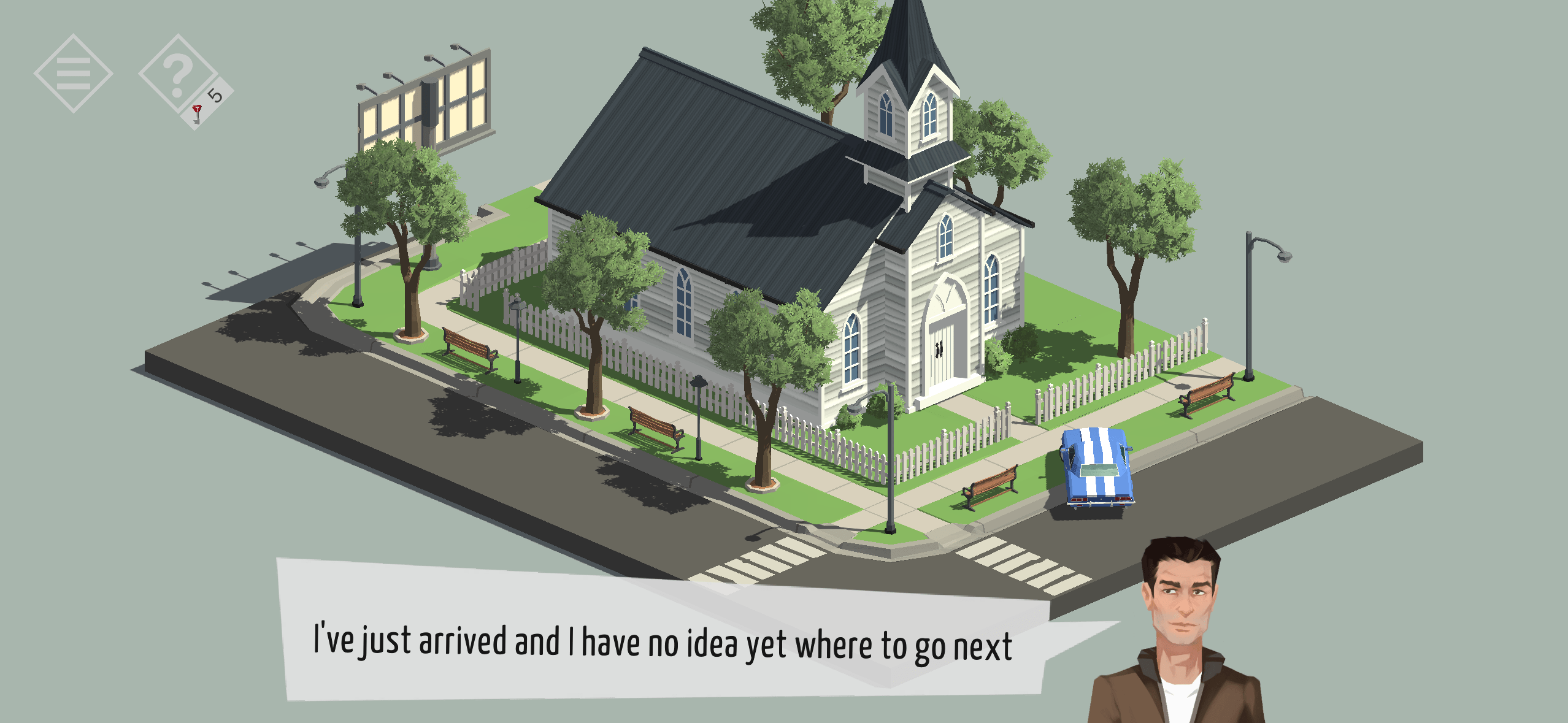
The architecture controls and supports the story primarily by controlling what you can see and when. Walls block your line of sight, and the isometric camera requires you to physically swipe and rotate your perspective around the room, so information like clues and puzzles stay hidden until you physically orient yourself to find it. Discovering a clue/object tucked behind an angle you were not looking at produces a small thrill. The game makes investigation feel embodied and tangible, which reinforces the mystery narrative. Moving between rooms extends this logic as each new space resets the tension and introduces fresh exploration. Since there are a variety of puzzles, clues, and tools hidden throughout different rooms, it requires players to explore each room thoroughly, and understanding the space itself.
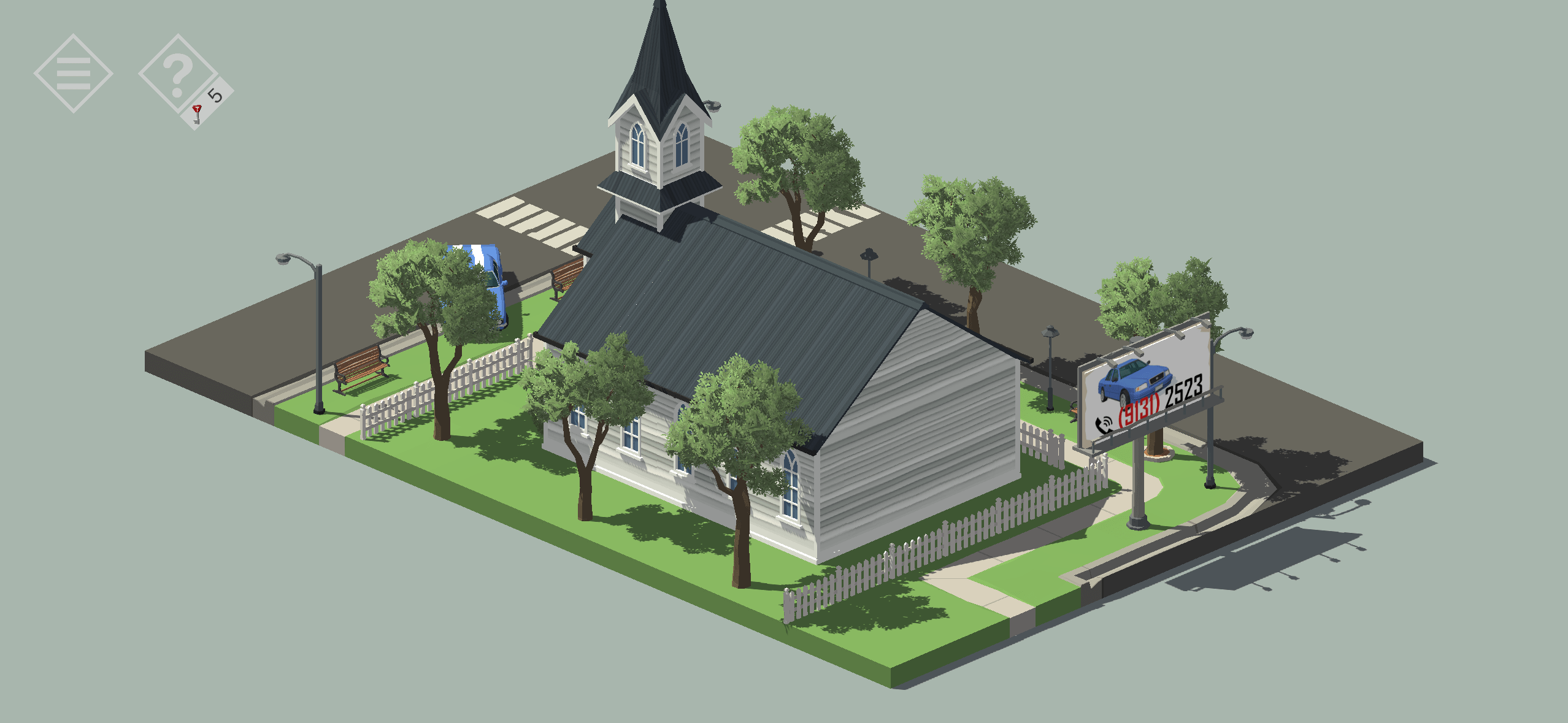
This is where I think Tiny Room Stories separates itself from other games I have played like The Room series or Agent A. Those games embed narrative largely through object manipulation, which this game also has, just asking the player to interact with things in order to surface meaning. Tiny Room Stories embeds meaning in orientation itself, where reading a room from multiple angles mirrors how actual investigation works and gives the player a more active role in constructing their understanding of what happened. That design made the game feel more like inhabiting a mystery than solving one.
I think that the game struggles at the intersection of that same spatial design and player guidance. The game populates its rooms with many interactive and non-interactive objects, but offers no visual language to distinguish between them. An object that matters for progression usually exactly like an object that exists for atmosphere, and during my playthrough I stalled on multiple occasions because I missed a small and visually indistinct item that was necessary to move forward. For example, after I had placed valves on a hot and cold water pipe, I had no idea what to do with that. After watching a quick YouTube video, turns out I needed to only turn on the hot water pipe, then click on a faucet to create steam to reveal a pattern on the mirror. This friction does not feel like earned difficulty because it is a communication failure between the designer and the player, and one that breaks immersion precisely when the atmosphere is working its hardest, because the mystery of the space collapses when you spend five minutes tapping through rooms looking for something you can not find.
This problem compounds into an accessibility barrier. Even on my pretty large phone screen, I was having a hard time seeing some of the light switches or objects in the game. The absence of any interactability indicator becomes a significant obstacle for anyone with low vision, since an item sitting in the corner of an already dense isometric scene offers no visual contrast or affordance to help someone who cannot clearly distinguish object edges from background detail. Some of the swiping and zooming in and out of scenes can also be disorientating and there lack of a static map changing animations. A toggleable “highlight interactable objects” mode would solve both the general usability problem and the accessibility barrier, without dismantling the experience for players who want the spatial challenge. By keeping the core experience intact while widening access, we can start to design accessibly for a larger audience.