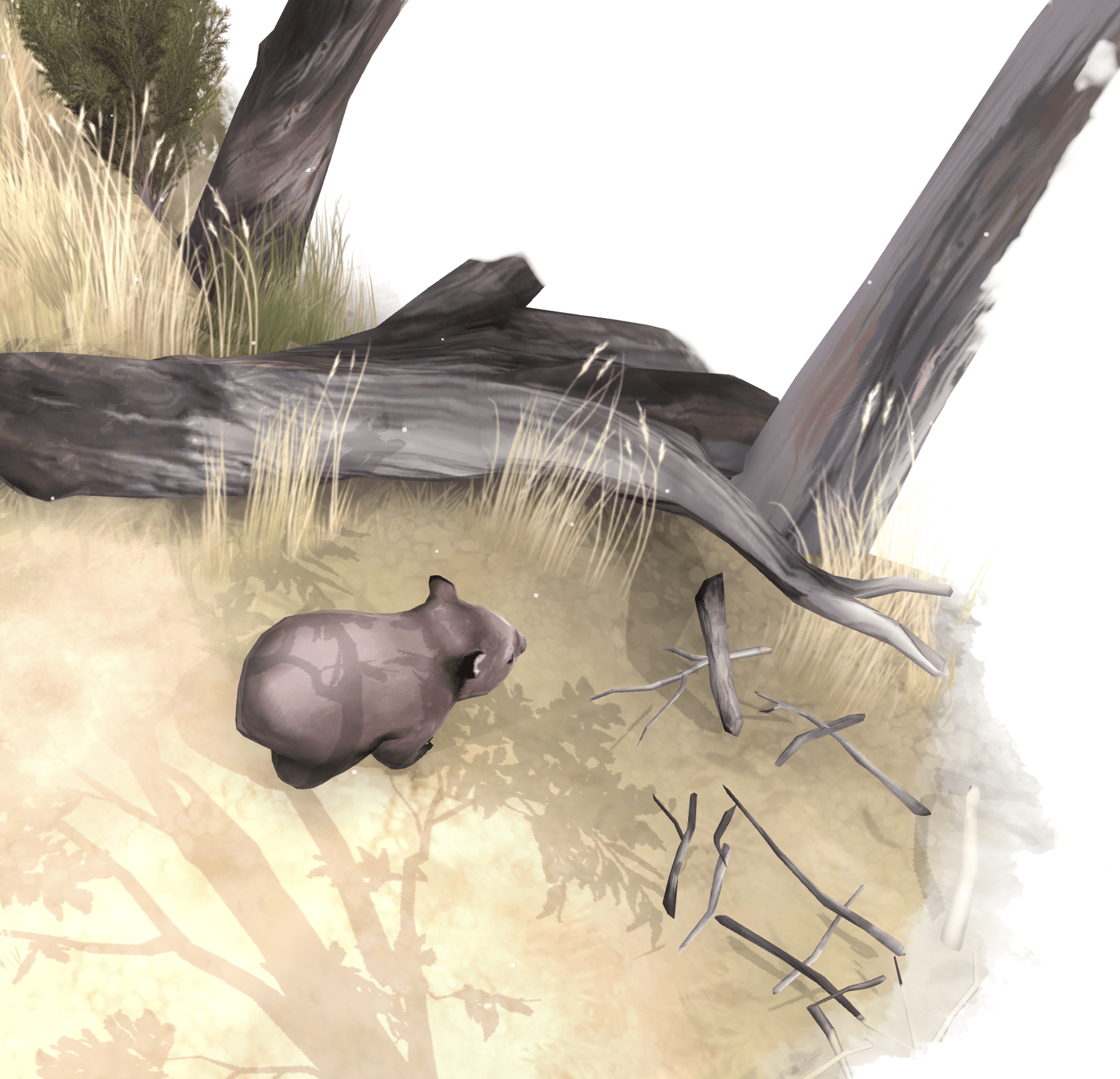
I played Paperbark, a beautiful and simple game following the movements of a wombat in the Australian bush. Paperbark is a point-and-click exploration video game by Paper House, released in June, 2018. Although most ages would be able to play the game, I think the intended audience is 6+ years old, and it might be especially apt for Australians looking to learn more about their local natural environment. I learned a lot about the native flora and fauna through the play experience. I played on the desktop app version on my laptop. In this critical play recap, I will argue that the walking sim tells the story of the wombat by building player investment in the wombat’s journey, giving players the self-determination and responsibility for the animal’s journey, and fostering attunement to implicit dangers like climate change and human intervention.
I will begin with the first point: the walking simulator builds the player’s investment in the wombat’s journey. The game has very few mechanics: players can walk forward by clicking the mouse on the path. The player can collect bugs and help the wombat eat flowers by clicking through when the animal encounters edible plants. Once in a while, the player encounters a rare bird and places it on an identification sheet. Aside from these mechanics, the wombat can only walk. However, despite the simple mechanics, I went through an interesting and powerful emotional arc with this game. I began by walking and exploring the surroundings. I enjoyed the sensation of the gorgeous and dynamic atmosphere of the game and the fun of discovering new regions of the brush. Then, about one chapter in, I began to feel bored. The gameplay began to feel monotonous and, at one point, I got stuck and couldn’t find a pathway forward.
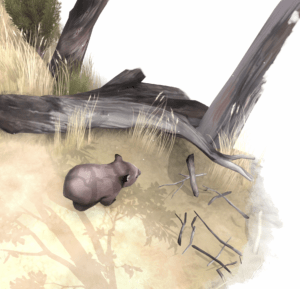
After 10 minutes of struggling to find a new area to explore, I stumbled across some flowers to eat and felt real joy – and it immediately all clicked. I understood the aesthetic of boredom: it made me feel like I was living the life of this animal. The wonder, the exploration, the discovery of food, the boredom – all of these aesthetics, following from the simple mechanics of the game design, immersed me in what felt like the daily life of the wombat. There was something so beautiful about this. I loved the rest of the game, even enjoying the moments of peaceful boredom. And, at this point, I felt truly invested in the well-being of the wombat.
Another dynamic that contributed to this feeling of responsibility for the wombat is the self-determination of the game. The walking builds this story by giving players limited visual information and having them rely on small clues like footprints to chart their course forward, reminiscent of what it might be like to be a small woodland creature without a wide view. The opaque surroundings help focus the player on the experience of the present. The walking sim design allows players to choose their path through the brush, and (at least for me) this meant that I felt culpable for any danger the wombat might encounter. When the ominous screen below appeared, I actually felt concerned.

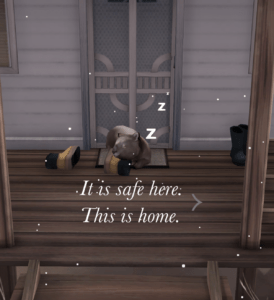
Lastly, I believe that the walking simulator builds the narrative by playing into ominous player associations with climate change and human interference in natural habitats. The wildfire chapter, along with the allusions to hot wind and the introduction of traces of human activity such as tire tracks, brought up feelings of fear, denial, and anxiety when I was playing. I expected the worst, thinking the humans were burning down the forest, or that the summer would be too hot for the wombat to survive. I was terrified that the wombat would not be safe, and I assumed it was because of human intervention. The game turns this anxiety upside down in the last frame when the wombat curls up on the porch of a house and says, “this is home.”


The only mechanic that did not make sense to me was the bug collector scoreboard (pictured below). In games like Monument Valley, each discovery brings you closer to the final graduation from the level, but that did not seem to be the goal of Paperbark. In the end, I had only collected about half of the possible flora/fauna, but there did not seem to be a consequence or reward. I think the collection mechanism gives the gameplay a sense of purpose, but I don’t know that the point system added anything for me.

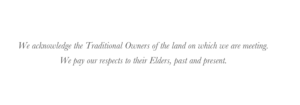
I have a few ethical considerations for this game: the first is that I want to commend the game designers for including a land acknowledgement at the beginning. Surfacing gratitude for the original caretakers of the land frames the game within a lineage of stewardship and care for natural environments. I also think the game raises interesting ethical questions about empathising with animals that we find “cute and cuddly.” While the aesthetic of the adorable wombat adds to the game, I sometimes worry about animal rights efforts focused on building empathy through cuteness because we should also care about endangered species like sharks that have different cultural connotations.
To answer the ethical considerations prompt, violence (aside from the wildfire) did not play a role in this game. The intentional exclusion of violence allows the imagination of the players to guide the moral truth of the game. For me, this meant that my anticipation of factors like climate change and human destruction loomed over the game, and I experienced relief when they did not hurt the wombat. The hidden aesthetic of this fear subliminally builds players’ protective feelings toward nature and an emotional investment in climate resilience. I think a key outcome of the game is to help players find a connection to nature and conservation through their own anticipation of violence that never arrives.