Chaos, Constraint, and the Space Between: A Competitive Analysis of Cooperative Games
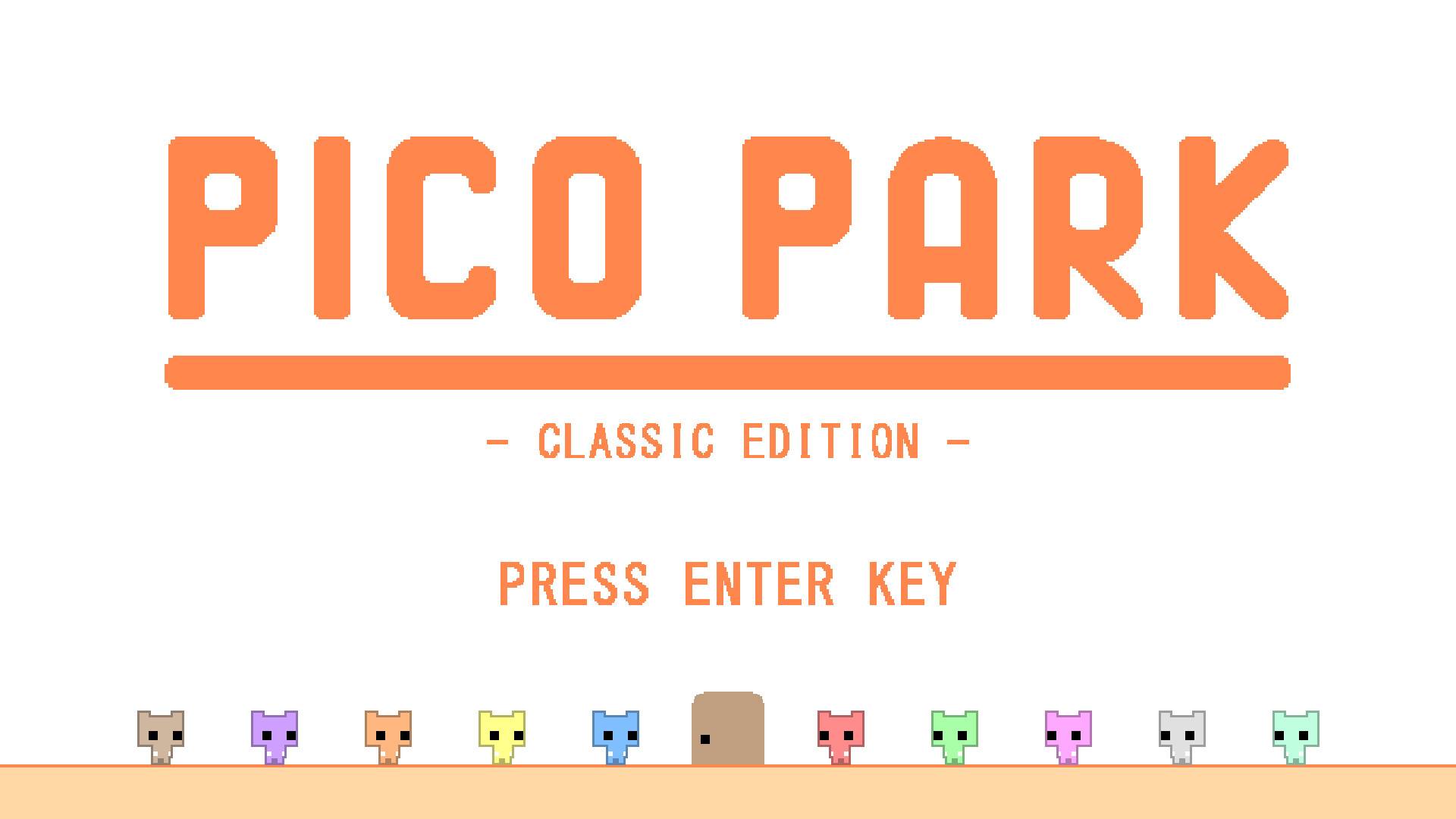
Two hours. That’s how long my friends and I were stuck on a single level in Pico Park, the one where every player had to take turns controlling the same character, passing the input one by one in rapid succession. We laughed. We yelled. We failed over and over again. And when we finally cleared it, the exhaustion and relief hit all at once in a way that felt genuinely earned. That moment stuck with me as I thought about what makes cooperative games work, and what Emergency Response, our P1 game-in-progress, is still figuring out.

For this competitive analysis, I played Pico Park (TECOPARK, PC/Nintendo Switch) and Sky Team (Luc Rémond, Scorpion Masqué, 2023, board game). Both are cooperative games targeting players who enjoy social, collaborative experiences, but they represent opposite philosophies of what cooperation should feel like. Together, they reveal a core tension in Emergency Response: our team wanted a chaotic party game, but our rules ended up complex without yet delivering the chaos we intended.
Pico Park: Simple Rules, Beautiful Chaos
Pico Park is a 2–8 player cooperative platformer with nearly invisible rules: move, jump, cooperate. What makes it remarkable is that chaos isn’t a bug — it’s the entire design. Players block each other, accidentally sabotage jumps, and create emergent comedy out of ordinary movement.
In MDA terms, the mechanics are minimal (movement, jumping, basic interaction), but the dynamics that emerge from multiple players sharing a constrained space are rich and unpredictable. The aesthetic payoff is fellowship and hard-earned satisfaction — the game weaponizes miscommunication so that frustration and triumph arrive together.
Compared to other games in its genre, Pico Park’s approach is distinctively stripped back. Overcooked also creates cooperative chaos, but through task management and role division — players have different stations and responsibilities. It Takes Two goes further with deep role asymmetry, giving each player mechanically distinct abilities. Pico Park stands apart by keeping everyone identical, letting chaos emerge purely from shared space and timing rather than designed role conflict. This is both its strength and its weakness: the symmetric design means the group is bottlenecked by its weakest player, with no way for stronger players to compensate. A light role differentiation, even something as simple as one player moving faster, could add strategic depth without sacrificing the chaotic spirit.

Sky Team: Complex Rules, Enforced Silence
Sky Team is a two-player cooperative board game where a pilot and co-pilot work together to land a commercial airplane over seven rounds. Each round, players roll dice behind individual screens and take turns placing them on a shared control panel — but once the dice are rolled, all verbal communication is forbidden.
In MDA terms, the core mechanic is constrained dice placement with strict role separation. The dynamic that emerges is tense negotiation under incomplete information — each player must infer what their partner rolled and act accordingly without any verbal confirmation. The aesthetic is drama and intimate tension, completely unlike Pico Park’s loud, chaotic fellowship.

The silence rule is the game’s clever decision — the single mechanic responsible for generating all of that tension. Compared to other two-player co-ops like The Crew, which also restricts communication, Sky Team’s silence feels more visceral because the stakes are immediate and visible on a shared board. Where The Crew’s communication limits feel like a puzzle constraint, Sky Team’s feel like genuine cockpit pressure.
Its main weakness is that luck becomes punishing at higher difficulties — bad dice rolls can make certain rounds feel unwinnable regardless of skill, which undermines the sense that cooperation is what determines the outcome. Introducing a limited reroll mechanic at harder difficulty levels could preserve tension while keeping outcomes more skill-dependent.
Where Emergency Response Stands
Emergency Response is a cooperative board game (10+) where players take on asymmetric roles — Medic, Engineer, Handler, and Scout — rescuing survivors and pets from a hidden tile grid while managing danger and sharing limited resources.
In role asymmetry, Emergency Response resembles Sky Team more than Pico Park. Each role creates genuine interdependence, which is one of our game’s real strengths. But our team originally wanted the game to feel like Pico Park — loud, social, a little chaotic. The problem is that our rules have grown complex without chaos emerging naturally from the mechanics. Playtesting confirmed this: explaining the rules took so long that it cooled the energy before the game even started.
The lesson from Pico Park is that complexity should live in the experience, not the explanation. The lesson from Sky Team is that complex rules must each generate meaningful decisions. We need to audit every rule through both lenses — cut what doesn’t earn its place, and trust that role interaction will generate the chaos we want organically.
Ethics: Who Do You Save First?
Emergency Response has something neither Pico Park nor Sky Team has: genuine moral weight. When a danger tile downs a player at the same moment a new survivor appears, the team faces a real triage dilemma — the downed player and the survivor both have limited rounds before it’s too late, and the Medic cannot be in two places at once.
This forced me to reflect on how games can embed ethical questions into mechanics rather than narrative. Neither Pico Park nor Sky Team ever asks what do you value — they only ask can you coordinate. Emergency Response, at its best, asks both. The design challenge is making sure this dilemma is unavoidable, not accidental. A stronger version would guarantee triage moments arise at critical points, ensuring the moral weight is felt rather than bypassed.