While my group is still comfortably in the very early “brainstorming / ideating” phase, we have sort of gravitated toward a Monopoly-esque board game, where players can gamble on various events and luck plays a significant role. For a game premise such as this, there are many questions we would like our prototypes to help us answer, such as these:
- What conditions make players more willing to gamble or take risks? What conditions discourage them from doing so? Though our game concept involves gambling, we can foresee a gameplay scenario where everyone plays extremely safely, thereby likely making the game less exciting for everyone. As such, the game mechanics should in some way incentivize players to take risks. To help us design such mechanics, our prototype should introduce some low-risk, low-reward situations to players early on in the game before moving on to bigger and more dramatic events. Even with these situations, I predict that many players will start out playing very safe; hopefully, though, one player deciding to take even a small risk will have a cascading effect on the rest of the players.
- When does luck get in the way of fun? If you’ve ever played a Mario Party game (or any game with dice rolls, really), you probably understand how chance can make a game incredibly fun or incredibly frustrating. We would probably like our game to strike a balance between the two but lean more toward the former; we do not want to frustrate players so much that they stop enjoying themselves. Our prototype will probably start out with a handful of luck-based mechanics, and then we will gradually add more to it over time, until we have a reasonably complete picture of which ones make the game better and which ones make it worse. It is hard to know how this will go without testing it first, but I would predict that a game with a reasonably small number of really solid luck mechanics would go much more smoothly than a game where it feels like 99% of the events happen by chance.
- How much agency should players have over their own luck? The way we see it, a “luck-based game” can take one (or both) of two very broad shapes. In one shape, the players bring about certain events that have certain elements of chance attached to them. In the other shape, these events happen to the players, either at random or once certain conditions are met. My initial assumption is that most players would prefer a game that leans more into the first shape, as players generally tend to like having a strong sense of agency over themselves, but maybe the ideal game is one that incorporates a little bit of both. To test this, we may build two separate “mini-prototypes”: one where the players control most of the luck-based events and one where they do not.
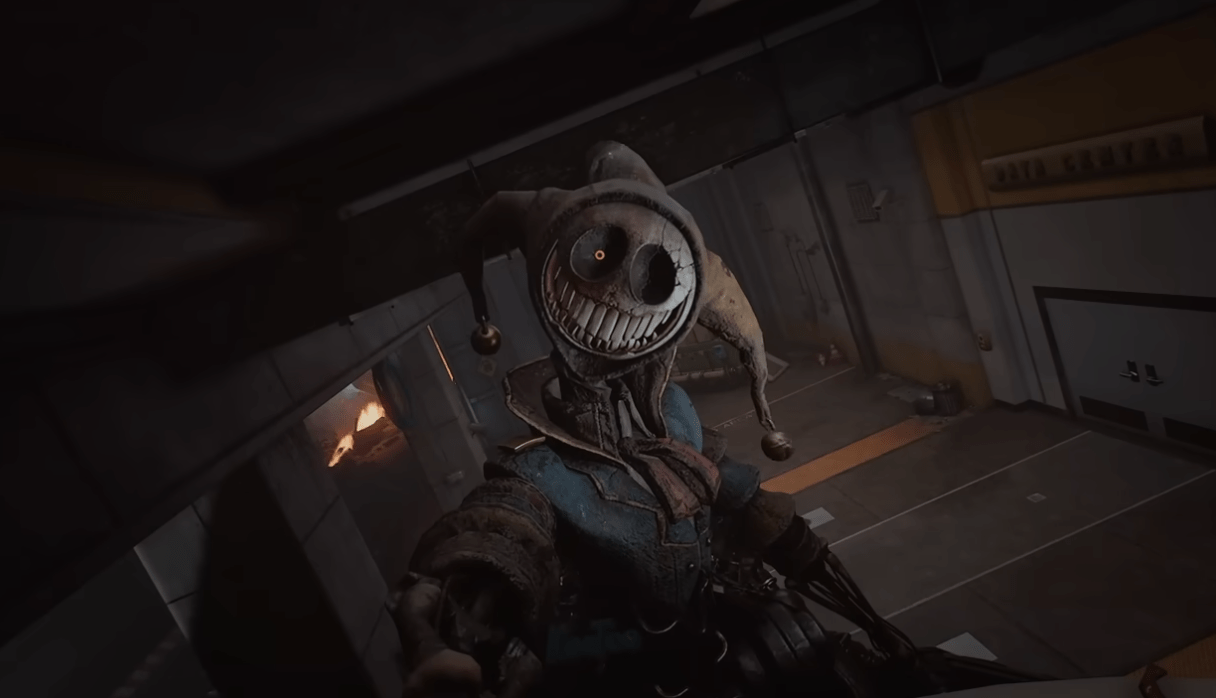
(The featured image for this post is “The Prototype”, the main antagonist of the Poppy Playtime series of survival horror video games. I felt it was only appropriate. I apologize if you found it rather jarring.)