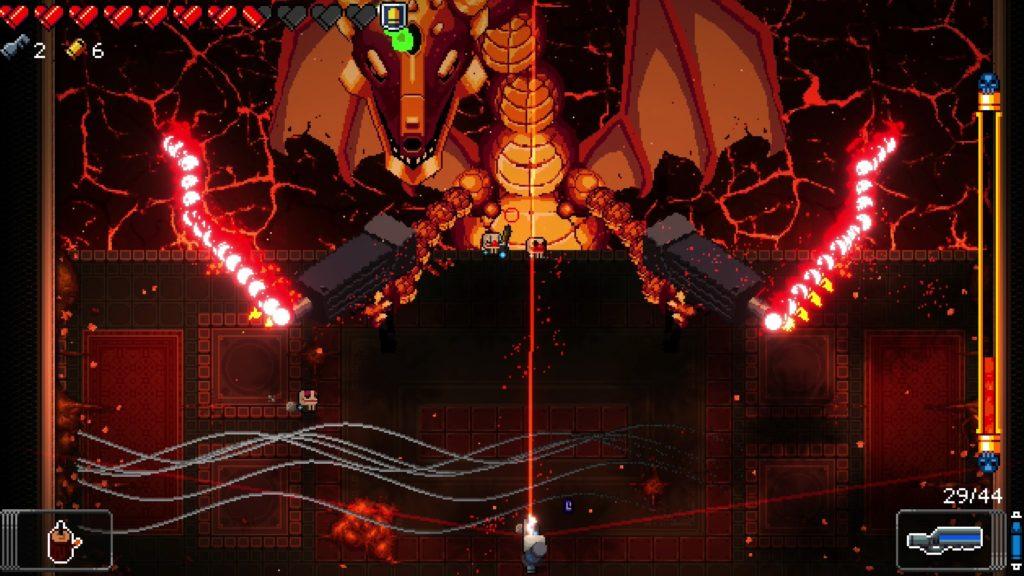
Q1: Is my prototype equally accessible for people who are familiar with the origin games and those who have never heard of these games before? If this is a family level event, participants should be able to play no matter age or general life experience. Prototype: test with different batches of people where some are aware of both origin games, or all have no experience with the origin games, or none have experience with the origin games and ask participants for feedback afterwards. Prediction: it will take several rounds for the first and last groups to start having fun/be fully engaged.
Q2: How long should a round last to feel satisfying without dragging? The game could feel like a quick, chaotic scramble but we don’t want it to be a nonstrategic scramble. Alternatively, it could be fun to do it as a game that lasts over the period of a longer event where it pairs with existing programing. Prototype: Test three round lengths (10 min, 30 min, 1 hour) with different groups. Ask players when they felt “done.” Prediction: 10 or 30 minutes could hit the sweet spot—long enough for crazy steals, short enough to stay energetic.
Q3: Do players naturally form alliances, or does that break the game? (Is this something we should encourage at all?)
Alliances could add depth or let players gang up and ruin the balance whenever any specific duo or group of people is participating. Prototype: Explicitly tell one group “you can team up,” while another group plays strictly solo. Observe if alliances help or hurt the fun. Prediction: Alliances will emerge organically but might need rules to prevent bullying (e.g., no more than 2 people in a team).