
Target audience: Older children
Name: Among Us
Game Creator: Marcus Bromander
Platform: iOS and Android devices
In what ways did your experience playing this game highlight aspects of your own communication style, decision-making, or role within a group? Reflect on how the game’s mechanics and structure influenced or brought out these behaviors.
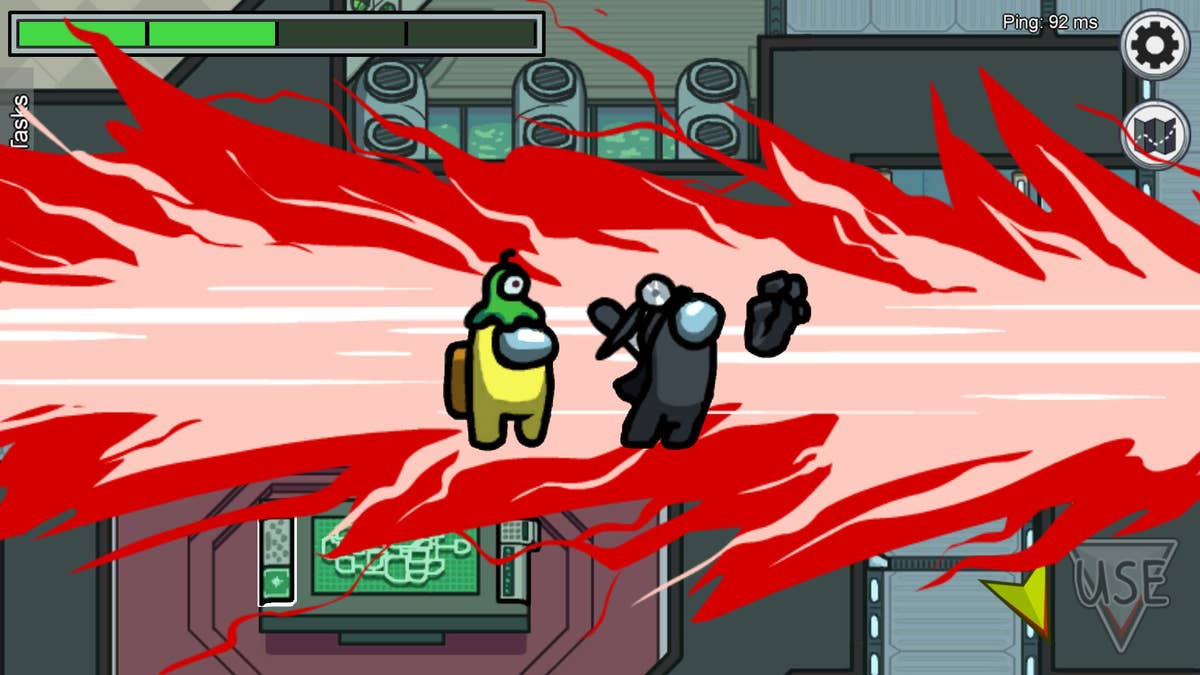
Playing Among Us made me more aware of how I navigate communication and decision-making in group settings. I tend to be observant and really think before I speak, and the game reinforced that. Especially as a crewmate, I found myself holding back from voting too early unless I had something solid to contribute. I was cautious, which sometimes worked in my favor, but also made it harder to convince others when I finally did speak up. As an impostor, I noticed I tried to sound calm and logical, using vague but confident language to avoid suspicion which mirrored how I try to de-escalate conflict in real life.
The structure of the game, where discussion is time-limited and chaotic, pushed me to communicate more decisively. I couldn’t just sit back and wait or I’d be voted out, so I had to step out of my usual slow-thinking mode and trust my gut a little more. It also showed me how group dynamics can shift fast. If someone else was more vocal or confident, they could easily sway the group even if they were wrong. That made me think about how I contribute to group momentum and how silence can be just as influential as speaking, depending on the context.
A similar game to Among Us is Deceit, a horror game where infected players try to kill and sabotage others without getting caught. What sets Among Us apart from other deception-based games is its interactivity through the chat feature, its customizability with avatar outfits, and its distinctive concept that blends social deduction with light, accessible gameplay. I think the design and concept of the game do a great job of establishing its intended audience and niche. The simple graphics help maintain a light and fun vibe, which makes the game approachable and enjoyable, even though it’s ultimately centered around lying and deception.
Does lying as a part of a game constitute a wrong action? If not, what is so special about games that they permit us to lie to our friends?
Lying is considered morally wrong because dishonesty takes away the autonomy of others to make well-informed decisions and observations. It also creates a barrier to trust and mutual respect. To me, lying in a game is not wrong as long as the lie only has consequences within the game. For example, if you have to lie in Among Us to avoid being voted off, the impact of that lie ends when the game ends.
Lying in a game—especially when the premise of the game necessitates it—is acceptable because we all implicitly agree to a kind of contract when we decide to play. That contract says our actions aren’t reflective of our personal desires or motivations, but are instead aimed at winning the game. This understanding allows us to lie without moral conflict in games, because the lie stays within the game’s world, and because we all know that deception is often necessary to fully engage with the mechanics and have fun.
While Among Us has incredibly solid mechanics at its core, the game can start to feel repetitive and even dull after a while. Once players have mastered the basic gameplay loop, like how to complete tasks efficiently, how to spot impostors, or how to avoid being sussed, there isn’t much left to learn or improve on. That lack of depth can make it hard to stay engaged long term. I think one way to address this is by incorporating a championship or competitive aspect to the game. Something like a ranked mode or a point-based leaderboard system could add incentive for more experienced players to keep coming back.

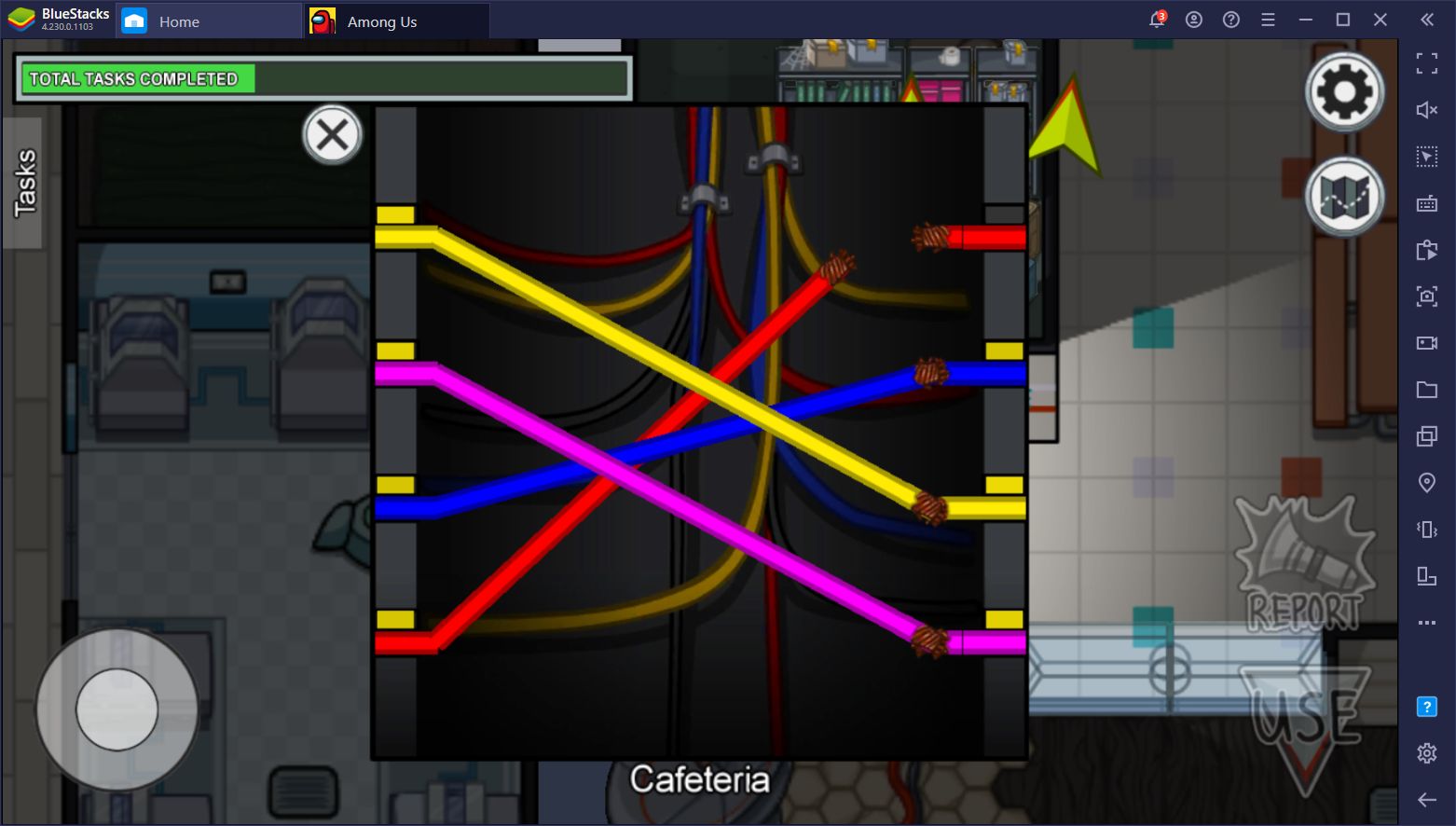
I also think the game could benefit from adding more complexity to its tasks and mini-games. Right now, most of them are incredibly simple: drag-and-drop actions, quick memory games, or pressing a button at the right time. There’s no real progression or depth to them, which means there’s not much satisfaction in improving. Especially considering what we’ve been learning in this course about how games can teach concepts and keep players in a flow state, Among Us is kind of missing the opportunity to challenge players in that way. Introducing more layered tasks or even difficulty scaling depending on experience level could bring back that sense of learning and growth.