


“The Road Beyond the Village”
PLAY THE GAME FIRST (10-15 minutes): Link
Content note: Financial hardship, family conflict and estrangement, uncertainty about educational opportunities, and difficult personal decisions. No graphic violence or horror is intended.
How to play: Read each scene and choose how you want Niran to respond. Your decisions affect his relationships, what he learns, how he prepares, and ultimately which ending he reaches. There are three possible endings.
Overview: An opportunity is never just an opportunity!
The Road Beyond the Village follows Niran, a sixteen-year-old student in rural Thailand who dreams of studying design. One of his favorite sketches is a community library, a quiet place where young people can study when they do not have a suitable space at home.
His friend Mali is working on a sound-recording application inspired by her grandmother’s songs. Meanwhile, Mom is trying to manage household expenses, and an old family photograph raises questions about her estranged brother.
When Niran hears about a visiting-designer workshop in Northbridge, he has to decide whether to catch the last bus. However, getting there is not as simple as making a decision. He has limited money, responsibilities toward Mali, and conversations with Mom that he has not yet had.
The story explores how pursuing an opportunity can affect the people and responsibilities already in someone’s life.

Figure 1: Meet the Characters
My empathy intention
I want players to understand how educational ambitions can compete with responsibilities toward family and friends, especially when money, time, and transportation are limited.
I do not want players to simply feel sorry for Niran or think there is one correct decision. Instead, I want them to understand why different choices can make sense depending on someone’s circumstances, even when every choice involves giving something up.
My initial idea came from my interest in telling stories about Thailand and my experience seeing students balance their educational ambitions with circumstances outside school. I originally started with a very different prototype about my hometown, Ang Sila. However, playtesting helped me realize that factual information and visible branching choices were not enough to create a meaningful connection. Players needed someone they could understand and care about. That realization eventually led me to Niran.
Intended audience and ethics
My primary audience is young adults, students, and people who enjoy interactive fiction, coming-of-age stories, and stories involving relationships and difficult decisions. A secondary audience includes educators and people interested in Thailand, educational inequality, and family responsibilities.
I recognize that players may interpret the same situation differently depending on their own experiences. For example, someone familiar with managing household expenses might understand the importance of the return bus fare differently from someone who does not usually worry about transportation costs. Family estrangement may also have different meanings for different people.
For this reason, I want the game to encourage situated empathy rather than suggest that playing Niran’s story allows someone to fully understand another person’s lived experience.
I also considered the ethical side of presenting financial hardship and family conflict. I use content warnings rather than surprising players with difficult situations. The illustrations are intended to represent Thai people and settings clearly, while the soundtrack supports the different environments, including school, family, and travel scenes.
For accessibility, I included legible text, concise instructions, clearly worded choices, an optional story-review feature, and audio controls.
Branching choice map: what can change?
The game has ten decision points overall, although individual players do not encounter every branch-specific decision. Some choices are mutually exclusive, meaning that choosing one route prevents the player from seeing another.
Rather than listing every dialogue option, I focus here on the main decisions and what they change in the story.
1. Help Mali, prepare for the designer, or divide the time
- What changes: Mali’s application, Niran’s preparation, and some of the conversations that happen later.
- Why I included it: Helping a friend takes time away from preparing for a personal opportunity. I wanted players to experience how two reasonable responsibilities can compete with each other.
2. Ask Mom about her brother
- What changes: How Mom responds and what Niran learns about the family’s history.
- Why I included it: I wanted family responsibility to develop through an actual relationship rather than simply giving players information about the past.
3. Leave, listen, or speak to the clerk
- What changes: How Niran learns about the letter and the family’s history.
- Why I included it: Sometimes the way we communicate affects what we understand. I wanted players to have different ways of approaching a difficult conversation.
4. Board the bus alone
- What changes: Niran attends the workshop, receives feedback on his accessible library design, and gets an opportunity to submit a revised portfolio.
- Why I included it: Attending the workshop gives him something valuable, but it does not automatically resolve the responsibilities he leaves behind.
5. Stay home
- What changes: Niran misses the visiting designer but can work toward an alternative plan involving his family and school.
- Why I included it: Staying home is not simply giving up. It protects time for family responsibilities, although it also means missing the workshop.
6. Call Mali and board the bus
-
- What changes: Mali’s grandmother’s songs inspire a recording corner in the library design.
- Why I included it: Asking someone for help can influence the actual outcome of a project, not just make a character feel better.

Figure 2: Simplified map of the current standalone narrative.
The story uses a branch-and-bottleneck structure. Earlier decisions affect conversations, relationships, and details that appear later. Eventually, the last bus creates a major decision that takes the player toward one of three different endings.
For me, the most important part of the climax is not discovering the identity of the estranged uncle. It is seeing what happens to Niran’s library design and how his earlier decisions influence the outcome.

Figure 3: Full map of the current standalone narrative from Arcweave (Actual size).
Design history: from objects to people
Version 1 — October 19: What We Carry Forward (paper prototype)
My first prototype was a paper-card game called Shared Water, part of a larger concept titled What We Carry Forward. It was set in Ang Sila, my hometown.
The main character, Saithan, was a volunteer preparing exhibition labels about everyday life. Players had to decide whether to give limited water to an aunt or a boat crew and how to present the final exhibition label.
I facilitated a roughly ten-minute playtest in class with Jeffery. He rated the instructions 5/5 and understood that his choices affected the exhibition label. He also remembered the importance of collecting rainwater. However, he wanted more background about the boat crew and suggested including a personal journal before the ending.
What I learned: Players could recognize that their choices changed something, but that did not necessarily mean they understood the perspectives of the people involved. I also realized that a facilitator-guided paper test does not tell me everything about whether someone can independently understand and play a digital game.
I documented the cards and this session in my October 19 process post.

Figure 4: The first paper prototype with separated cards for the story, choices, and consequences.

Figure 5: The playtester was laughing as he read the story cards.
Version 2 — October 20: Three digital object journeys
After the paper prototype, I developed a digital version of What We Carry Forward. This version included three journeys based on everyday objects: a water container, a stone mortar, and a fishing net.
I asked two classmates, P02 and P03, to play outside class.
P02 completed all three journeys in 9 minutes and 57 seconds of active play. The player rated the clarity 4/5 but marked every chapter as “Too long” and described the experience as “distant and repetitive.”
P03 also mentioned feeling disconnected from the main character:
“I didn’t feel connected to the main character.”
Both players wanted clearer motivations and stronger relationships between the characters.
P02 could recognize that the characters had competing needs, but often interpreted the choices as an urgent responsibility versus something that could wait. I also noticed that two of my evaluation questions confused P02. Since I explained my intentions during the feedback session, I realized that my explanations might have influenced the player’s responses.
What I learned and changed: I did not think adding more objects or explanations would solve the problem. Instead, I needed a protagonist with a clear personal goal, recognizable relationships, and consequences that continued beyond the immediate decision.
I also decided to improve how I collected feedback. I wanted players to explain what they understood before I told them what I was trying to communicate.
My October 21 process post documents this change and the findings from P02 and P03.

Figure 6: A screenshot of the first digital prototype.

Figure 7: The second playtest on October 20, 2026 (P02).
Version 3 — October 21–24: The Road Beyond the Village
On October 21, I started developing Niran’s story and conducted an initial in-class playtest with Olu.
I then recorded additional playtests with P04 and P05 on October 23, followed by P06, P07, and P08 on October 24.
Several issues came up during these sessions:
- Too many click-to-continue screens interrupted conversations.
- Repeated timestamps sometimes made the story more confusing rather than making the urgency clearer.
- Some family information appeared too suddenly.
- A few illustrations did not match the dialogue or the situation being described.
- Players wanted to reread earlier information without having to undo their decisions.
I used this feedback to make several changes. First, I combined shorter passages into longer reading sections, reducing an earlier build of approximately 198 story elements to 93 more substantial elements.
I then revised the transitions and added ten optional “Review story so far” checkpoints in a 103-element version. In later revisions, I also adjusted route-specific presentation and image placements.
My intention was to make the story easier to follow without removing the decisions that made it interactive.
My October 21–24 process post documents these playtests. My October 26 refined-prototype post also records the later feedback and the resulting changes to pacing, clarity, and navigation.
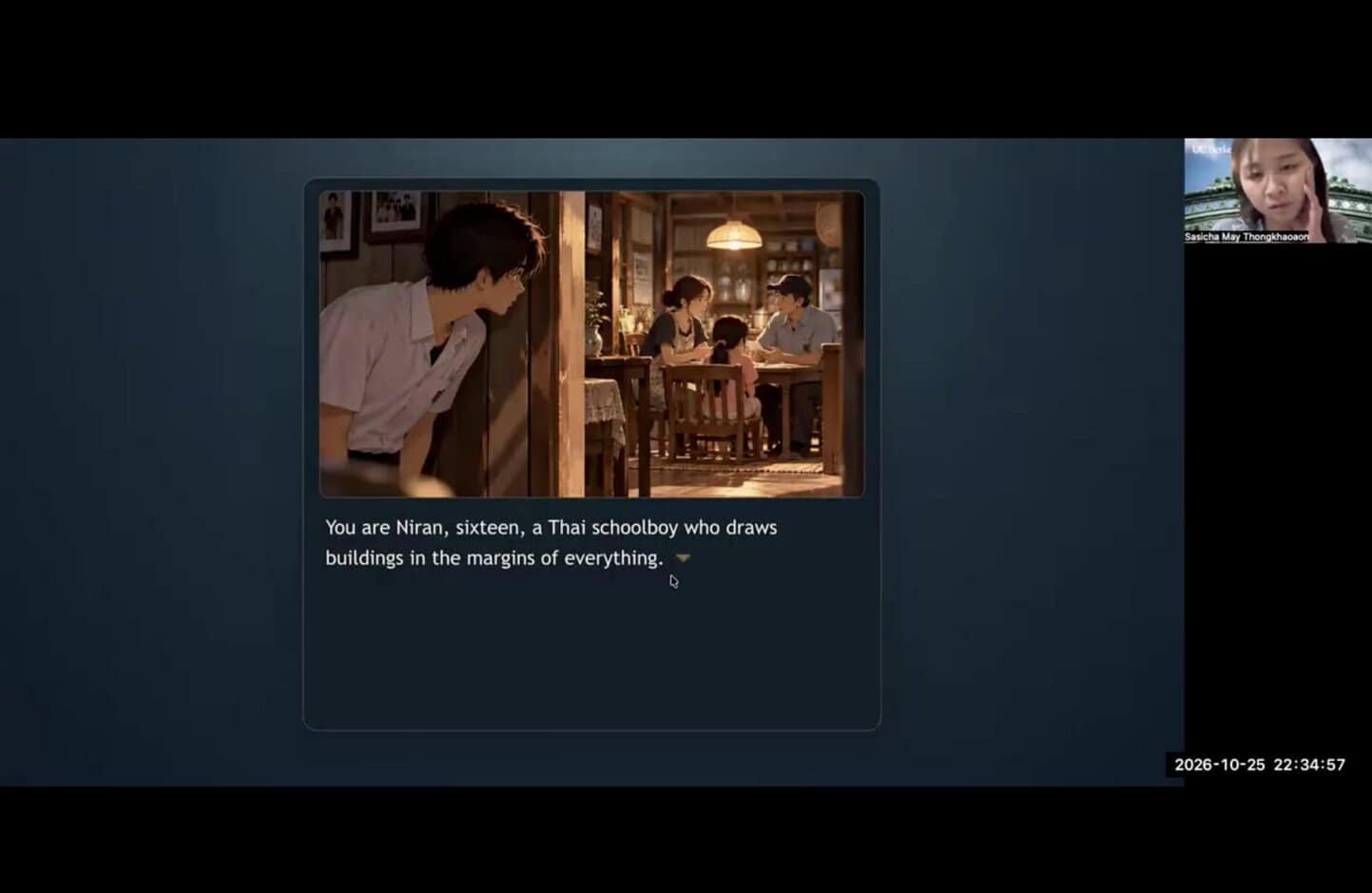
Figure 8: A screenshot of the first page of the game.
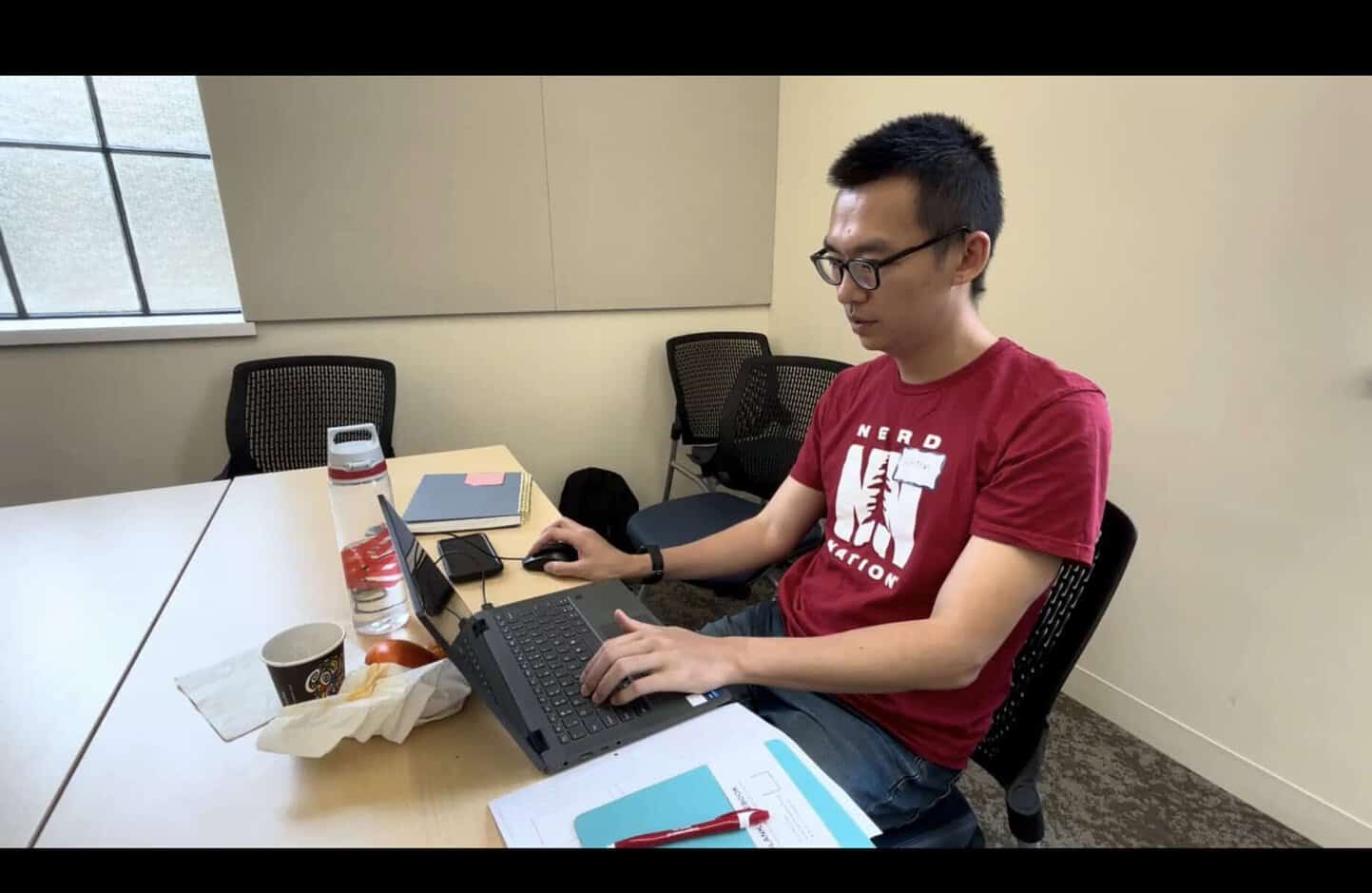
Figure 9: The fifth playtest (external playtest).
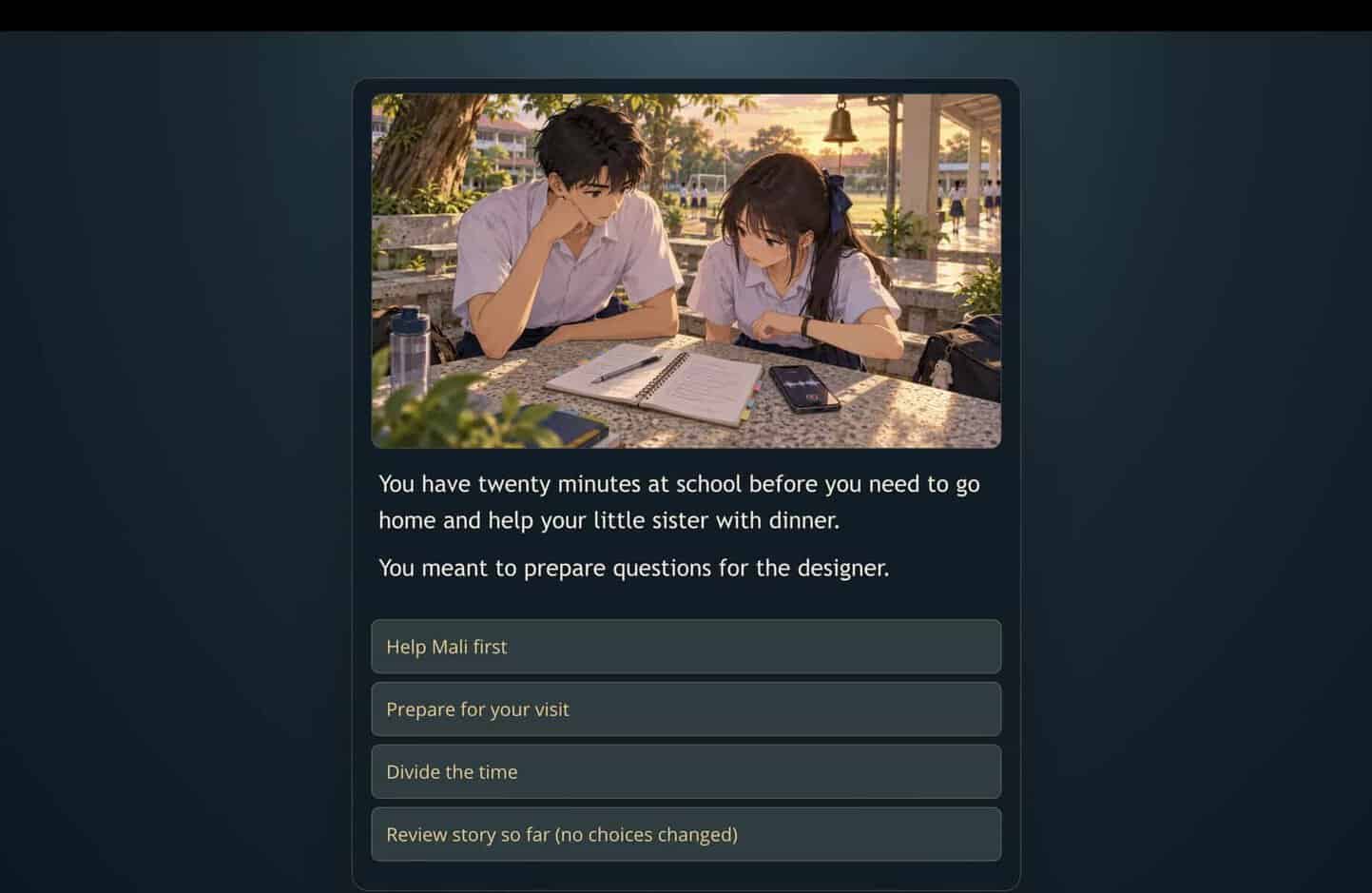
Figure 10: A screenshot of the “Review story so far” checkpoints.
Version 4 — October 26: An encouraging but imperfect empathy result
On October 26, I conducted another in-class playtest with Paprika.
A separate timestamped voice-memo discussion from that session included an interesting reaction. After taking the bus, the player said:
“I want to play it again.” (Audio memo, 00:06)
When I asked about the intended empathy behind the story, the player identified the tension between Niran’s future, friendships, family, and poverty. The player also described the repeated realistic decisions as:
“A little bit exhausted.” (Audio memo, 03:14–03:35)
I found this response interesting because it suggested that the player had recognized the pressure surrounding Niran’s decisions, although I cannot conclude from this conversation alone that the intended empathy had been achieved.
The player also commented that the bus music sounded like Halloween music (audio memo, 01:23–02:03) and suggested showing the family’s money more clearly (04:31–04:49).
Based on this feedback, I selected a warmer replacement for the third music track.
This session reminded me that even when the narrative is working, smaller design decisions such as music and visual details can affect how players experience a scene.

Figure 11: A screenshot of the Version 4 playtest— October 26.
Version 5 — October 27: Writing a complete standalone arc
On October 27, I received written feedback from Lucas S. Wang, a member of the teaching team.
Lucas pointed out several issues. Mom explained her brother’s history too suddenly, some choices did not clearly communicate what the player was being asked to do, and some visual descriptions repeated information already shown in the illustrations.
He also felt that the characters needed more history and that the ending was too abrupt. Most importantly, he wanted to see more meaningful consequences from earlier decisions and a stronger payoff from Niran’s design opportunity.
I agreed that these were important issues. At that point, I had spent a lot of time developing the branches, but the ending did not yet give enough attention to what Niran had actually been working toward.
I kept the main branching structure but rewrote several important parts of the story.
For example:
- Mom initially becomes uncomfortable when Niran asks about her brother instead of immediately explaining everything.
- I revised the choice labels so players could better understand what they were choosing.
- I added more personal memories and details to develop Mali, Mom, and the clerk.
- I removed a stray recap phrase and reduced descriptions that repeated what the illustrations already showed.
- I brought Niran’s library sketch back into the final scenes.
I also expanded the three endings.
In the workshop ending, Niran receives actual feedback about accessibility and an opportunity to submit a revised portfolio by Friday.
In the stay-home ending, he misses the visiting designer but develops a more concrete plan involving his family and school.
In the collaborative ending, Mali’s interest in preserving her grandmother’s songs becomes part of the library design through a sound-recording corner.
I wanted each ending to have something meaningful, but I did not want to make the story unrealistically positive. The characters still have financial and personal difficulties. Attending a workshop does not suddenly solve poverty or guarantee admission to a design program.
The selected standalone version currently has 117 Arcweave story elements, ten decision points, and three endings. I also added picture-numbered scene labels, with optional Pictures 48 and 49 on the Mali route. I checked the exported game’s structure to make sure the choice connections were preserved.

Figure 12: A screenshot of an ending of the game.

Figure 13: A screenshot of an ending of the game.
Version 6 — October 28: Testing the revised complete endings
After making the changes based on Lucas’s feedback, I conducted three more in-class playtests on October 28 with Yuina (Playtest 11), Emma (Playtest 12), and Sabrina (Playtest 13).
I reviewed the current, trimmed recordings rather than relying on earlier screenshots or outdated timestamps. All three recordings show the participants making decisions, progressing through the revised story, and reaching an explicit “The End” screen.
The three sessions also provided an opportunity to compare different routes.
Yuina chose the direct-boarding route and reached The Road You Took. In this ending, the visiting designer gives feedback on the accessibility of Niran’s library design and invites him to submit a revised portfolio.
Emma and Sabrina chose routes involving calling Mali and reached The Road You Took Together. In this ending, Mali’s interest in preserving her grandmother’s songs influences the library’s recording space, which also becomes part of the designer’s feedback.
Emma also opened the optional “Review story so far” feature during the game.
I see these recordings as useful evidence that the revised story can be completed and that different decisions lead to different visible outcomes. However, I do not want to claim that the players experienced particular emotions based only on video footage. I would need confirmed spoken feedback or a separate evaluation to make those claims.
These sessions also helped address an important weakness in my earlier documentation. The October 26 recording showed the older, more abrupt ending. The October 28 recordings actually show the revised endings and their different consequences.

Figure 14: Testing the revised complete endings by Yuina (Playtest 11).

Figure 15: Testing the revised complete endings by Emma (Playtest 12).

Figure 16: Testing the revised complete endings by Sabrina (Playtest 13).
Playtesting evidence and participants
The following table summarizes the development process, the feedback I received, and the changes I made.
| Playtest and version | Participant | Feedback or observation | Changes made or follow-up |
|---|---|---|---|
| 1. Jeffery — Oct 19, in class V1: Paper What We Carry Forward (Video recording) |
CS377G classmate | Rated facilitated instructions 5/5, understood that choices changed the exhibition label, and remembered rainwater scarcity. Wanted more context about the boat crew and suggested a personal journal. | Developed the digital prototype and focused on stronger personal context, clearer competing needs, and opportunities to understand different perspectives. |
| 2. P02 — Oct 20, outside class V2: Digital What We Carry Forward (Video recording) |
LDT classmate | Completed three journeys in 9:57 and rated clarity 4/5. Found the chapters too long and the experience “distant and repetitive.” Wanted clearer relationships and more balanced choices. Two evaluation questions caused confusion. | Pivoted toward Niran’s personal ambition, relationships, and later consequences. Also revised my evaluation approach so players could explain their understanding before hearing my intentions. |
| 3. P03 — Oct 20, outside class V2: Digital What We Carry Forward (Video recording) |
CS377G classmate | Felt disconnected from the protagonist and wanted clearer motivations, goals, and stakes. Also found the experience repetitive. | Rebuilt the story around Niran’s educational aspirations, friendship with Mali, and family responsibilities. |
| 4. Olu — Oct 21, in class V3: Early The Road Beyond the Village (Video recording) |
CS377G classmate | Frequent clicks interrupted conversations and made the story feel fragmented. | Combined shorter passages into longer reading sections, reducing approximately 198 elements to 93 while preserving the main choices. |
| 5. P04 — Oct 23, outside class V3: Developing Niran version (Video recording) |
LDT classmate | The transition from Mali’s storyline to the family mystery felt abrupt, making relationships difficult to follow. | Revised transitions and clarified family information so the story developed more gradually. |
| 6. P05 — Oct 23, outside class V3: Developing Niran version (Video recording) |
LDT classmate | Repeated timestamps made it difficult to distinguish important deadlines from background details. | Simplified time cues and made their connection to Niran’s available time and the last bus clearer. |
| 7. P06 — Oct 24, outside class V3: Developing Niran version (Video recording) |
Stanford Engineering master’s student | Some illustrations showed a different situation from the accompanying dialogue, making the location unclear. | Revised image placements to better match the characters, settings, and events. |
| 8. P07 — Oct 24, outside class V3: Developing Niran version (Video recording) |
Stanford Engineering master’s student | Remembering earlier information was difficult when making later decisions. Suggested that reviewing the story would help. | Added ten optional “Review story so far” checkpoints to support rereading without undoing choices. |
| 9. P08 — Oct 24, outside class V3: Developing Niran version (Video recording) |
UC Berkeley Engineering master’s student | Different story routes needed clearer visual continuity so scenes followed more naturally from previous decisions. | Separated route-specific presentation and image placements to improve continuity across branches. |
| 10. Paprika — Oct 26, in class V4: Earlier ending (Video recording) |
CS377G classmate | The gameplay recording shows the earlier ending. A separate audio discussion expressed interest in replaying, recognized competing responsibilities, described the bus music as Halloween-like, and suggested showing the family’s money. | Selected a warmer replacement for Music 3. The discussion also informed my reflection on how repeated decisions communicate pressure surrounding Niran’s future. |
| Lucas S. Wang — Oct 27, written review Informed V5 narrative rewrite |
CS377G teaching team | Mom’s disclosure felt sudden; choices needed more precise wording; descriptions repeated artwork; characters needed more depth; and the ending needed stronger consequences and a better payoff from the design opportunity. | Reworked the dialogue and choices, reduced repeated text, developed character histories, and expanded the three endings. |
| 11. Yuina — Oct 28, in class V6: Complete Standalone (Video recording) |
CS377G classmate | Reached Ending A, where the designer critiques accessibility and invites a revised portfolio submission. | Confirmed completion of the revised direct-boarding route and its design-opportunity payoff. |
| 12. Emma — Oct 28, in class V6: Complete Standalone (Video recording) |
CS377G classmate | Used “Review story so far” and reached Ending C, where Mali’s interests influence the recording space and designer feedback. | Confirmed use of the recap feature and completion of the revised collaborative route. |
| 13. Sabrina — Oct 28, in class V6: Revised Complete Standalone (Video recording) |
CS377G classmate | Reached Ending C, including the sound-preservation design and concrete follow-up. | Provided another recorded completion of the revised collaborative route and its design payoff. |
Featured final-version playtest: Emma (October 28)
I selected Emma’s Playtest 12 as my featured case study because her recording shows a complete playthrough of the revised story, from the introduction to the new ending.
I reviewed the recording by sampling frames approximately every 20 seconds and looking more closely at important scenes.
| Time | What I observed in the recording | Why I included it |
|---|---|---|
| 00:00–00:40 | Niran’s school-library sketch and his conversation with Mali introduce the main character, their relationship, and the opportunity. | The story now begins with a specific personal goal and relationships rather than the more abstract exhibition task in the original prototype. |
| 01:00–01:20 | Emma reaches the choice to help Mali, prepare for the designer, or divide her time. | This is the first major trade-off and introduces time as a limited resource. |
| 01:40–02:00 | Emma opens “Review story so far,” which includes a recap of Mali’s sound-recording ambition. | This confirms that the optional navigation feature is available and can be used during gameplay. |
| 02:20–02:40 | Mom discusses household bills and preparation. Niran’s sister also suggests adding stairs to the library sketch. | Household limitations become connected to the actual design problem Niran is trying to solve. |
| 03:00–03:20 | The scratched photograph leads to a choice and a subsequent conversation with Mom. | The family relationship develops through dialogue rather than relying only on a mystery reveal. |
| 03:40–04:20 | The clerk appears, a communication choice is presented, and the letter is discussed. | This is an opportunity to see the revised choice wording and communication options following Lucas’s feedback. |
| 05:00–05:20 | Workshop registration is followed by the final bus decision. | The opportunity cost becomes clearer because the player must make a time-sensitive decision. |
| 05:40–06:20 | Niran phones Mali and continues a conversation involving her practical advice and Mom. | Earlier relationships become part of the route toward the workshop. |
| 06:40–07:00 | Workshop dialogue connects the library’s accessibility and sound-recording space to questions from the visiting designer. | This is the narrative payoff: the original sketch and Mali’s interests become part of the actual design discussion. |
| 07:20–07:40 | Ending C, “The Road You Took Together,” appears. It includes a Friday portfolio follow-up, a recording space, and a message home. | The ending shows specific outcomes rather than simply stating that Niran chose to take the bus. |
| 08:00–09:40 | Ending C remains on screen while the recording continues. | This confirms that the ending is displayed. |

Figure 17: Emma’s video, 01:00. The choice between helping Mali and preparing for Niran’s own opportunity.

Figure 18: Emma’s video, 01:40. Emma uses the optional review feature that I added after players reported difficulty remembering earlier events.

Figure 19 Emma’s video, 07:40. The revised ending shows the result of the library design and the sound-preservation idea.
Contrasting final-version routes: Yuina and Sabrina
I also recorded two other classroom playtests on October 28. These sessions helped me compare how different decisions lead to different endings.
Yuina’s current 19:03 recording shows the direct-boarding route. At approximately 08:20–08:40, the ending, “The Road You Took,” explains the visiting designer’s feedback about the accessible library and the opportunity for portfolio feedback.
Watch Yuina’s current recording.
Sabrina’s 12:11 recording shows another playthrough of the collaborative route. The financial constraints appear on screen around 02:20, followed by the clerk conversation around 03:40–04:20 and the last-bus decision around 05:40.
At approximately 07:40, the story reaches the design-workshop payoff. The ending, “The Road You Took Together,” appears around 08:00–08:20.

Figure 8. Yuina’s current recording, 08:40. The direct-boarding outcome includes portfolio follow-up rather than the collaborative recording-corner payoff.

Figure 9. Sabrina’s recording, 08:20. Another classroom player reaches the revised collaborative ending.
These recordings confirm that the revised game can be played to different complete endings and that different routes produce different story outcomes.
Why I believe the design improved?
Looking back at the different versions, I think the biggest improvement was changing the focus from objects and factual information to a person with a goal, relationships, and responsibilities.
The original game gave players decisions, but the protagonist did not have a strong enough personal motivation. As a result, players could understand that choices had consequences without feeling connected to the person making them.
Niran’s story is different because his decisions are connected to things that players can recognize: wanting to continue his education, helping a friend, dealing with family responsibilities, and trying to manage limited money and time.
The final rewrite also makes the consequences more concrete. Players can see how their decisions affect the accessible entrance, the Friday portfolio deadline, the alternative school support plan, or the recording corner inspired by Mali.
I also see a connection to procedural rhetoric in the way the game communicates its message. Rather than explaining educational inequality through a long speech, the game uses limited time and money to shape the choices available to Niran. Players experience the constraints through the decisions they have to make.
Agency is another important part of the design. Earlier choices are remembered through conditional dialogue and can affect later conversations and the direction of the library project. I wanted players to feel that their decisions mattered beyond the screen where they were made.
Finally, I learned more about the importance of pacing and interface design in interactive fiction. Reducing unnecessary clicks, improving the choice labels, and adding a way to review the story helped address problems that appeared repeatedly during playtesting.
There is some encouraging evidence that the empathy intention was recognized. During the October 26 discussion, Paprika identified the tension among Niran’s future, friends, family, and poverty. However, I recognize that this conversation was partly prompted by my questions.
Lucas’s October 27 feedback also helped me identify important weaknesses that needed to be addressed before the final version.
The October 28 recordings provide a different kind of evidence. They show three players reaching the revised endings and demonstrate that different choices can produce different visible outcomes.
Reflection: What I did, what I learned, and what I would change next time
When I started this project, I thought I was mainly designing a game about Thailand, everyday objects, and the decisions people make in their communities. However, the playtesting process changed the way I thought about the project.
My first prototype was about historical and cultural objects in Ang Sila. I wanted players to learn about the place and understand why certain resources mattered. But after receiving feedback, I realized that understanding the context was not enough. Players also needed to understand the people behind those decisions.
That was why I moved toward Niran’s story.
Throughout the project, I made several changes based on what players actually experienced. I worked on the pacing after noticing that frequent clicks interrupted conversations. I revised the timestamps because they were not communicating urgency clearly. I changed image placements when the illustrations did not match the dialogue. I added the review feature because players wanted to revisit earlier information. Finally, I rewrote the endings after realizing that the design opportunity needed a more satisfying payoff.
One of the most important lessons came from Lucas’s feedback on October 27. I had focused so much on creating different branches that I had not given enough attention to what those decisions would actually mean for Niran’s future. I learned that a choice should not only lead to a different screen or dialogue. Players should be able to see how their decisions affect the characters and the things they care about.
That feedback helped me bring the library sketch back into the center of the story. It became more than just something Niran wanted to design. It connected his educational ambition, his family’s circumstances, and Mali’s interests.
If I had more time, I would test the emotional climax earlier instead of waiting until the later versions. I would also use less-leading evaluation questions so players could explain their experiences in their own words. Another thing I would improve is my documentation. I would keep a clearer record after every playtest, connecting each observation directly to the changes I made.
I would also test the illustrations and soundtrack with players earlier in the process. I learned that these details can influence the experience just as much as the writing, and it is better to discover mismatches before spending time polishing many scenes.
The October 28 sessions also reminded me that reaching an ending is only one part of testing a narrative game. I need to pay attention to whether the ending reflects earlier decisions and whether players understand how those decisions affected the story. I still want to verify the stay-home ending separately and collect more direct feedback about the final version.
Overall, this project taught me that designing for empathy is not simply about putting people in difficult situations and asking them to make choices. It requires giving characters meaningful motivations, relationships, and circumstances that help players understand why those choices are difficult.
The experience I wanted to communicate is not that every door opens if someone tries hard enough. It is that taking one step toward a future can require real sacrifices, and that different choices deserve to be understood.
That is what I hope players take away from The Road Beyond the Village.
AI disclosure: The blog’s thumbnail, character introduction poster, branching choice map, all the pictures and music background used in the game were created by generative AI (ChatGPT). The analysis of the play and the written explanation are my own work.


