


Before starting P2, I thought that giving players difficult choices and information about a place would help them understand other people’s perspectives. My first game, What We Carry Forward, focused on everyday objects in Ang Sila, my hometown. During the paper playtest, I handed Jeffery different cards depending on his decisions. It was encouraging to see him recognize that his choices changed the exhibition label. However, later digital playtests showed me that players could understand the choices without feeling connected to the main character. I had given Saithan something to do, but not enough personal motivation for players to care about it.
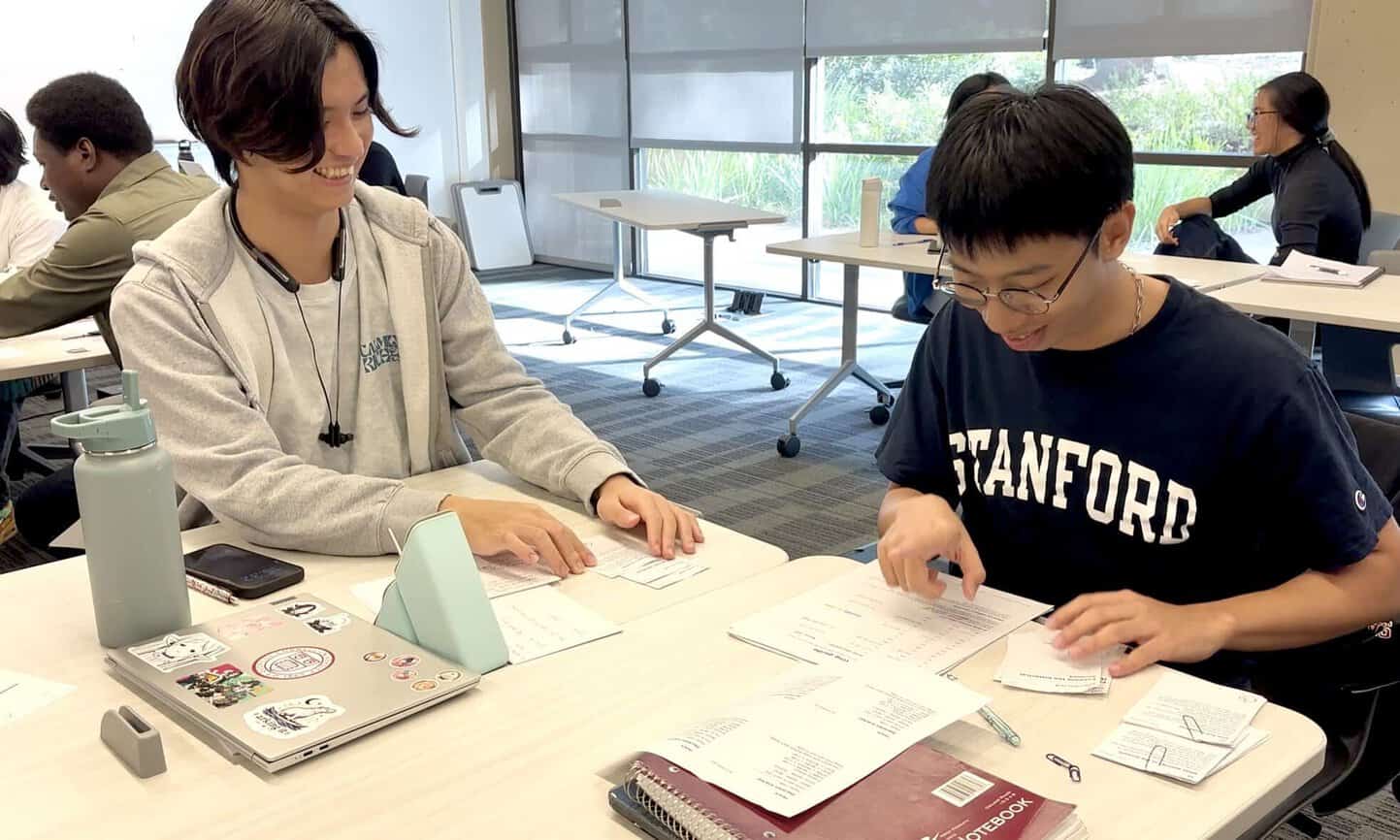
Figure 1: The playtester was laughing as he read the story cards.
One finding that stayed with me was P02 marking every chapter as “Too long,” even though the player completed the game in under ten minutes. I had added more conversations to build a connection, but the experience still felt distant and repetitive. I realized that adding more story does not automatically make a game more engaging. Players also need a reason to care about what happens. This led me to change direction and create The Road Beyond the Village, where Niran’s dream of studying design is connected to his friendships and family responsibilities.
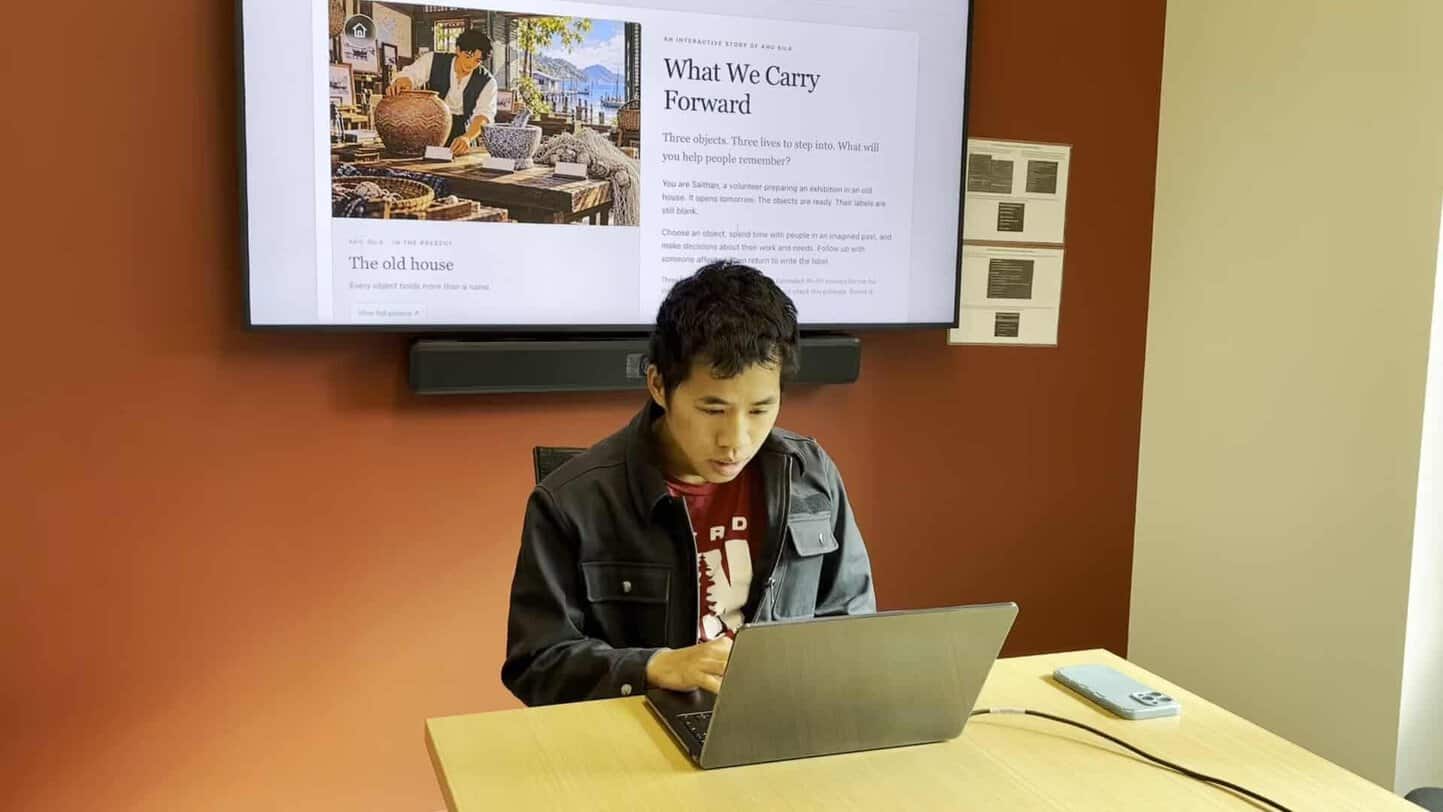
Figure 2: The second playtest on October 20, 2026 (P02).
The kind of fun I wanted to create was more about exploring the story, discovering information, and seeing how different decisions could lead to different outcomes. Players could learn about Niran’s family history, decide how to respond to different situations, and explore other routes if they wanted to replay the game. The main challenge was deciding what to prioritize when time and money were limited. I used branching choices that eventually returned to shared scenes, while conditional dialogue remembered some of the player’s earlier decisions. I especially liked connecting Mali’s interest in her grandmother’s songs to the library’s recording corner. It made the characters’ interests influence the actual design rather than just appear in conversations.
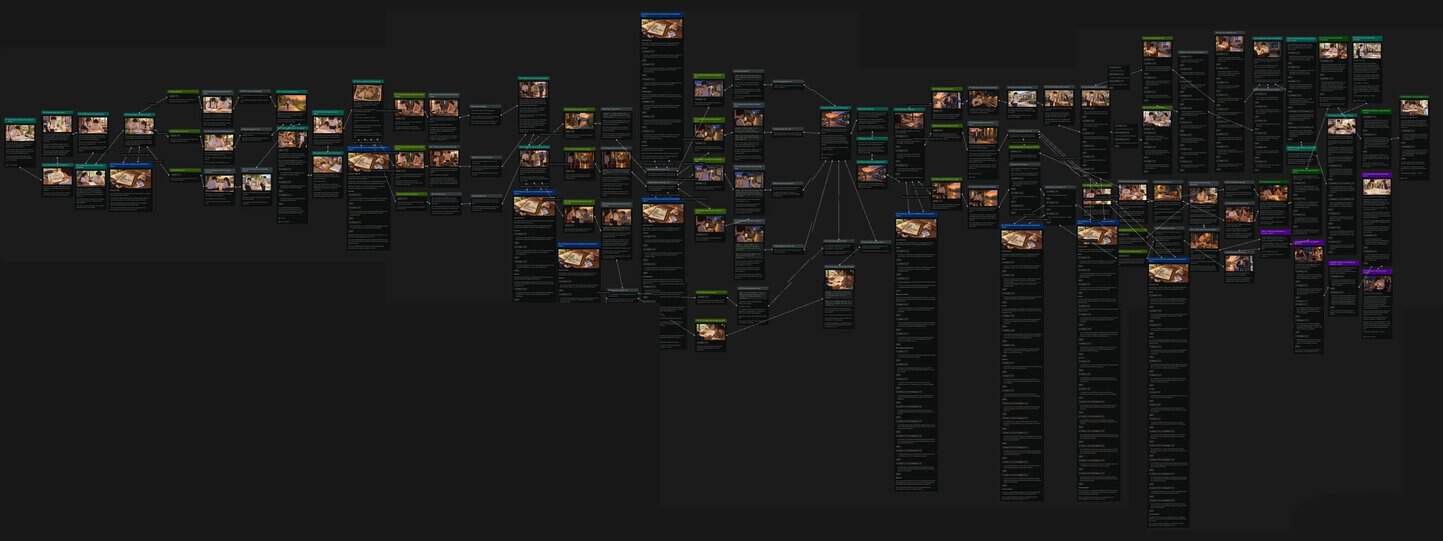
Figure 3: Full map of the current standalone narrative from Arcweave (Actual size).
Again, watching other people play was probably one of the most valuable parts of this project. I noticed things I had not considered when testing the game myself. Frequent clicks interrupted conversations, and repeated timestamps even made one player look for mystery clues when I only wanted to communicate urgency. I added an optional story-review feature so players could revisit information without undoing their choices. Seeing Emma use it during her final playtest showed me that even a small navigation feature could make a difference. Paprika’s reaction also stayed with me: the player wanted to replay the game but described the realistic decisions as exhausting. It made me think that engagement does not always mean having fun in a simple or enjoyable way. However, I also learned that feeling uncomfortable does not automatically mean the game has created empathy.
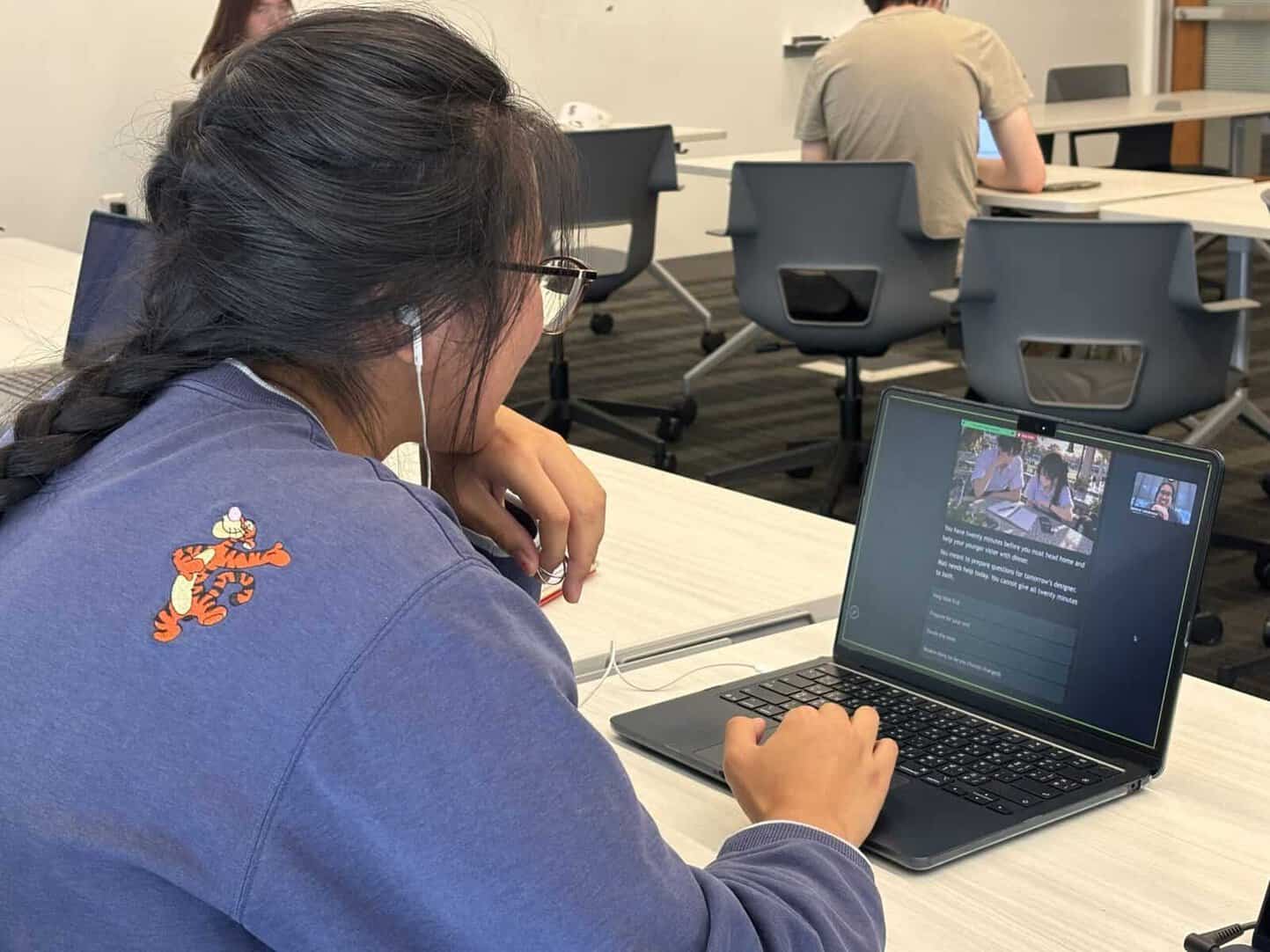
Figure 4: Testing the revised complete endings by Emma (Playtest 12).
Lucas’s feedback helped me realize that I had focused too much on creating branches without giving Niran’s design opportunity enough of a payoff. Rewriting the endings taught me to think more carefully about what each decision actually changes for the character.
Going forward, I would test the main story climax earlier and ask players to explain their choices before sharing what I intended. I would also ask why someone might reasonably choose a different route. I now see interactive fiction as a way to help players explore different perspectives through characters’ motivations, limitations, and consequences. Most importantly, players need enough context to care about the decisions they are making.
AI disclosure: The blog’s thumbnail was created by generative AI (ChatGPT). The analysis of the play and the written explanation are my own work.

