

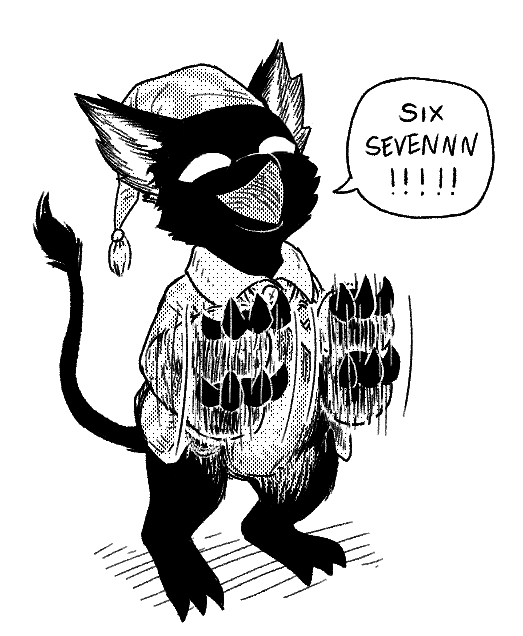
Basic Elements in Root
Root is a tactical wargame where the basic goal is the same for everyone: be the first to reach 30 victory points. The players control different woodland factions, and the fascinating part is how much the other elements change depending on which faction you are. For the most part everyone shares the same play space, a map of connected forest clearings, and the same core rules, however there are a few exceptions. Some factions can reach spaces off the board or travel along the rivers, and the Vagabond, who is not a warrior, can move almost wherever it wants while normal movement rules restrict everyone else. My favorite element about root is the actions, because every faction has its own unique objects and actions tied to its own mini goals, all while still racing to 30 points. The Marquise de Cat industrializes the forest, building and expanding an empire out of wood and buildings. The Eyrie Dynasties follow a rigid decree that forces them to act. The Woodland Alliance, watching its forest get taken, rallies the support of local creatures to rise up against this new factions. All of this comes together during play, as each faction’s different goals and actions collide to create an emergent narrative.
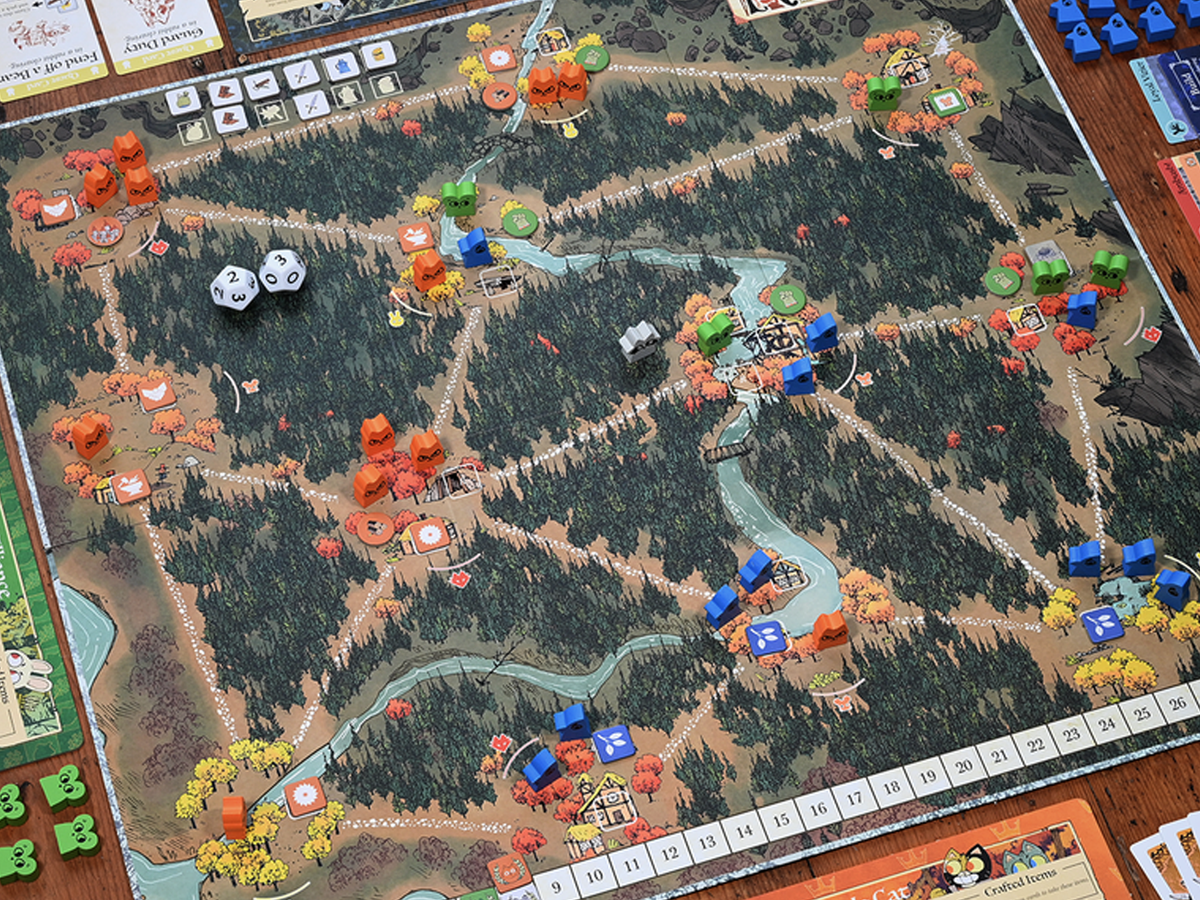
Figure 1: Current state of the Root board. The Vagabond (the single grey pawn near the center) roams in the forest, while every other faction fights over the clearings for space and points.
Hades, but You Date Your Way Up
Hades is a game, a roguelike where you climb through a series of dungeon rooms, clearing each one before you can advance. But instead of fighting, let’s change the action, to something taken from a game like Stardew Valley, where now you have to win characters over by learning their likes and giving the right gifts to raise their favor. Now, as you go up room by room, you are not trying to defeat the characters, you are trying to gain their favor, giving gifts and learning who they are until they let you pass. Hades is a fast-paced game, while Stardew’s courtship is slow and more thoughtful, which ultimately slows the gameplay of Hades. The swap also drags the other elements with it. The enemies, once just objects to overcome, now need personalities and dialogue. Similar to Stardew, this version lets you pursue many characters at once with almost no penalty, while Hades would let you build favor across the whole tower at once rather than one room at a time, and not just because it fits Stardew, but because it fits how the Greek gods are famously tangled up with each everyone, so a game where you can court the entire pantheon at the same time becomes a commentary on that. Either way, changing a single element forces the goal, the objects, and the meaning of failure to shift with it. It helps that Hades already portrays its gods as strikingly attractive (see Figure 2).
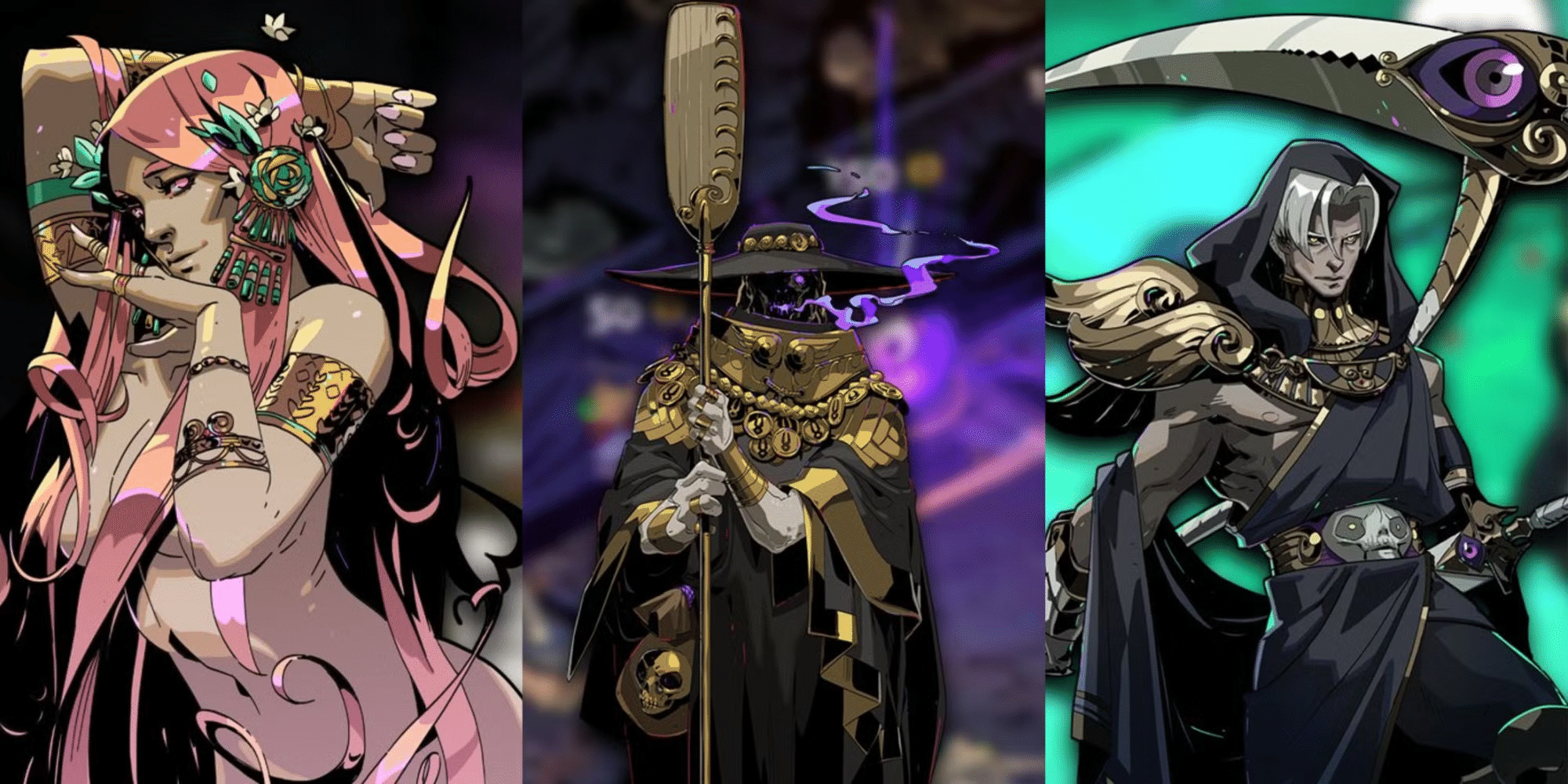
Figure 2: Character art from Hades. The game already designs its gods and figures to be strikingly attractive.
Hide and Seek Flowchart
I chose hide and seek as my childhood game and drew a possibility map for the seeker. The goal splits by role: the seeker wants to find everyone, and the hiders want to stay hidden. The actions are also small, the seeker counts, searches, and either gives up or finds someone. The objects can be anything up to our imagination! From a wall to a bush, the hider can hide anywhere! The rules set the boundaries, the seeker has to count to a set number with eyes closed, the hiders have to stay inside the agreed area, and you are caught once you are found. The play space is whatever area everyone agreed on and that boundary does a lot of work, because a bigger play space opens up the space of possibility makes it more difficult for the seeker. Below is a flowchart of how a round pans out.
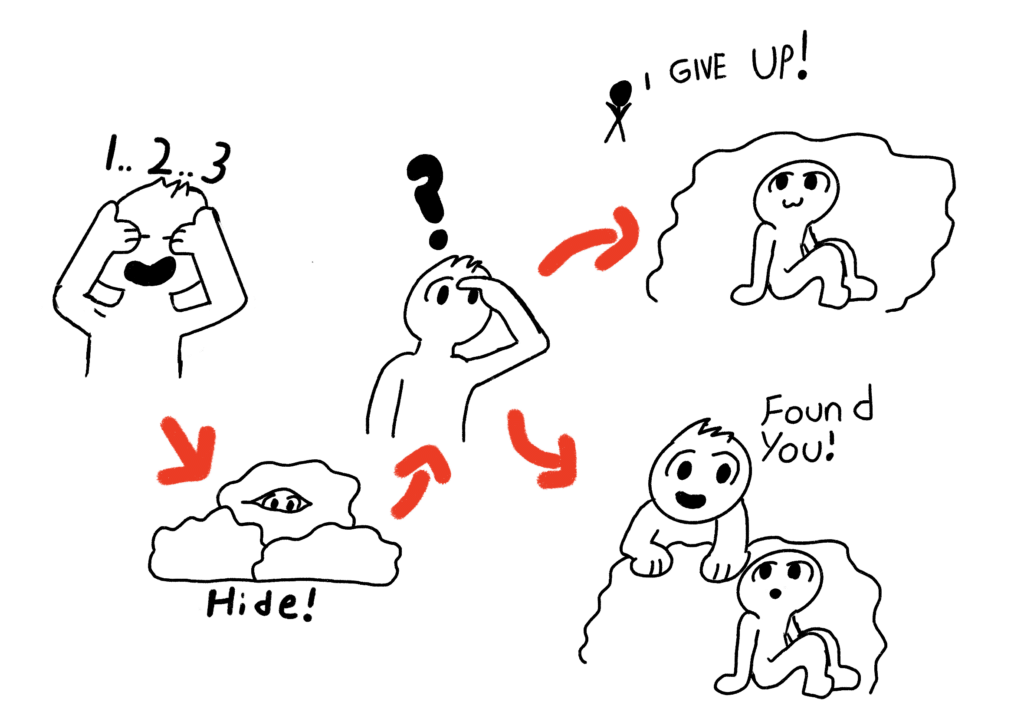
Figure 3: Flowchart of a hide and seek game.
Game states in Deadlock (Real-Time Game)
Deadlock is a MOBA made by Valve, similar to League of Legends mixed with a shooter like Valorant. This is my first time being introduced to a MOBA, and I think it is really cool to see how the game elements interact with each other at different points throughout a single match. This connects directly to the chapter’s idea of game state. Every second of a Deadlock match has its own distinct game state. The rules and the win condition stay fixed for the whole match, but the playspace, the current goals, the objects in play, and the actions available are constantly changing. That means the same game passes through thousands of different states from start to finish. For this observation I am using this playthrough (https://www.youtube.com/watch?v=kPQcrJwR6aY) and paying attention to the three big stages of Deadlock (to keep this short as each game has many pivotal points).
Early game: The opening game is what this stage is called the laning phase (see Figure 4). The play space is locked down to a single lane in a 2v2, the players have committed to their “heroes”, and almost no objects are in play yet, since souls are near zero and no items have been bought. The current goal is to destroy the opposing team’s Guardian (and getting more souls), which is the first of a series of objectives that lead to the enemy base. Here Middi (the YouTuber I am watching) pushes the lane, kills minions to earn currency, and trades fights with the enemy. Then the state of the game changes which shocked me, because in Deadlock even the players element can change mid-match. Middi’s teammate disconnects, turning the 2v2 into a 2v1. The game instantly shifts in the enemy’s favor, they play more aggressively to punish the missing player, and Middi is forced to play further back.
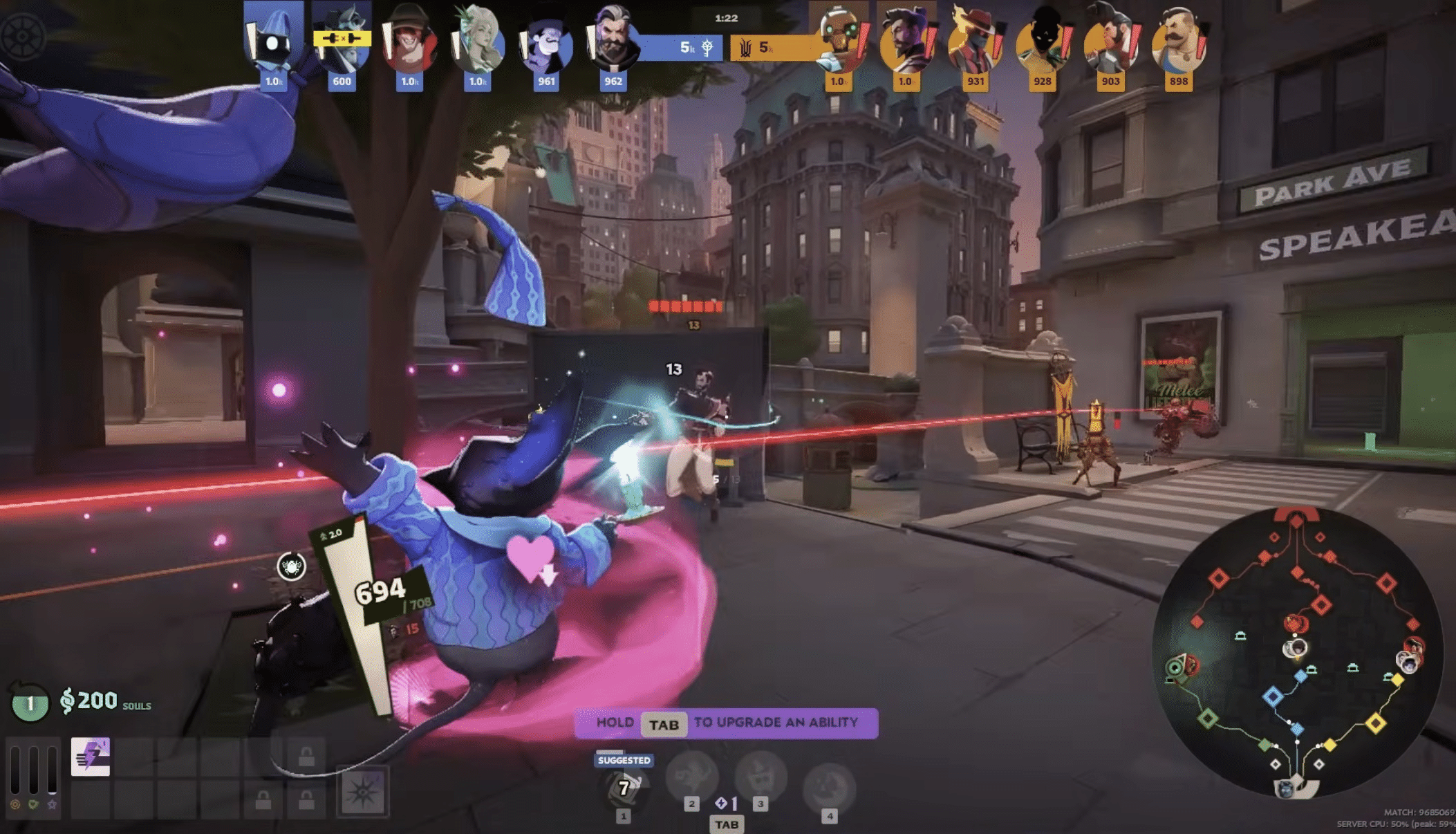
Figure 4: The early game laning phase, where the playspace is confined to a single lane in a 2v2 and the goal is to destroy the enemy Guardian.
Middle game: The game changes again once the first objective is fulfilled, except it is the enemy team that destroys it, so Middi and his teammate are pushed back once more. The playspace has now opened up from a single lane to essentially the whole map, with some caution when moving into enemy territory. The objects have changed too, and you can read a player’s strategy from what they buy. As shown in Figure 5, Middi is playing a support hero with strong heals, but instead of a defensive build he goes for a spirit build (builds being gun, healing, spirit), with spirit usually providing burst damage. The current goal has shifted from a single lane objective to hunting for openings to kill enemies, since each pick creates a chance to take more objectives. This stage also shows a cleaner example of the game state changing without any element being removed. Players die and return on a countdown timer which is like if all of a sudden in soccer the goalie were suddenly sent off the field on a timer, the team would have to defend a wide open net until the goalie was allowed back on, and the whole state of the match would change for those few moments. This defines how important players are to games, as even when the number of players changes it changes the dynamic of the game for the teams with higher numbers to play more aggressively.
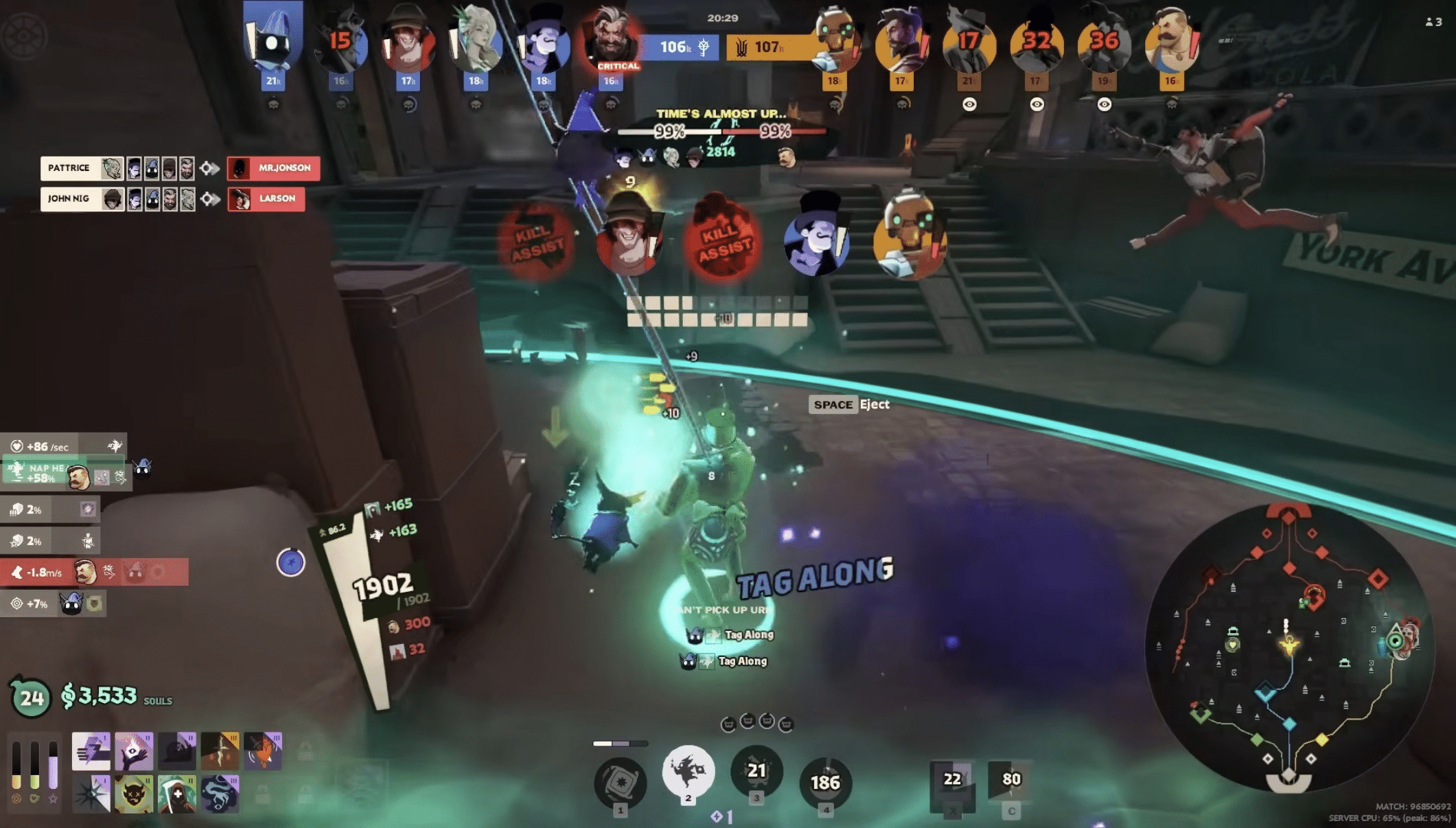
Figure 5: The mid game, where the play space has opened up to most of the map and the goal shifts to hunting for kills that create openings for more objectives.
Late game: By roughly the forty minute mark, the game goes into its final stage (see Figure 6). Players now have very strong items that let them push structures and threaten the final objective, and the playspace has narrowed once more, this time into the enemy base. Because Middi’s team has built a lead, they are able to win the fights, and the enemy characters come back on much longer respawn timers, which leaves gaps where the enemy base has almost no defenders. The current goal is finally the Patron itself, the last and largest objective. With the enemy team down and unable to respond in time, Middi’s team makes the final push into an undefended base and finish the match.
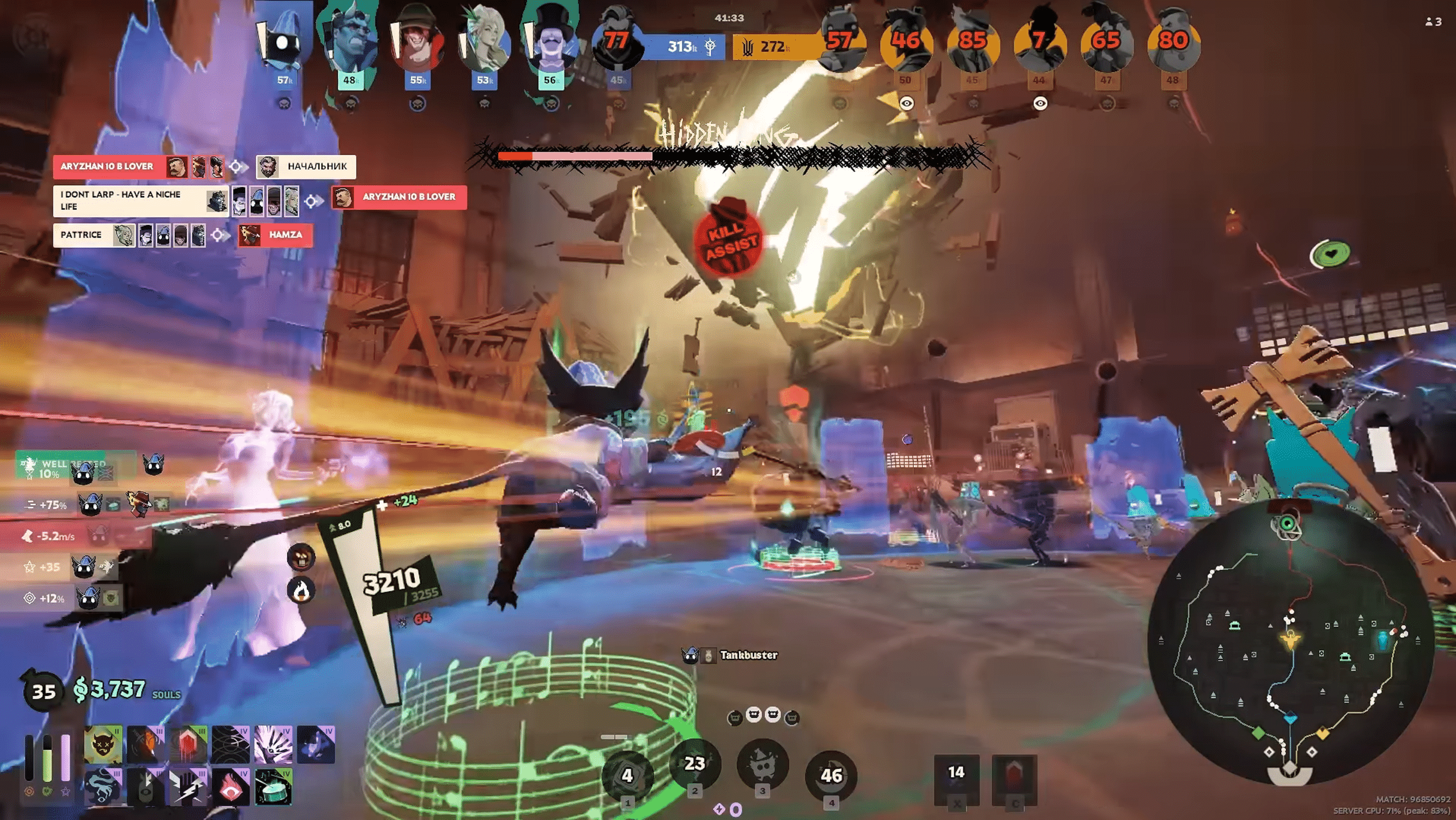
Figure 6: The late game, where the playspace narrows into the enemy base and the goal becomes the Patron, the final and largest objective.
Middi won, but it is interesting to see how the game could have unfolded differently. The moment he committed to a spirit build instead of leaning into heals was a branch point, and every state after it followed from that one choice. He could have built more heals, which would have lowered his damage, though in this match heals were not really required. Would a heal-focused build have led to a more balanced game for the enemy team? There is no way to know, and that is the point. The space of possibility is always shifting in Deadlock, and a designer can open it up or narrow it but can never predetermine which path a match takes. That is up to the players. To become a better player myself, I want to use what I learned here to look back at my own games and find the openings I glossed over. I think it is worth reviewing these possibilities as a player to see what I could have done differently.
Game states in Quoridor (Turn-Based Game)
Quoridor is a game you might have seen trending recently in YouTuber shorts. Players who play this game seem very notoriously bad, so it made me want to see how someone I know would play compared to them. So I got Lucas (the player) to play on https://gorisanson.github.io/quoridor-ai/ and I annotated his moves alongside the AI’s. Quoridor is a turn-based game on a 9×9 board where each player has one pawn and ten walls. Lucas (gold) starts at the bottom on e1 and wins by reaching the top row, while the AI (brown) starts at the top on e9 and wins by reaching the bottom row. This is also the play space of the game. On each turn a player either moves their pawn one square or places a wall to block paths, and a wall can never fully seal a player off from their goal. Because it is turn-based, every state is a still, countable position, so I could log the game move by move.
Using columns a–i (left to right) and rows 1–9 (bottom to top), the game went roughly like this, alternating turns:
- Lucas: e1 -> e2
- AI: e9 -> e8
- Lucas: e2 -> e3
- AI: e8 -> e7
- Lucas: e3 -> d3 -> c3 (pushing along the left, feeling for a gap)
- AI: e7 -> f7 -> f6 (drifting right, and starting to drop walls)
- Lucas: c3 -> c2 -> c1 -> d1 -> e1 (forced back down as walls close off the left)
- AI: f6 -> g6 -> h6 -> i6 (walling as it goes, funneling itself and Lucas to the right edge)
- Lucas: e1 -> f1 -> g1 -> g2 -> g3 -> g4 (climbing the one lane still open)
- AI: i6 -> i5 -> h5 -> h4 -> h3 (working down the maze it built)
- Lucas: g4 -> h4 -> h5 -> i6 -> h6 -> g6 -> f6 (shoved sideways and back down, still hunting for a way up)
- AI: h3 -> g4 -> g2 -> g1 (breaks through to the bottom row and wins)
- Lucas: f6 -> e6 -> d5 -> d4 -> c4 -> c6 (still stuck in the lower half when the game ends)
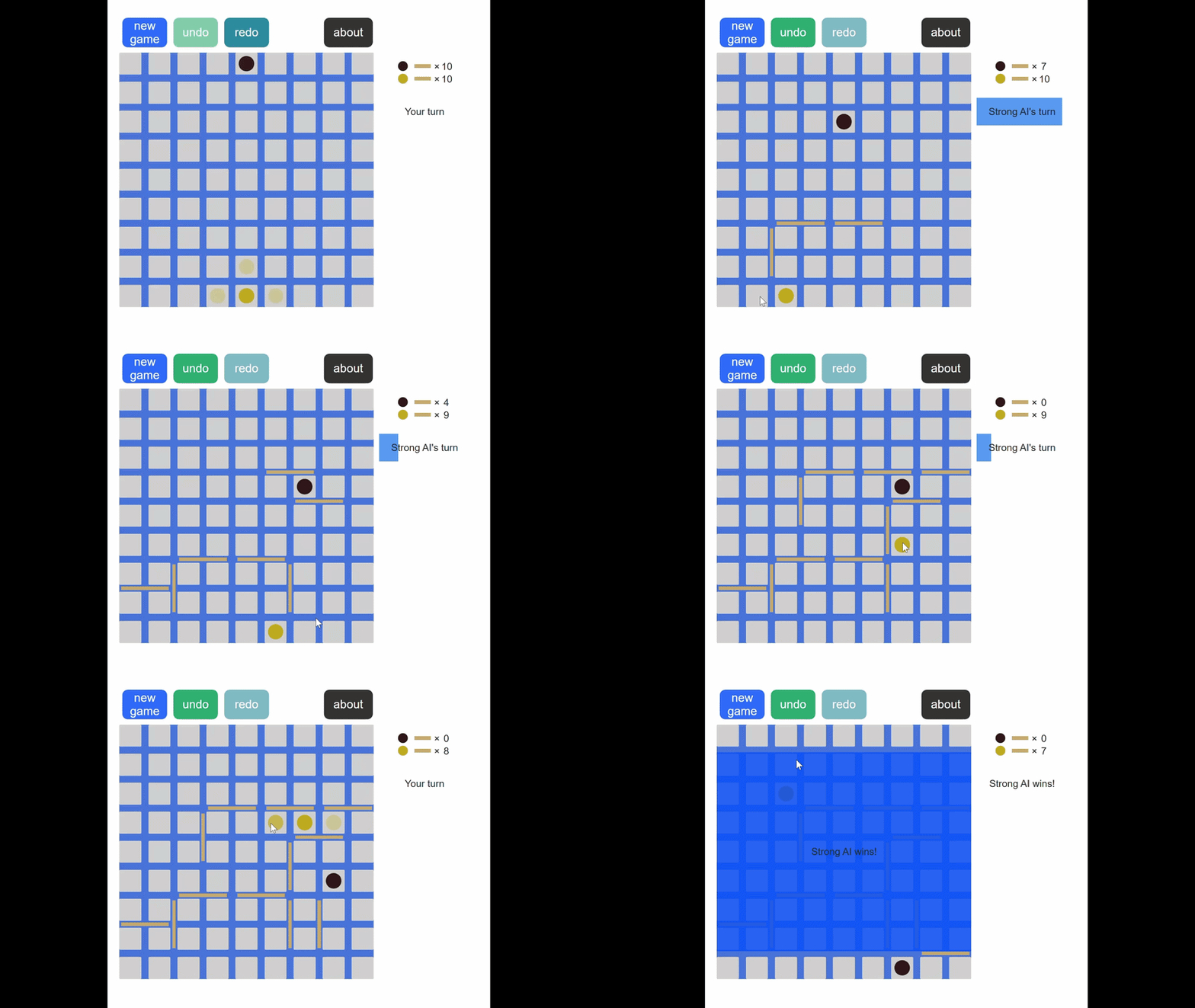 Figure 7: Lucas vs Strong AI
We see two different ways of playing. Lucas used only three of his ten walls and spent most of his turns moving his pawn, reacting to the board as the AI shaped it. The AI used all ten of its walls, playing more on the offensive side at first but then shifting to keep itself from being blocked off. The goal here is to reach the other end, and Lucas tries to do that immediately. Once his path is blocked off he reroutes himself, but since the AI keeps placing walls, it corners Lucas before advancing itself. It does this in a way where the walls are also placed to benefit itself, because the rules of the game dictate that there must always be a valid path to the other side. So the bot leaves a short path that lets it travel to the other side, and even though Lucas still has walls, he cannot use them to block the AI, which leaves him with his outcome: a loss.
