What Papers, Please Taught Me About Building 404: Alignment Not Found
When I first started playing Papers, Please, I honestly wanted to help everyone. If someone told me they were running away from something bad or trying to see their family again, I would stop and actually read everything they said. Sometimes I even let them through even though I knew their documents weren’t completely correct. At the time, that felt like the right thing to do.
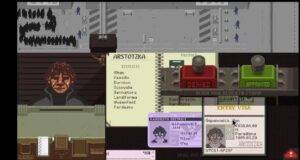
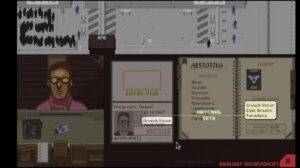
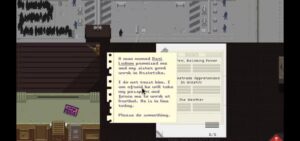
After a few in-game days though, this just wasn’t working. My salary was always too low, my family kept getting sick, and I could barely afford food or heat. So I looked up some tips online, and almost every guide said the same thing: stop reading people’s stories, check documents as fast as possible, and move on. What surprised me wasn’t the advice itself. It was how quickly I accepted it. After playing for a while, it didn’t even feel mean anymore. It just felt like the smart way to play.
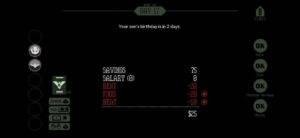
I picked Papers, Please because even though it’s really different from our game, I realized they’re both asking a similar question. Papers, Please is a single-player game where you check passports at a border. Our game, 404: Alignment Not Found, is a multiplayer social deduction thing about AI alignment. They don’t seem related at first. But after playing it, I stopped thinking about copying mechanics and started thinking about something else: how mechanics quietly change the way players make decisions without ever telling them what’s right or wrong.
The game never rewards kindness directly. It just makes efficiency feel more reasonable than empathy. I don’t think Papers, Please changed my values. It changed what I did. The rules about checking documents, the money system, the penalties for mistakes — all of it taught me that reading everyone’s story wasn’t worth it. I knew some people needed help, but I also needed my family to survive. Without really noticing, I stopped looking at the people and just looked at their papers. That’s when I understood why the game works. The emotion doesn’t come from dialogue or cutscenes. It comes from the rules. This reminded me of the MDA framework from class. The mechanics changed my behavior first, it Created a pattern that I slowly ignored people’s stories, and that behavior made me feel stressed and guilty. And this is the game let the system create those emotions.
As a designer, this made me think differently about our own game. When my team was building 404, we were trying to create a similar kind of pressure, but with different mechanics. Instead of money, we use this public Credit system. Every round, you pick Train or Safe. Train gives you Credit — which is like reputation and career points — but it also pushes the Doom Track up, so everyone gets closer to losing. Safe helps the group but gives less personal reward.
Nobody tells you to be selfish. But after a few rounds, a lot of players start thinking “one more Credit is probably fine.” That’s exactly what happened to me in Papers, Please. The game doesn’t force you to be selfish. It just makes it easier to justify.
Playing Papers, Please also showed me a problem with our prototype. Right now, if you get fired, there’s basically nothing to do for the rest of the game. That’s boring. For the next version, I’m thinking fired players could become like advisors or ghosts. They could still join discussions but can’t share hidden info. That way everyone stays involved but it doesn’t mess up the deduction part.
Another thing I noticed is where the pressure comes from. In Papers, Please, your choices are private. Nobody knows why you did what you did. In our game, everything is public because everyone can see each other’s Credit. So instead of just looking for hidden enemies, players start asking “why is this person doing that?” Someone with a lot of Credit could just be ambitious, or they could secretly be working with the Accelerationists. Because the info is public but not totally clear, players have to figure out what other people are really up to. I think this creates a different kind of tension, more about trust than finding bad guys.
Before this, I thought comparing games just meant finding ones that looked alike. Now I think it’s more about understanding why another designer made certain choices and whether those ideas can help with my own project. I’m not trying to make our game feel like Papers, Please. But I do want players to have that same uncomfortable moment I had — when I realized I stopped reading people’s stories because it was just more efficient not to. If our mechanics can make people question their own decisions like that, then I think we’re on the right track.