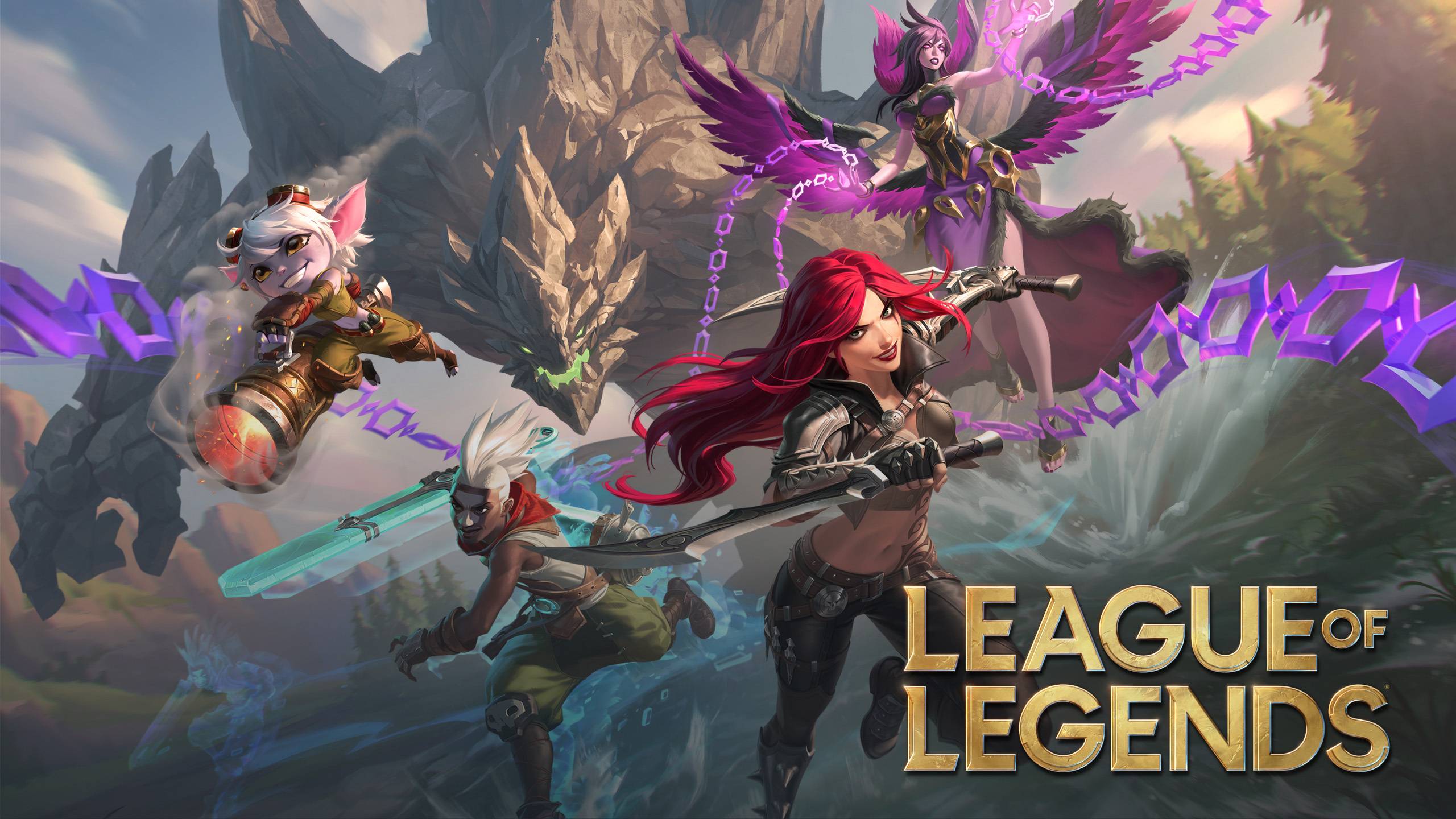
League of Legends is a hugely popular free-to-play multiplayer online battle arena game published by Riot Games. It targets players who enjoy teamwork and strategy in combat. I always thought that League drew most of its addiction through skins and purchases, but after playing it, I realized it’s purposefully built around emotional highs and lows, and engagement loops that continue to prompt the player to start new rounds. Through ranked progression, randomized rewards, social pressure, and unpredictable matchmaking, League creates what we discussed in class as “engineered chance,” where systems are intentionally designed to keep players emotionally invested and constantly returning.
Every match in League comes with a high level of uncertainty. In gambling systems, players are engaged when they don’t know when the next rewarding moment will happen, leaving them on that dopamine high of anticipation. League works in a similar way because players can’t fully control key factors like their teammates, the skill of their enemies, or whether their strategies will work. Individual fights within the game can feel like their own mini-match with its own arc. When you go into the bushes or take a certain path through the jungle area, you wonder if the enemies can see you or predict where you are. These small loops of risk and reward repeat throughout the game.

I had a fight arc when two enemies eliminated my teammate, and I thought I could ambush them since their health bar was lower. I felt tense, finding an alternative route and hiding in a bush in enemy territory, but I got noticed, and they killed me mercilessly. I experienced many of these loops. First, there was the tension of sneaking around and planning the ambush. Then, there was the anticipation of finally avenging my teammate. Finally, there was a sudden collapse when I got spotted too early. This reminded me of battle royale games like Fortnite, where hiding and surprise attacks also create suspense, but League feels more stressful because your mistakes directly affect your teammates and can cost the entire team the match.
I didn’t know if my strategy would work or if I could escape if things went wrong, but the uncertainty made the fight emotionally intense. Even though I lost, it pushed me to try again after I respawned because I still wanted to settle the grudge with those enemies. I was still on that high of a possible win. Like variable reinforcement, inconsistent rewards can become more addictive than consistent ones.
Outside of just a match, League has a ranked system with League Points (LP). For many players, this causes rank to become tied to self-worth while also creating an “illusion of control.” Even though many outcomes depend on matchmaking and teammates, players still feel personally responsible for changes in rank. After all, they have champion abilities they can pick in fights. As a result, players are encouraged to keep queueing and “improving” through more play, even when success depends on purposely varied factors outside their control. These mechanics lead to a dynamic of intense competition and repeated queueing, playing into an aesthetic of frustration, suspense, and achievement.

League also tries to turn playing into a habit. The game supports notifications on constant updates with character skins, limited-time rewards, ranked seasons, and special events. This pressures players to log in daily so they don’t miss rewards or lose track of events, creating what Stanford freshmen are very familiar with: fear of missing out (FOMO). There is no end to League because there’s always another rank to reach or event to complete, or an item to unlock.
Furthermore, the game uses randomized rewards like Hextech chests, where players don’t know which cosmetic item they’ll get. This is an explicit gambling mechanic since the excitement comes from the anticipation of which item you’ll get. In League, this is less aggressive than games like Genshin Impact, but both of them rely on psychological reward loops to encourage spending. Other games like Overwatch and FIFA Ultimate Team also use uncertainty through loot boxes, card packs, or randomized rewards to keep players emotionally engaged and willing to spend more money.
In the League community, players have reported playing even when they aren’t enjoying themselves. The game plays into the psychology of “loss aversion,” where losing LP feels worse than the satisfaction of gaining it. This psychs players to desperately want to recover what they lost, similar to wanting to slay an enemy after they have eliminated you or your teammate. Over time, this can throw someone off-balance with sleep schedules, school performance, and even relationships.
The community has also been criticized for its toxicity. Players frequently blame and insult teammates, and toxicity becomes normalized because frustration and emotional intensity are built directly into the competitive structure. Given that this game is popular among adolescents, this can negatively affect mental health, especially for socially isolated players.
League of Legends shows how modern games keep players emotionally hooked through competition, social pressure, and reward loops. One moment you feel unstoppable after winning a fight, and the next you feel crushed after losing LP because of a bad match. I think chance in games is morally okay when it simply makes the experience more fun, unpredictable, or strategic. The problem starts when games intentionally mess with players psychologically through addictive reward systems, gambling-like mechanics, or constant pressure to keep playing so you do not “fall behind.” At some point, it stops feeling like you are just playing for fun and starts feeling like the game is playing you instead.