Pokémon Emerald is a 2004 adventure RPG developed by Game Freak and released on GBA. For my Critical Play, I used an emulator to play it on PC. It is targeted towards casual players, kids, and kids-at-heart. The game aims to introduce the players to the world of Pokémon, species living alongside humans that also can be used to battle each other. The objective of the player is to journey through the narrative of the game while collecting Pokémon and battling other ‘trainers’ and their Pokémon. Pokémon Emerald invites the player to care about the world through an embedded narrative and environmental storytelling that guides the player to treasure their own Pokémon and the stories that can be undertaken with them.
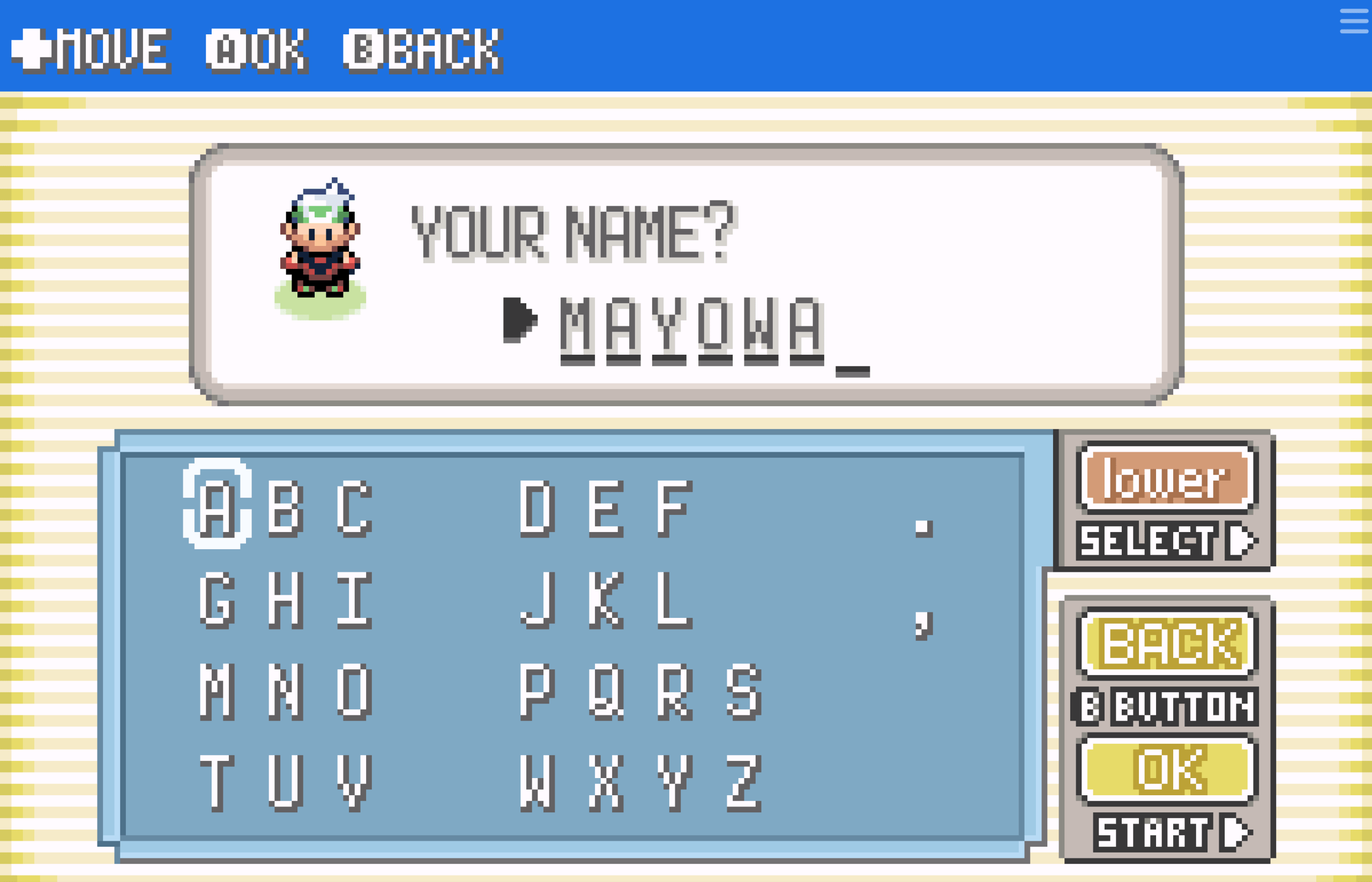
An important aspect of the game is the beginning’s expositional mechanics. Upon starting the game, a professor explains to the player what Pokémon are and their importance to the world they inhabit. In the intro, the Pokémon are framed to be similar to real world domesticated animals, and therefore the player immediately gets a sense of the relevance of Pokémon to the world they will be playing through. The next thing the game guides the player through is character creation. Gabriela Pereira argues this kind of customization is important to getting players to care about the world of the game by anchoring the character within the game. This signals to the player that they have agency over how they are able to engage with the narrative, creating an aesthetic of fun as Expression that will make the player more receptive to them partaking in the stories embedded into the world.
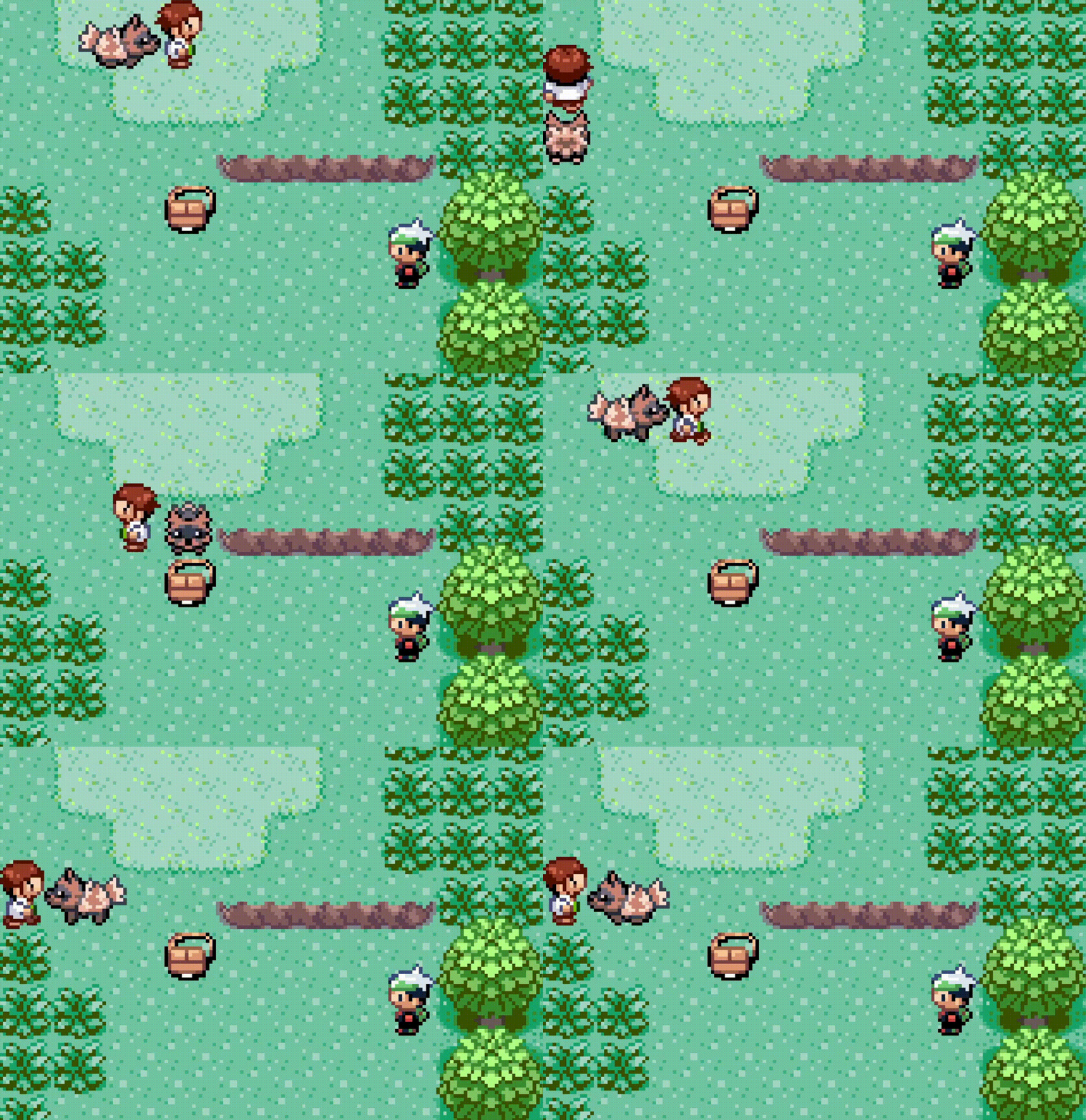
After the introduction of the game, there are 2 main inciting incidents that really represent what encourages the player to engage with the world. Firstly, the player character sees the same professor they saw in the intro being chased by one of the Pokémon. The professor then calls out to the player, saying there are 3 Pokémon they can choose from, and that they should pick one up and use them to battle. After picking a Pokémon, you are thrust into a battle that also acts as a tutorial to introduce the player to the battling system. What these two events do is not only set the player’s journey in motion, but also extend the control the player feels they have on the story. The Pokémon the player picks here will be the one accompanying the player on their journey, and the game places narrative importance on this Pokémon by giving them a narrative reason to matter: saving the professor. The fact that there is a power imbalance between the your own Pokémon and the Pokémon you fight lets the player get acquainted with battling in a very nonthreatening way, and also guarantees they almost always win that battle, giving the player a sense of triumph over a Challenge. Daniel Cook would argue this battle, being a loop that persists throughout the entire game, builds wisdom alongside teaching them a skill, and guides the player towards mastery over using their Pokémon. Since the player is building wisdom concerning the Pokémon themselves, players are likely to care about the creatures and the world they inhabit, an exchange that will also persist throughout the entire game.

Furthermore, as the player explores the world with their own Pokémon, they also are introduced to other characters in the world, with their own uses of Pokémon. Many of the other NPCs you meet are Trainers, who also partake in battling with their own Pokémon. However, the player is allowed to explore other villages and houses, which may contain NPCs who talk about Pokémon or have their own Pokémon. Some of these Pokémon are do not seem to be used in battles, and instead just coexist with humans, the same way pets do. The variety of the roles that Pokémon play serves as an example of the game’s use of environmental storytelling, as the player learns more about the world through their own exploration rather than what the narrative explicitly highlights. This storytelling strategy works to immerse the player in the spaces they and their Pokémon are inhabiting, making them care more about the world of the game.


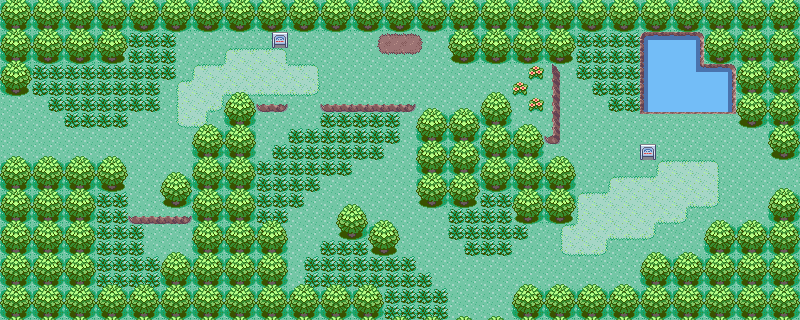
In addition to the dimension of Pokémon with owners, there are also infinitely more wild Pokémon for the player to explore. This idea is reinforced by the architecture of the game, with wild Pokémon being found in ‘routes’ separate from the towns where people live. The Game Developer’s notebook would describe this use of physically bounding wild Pokémon that can be captured into a separate space as both Concealment, since the game hides the types of Pokémon that can be encountered from the player, and Constraint, since it is arbitrarily bounding the mechanic of discovering new Pokémon to a region with more challenge, since they are away from the infrastructure and safety the towns provide. Both of these serve to create an aesthetic of fun as Discovery, which builds into the environmental storytelling the game is portraying. Combined, these physical structures of challenge allow the player to care about the world even more since their journey is intertwined with the challenge the game creates.
Ethically, I think it is interesting how the world of Pokémon has to contend with its undertones of subjecting animal creatures to human control. Over the years, the franchise has received criticism for enabling the ideals of animal abuse and promoting violence between said animals. However, I think that Pokémon Emerald did a good job of condemning those ideals without having it get in the way of the game. The beginning expositional intro makes it clear that Pokémon coexist with humans and have similar power levels to them. Furthermore, the opening cutscene of the game shows powerful beings that seem to signal to the player that Pokémon have much more power than the player will and must be treated with respect. Throughout what I played of the game, I felt like the game encouraged players to treat Pokémon ethically.