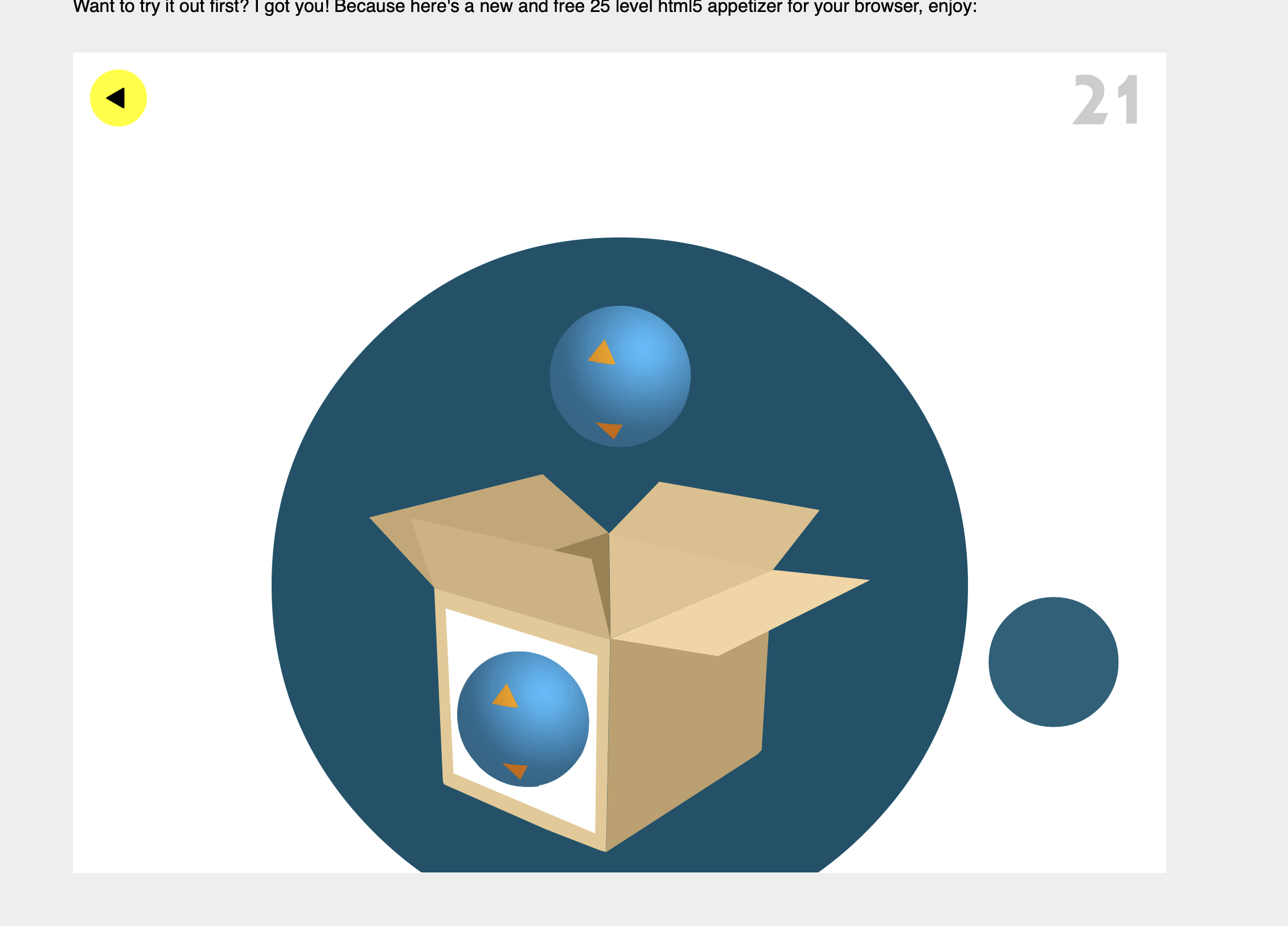
Factory Balls Forever by Bart Bonte is a browser-based puzzle game available on desktop and mobile. It targets players of all ages who could use electronic devices, people who enjoy short, logic-driven challenge puzzles with minimal instructions. The game has a series of levels where players must recreate a target design on a ball using a limited set of tools and dip into the color bucket. Its simple interface and progressive difficulty curve make it accessible to beginners while still engaging experienced players through increasingly complex combinations of actions.
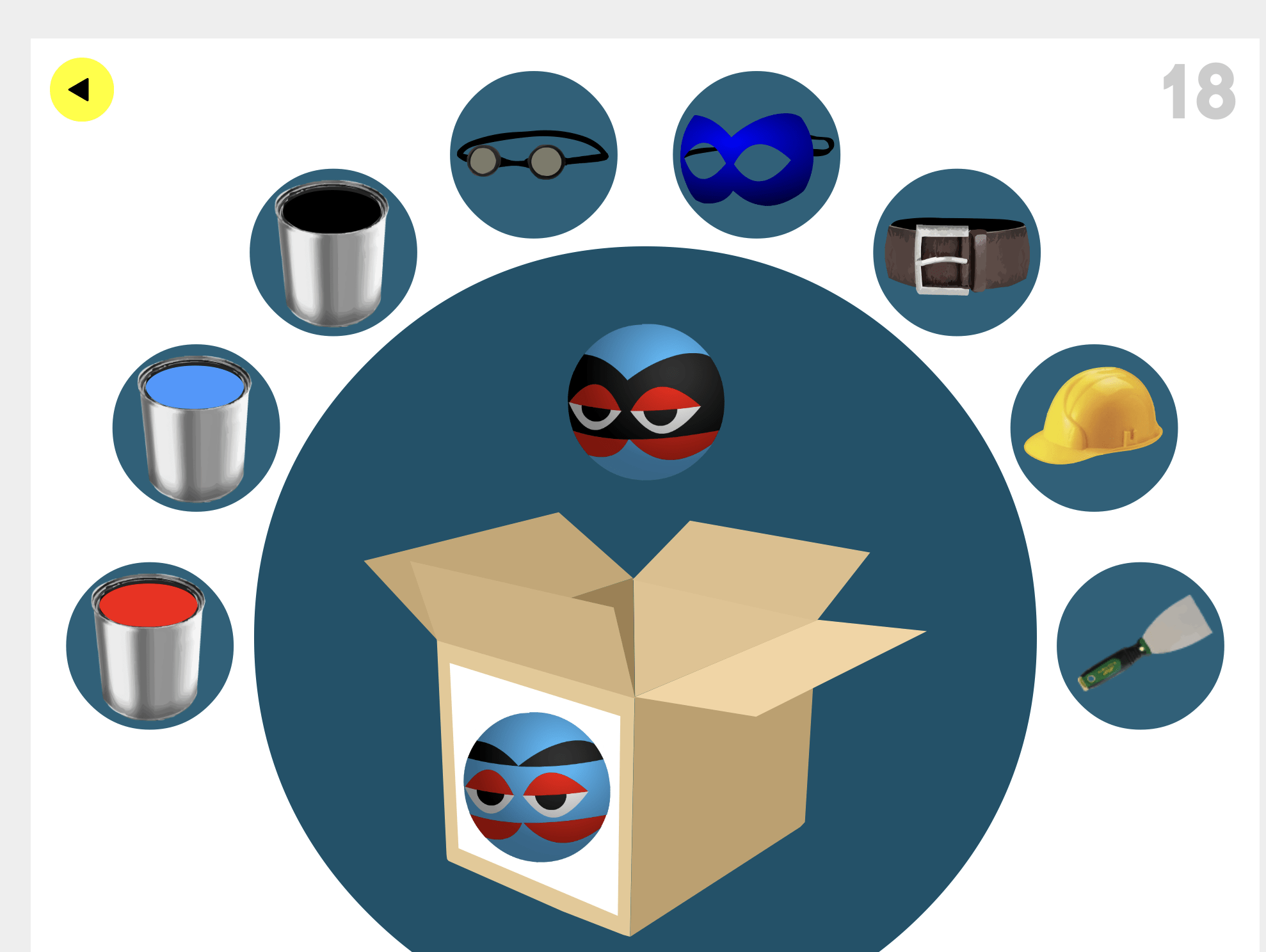
The core mechanics of the game are a sequence of tool selection and experimentation. It involves trial and failure, thinking, and logical development. Rather than explaining rules explicitly, the game only instructs the player in the first round with the instruction, and then it relies on the player to discover how the game works for themselves. Because actions can be undone freely, failure carries a low penalty, encouraging experimentation, and it creates a playful curiosity dynamic. This creates an aesthetic of logical thinking, detailed planning, and challenging dynamics. However, as levels progress, the mechanics demand more precise sequencing, shifting the experience from exploration to careful planning. This balance between experimentation and constraint defines the game’s rhythm and keeps players engaged without overwhelming them. The game leans toward player-driven discovery in the balance between guiding the player and allowing freedom, which strengthens engagement but occasionally risks confusion.
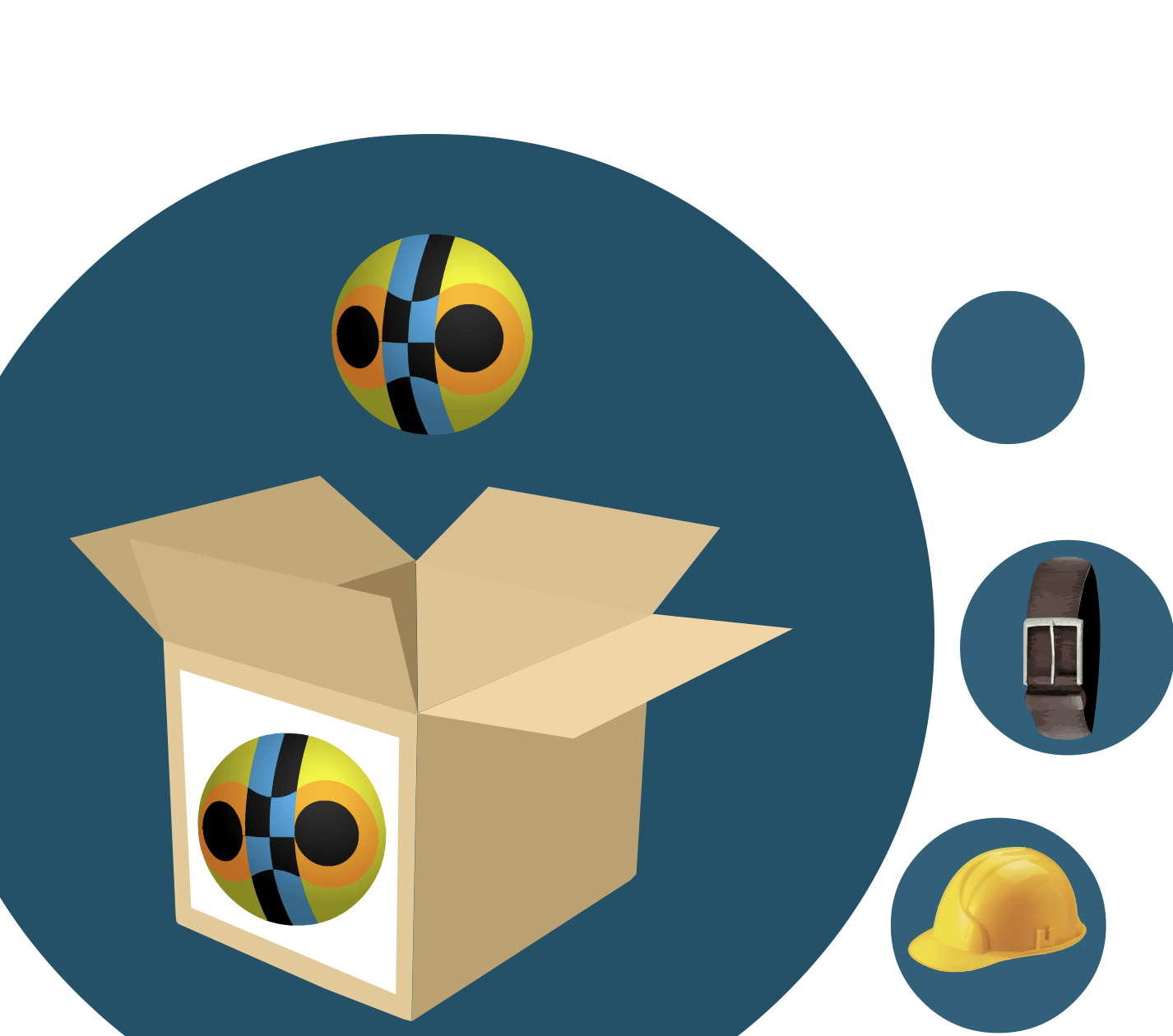
One effective design choice is how the game teaches through interaction rather than text. For example, early levels introduce a single tool, the hat, allowing players to observe its effect in isolation. Using the hat to cover the top half of the ball, then choose the color bucket, it allows the ball to be colored only in half, because the top half was covered. Later puzzles combine other tools that not only cover the ball, but watering the grass or flowers. It also requires players to mentally simulate sequences before acting: First, put the flower seed, then water it, then put the grass seed, and water it twice until the flower is gone. Compared to other puzzle games, this game is more abstract and minimally instructed. Its strength lies in clarity, but this abstraction can also be limiting. Some later puzzles that involve the plants rely on trial-and-error rather than pure reasoning. A possible improvement would be adding hints or instructions when new tools come up, to further reinforce logical deduction over brute-force attempts.
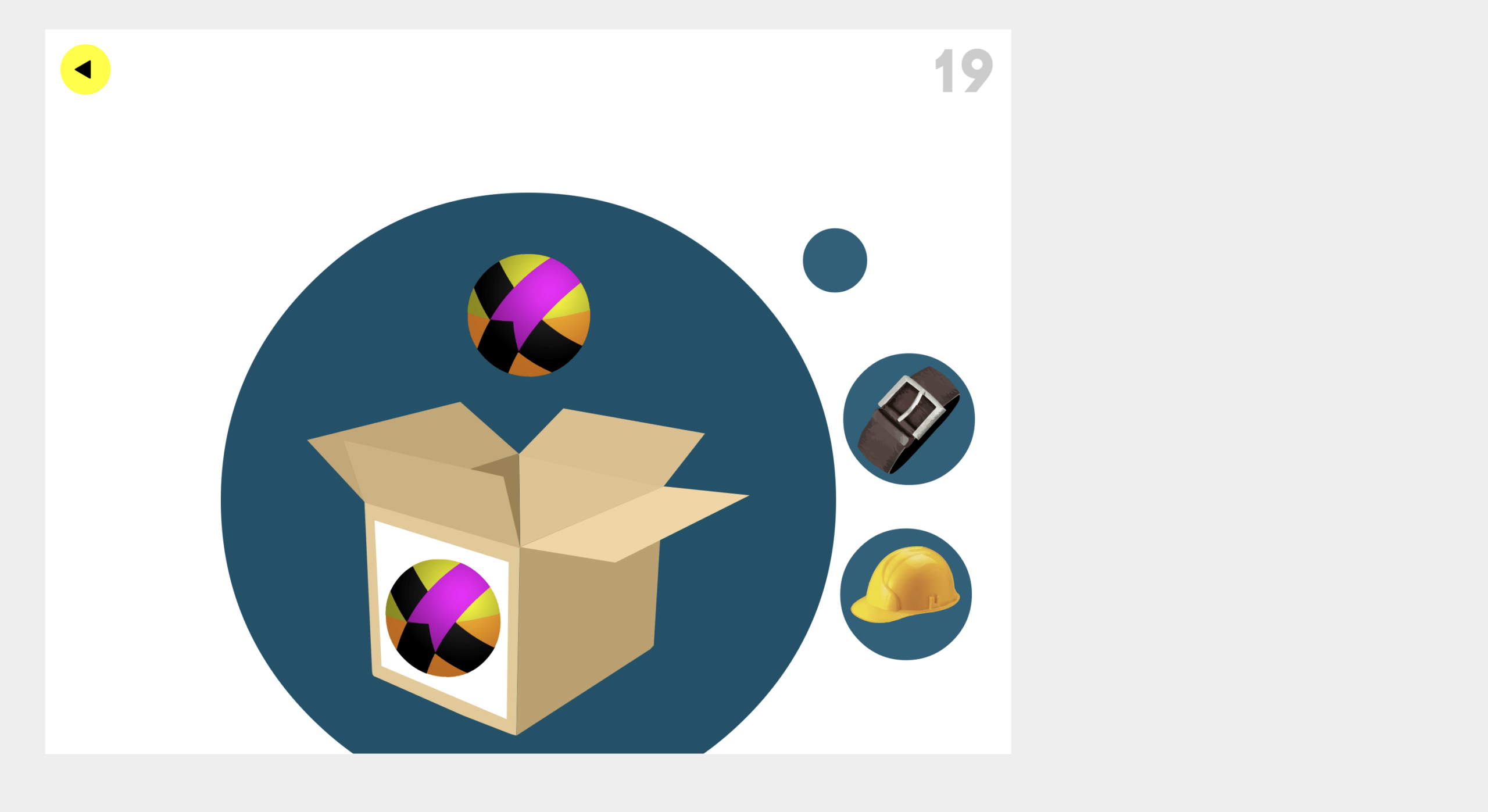
From an ethical perspective, the game assumes players are familiar with certain real-world concepts, such as layering, masking, and common knowledge, such as watering the seed to grow the plant, and cause-and-effect sequencing. These assumptions generally align with basic visual and logical reasoning, making the game broadly accessible. However, some puzzles may implicitly favor players with experience in spatial imagination, which could be hard for those who can not visualize it in their heads. While the game avoids heavy language or instructions, making it globally approachable, its reliance on abstract logic still privileges certain cognitive styles. Expanding the tutorial or offering optional hints could make the experience more inclusive without reducing challenge.
Overall, it demonstrates how well-designed mechanics can evoke a strong sense of fun rooted in problem-solving, while also revealing the importance of accessibility and player assumption in puzzle design.